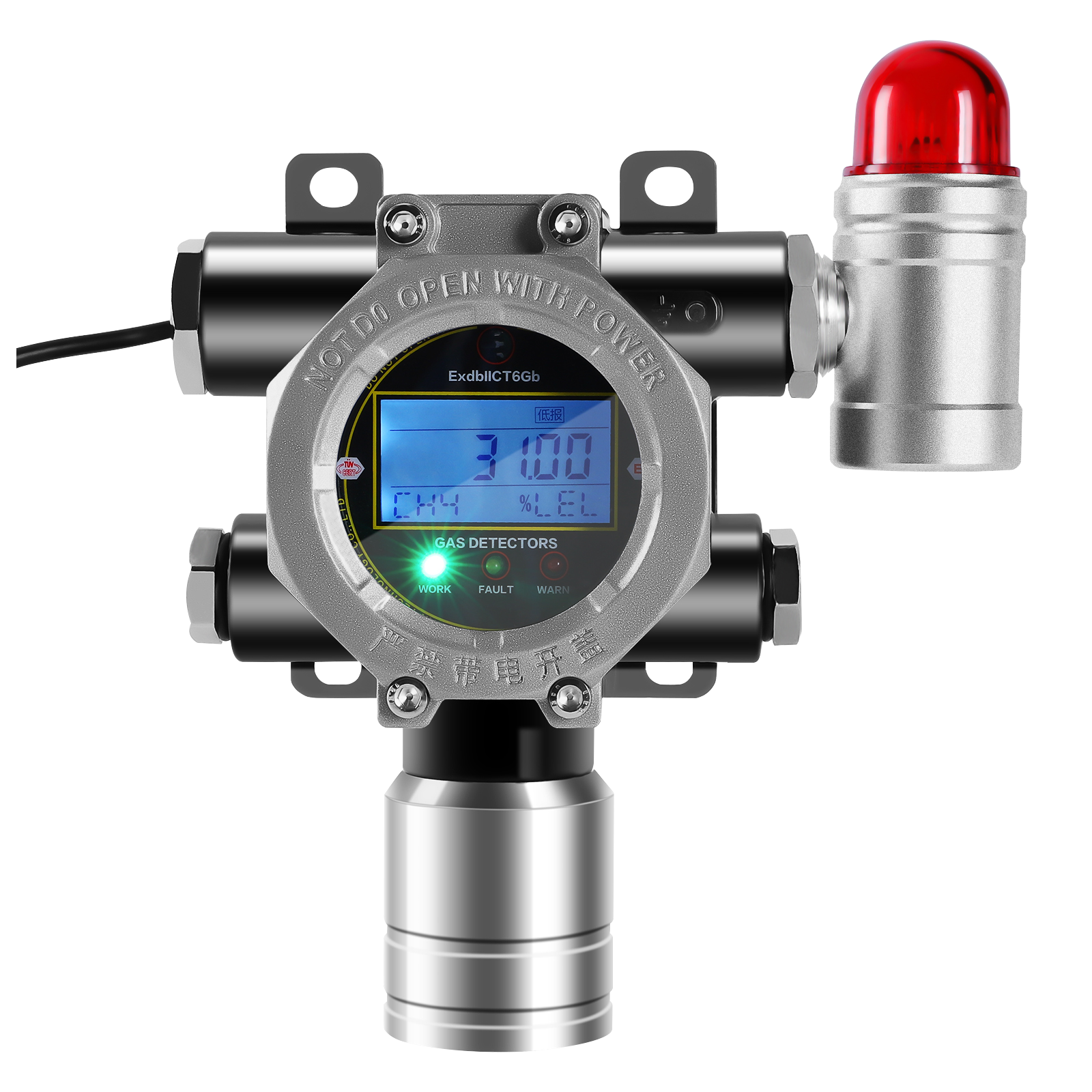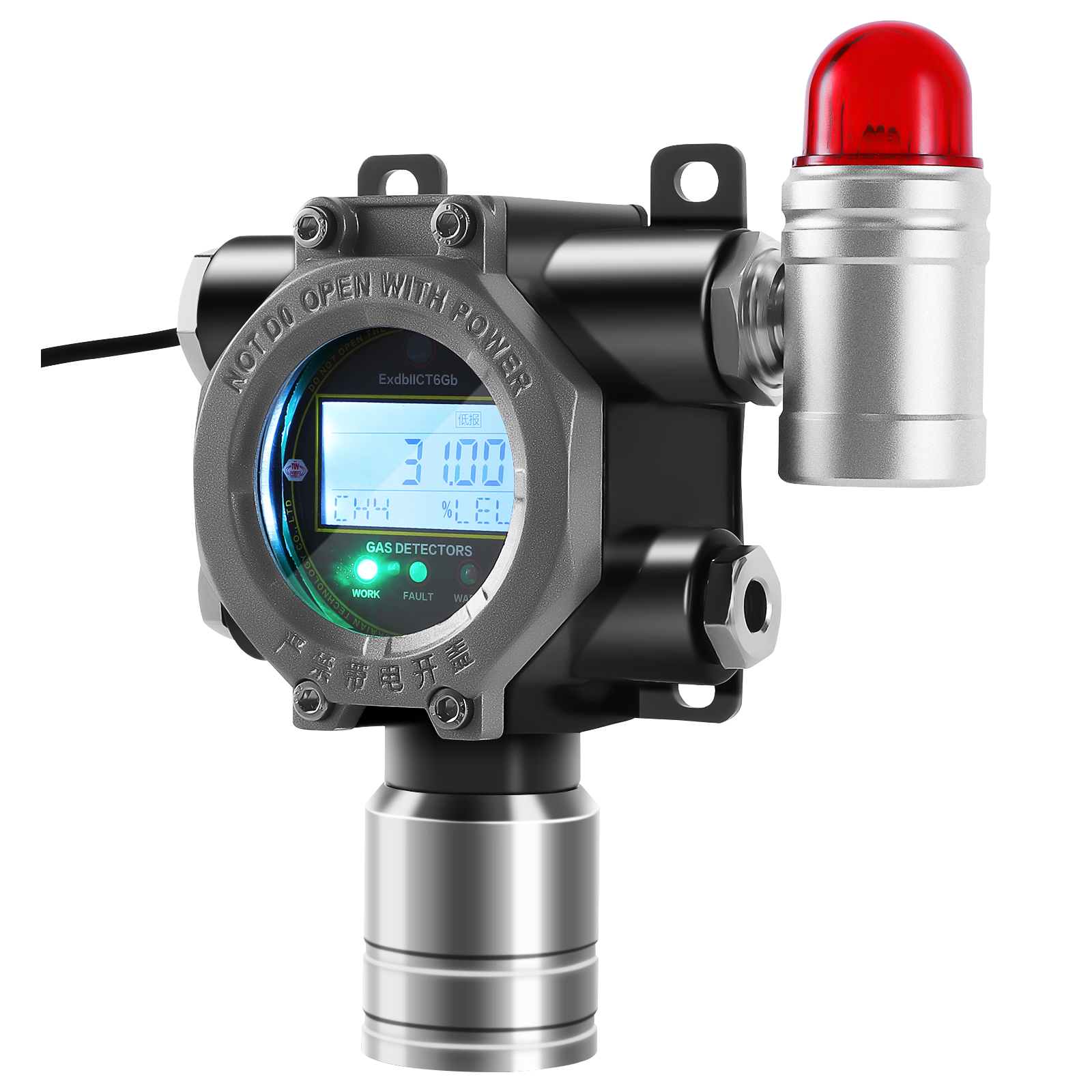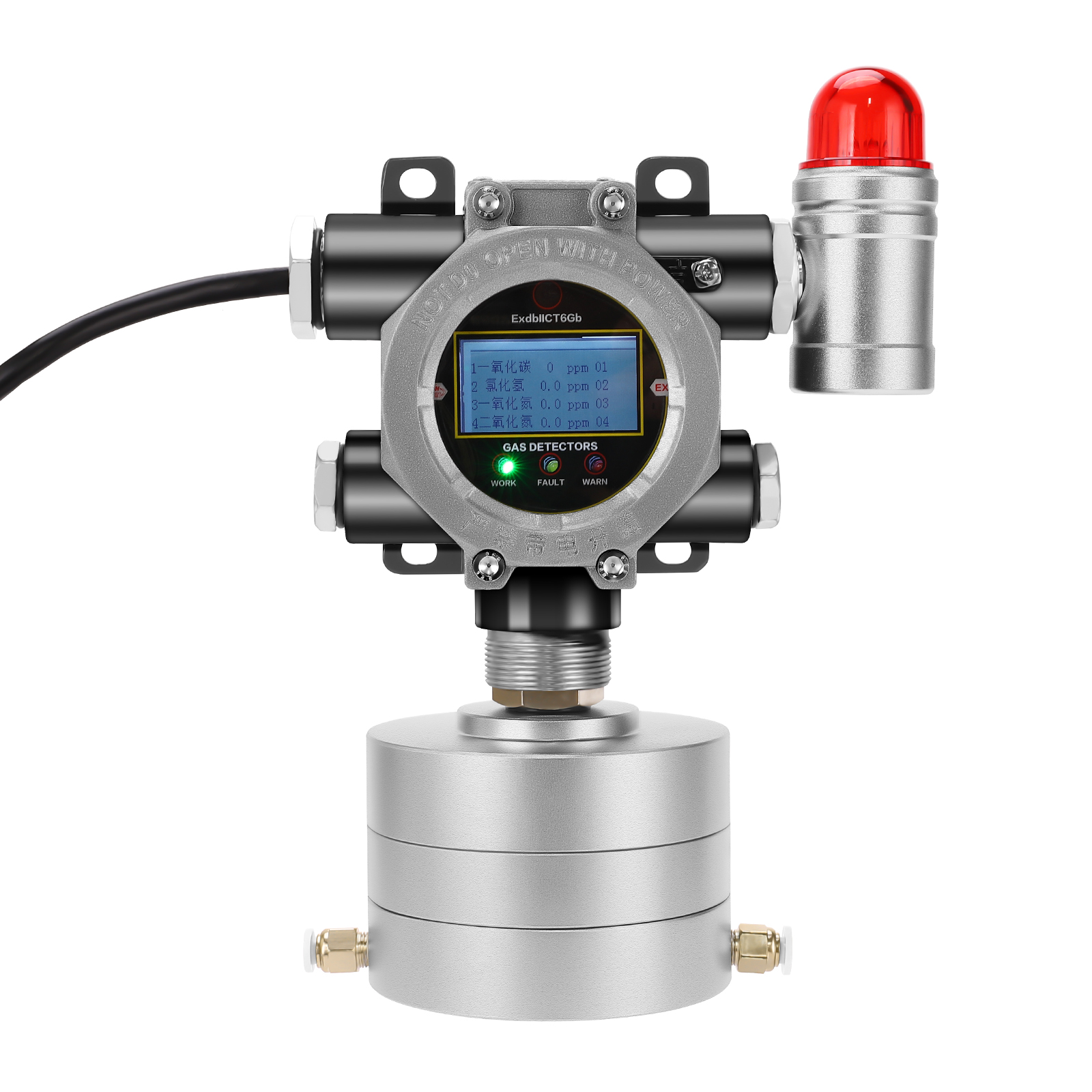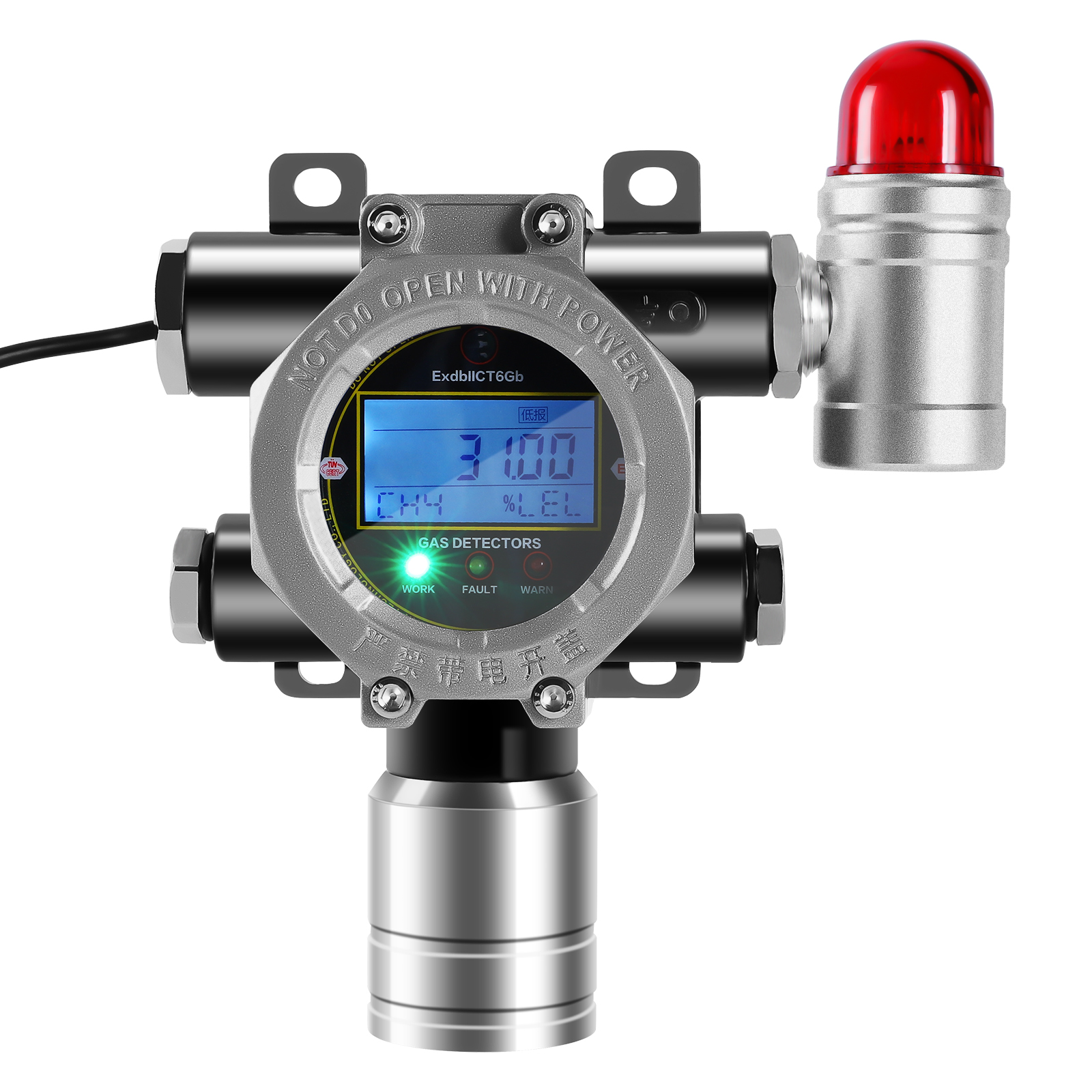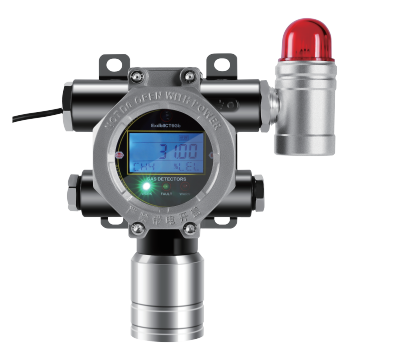
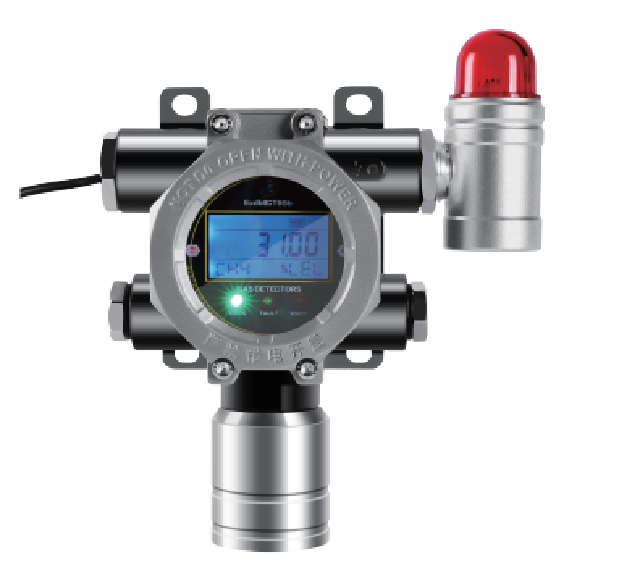
Combustible Gas EX Alarm - SKA/NE-301(EX)
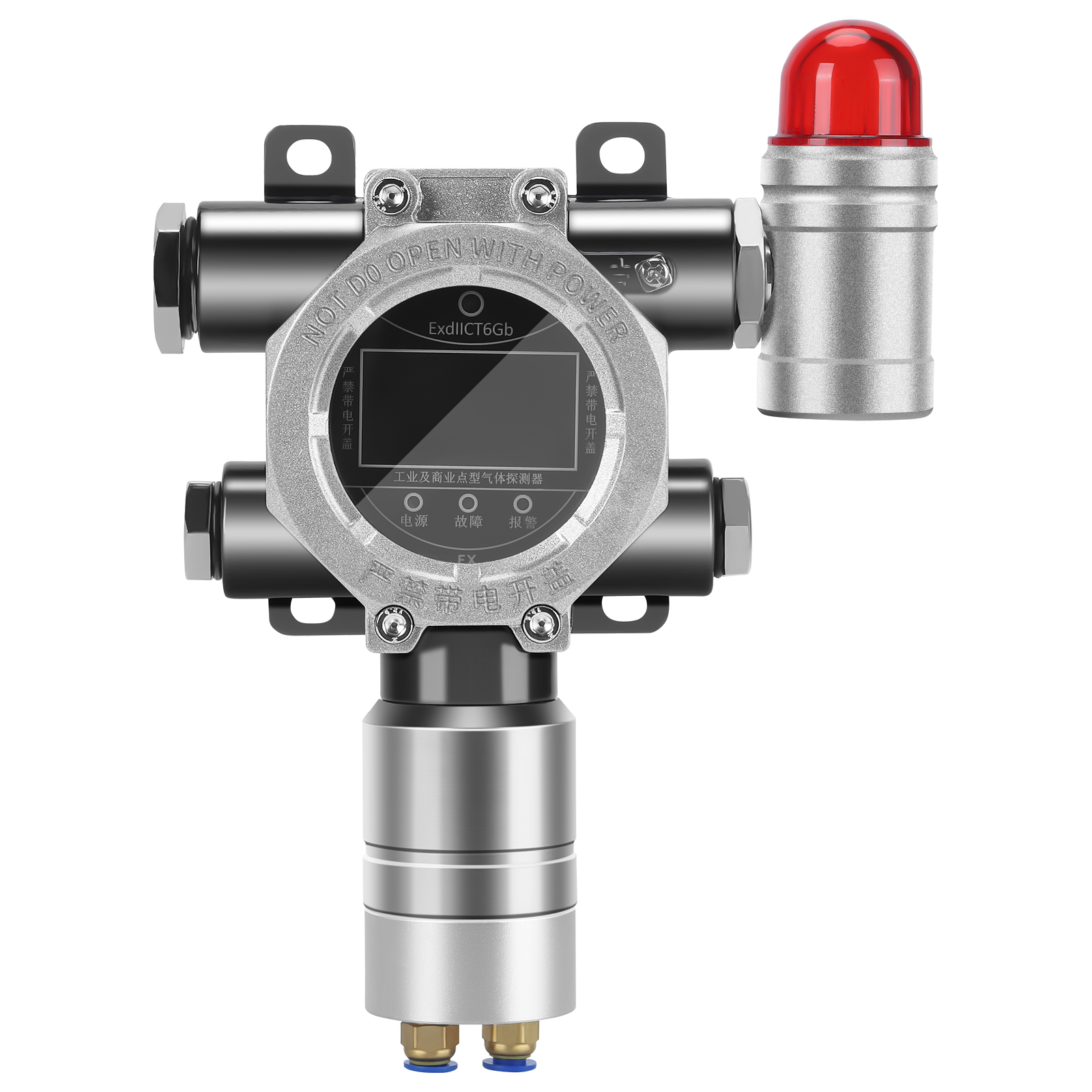
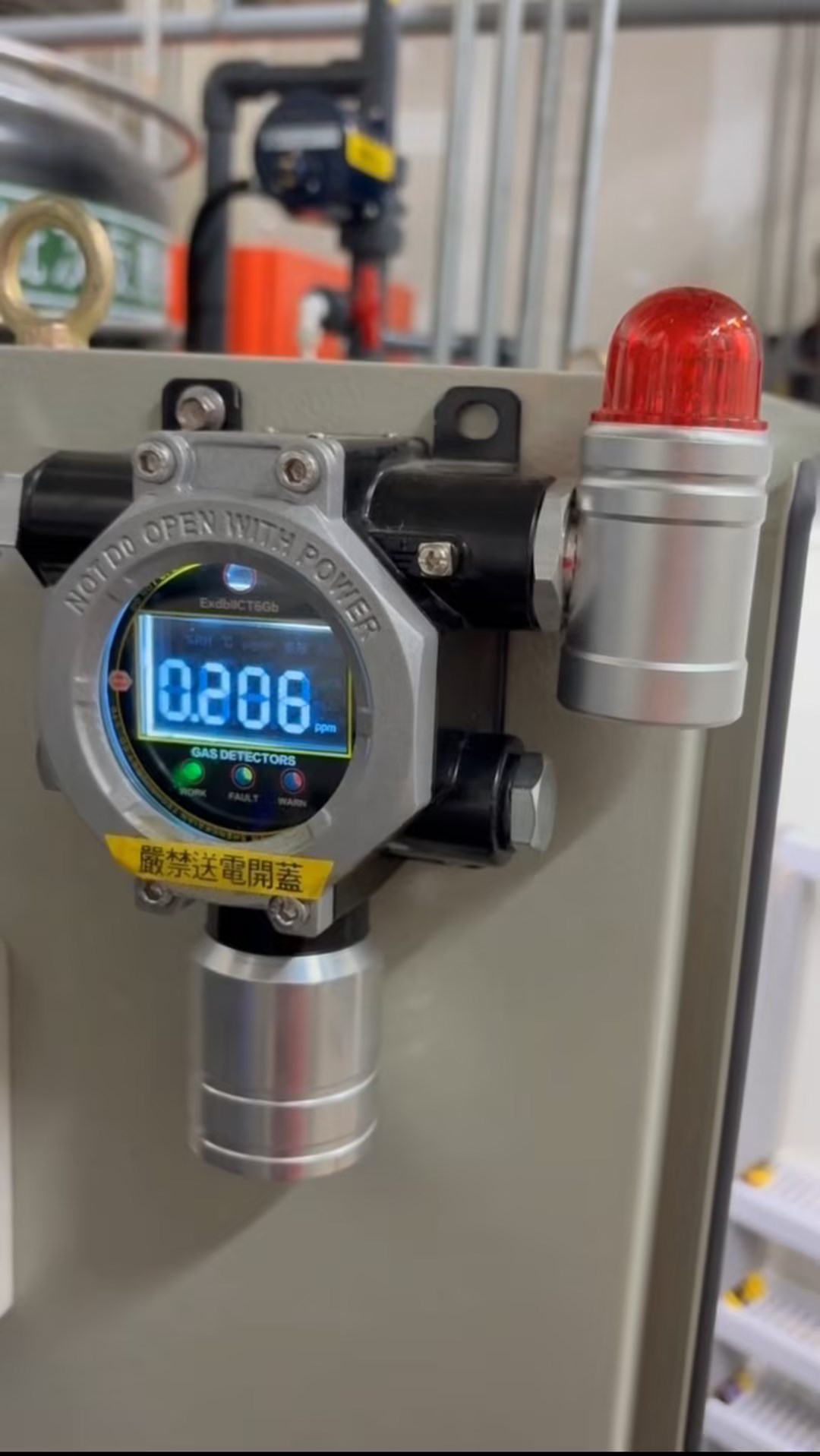
LCDOn-site concentration display,LEDOn-site status indication, can display the operating status of the detector in real time, imported gas sensing element, integrated secondary algorithm development, high precision, small zero drift, good anti-poisoning performance. The standard infrared remote control allows operation without opening the cover in hazardous locations, simple and practical.
Product Introduction
Combustible Gas EX Alarm
I. System Composition (mainly industrial fixed type)
Detector (probe): collects gas on site, the core is the sensor, explosion-proof housing, installed near the leak source, converts gas concentration into an electrical signal;
Alarm controller main unit: central display of concentration and detector number, storage of alarm records, setting of high and low alarm thresholds, output of linkage signals;
Sound and light alarm: on-site high-decibel audible and visual warning;
Linked execution components: exhaust fans, emergency gas shut-off valves, etc.
II. Core detection principles
Catalytic combustion type (most commonly used in industry): combustible gas undergoes flameless combustion on the sensor catalyst surface, temperature changes the resistance of the platinum wire, converting it into a concentration signal; can detect most combustible gases; disadvantages: prone to silicon poisoning and ineffective in oxygen-deficient environments.
Infrared NDIR Type: hydrocarbon gas absorbs specific infrared light, optical detection; resistant to poisoning, longer lifespan, suitable for high-dust and highly corrosive working conditions, cannot detect hydrogen.
Semiconductor type: mostly used in civil gas alarms, low cost; disadvantages: easily interfered by temperature, humidity, and other gases, poor selectivity.
III. Product Classification
1. Fixed combustible gas alarm (industrial/ Commercial kitchens, boiler rooms, gas stations, chemical workshops)
24 24-hour uninterrupted online monitoring, probe+ Main unit and detector are separate, supports4-20mA、RS485 Signal output, can be connected to automation systems and fire protection systems, and is standard equipment for safety supervision and fire acceptance.
Installation height rules:
Lighter than air (methane / Natural gas, hydrogen): the probe is installed above the leak source, at a distance from the ceiling30cm;
Heavier than air (liquefied petroleum gas, propane, gasoline vapor): the probe is installed at a distance from the ground 30~50cm Low position.
2. Portable combustible gas detector
Handheld rechargeable model, suitable for inspection, confined space operations, and pipeline leak detection; can be carried anywhere, single-point instantaneous detection, cannot replace fixed long-term monitoring.
3. Civil independent gas alarm
Home kitchens, shops, plug-in use, integrated type, built-in sound and light alarm, some can link to solenoid valves, monitor natural gas and liquefied gas.
Combustible Gas EX Alarm
IV. Gases Detected
Methane (natural gas), liquefied petroleum gas, propane, butane, hydrogen, acetylene, ethanol, gasoline vapor, paint solvent vapor, and other hydrocarbon combustible gases.
Alarm setting: generally low alarm 25% LEL, high alarm50% LEL(LEL = Lower explosive limit, early warning, will not wait until the explosive concentration is reached before alarming).
V. Typical Application Scenarios
Petroleum, chemical, pharmaceutical plants, spray painting workshops, gas tank farms, hydrogen refueling stations;
Boiler rooms, gas pressure regulating stations, gas stations,LNG/LPG Gasification station;
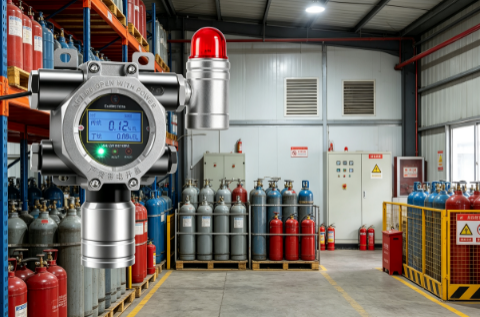
Restaurant kitchens, canteens, gas cylinder rooms, sewage tanks, underground utility tunnels;
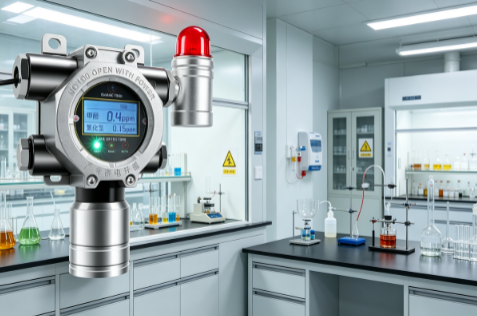
Laboratories, paint warehouses, ship engine rooms.
VI. Maintenance Points
Industrial probes are calibrated annually with standard gas; portable ones are recommended to be calibrated every six months;
Regularly clean dust and oil from the probe to avoid blocking the sensor;
The sensor is a consumable part. The lifespan of a catalytic combustion sensor is generally 2~3 years, must be replaced upon expiration;
Avoid locations with strong direct airflow, high temperature, strong corrosion, or direct oil fume spray to prevent false alarms or failure.
Combustible Gas EX Alarm
VII. Post-Alarm Handling Process
When the on-site alarm sounds, immediately cut off the gas source;
Turn on ventilation. It is strictly prohibited to switch electrical appliances or generate sparks (do not turn on lights, press phones, or use lighters);
Personnel evacuate to the upwind area and investigate the leak point;
After the leak is eliminated and the concentration falls back to a safe value, reset the alarm.
Main Application Areas
- Oil and Gas Industry — Detects combustible gas leaks in refineries, pipelines, and offshore platforms to prevent explosions.
- Chemical Plants — Monitors flammable gas concentrations in production areas, storage tanks, and loading zones.
- Petrochemical Facilities — Ensures safety in processing units by continuously monitoring for gas leaks.
- Wastewater Treatment — Detects methane and other combustible gases in treatment plants and digesters.
- Power Generation — Monitors gas leaks in turbine halls, fuel storage areas, and boiler rooms.
Keywords:combustible gas detector, explosion-proof gas alarm, gas leak detector, industrial gas monitor, catalytic combustion sensor, fixed gas detector, EX gas alarm, gas detection system