Oxygen Sensor Alarm Hypoxia Safety Monitoring for Waste Incineration Plants - SKA/O2-BJQ
Detection principle: electrochemical oxygen sensor, natural diffusion sampling
• Detected gas: oxygen O₂
• Range: 0~30%VOL (standard industrial range); optional 0~25%VOL
• Resolution: 0.1%VOL
• Measurement accuracy: ≤±0.5%VOL
• Response time: T90 ≤30s
• Alarm thresholds (customizable, national standard defaults)
◦ Low alarm: 19.5%VOL (oxygen deficiency alarm)
◦ High alarm: 23.5%VOL (oxygen enrichment alarm)
• Sensor lifespan: 2~3 years
Product Introduction
Oxygen Sensor Alarm - Product Overview
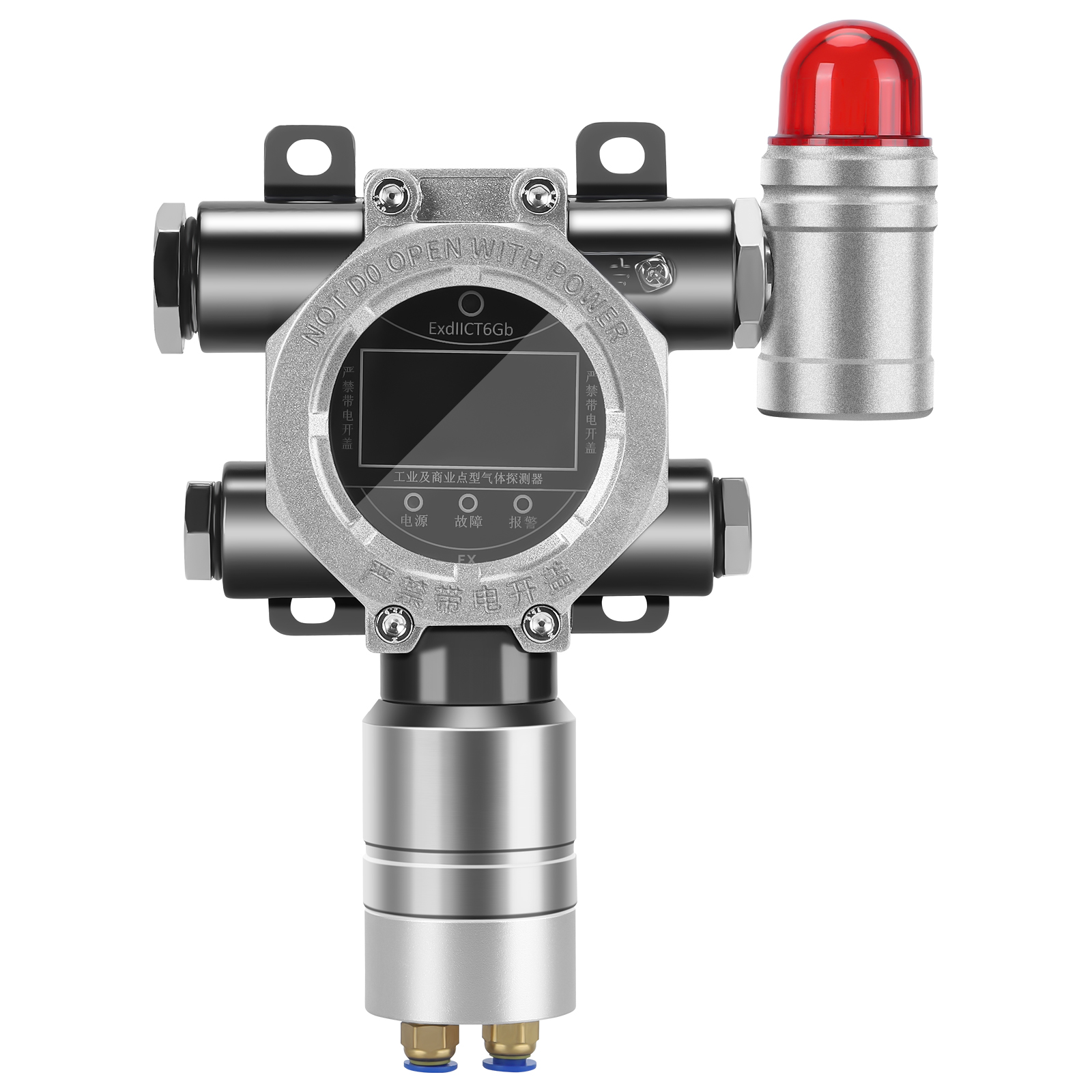
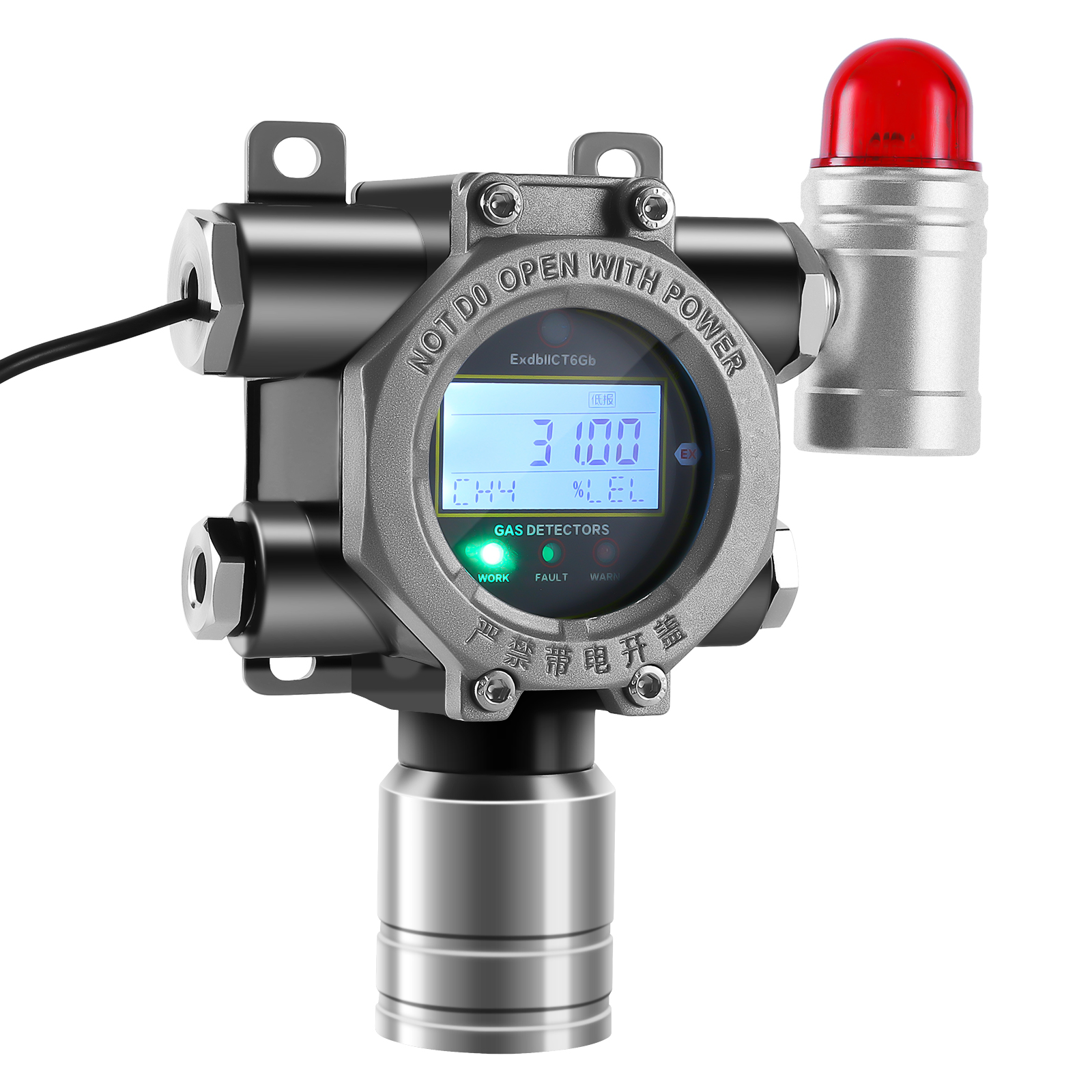
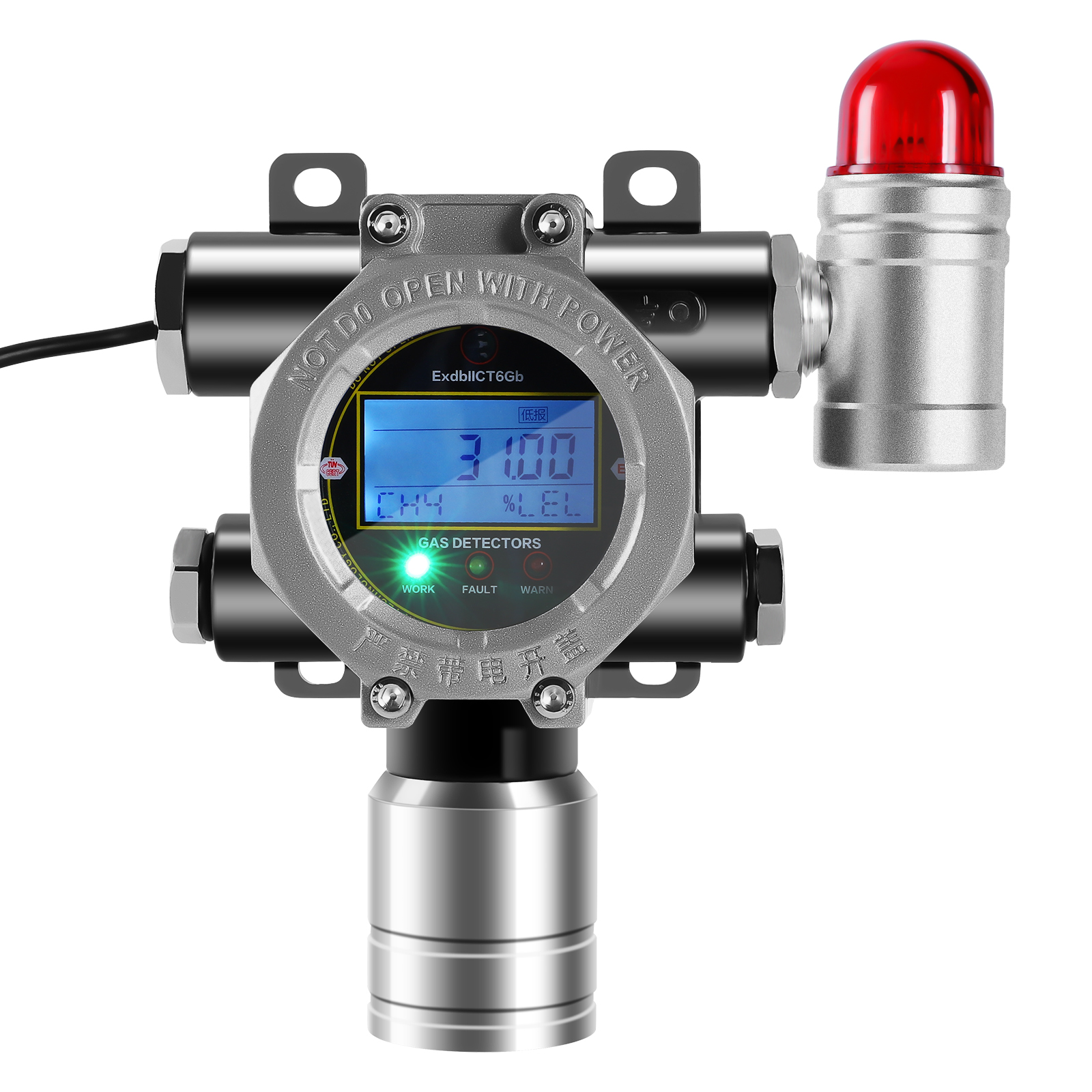
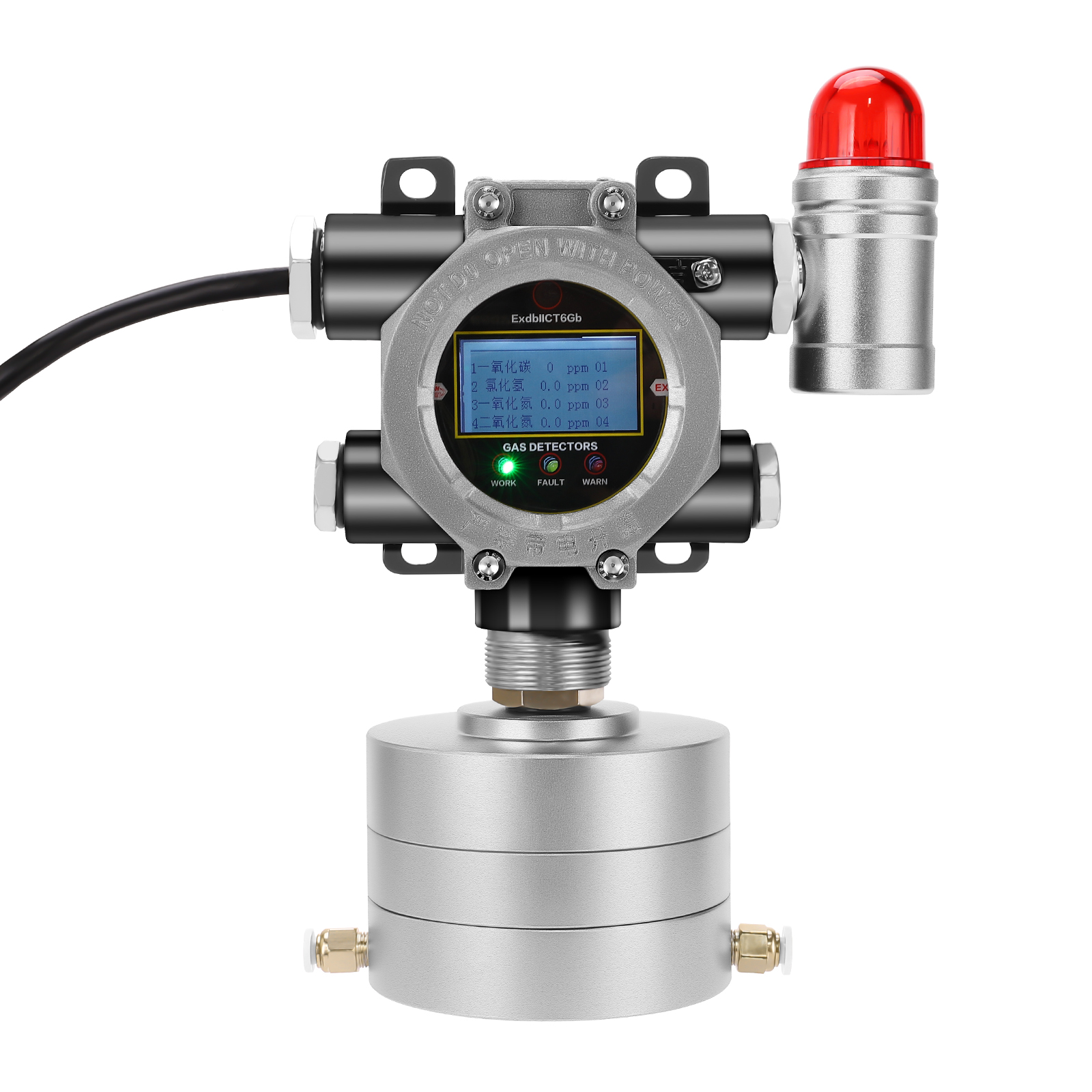
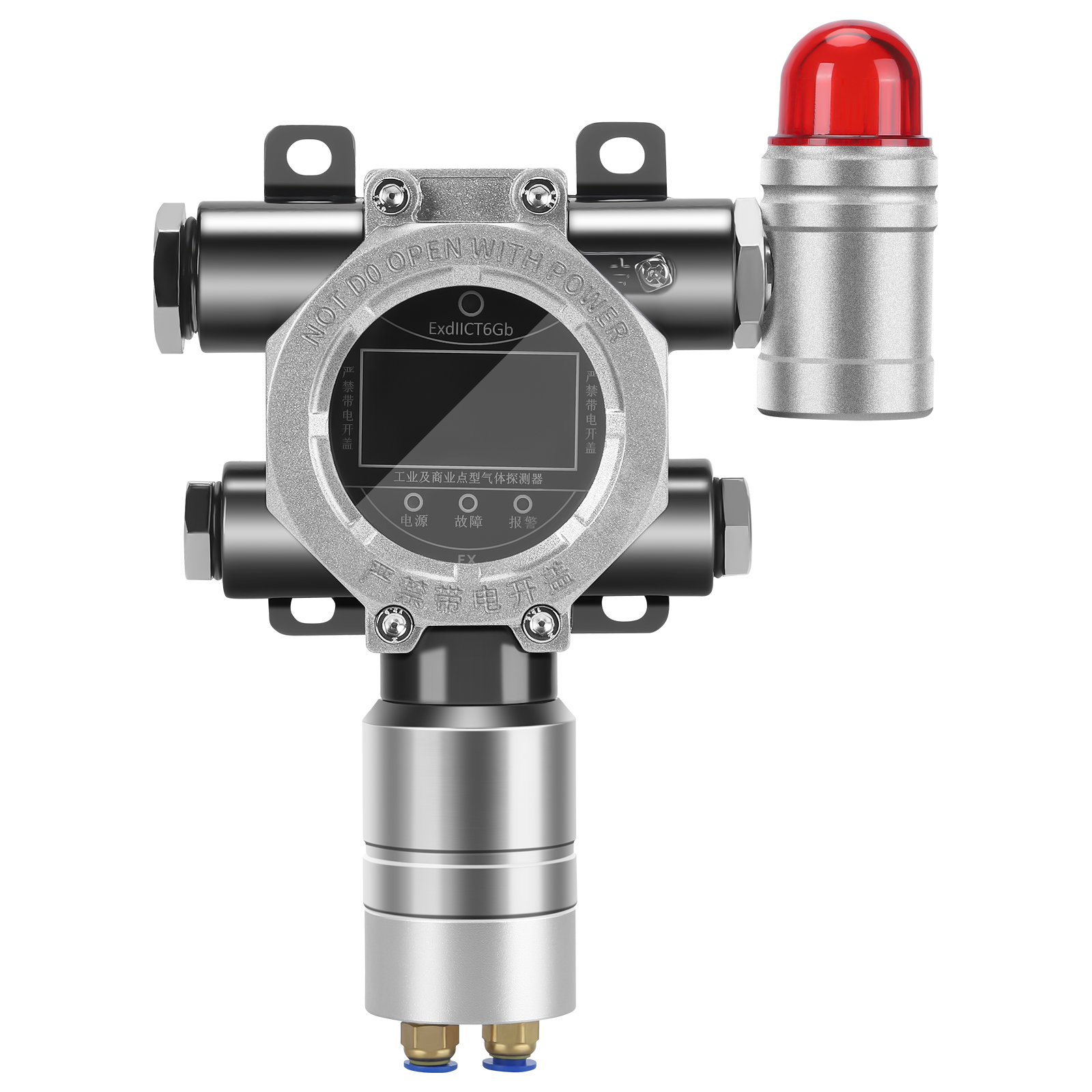
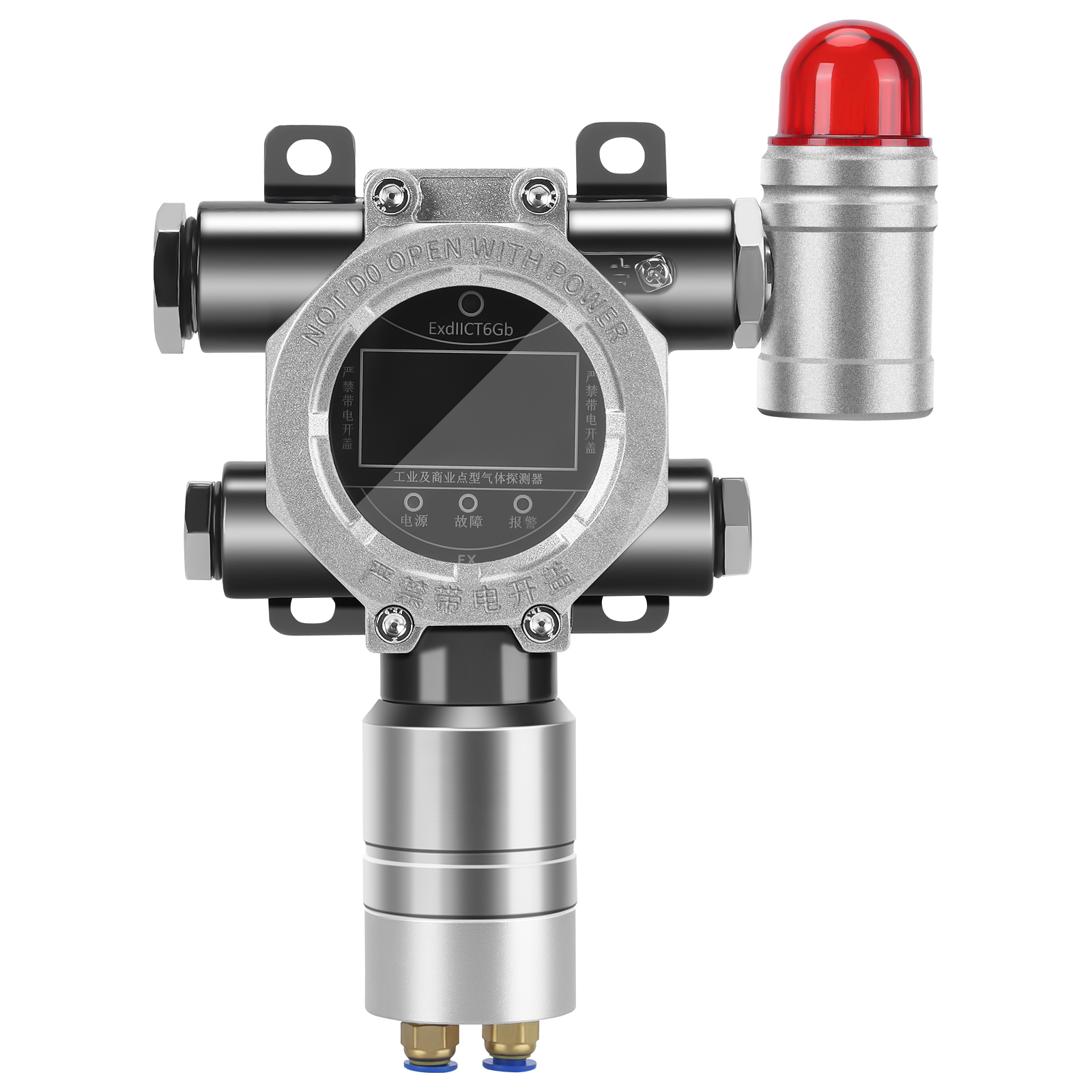
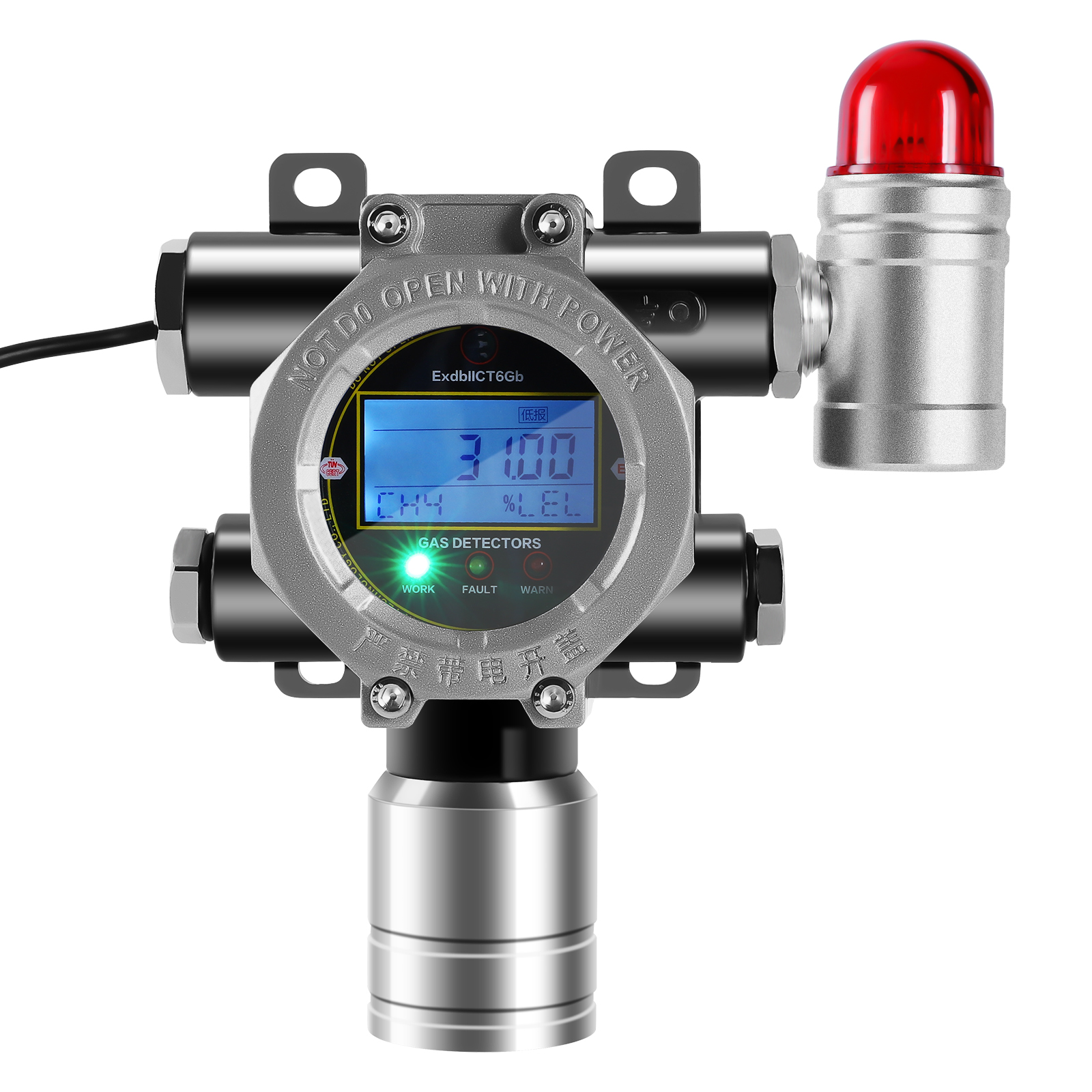
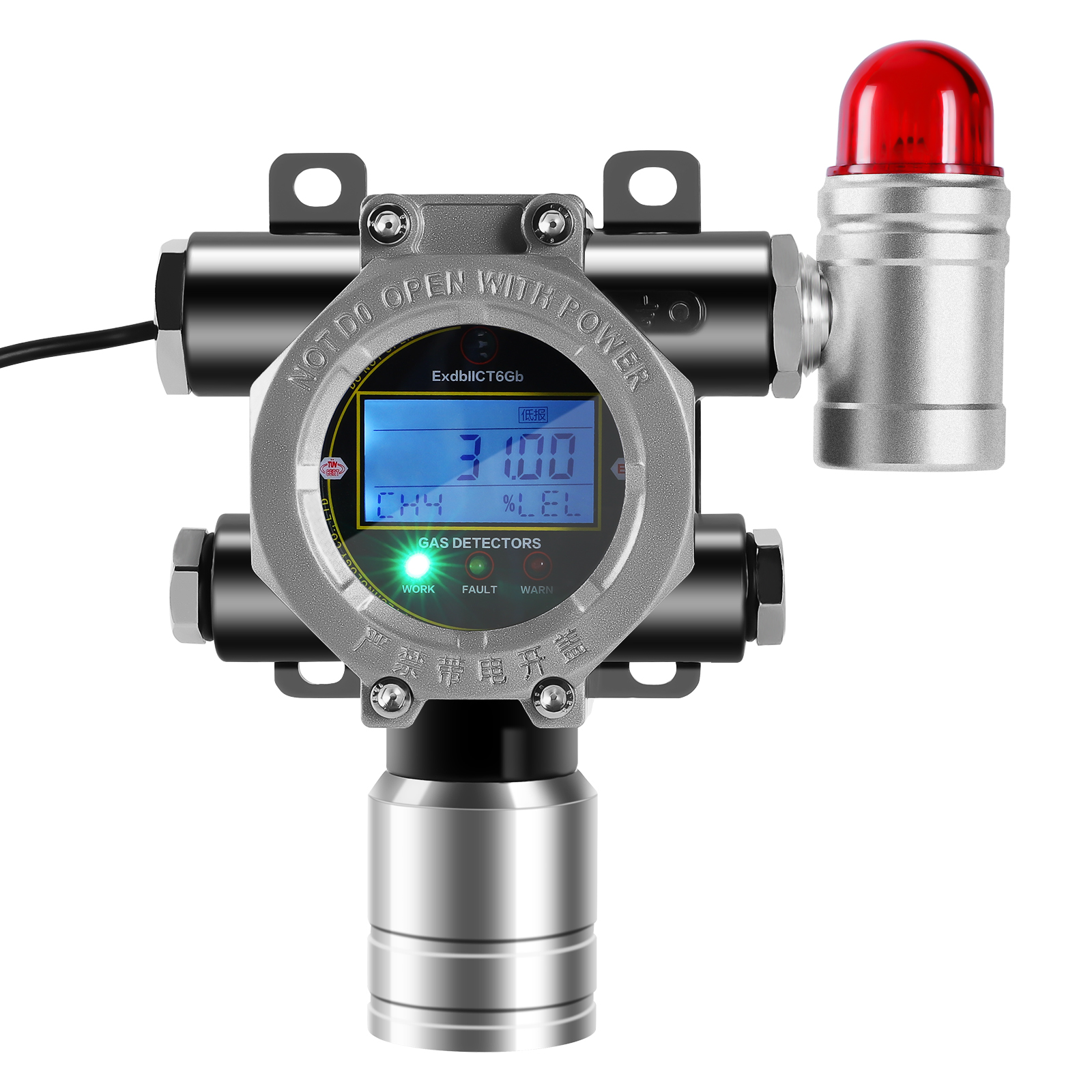
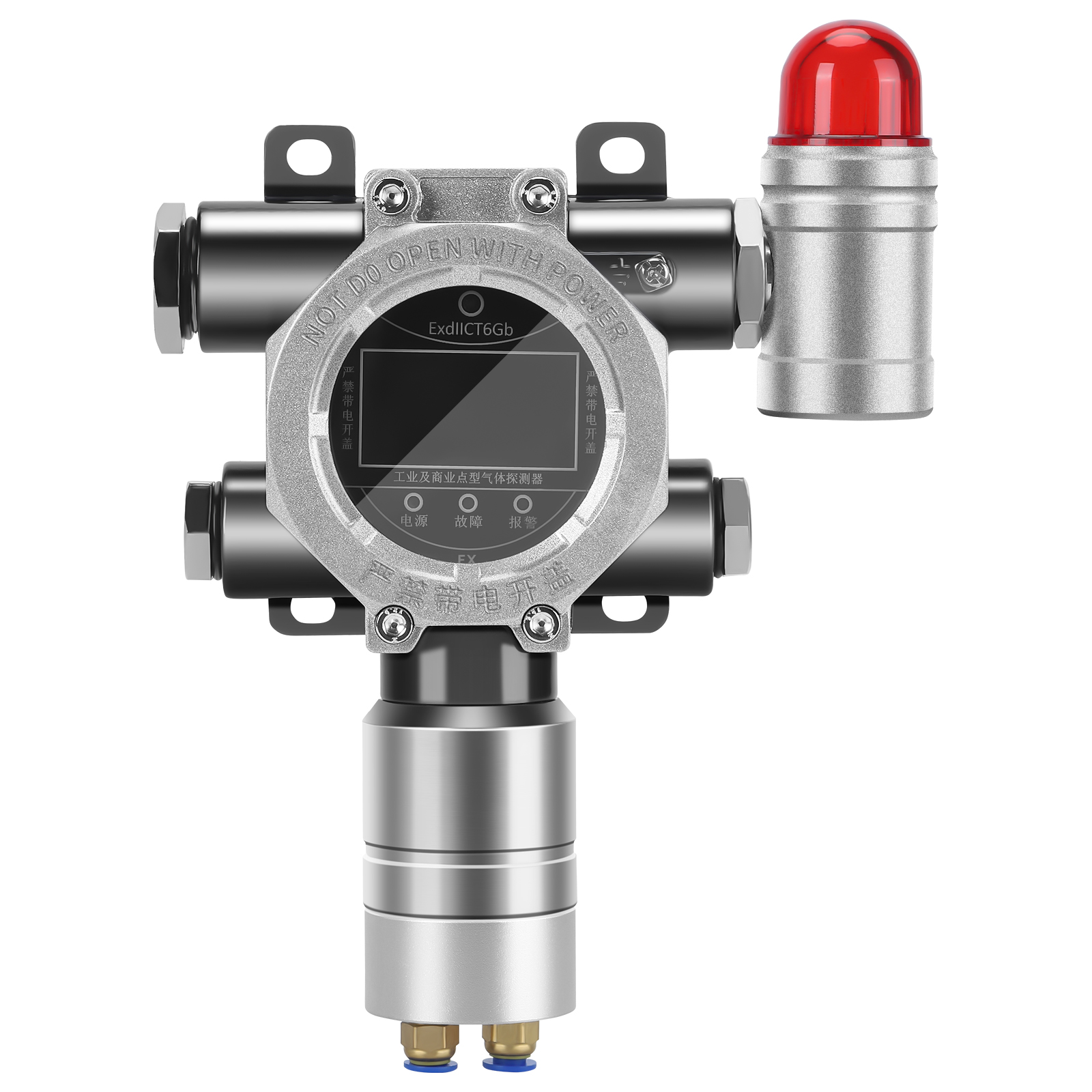
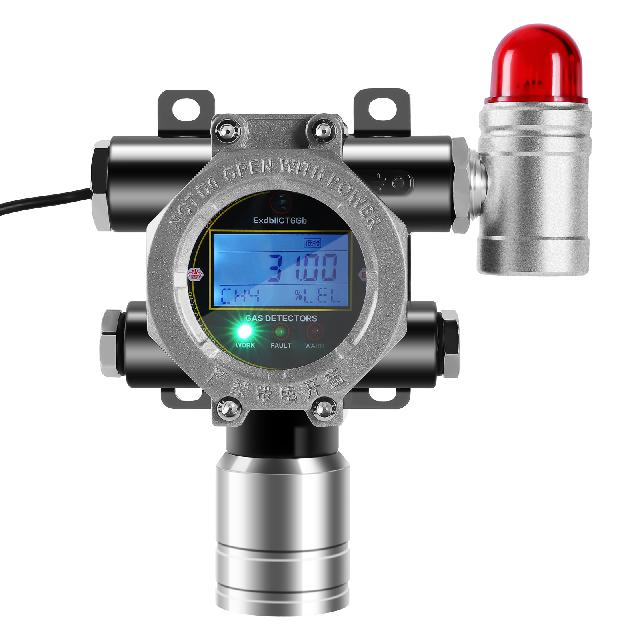
The oxygen sensor alarm is a gas detection device used for hypoxia safety monitoring in waste incineration plants. Search keywords: oxygen sensor alarm, hypoxia safety monitoring for waste incineration plants, oxygen alarm. This alarm can continuously monitor the oxygen concentration in the incineration plant area. When the concentration falls below the safe value, it emits sound and light alarms and links to the ventilation system. In hypoxia safety monitoring for waste incineration plants, the oxygen sensor alarm can effectively prevent hypoxia risks caused by incinerators and flue gas treatment areas.
Oxygen Sensor Alarm - Working Principle
The oxygen sensor alarm uses an electrochemical sensor to output electrical signals by detecting oxygen concentration, which is processed by a microprocessor to determine whether to alarm. In hypoxia safety monitoring for waste incineration plants, the oxygen sensor alarm has moisture-proof, dust-proof, and explosion-proof functions, with protection ratings up to IP65 or IP67, suitable for the humid and corrosive environments of waste incineration plants. The alarm supports RS485, 4-20mA, and Modbus outputs and can be integrated into safety monitoring systems.
Oxygen Sensor Alarm - Application Scenarios
Oxygen sensor alarms are widely used in incinerator areas, flue gas treatment areas, boiler rooms, and personnel inspection passages in waste incineration plants. In hypoxia safety monitoring for waste incineration plants, oxygen sensor alarms can be installed near incinerators, beside flues, and in poorly ventilated corners. The alarm can be linked with exhaust fans, sound and light alarms, and monitoring platforms to achieve automatic ventilation and alarming. For large waste incineration plants, oxygen sensor alarms can form a multi-point monitoring network and upload data uniformly to the control center.
Oxygen Sensor Alarm - Technical Advantages
The oxygen sensor alarm has advantages such as continuous monitoring, stable and reliable performance, and convenient linkage. In hypoxia safety monitoring for waste incineration plants, the oxygen sensor alarm adopts industrial-grade sensors and moisture-proof design, suitable for long-term operation. The alarm supports sound and light alarms, fault self-diagnosis, and remote communication, making maintenance convenient. When selecting an oxygen sensor alarm, attention should be paid to detection range, accuracy, response time, protection rating, and output method to ensure reliable and effective hypoxia safety monitoring for waste incineration plants.
Main Application Areas
- Waste Incineration Plants — Monitors oxygen levels in incinerator and flue gas treatment zones to prevent hypoxia hazards.
- Confined Spaces — Ensures safe oxygen levels in tanks, silos, and other confined areas before entry.
- Industrial Furnaces — Detects oxygen deficiency or enrichment in combustion processes for safety and efficiency.
- Chemical Plants — Prevents oxygen-related accidents in processes where inert gases are used.
- Underground Facilities — Monitors oxygen in tunnels, parking garages, and basements to ensure safe breathing conditions.
Keywords:oxygen sensor alarm, hypoxia monitor, gas detector, oxygen deficiency alarm, O2 sensor, waste incineration safety, industrial oxygen monitor, oxygen alarm system