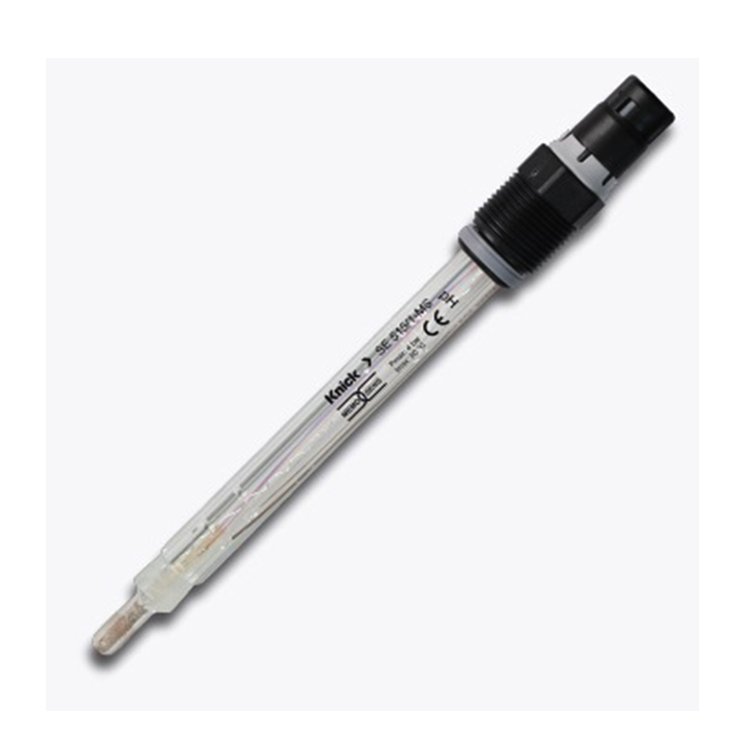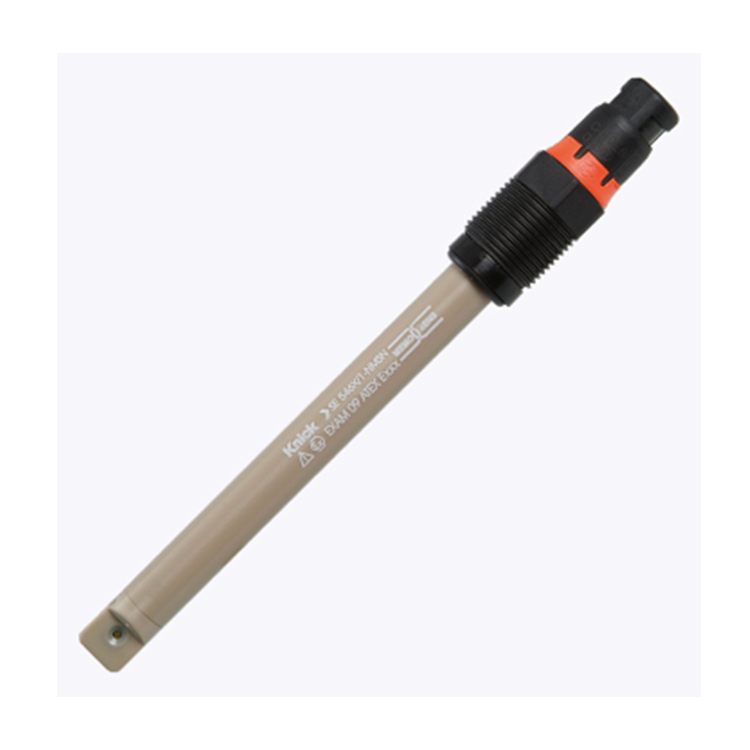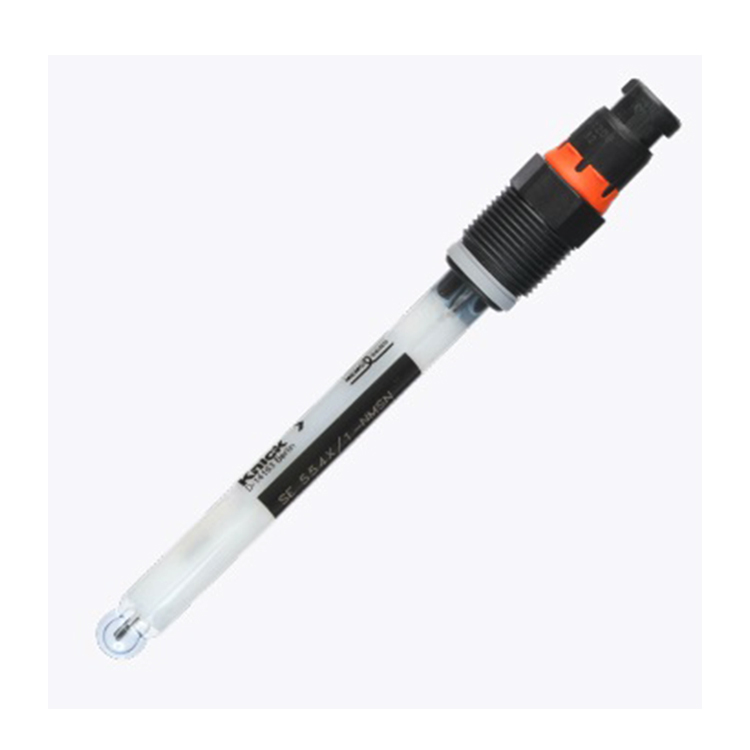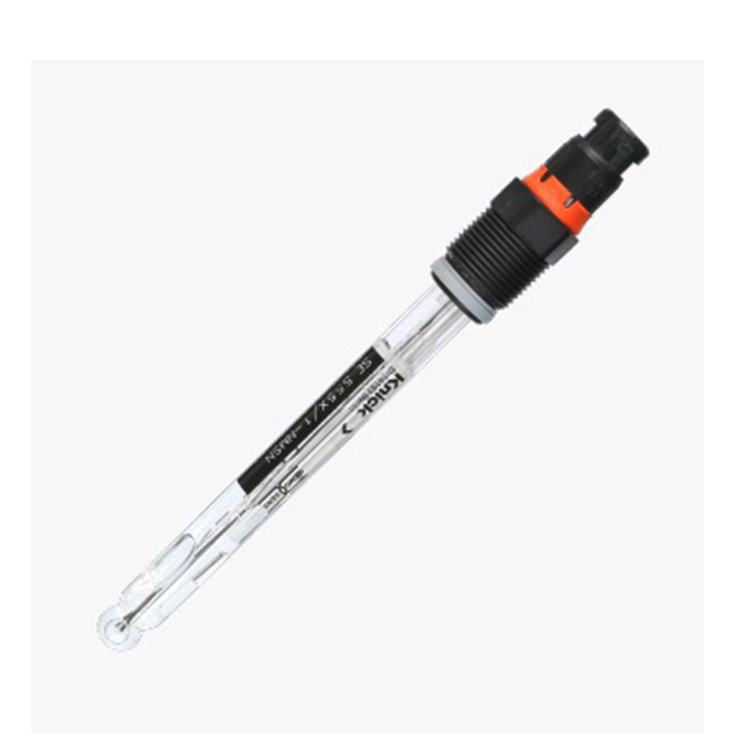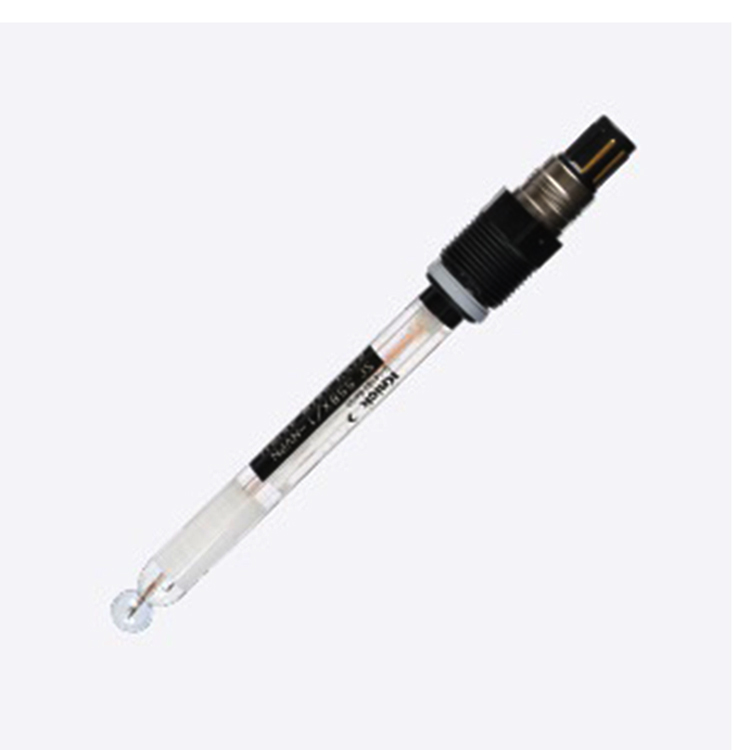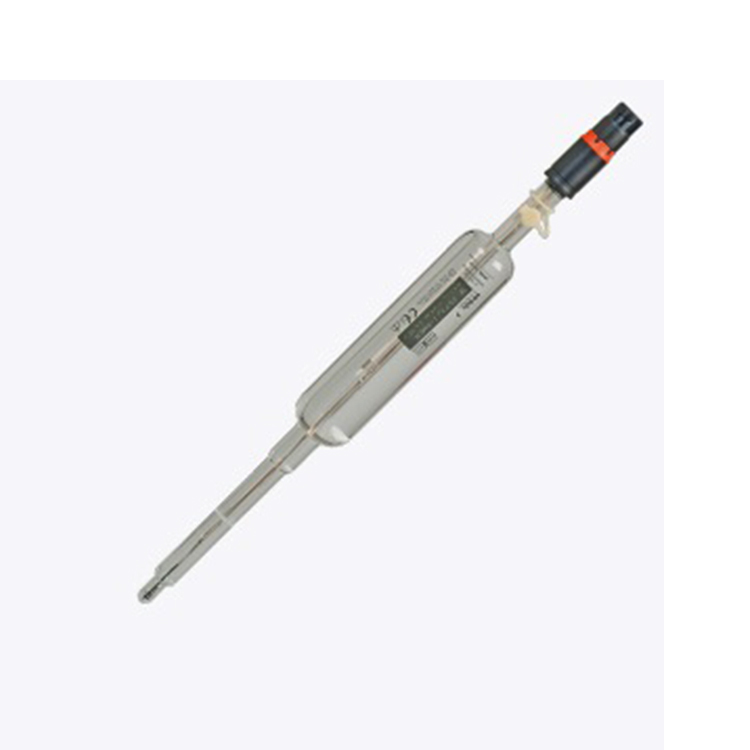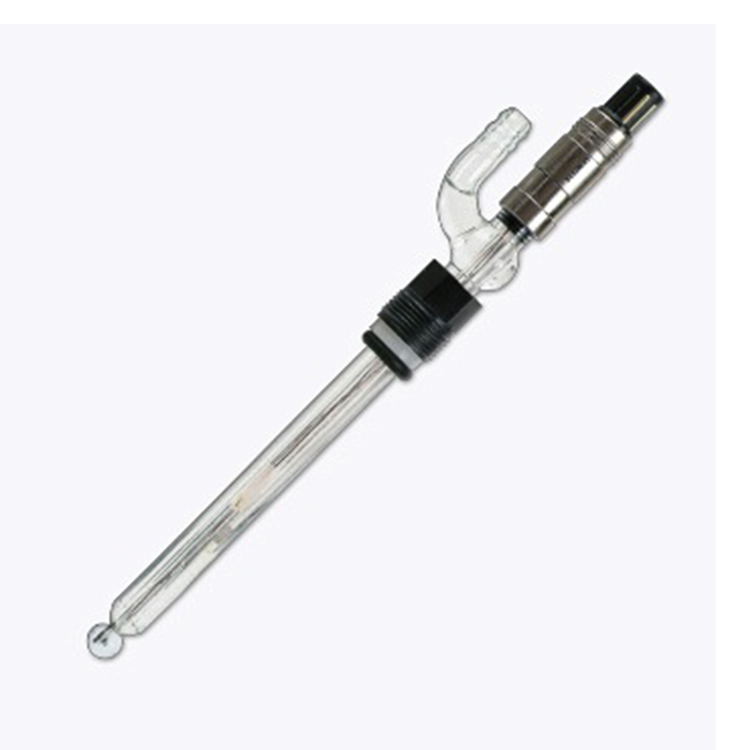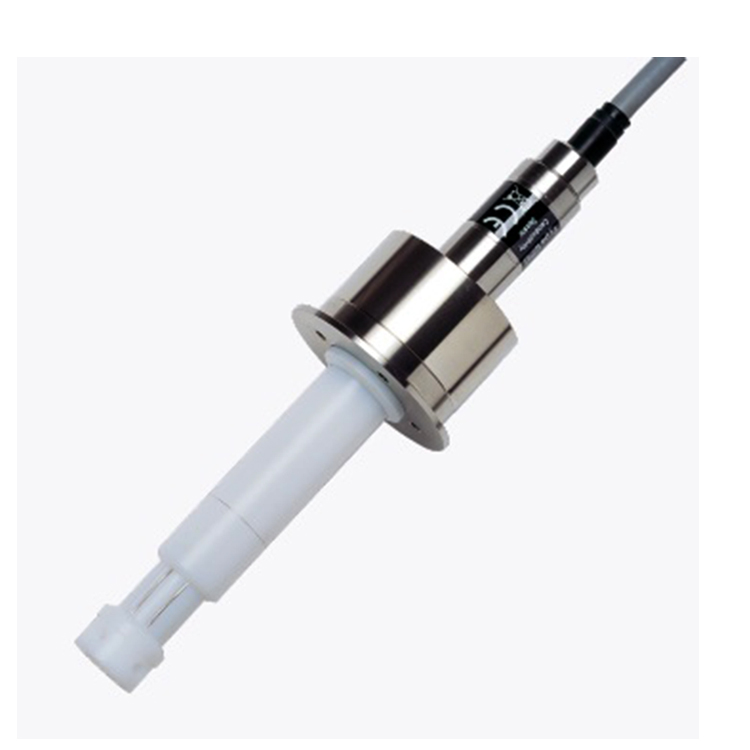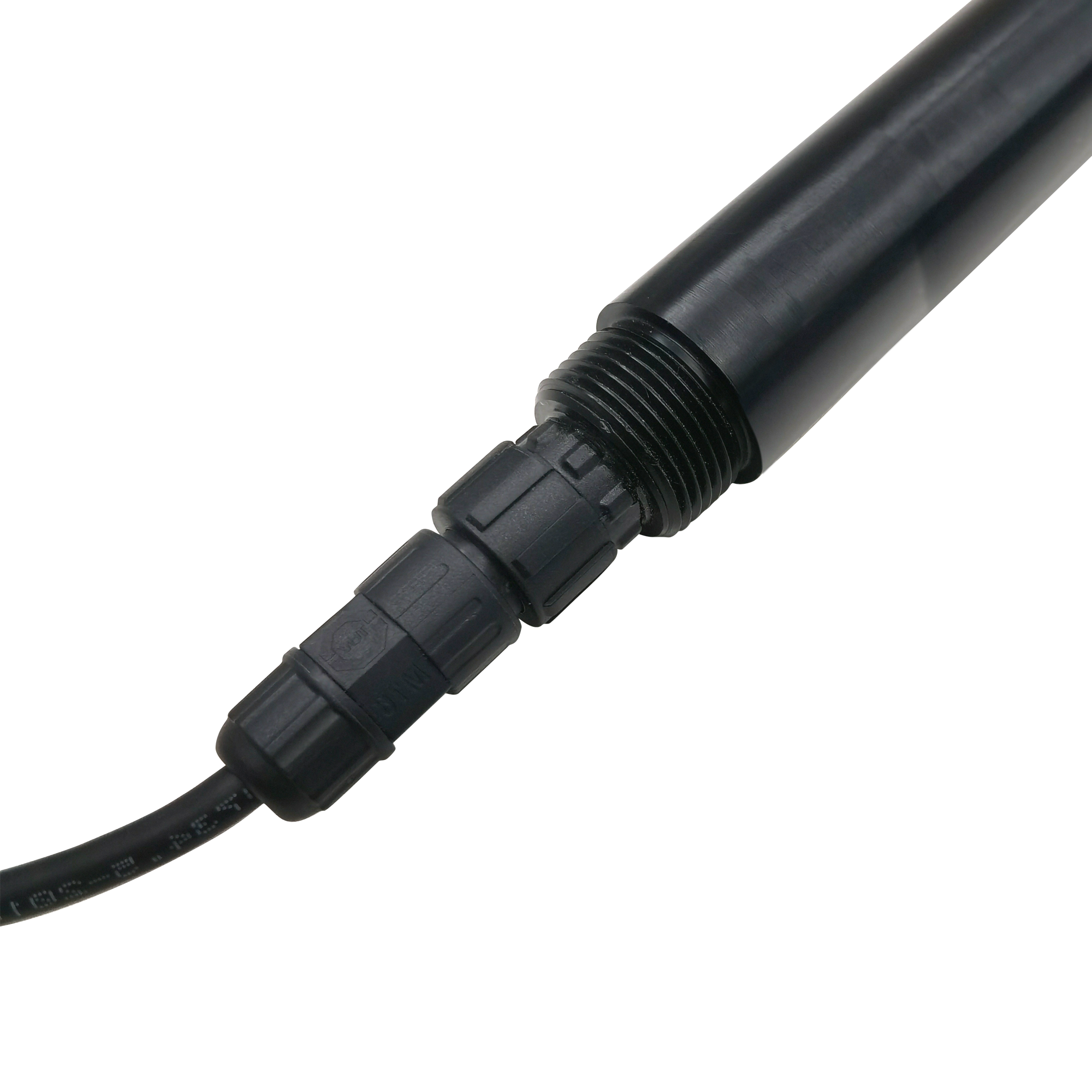

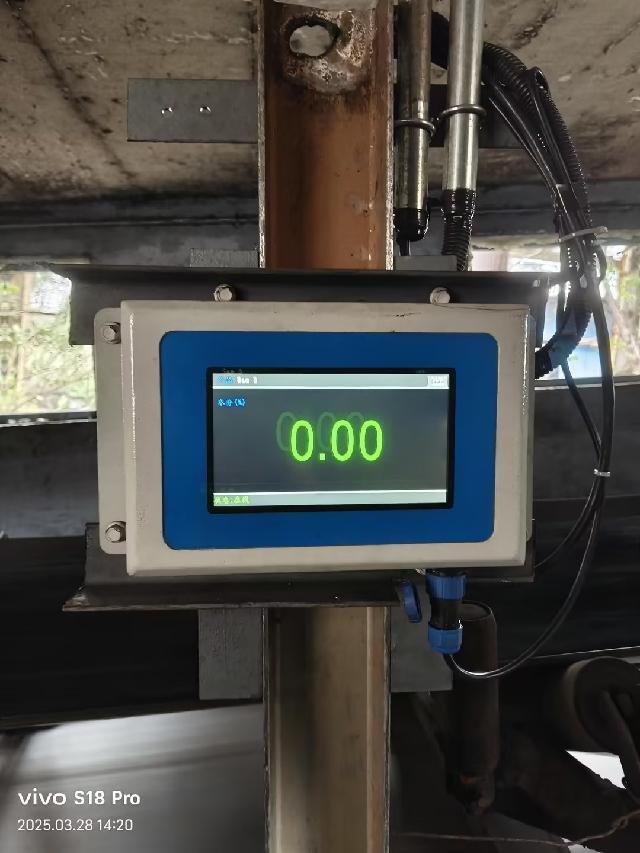
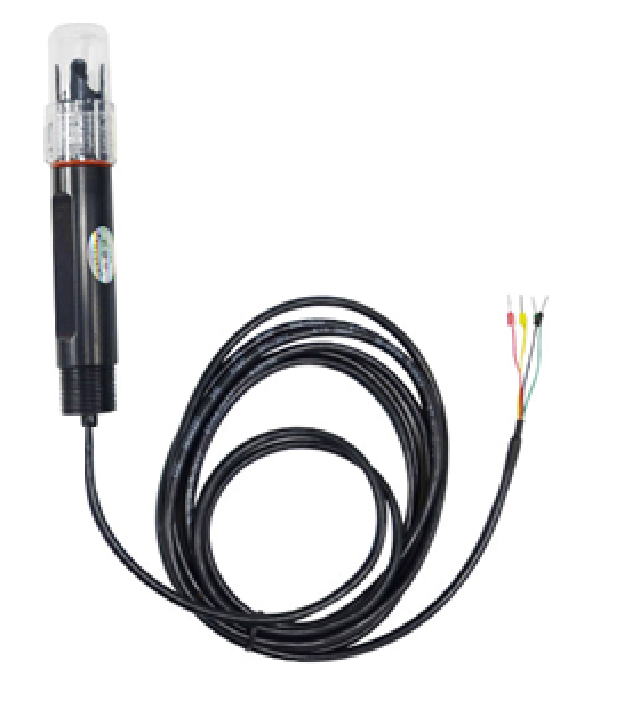
PH water quality sensor: the "water quality sentinel" for precise monitoring of water acidity and alkalinity - AMT/-PH300
Performance indicator details
Surface water environmental monitoring: used for real-time monitoring of
Water quality sensor: precise monitoring of water acidity and alkalinity
The measurement range of most pH water quality sensors is 0 to 14pH, covering the entire pH range. Some high-end industrial-grade products can extend the range to -4.00 to 18.00pH.
2. Measurement accuracy
Accuracy is the core indicator for measuring sensor quality. Products of different grades have different accuracy levels:
Industrial-grade digital sensor accuracy up to ±0.02pH
The accuracy of conventional online monitoring products is generally ±0.1pH
High-end models can achieve accuracy of ±0.01pH or even higher
Drinking water treatment field: real-time monitoring of raw water at water sources (reservoirs, rivers, etc.)
The performance of PH water quality sensors is mainly reflected in the following core technical parameters:
Product Introduction
PHcan completely prevent dust ingress and withstand prolonged immersion under certain pressure without damage.“water quality sentinel”
Water is the source of life, andpHvalue as the core indicator for measuring water acidity and alkalinity, directly affecting aquatic ecological balance, industrial production safety, and even human health. Today, with increasingly stringent environmental requirements and growing demand for water quality monitoring,PHWater quality sensors, with their high precision, intelligence, and ease of operation, have become an indispensable and important tool in the field of water quality monitoring.
) module, through
PHWater quality sensors mostly use electrochemical principles, commonly the glass electrode method. The sensor consists of a composite electrode formed by a glass indicator electrode and a reference electrode. When the sensor is immersed in the solution to be tested, theH⁺interacts with the electrode to generate a voltage signal, and the voltage magnitude is proportional toH⁺concentration is proportional, and by measuring the voltage signal, the correspondingpHvalue. The glass electrode membrane has selective response to hydrogen ions, generating a potential difference related to hydrogen ion activity across the membrane. Combined with the Nernst equation, the solution'spHvalue.
Power supply and consumption
PHWater quality sensors have extremely wide application fields, covering almost all scenarios involving water quality detection:
2. Wide application: covering all scenarios of water environmentpHShell material: commonly used
High-end models can achieve accuracy ofpHvalue, ensuring normal microbial metabolism.
The measurement range of water quality sensors ispHSewage treatment field: monitoring influent water quality of sewage plants, providing basis for neutralization adjustment; in biological treatment stages (activated sludge method, biofilm method, etc.) real-time monitoring of biochemical tankpHhigh precision,
value in aquaculture pondspHvalue, helping farmers adjust water quality in time to avoidpHProfessional supply of PH water quality sensor: the "water quality sentinel" for precise monitoring of water acidity and alkalinity, 1. Measurement range (range) The measurement range of PH water quality sensors is 0-14pH, covering the entire acidity and alkalinity range. PrimeIndu direct supply from source, quality guaranteed. Inquire now for discounts!
value in natural water bodies such as rivers, lakes, reservoirs, and coastal waters, providing basic water environment quality data for environmental protection departments.pH3. Resolution
abnormalities causing poor growth or even death of aquatic organisms such as fish and shrimp.
PHThe performance of water quality sensors is mainly reflected in the following core technical parameters:
1. Measurement range (span)
the vast majorityPH3. Resolution0~14pHTemperature sensor corrects measurement results in real time. Temperature compensation range is usually-4.00~18.00pH。
2. Measurement accuracy
Accuracy is the core indicator for measuring sensor quality. Products of different grades have different accuracy levels:
- Industrial-grade digital sensors can achieve accuracy of±0.02pH
- high-end products can reach±0.1pH
- value, ensuring effective operation of subsequent treatment processes; controlling chemical dosage in coagulation and sedimentation stage; testing whether finished water meets national drinking water sanitary standards.±0.01pHor even higher
3. 分辨率
Mainstream products all have a resolution of0.01pHcapable of precisely capturing tinypHvalue changes. High-end sensor resolution can reach0.001pH。
4. Temperature compensation function
pHvalue measurement is significantly affected by temperature, so temperature compensation is a key function of the sensor. Excellent products have built-in automatic temperature compensation (ATChour drift can be controlled withinPT1000orNTCWith excellent performance such as intelligent communication, it plays an irreplaceable role in drinking water safety, sewage treatment, industrial process control, aquaculture, environmental monitoring and other fields. With the development of IoT and intelligent manufacturing technology,0~99.9℃some products can reach-15~100℃Some advanced models also support three optional temperature compensation modes: automatic, manual, and fixed-point.
5. Response time
Response speed reflects the real-time performance of the sensor. The response time of conventional products is180within seconds, while usingISFETThe response time of sensors with advanced technologies can be shortened to3within seconds.
6. Working temperature and pressure
- Working temperature: conventional products are0~65℃Aquaculture field: real-time monitoring of-15~100℃or higher
- Working pressure: usually <0.2MPaThe accuracy of conventional online monitoring products is generally0.3MPaor above
7. value, ensuring safe boiler operation and thermal efficiency; in electroplating, printing and dyeing, pharmaceutical, chemical and other processes, achieving process control.
Stability reflects the long-term reliability of the sensor. Excellent products24stability (drift)≤0.01pHCurrent output: compatible with traditional industrial control systems≤0.03pH/24h。
8. 防护等级
value, preventing equipment corrosion and scaling; controlling boiler feed waterIP68Water quality sensors support multiple signal output methods:
9. Signal output and communication
ModernPH) material, with better wear resistance
- RS-485(Modbus/RTUprotocol): convenient for system integration and remote data transmission
- 4~20mA1. Measurement range (range)
- TTLSerial output: suitable for embedded development
10. some industrial-grade products can reach
Flexible power supply methods, supportingDC 12~24Vwide voltage input, extremely low power consumption (e.g.0.2W@12V)。
11. Electrode life and material
- service life: conventional products1~3years, and industrial-grade electrodes with double salt bridge design can extend service life to20months or more
- covering the entire acidity and alkalinity range. Some high-end industrial products can extend the range toPOM(polyoxymethylene) and316LStainless steel, with strong corrosion resistance; some use polyetheretherketone (PEEKIndustrial water field: monitoring circulating cooling water
Conclusion
PHWater quality sensors, as the“sentinel”with0~14pHfull range coverage of±0.02pHFor underwater working environments, mainstream products have protection ratings reachingIP68top-level protection ofRS485high-end models have stabilityPHWater quality sensors are evolving towards higher precision, stronger intelligence, and more convenient integration, contributing to the health of every drop of water.
Main Application Areas
- Wastewater Treatment — Monitoring pH levels in influent and effluent to ensure compliance with environmental regulations and optimize treatment processes.
- Aquaculture — Maintaining optimal pH in fish tanks and ponds to promote healthy aquatic life and prevent stress or disease.
- Chemical Processing — Controlling pH in chemical reactions to ensure product quality and safety, and to prevent corrosion of equipment.
- Food and Beverage Production — Ensuring pH levels in food products meet quality standards and safety regulations during processing.
Keywords:pH sensor, water quality sensor, pH probe, industrial pH sensor, online pH meter, pH electrode, water treatment sensor, pH analyzer