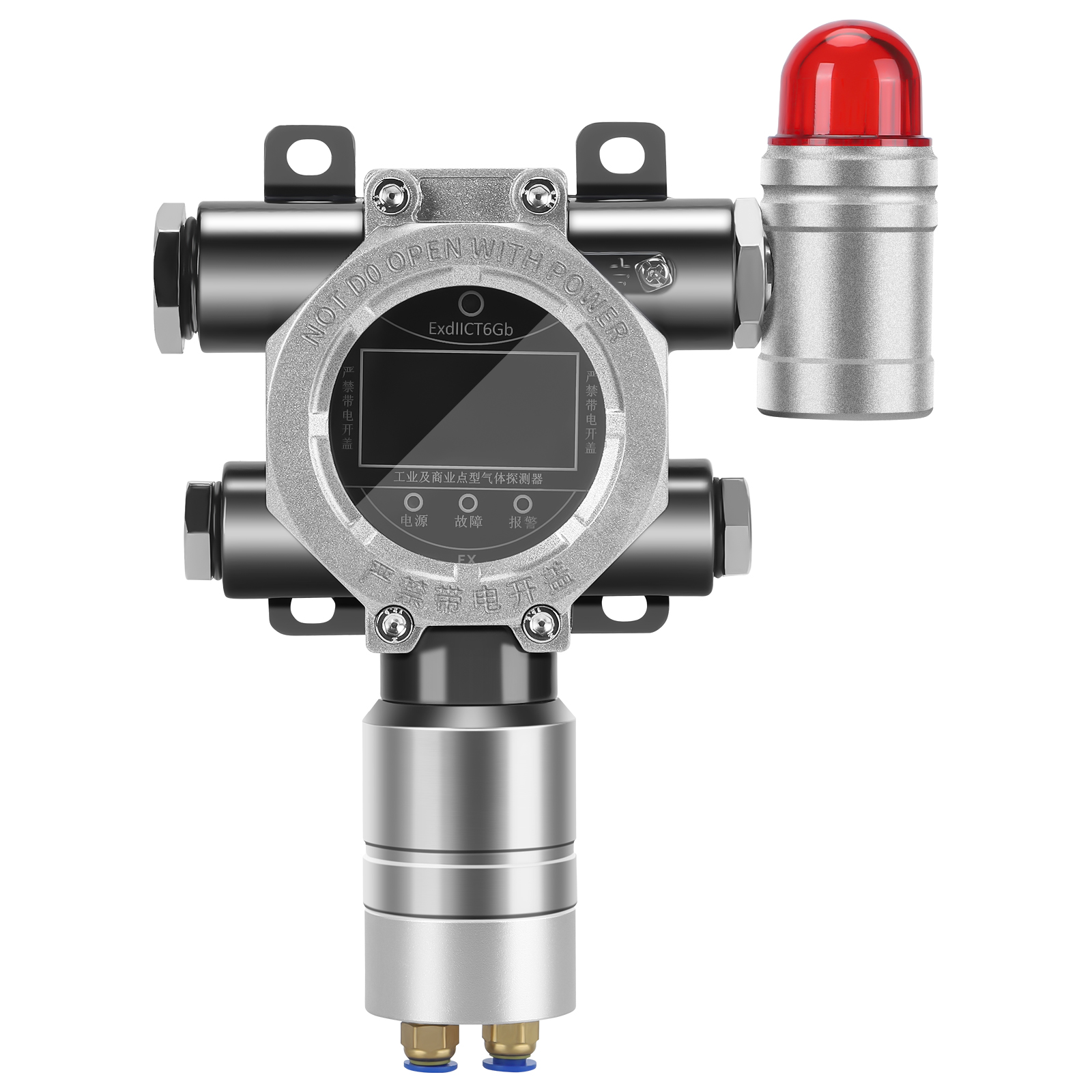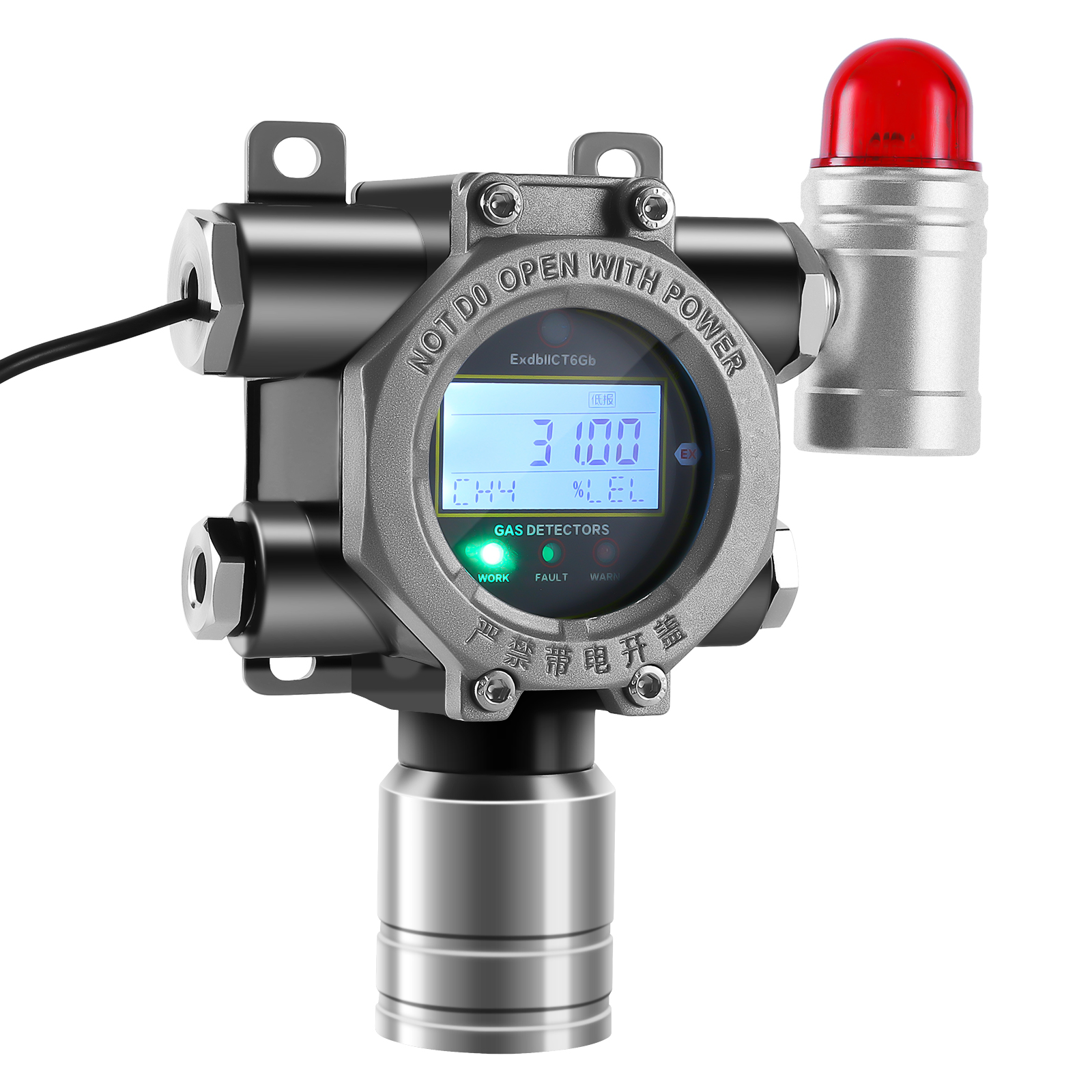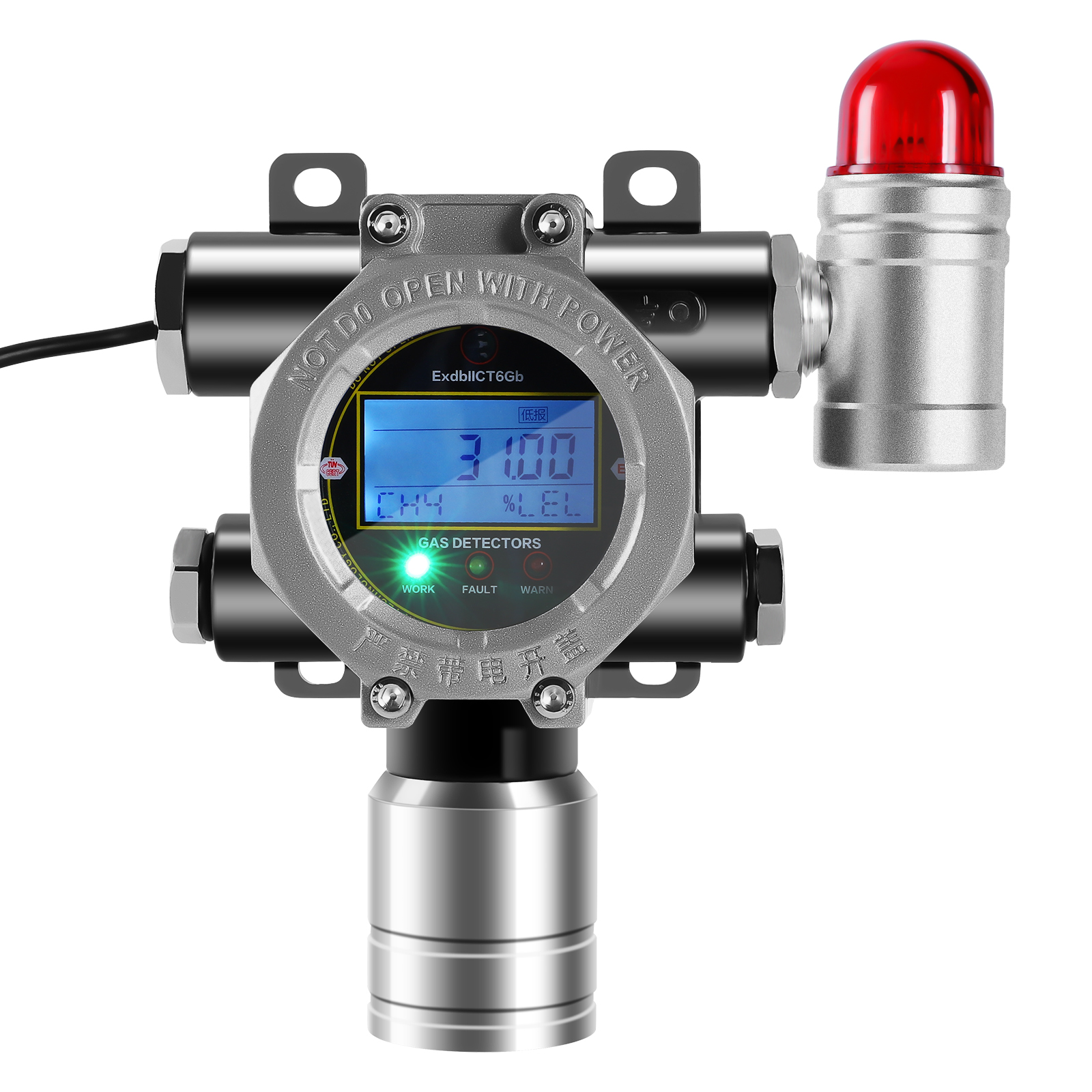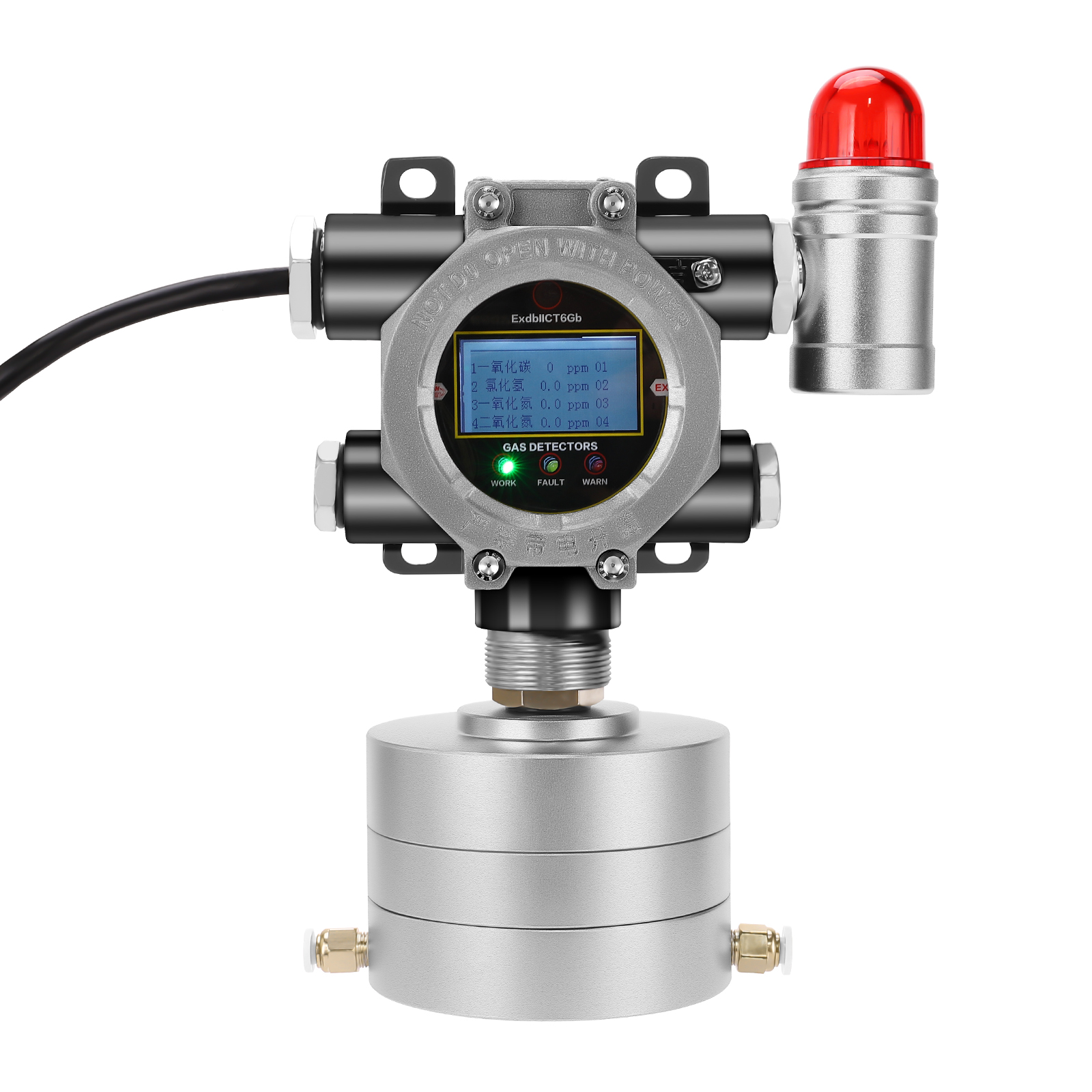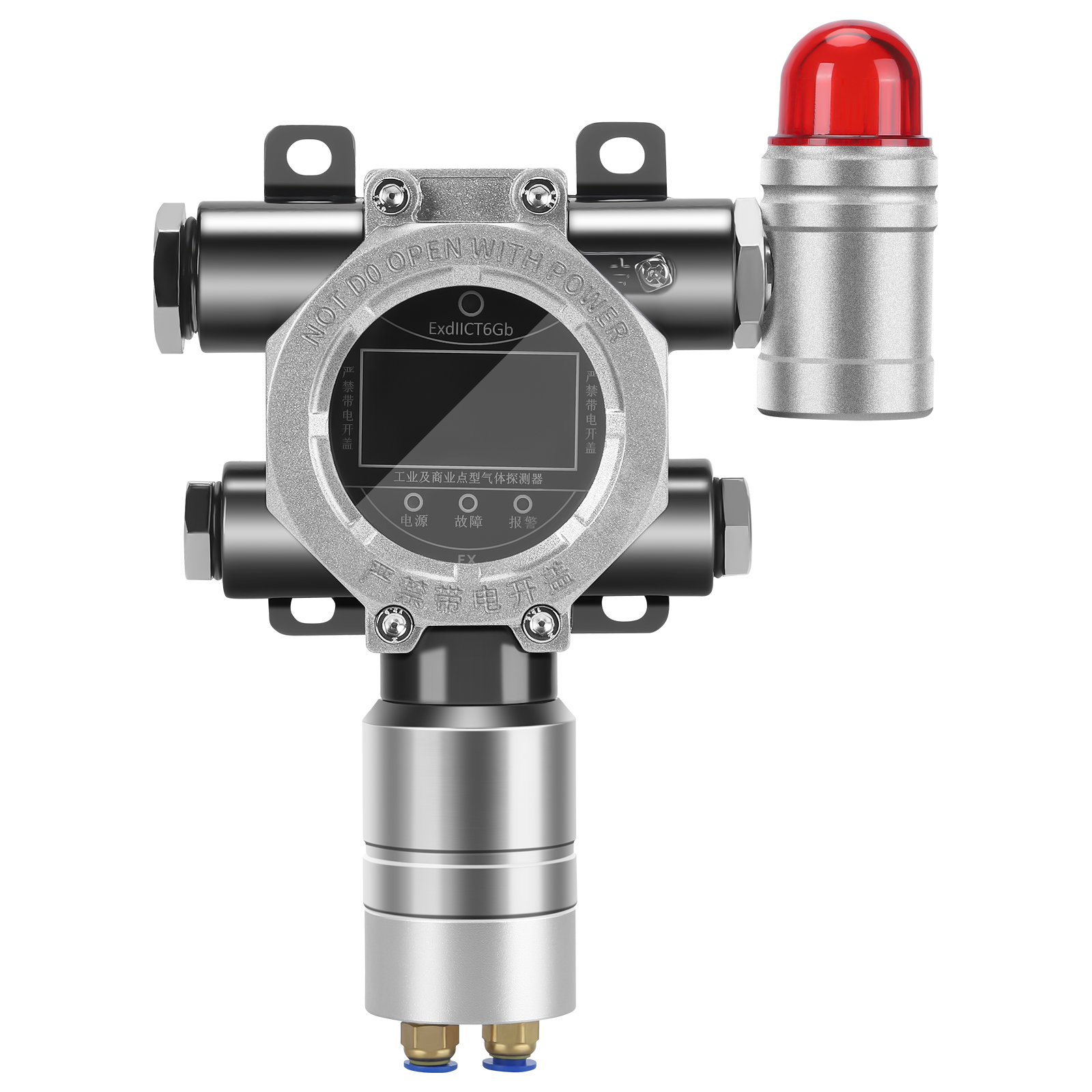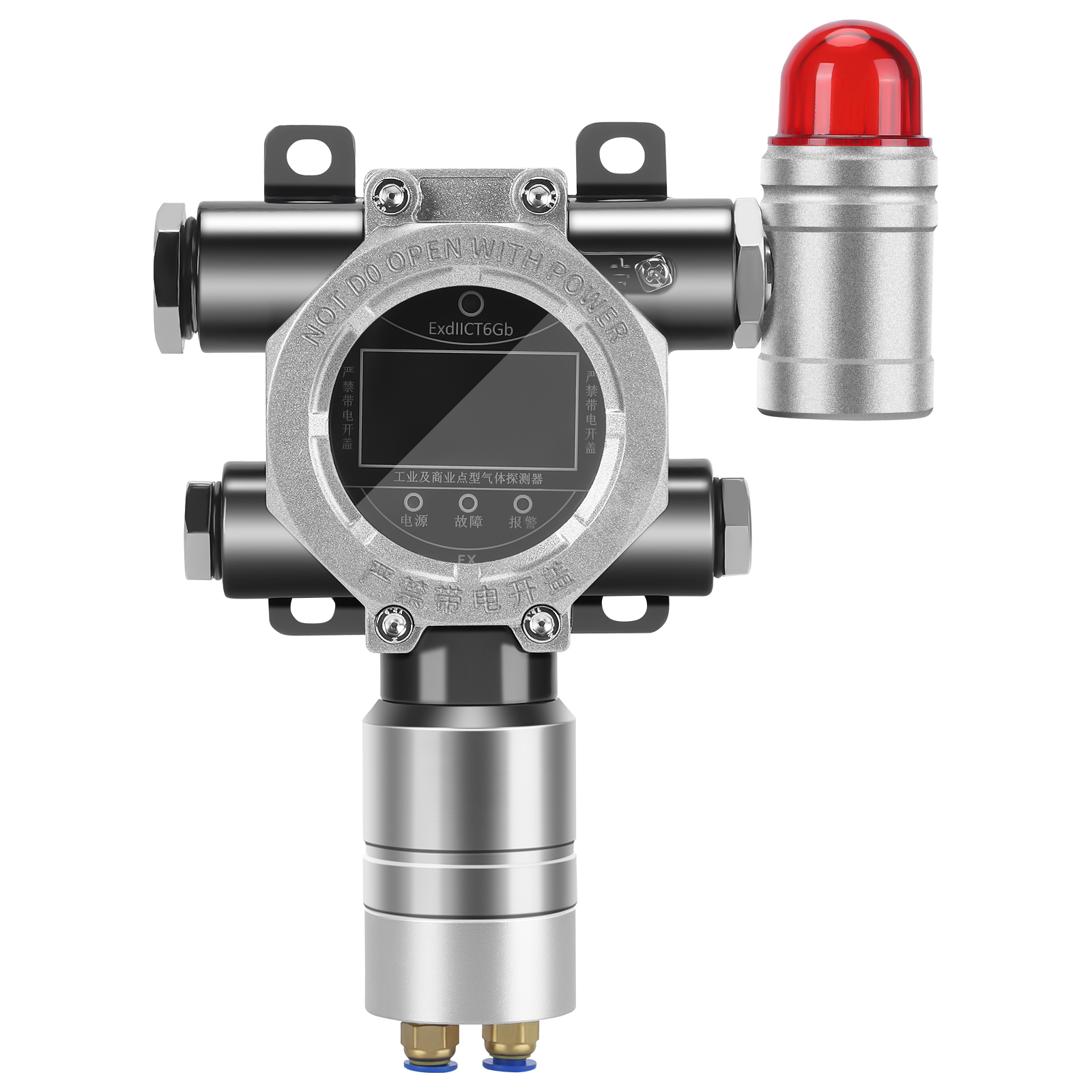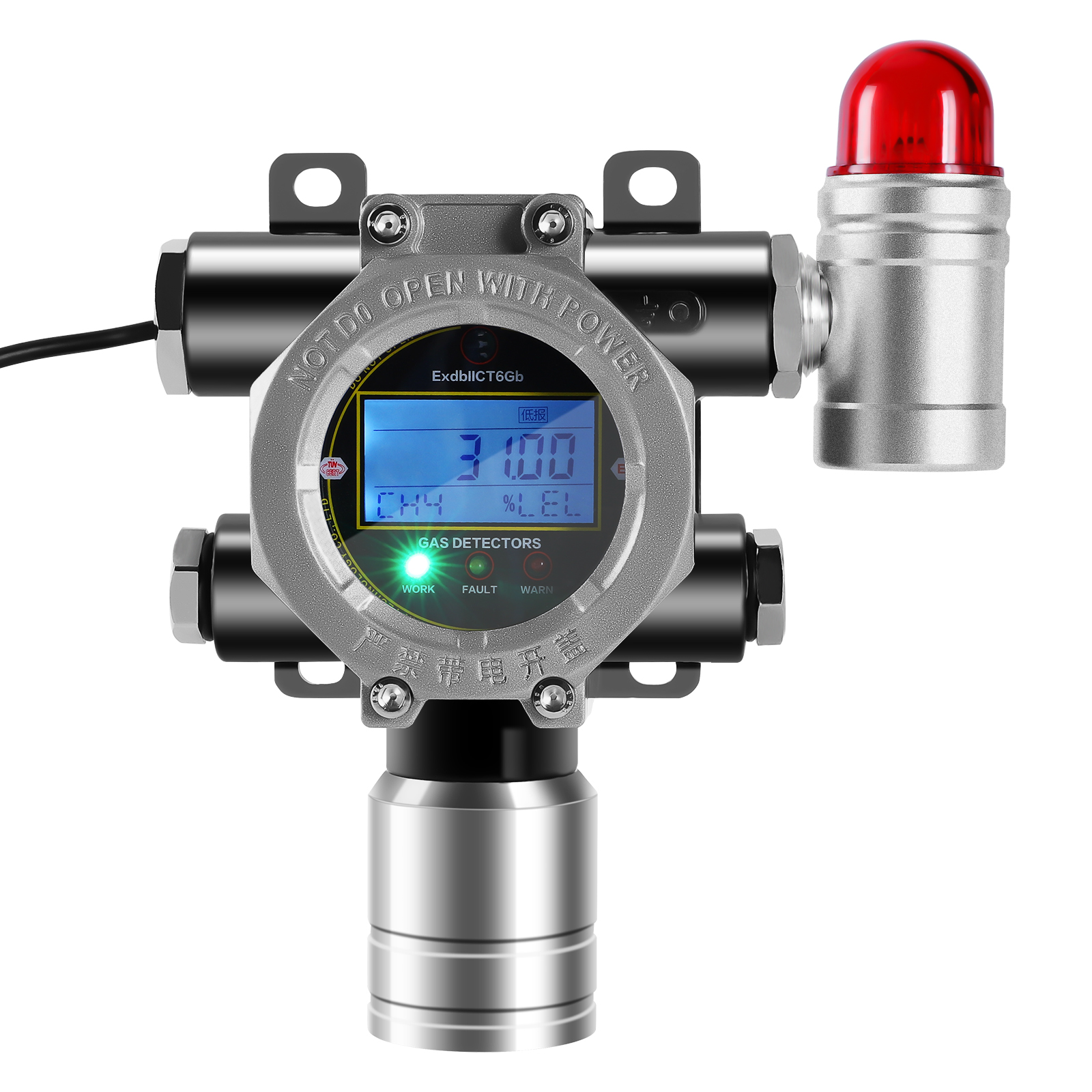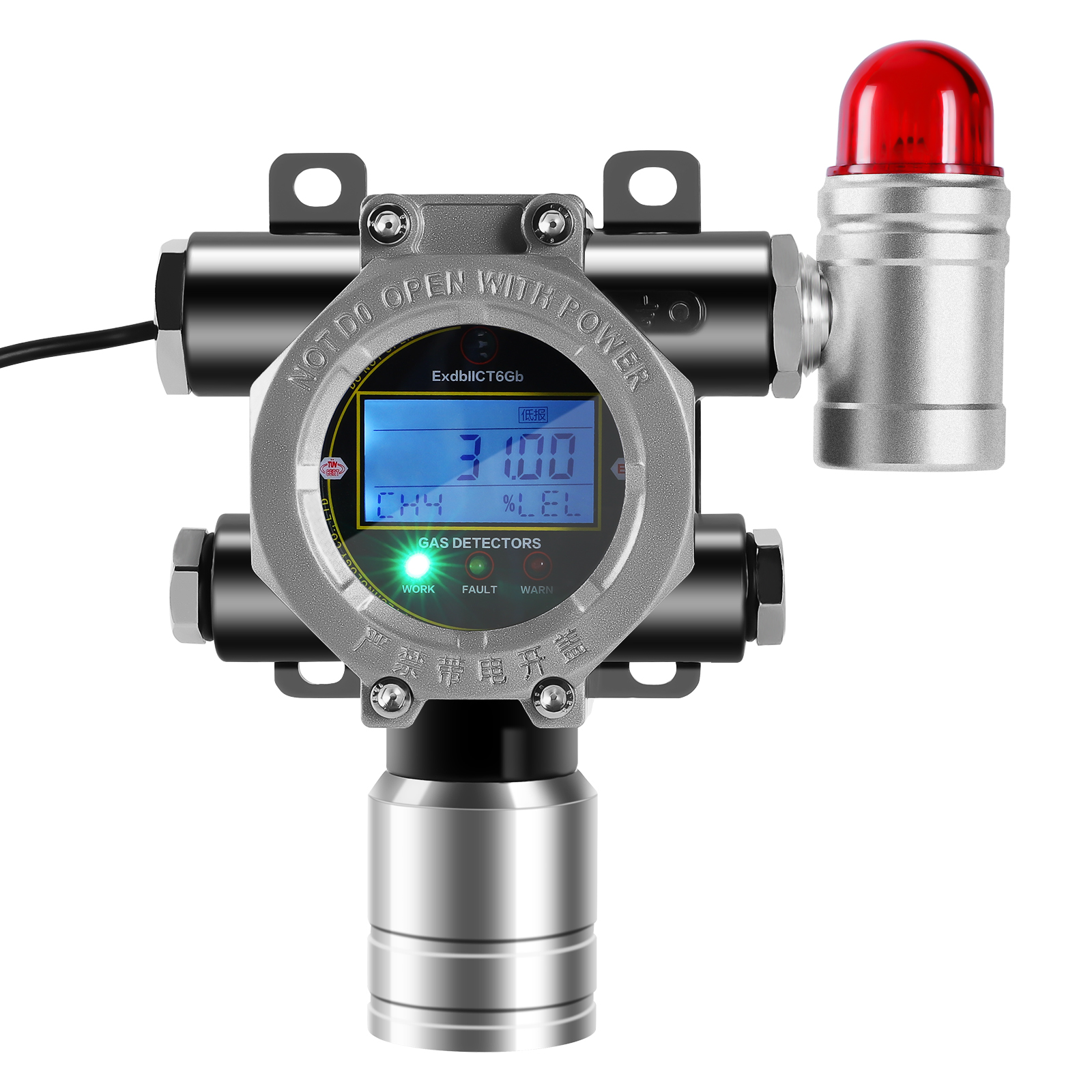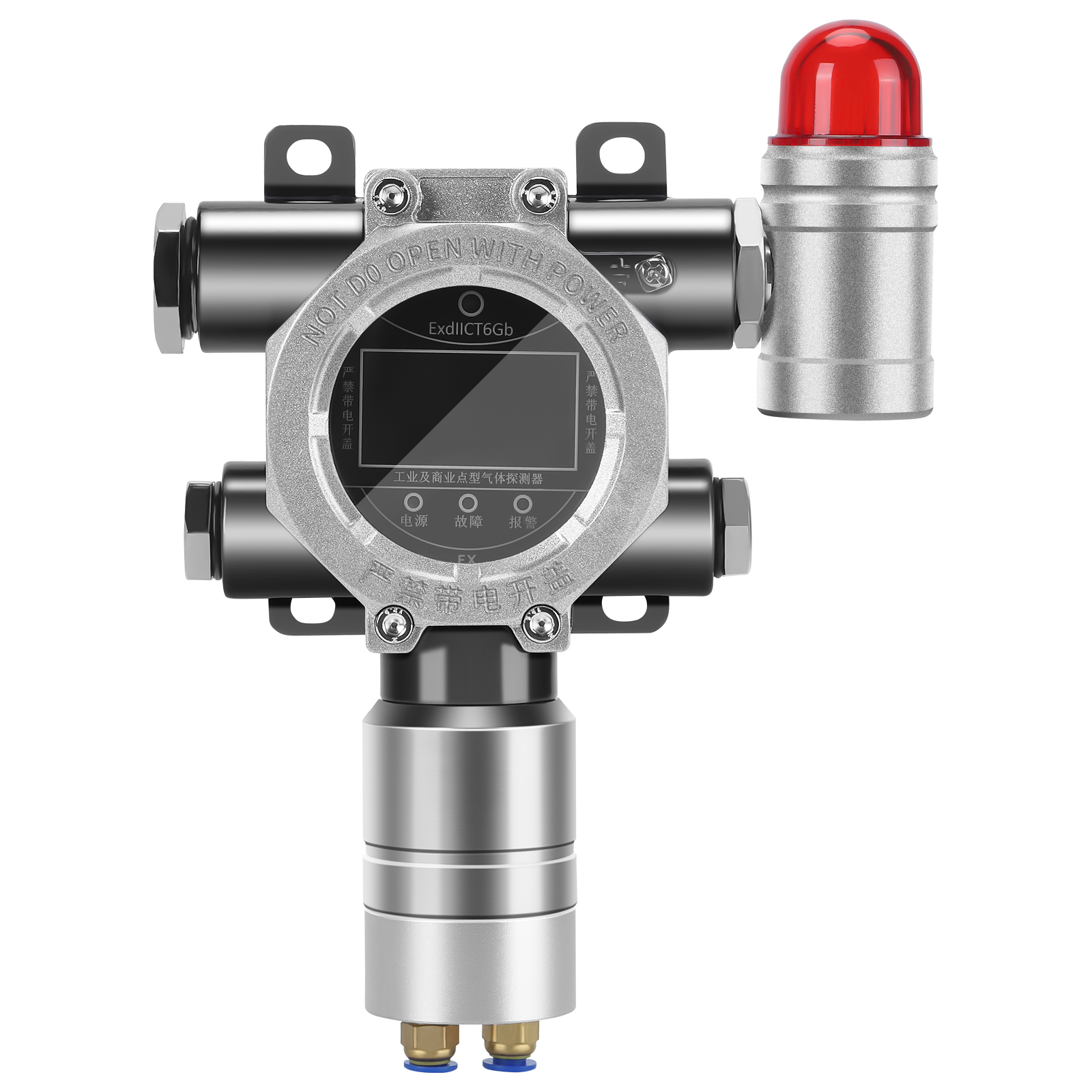
Point-Type Methane Alarm for Safety Monitoring in Petrochemical Plant Areas - SKA/CH4-BJQ
• Measuring range: 0~100%LEL
• Accuracy: ±3%FS
• Resolution: 0.1%LEL
• Output signal: 4~20mA, RS485 Modbus, relay alarm output
• Power supply: DC24V
• Medium temperature: -20℃~50℃
• Working pressure: 80~120kPa
• Protection rating: IP66
• Explosion-proof rating: Ex d IIC T6 Gb
• Response time: ≤30s
• Alarm setpoint: 25%LEL (adjustable)
• Installation method: wall-mounted
• Warranty: 1 year
Product Introduction
Point-Type Methane Alarm for Safety Monitoring in Petrochemical Plant Areas - Product Overview
The point-type methane alarm is a fixed gas detection device used for safety monitoring in petrochemical plant areas. Search keywords: point-type methane alarm, safety monitoring in petrochemical plant areas, methane alarm. This alarm can continuously detect methane concentration in the plant area. When the concentration exceeds the set threshold, it emits audible and visual alarms and outputs switch quantity signals to interlock with exhaust or shut-off devices. In safety monitoring of petrochemical plant areas, the point-type methane alarm can reflect on-site gas risks in real time, helping operators respond promptly and preventing explosion and fire accidents.
Point-Type Methane Alarm for Safety Monitoring in Petrochemical Plant Areas - Working Principle
Point-type methane alarms usually use catalytic combustion sensors or infrared sensors to calculate gas concentration by detecting the electrical signal generated by methane on the sensor. In safety monitoring of petrochemical plant areas, point-type methane alarms convert detection signals into 4-20mA, RS485, or Modbus outputs, which can be connected to PLC, DCS, and gas alarm control systems. The alarm has zero calibration and span calibration functions, with protection ratings up to IP65 or IP66, making it suitable for outdoor and explosion-proof environments in petrochemical plant areas.
Point-Type Methane Alarm for Safety Monitoring in Petrochemical Plant Areas - Application Scenarios
Point-type methane alarms are widely used in petrochemical, coal chemical, refining, and natural gas processing plant areas. In safety monitoring of petrochemical plant areas, point-type methane alarms can be installed near reactors, heating furnaces, heat exchangers, and compressors, as well as along personnel inspection routes. The alarms can be interlocked with exhaust fans, shut-off valves, and fire protection systems to achieve automatic handling. For large plant areas, point-type methane alarms can form a multi-point monitoring network and upload data uniformly to the control room.
Point-Type Methane Alarm for Safety Monitoring in Petrochemical Plant Areas - Technical Advantages
Point-type methane alarms have advantages such as fast response, good stability, and strong anti-interference capability. In safety monitoring of petrochemical plant areas, point-type methane alarms use industrial-grade sensors and explosion-proof housings, making them suitable for flammable and explosive environments. The alarm supports audible and visual alarms, remote output, and fault self-diagnosis, and is easy to maintain. When selecting a point-type methane alarm, attention should be paid to detection range, accuracy, response time, explosion-proof rating, and output signal to ensure it meets the needs of safety monitoring in petrochemical plant areas.
Main Application Areas
- Petrochemical Plant Safety Monitoring — Continuous methane detection in process areas to prevent explosions and fires, with alarm linkage to ventilation or emergency shutdown.
- Oil Refinery Gas Leak Detection — Real-time monitoring of methane leaks in refinery units, ensuring early warning and safe operation.
- Natural Gas Storage Facilities — Fixed methane monitoring in storage tank areas and compressor stations to detect leaks and trigger alarms.
- Chemical Production Workshops — Methane concentration monitoring in chemical synthesis processes to maintain safe working conditions.
- Wastewater Treatment Plants — Detection of methane generated in anaerobic digestion and sludge treatment areas to prevent accumulation hazards.
Keywords:point-type methane alarm, methane detector, gas transmitter, LEL monitor, petrochemical safety, fixed gas detector, CH4 alarm, explosion-proof gas detector