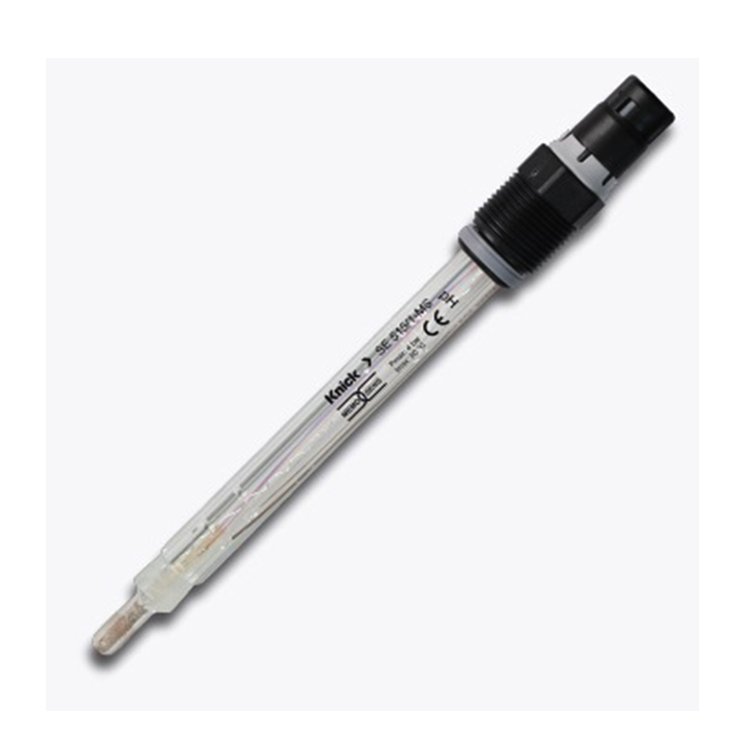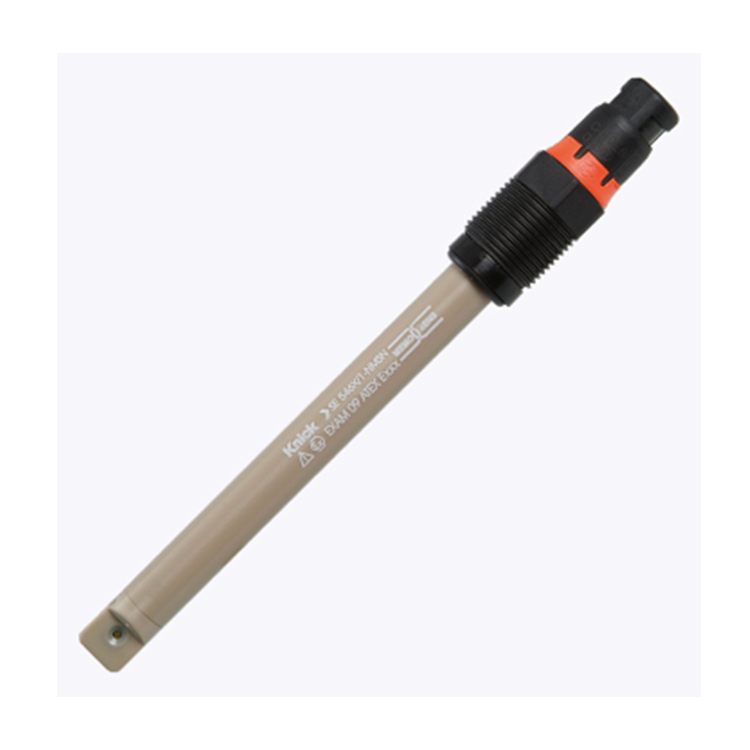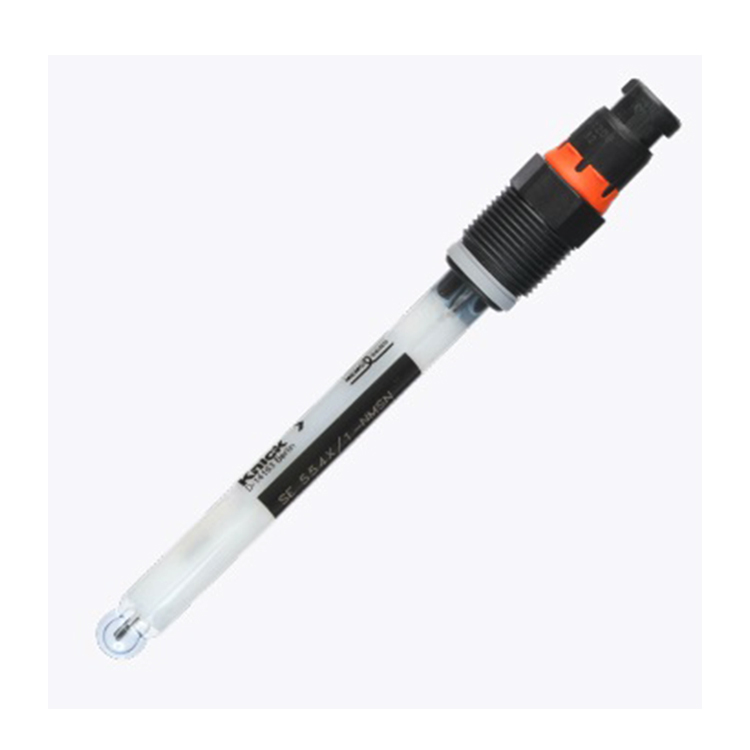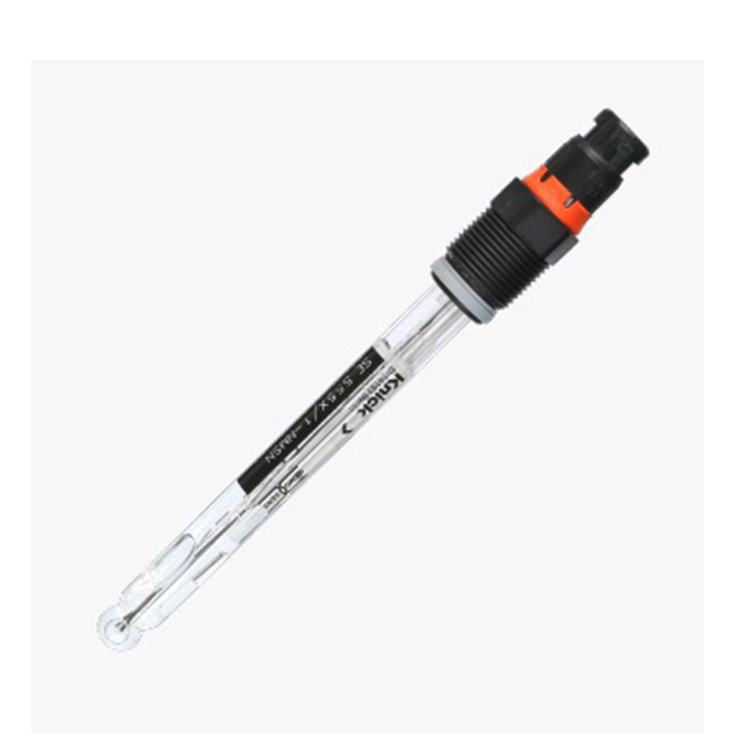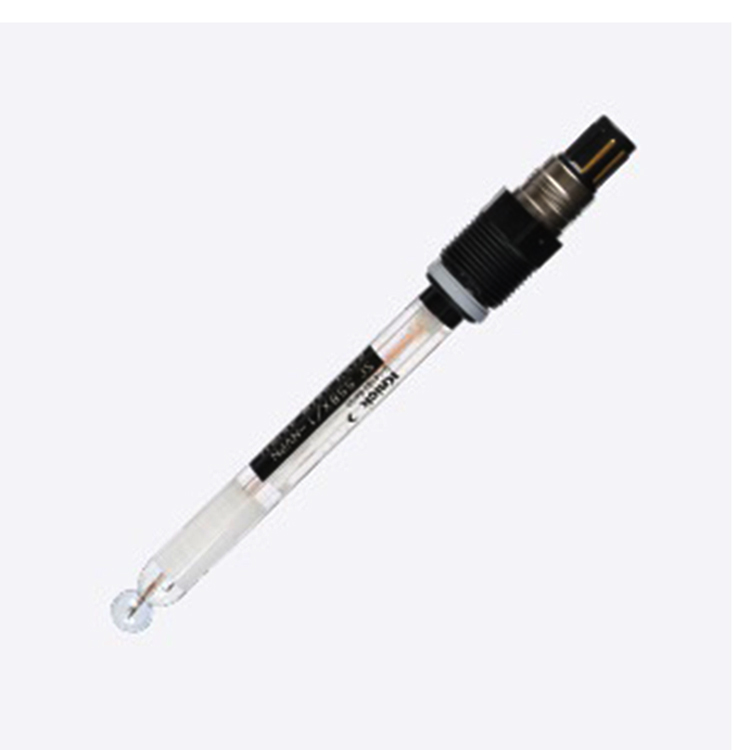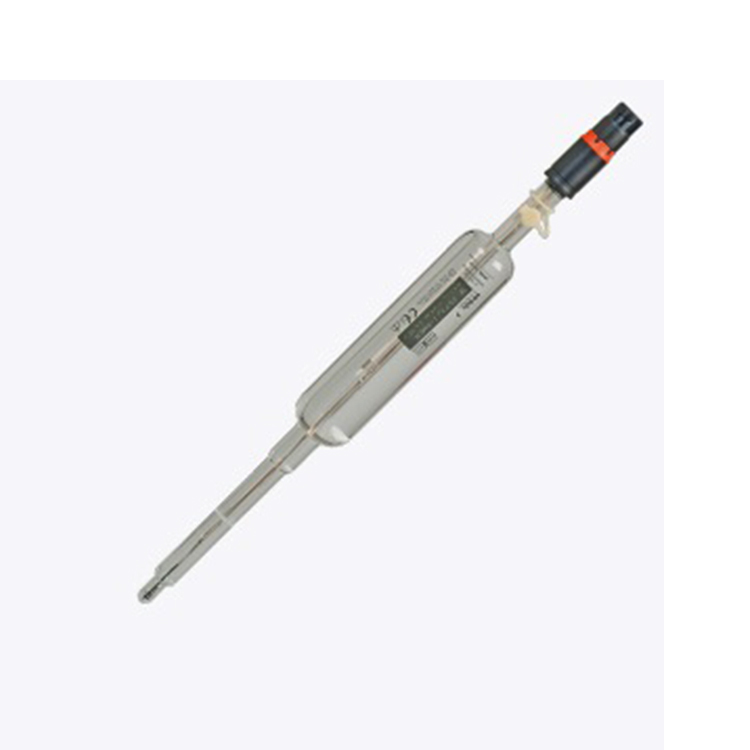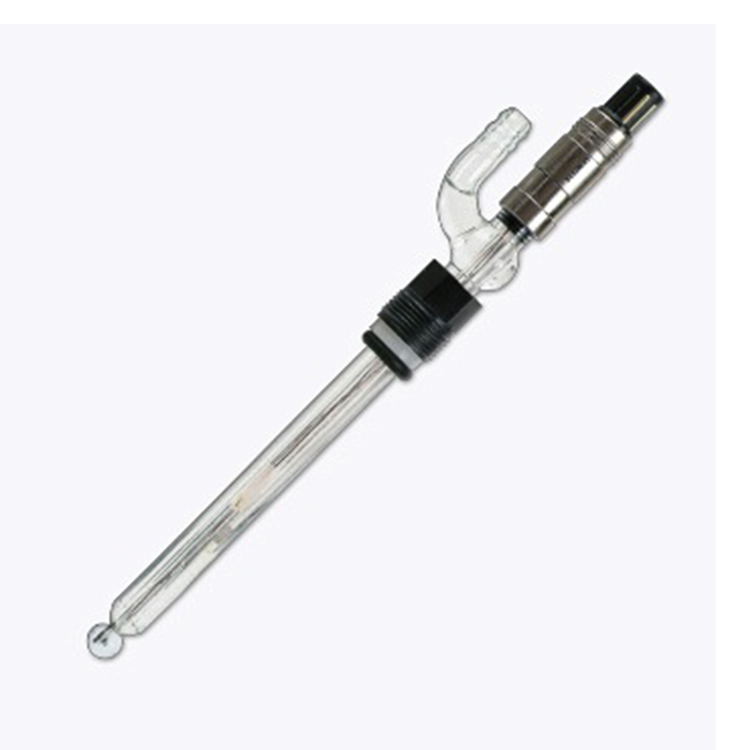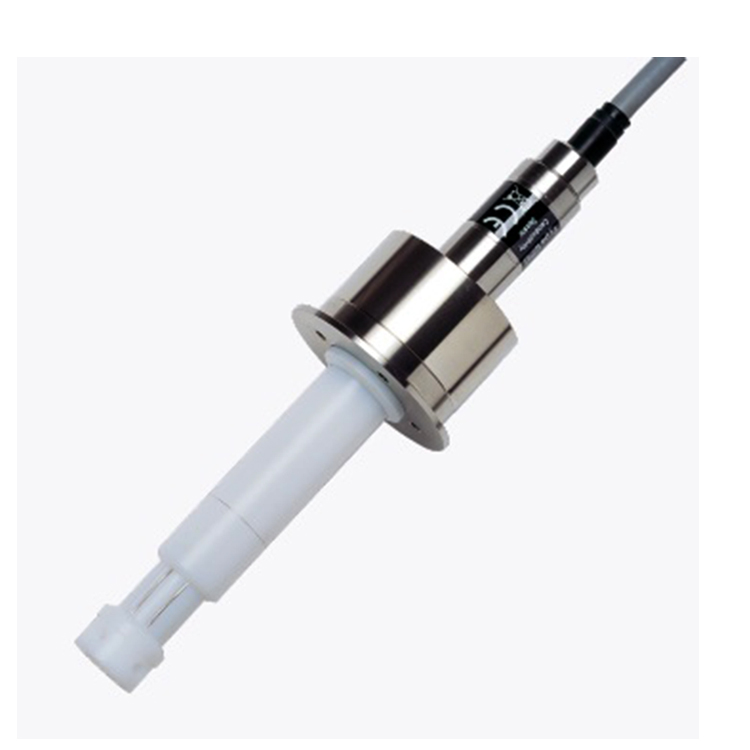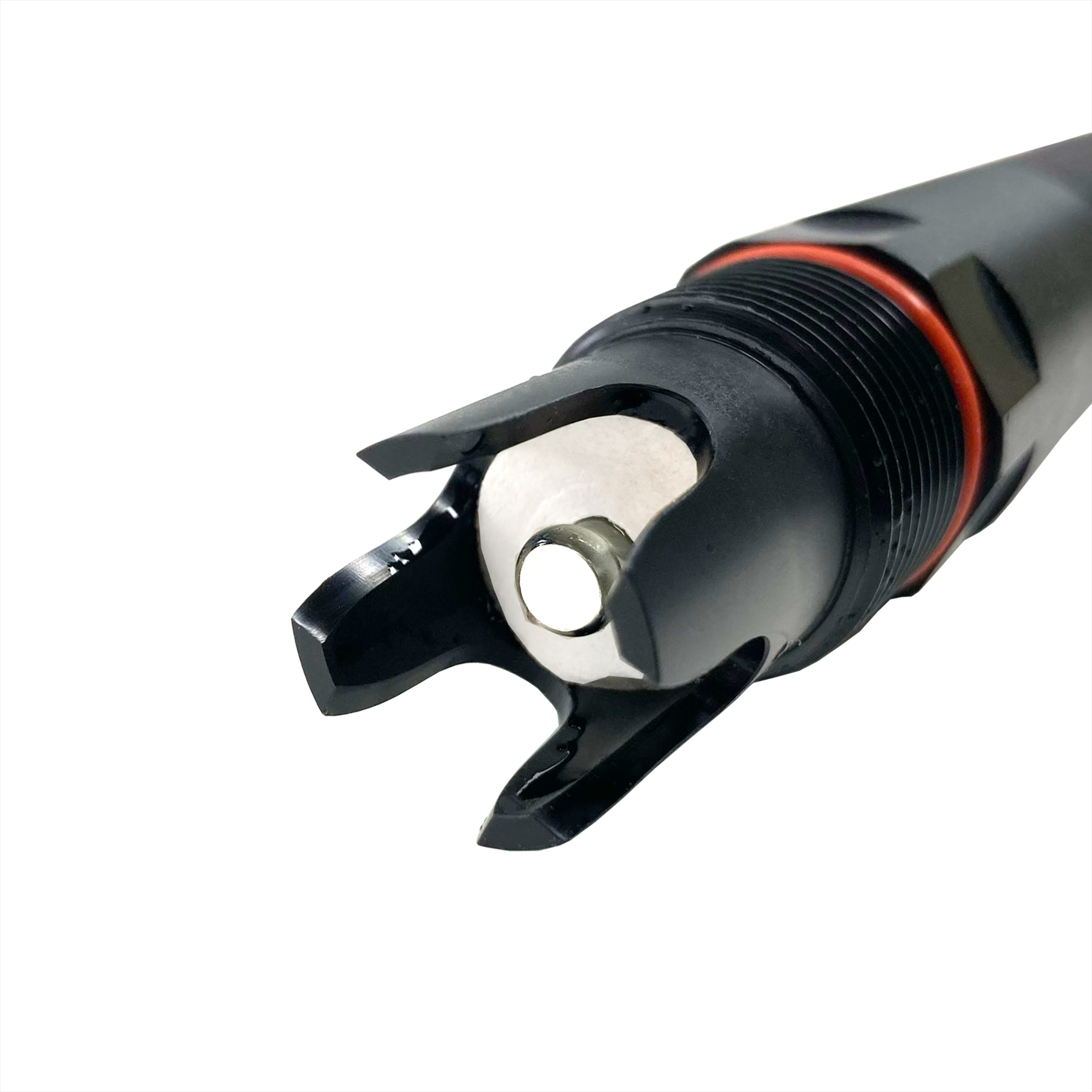
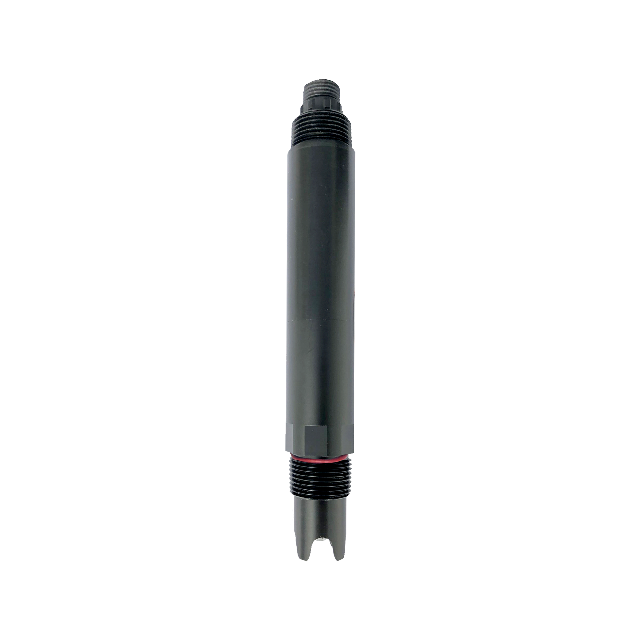
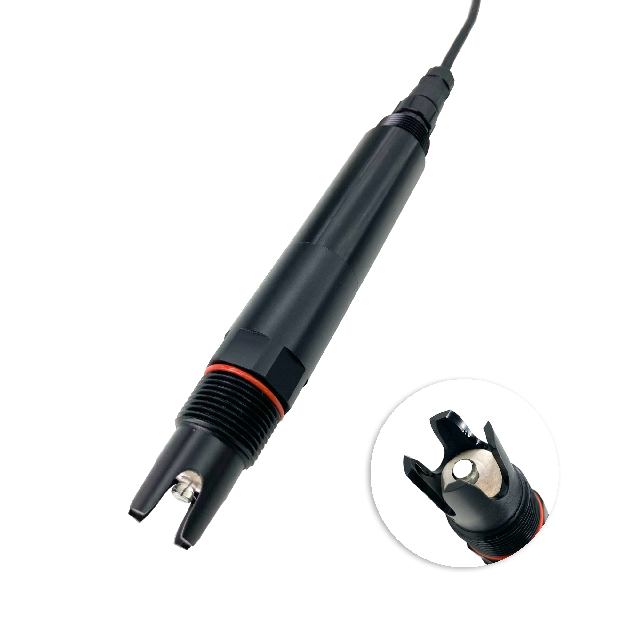
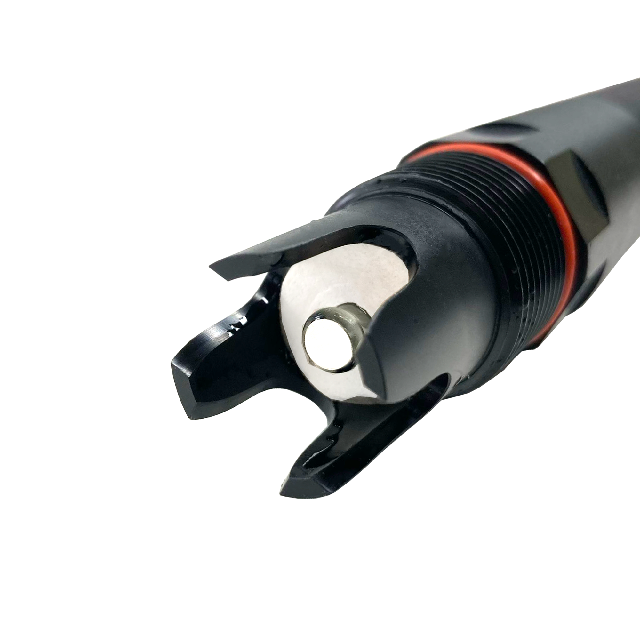
Water quality ORP sensor - AMT/-ORP300
Model: AMT-ORP300
Measurement principle: Platinum/glass electrode method
Measuring range: -1500 to +1500 mV
Measurement accuracy: 1 mV
Resolution: +6 mV
Operating temperature: 0-65°C
Operating pressure: <0.1 MPa
Power supply: 12-24 V DC
Product Introduction
Water quality ORP sensors are used to measure the oxidation-reduction potential (ORP) of water bodies, a key indicator for assessing the oxidizing or reducing strength of water. The following is a detailed introduction to its performance.
### ⚙️ Working Principle and Core Components
ORP sensors work based on electrochemical principles. The core consists of a **working electrode** (usually made of inert noble metals such as platinum or gold) and a **reference electrode** (such as Ag/AgCl, providing a stable reference potential).
When the sensor is immersed in water, the working electrode undergoes electron transfer with oxidants or reductants in the water, generating a potential difference. This potential difference (i.e., ORP value, in mV) is measured through a high-impedance input circuit.
In simple terms, the higher the ORP value, **the stronger the oxidizing property of the water** (e.g., water containing chlorine disinfectants); the lower it is, **the stronger the reducing property**. This principle is also known as potentiometric analysis.
### 📊 Key Performance Indicators
To evaluate ORP sensor performance, focus on the following core indicators:
| Performance Indicator | Typical Value/Range | Description |
| :--- | :--- | :--- |
| **Measuring range** | -2000 mV ~ +2000 mV | Covers most water quality monitoring scenarios, from strongly reducing to strongly oxidizing environments. |
| **Resolution** | 0.1 mV ~ 1 mV | Determines the fineness of the reading; the smaller the value, the stronger the ability to perceive subtle changes. |
| **Measurement accuracy** | ±0.5 mV ~ ±20 mV | Indicates the closeness of the measured value to the true value, a core indicator. High-precision models can reach ±0.5 mV. |
| **Response time (T90)** | ≤ 3 seconds ~ ≤ 180 seconds | Refers to the time required for the sensor to reach 90% of the final stable reading. The faster the response, the better it captures instantaneous changes in water quality. |
| **Stability** | ≤ ±1 mV/24h, etc. | Measures the sensor's ability to maintain consistent readings over time, a guarantee of data reliability. |
### 🌟 Advanced Features and Characteristics
Modern ORP sensors integrate multiple advanced features, enhancing performance and usability:
* **Intelligent signal output**: Supports **RS485 digital signal** (following ModBus-RTU protocol) and **4-20 mA analog signal** output. Digital signals have strong anti-interference capability, facilitating remote transmission and system integration.
* **Automatic Temperature Compensation (ATC)**: ORP values are affected by temperature. Built-in temperature sensors and compensation algorithms automatically correct errors caused by temperature changes, ensuring data accuracy.
* **High protection rating**: Many products achieve **IP68** protection rating, allowing long-term direct immersion in water for operation, suitable for various harsh environments.
* **Durable materials**: The electrode often uses **platinum ring** or **high-purity platinum**; the housing uses corrosion-resistant materials such as **316L stainless steel** and **ABS engineering plastic**, suitable for harsh environments like industrial wastewater.
* **Convenient maintenance**: Some electrodes adopt a **gel-filled design**, eliminating the need for frequent electrolyte refills, offering longer lifespan and lower maintenance costs.
### 🌍 Main Application Areas
ORP sensors are widely used in various scenarios that require monitoring the redox state of water bodies:
* **Water treatment**: Optimization and control of municipal sewage and industrial wastewater treatment processes.
* **Drinking water safety**: Monitoring disinfection effects in water treatment plants to ensure water supply safety.
* **Environmental monitoring**: Water quality assessment of surface water, rivers, and lakes.
* **Industrial process control**: Production water and process control in industries such as pharmaceuticals, chemicals, food, and electroplating.
* **Aquaculture and agriculture**: Monitoring water quality in aquaculture ponds and agricultural irrigation water to ensure biological health.
Main Application Areas
- Water Treatment — Monitoring oxidation-reduction potential in municipal and industrial water treatment processes to ensure effective disinfection and water quality.
- Environmental Monitoring — Assessing the redox state of natural water bodies such as rivers, lakes, and groundwater for pollution control and ecological studies.
- Industrial Process Control — Controlling ORP levels in chemical, pharmaceutical, and food processing industries to optimize reactions and ensure product quality.
- Aquaculture — Maintaining optimal water conditions in fish farms and aquaculture systems by monitoring ORP to prevent disease and promote healthy growth.
Keywords:ORP sensor, water quality ORP sensor, AMT-ORP300, industrial ORP sensor, ORP probe, oxidation reduction potential sensor, online ORP sensor, ORP transmitter