

Product introduction
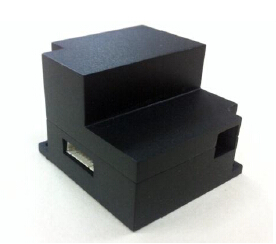
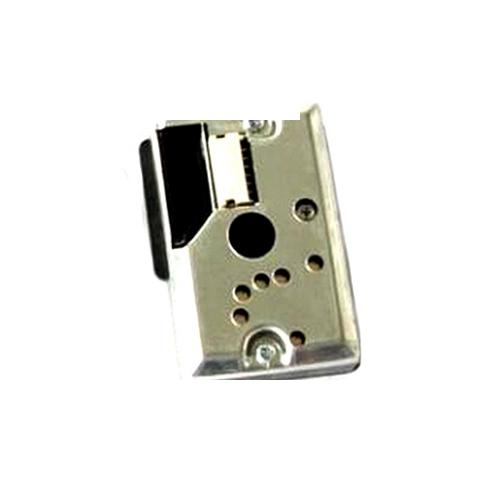
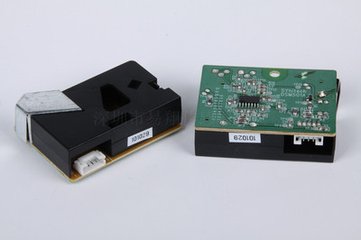
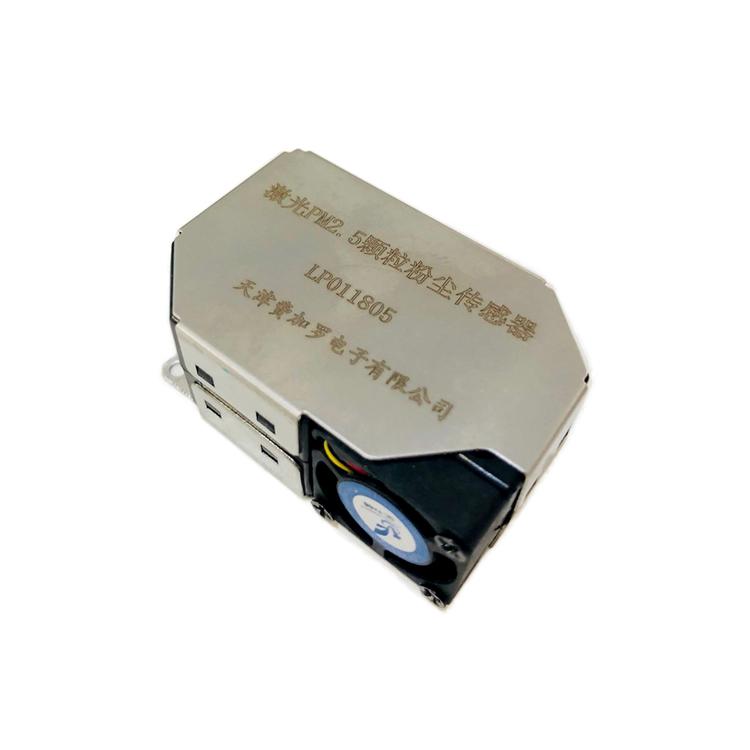
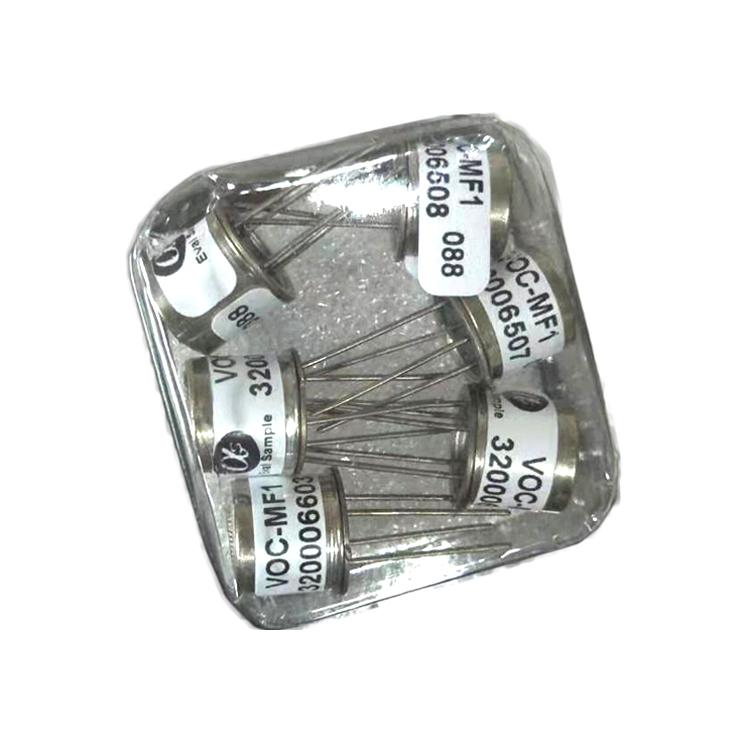
I. P-type semiconductorVOC sensorIntroduction to VOC-MF1, VOC-PF1, VOC-AF1:
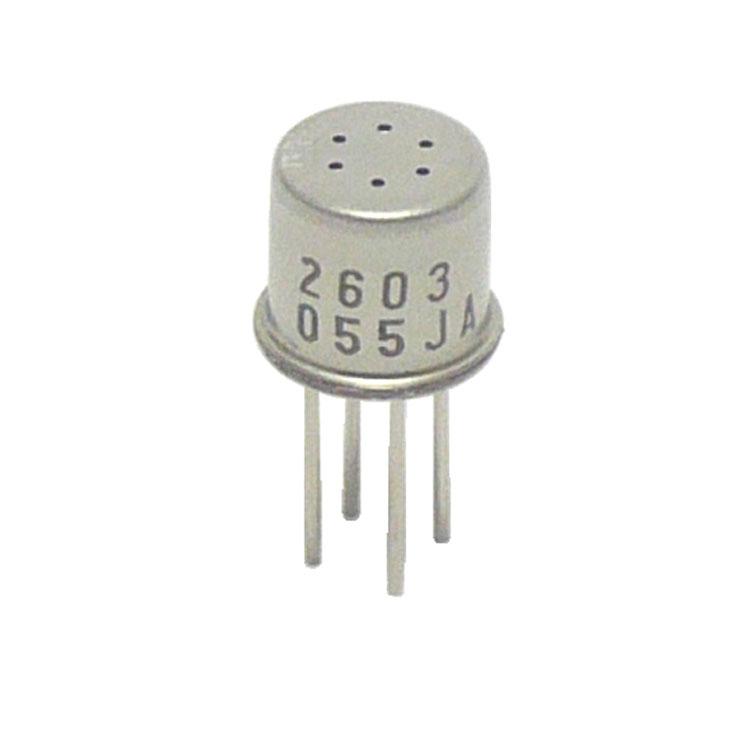
VOC sensorVOC-MF1, VOC-PF1, VOC-AF1 are broadband Total VOC detectors. When considering the cost issue of PID, this VOC gas sensor can be used to detect 10~50ppb of VOC, depending on the type of VOC, such as formaldehyde, toluene, and other VOC gases. Unlike common n-type sensors, this metal oxide sensor has a large dynamic range, repeatable response, low humidity influence, and resistance increases when exposed to most VOCs. The change in resistance can be converted to an output voltage through a simple electrical circuit. Although the sensor can operate in constant temperature/constant voltage mode, it responds best when cycling between 400°C (sensing temperature) and 525°C (reset temperature). See application notes for details.
II.Semiconductor VOC sensors VOC-MF1, VOC-PF1, VOC-AF1Features
High resolution
Large dynamic range
Good repeatability
Low humidity influence
Wide measurement range
III. Performance parameters of semiconductor VOC sensors VOC-MF1, VOC-PF1, VOC-AF1:
| Range |
Isobutylene measurement limit that guarantees product performance (ppm) |
1~100 |
| Sensor resistance (R0) |
kΩ (50% rh, 23 (± 2)℃) |
210 ±30 |
| Sensor resistance (Rg) |
kΩ; isobutylene@in air10ppm |
550 ±50 |
| Sensor resistance ratio (R9/R0*100%) |
%; isobutylene@in air10ppm |
260 ±30 |
| Gas response relationship(Rg/Ro - 1 = Σki x Concn) |
0.5 +/- 10% (k forIsobutylene) |
|
| WhereKi=Gas constanti;n=1or0.5 |
0.5 (n forIsobutylene) |
|
| Heater resistance(RH @ RT) |
Ω (23±1℃) |
10 ±1.5 |
| Heater resistance(RH @Sensing temperature) |
Ω (400±10℃) |
22 ±3 |
| Heater resistance(RH @Reset temperature) |
Ω (525±10℃) |
26 ±3 |
| 5:1Typical heating power consumption during cycling (mW)
|
VH = 2.7 ±0.2V (400℃) |
340 ±30 |
| 3.7 ±0.3V (525℃) |
530 ±50 |
|
| Operating temperature range |
℃ |
-20~120 |