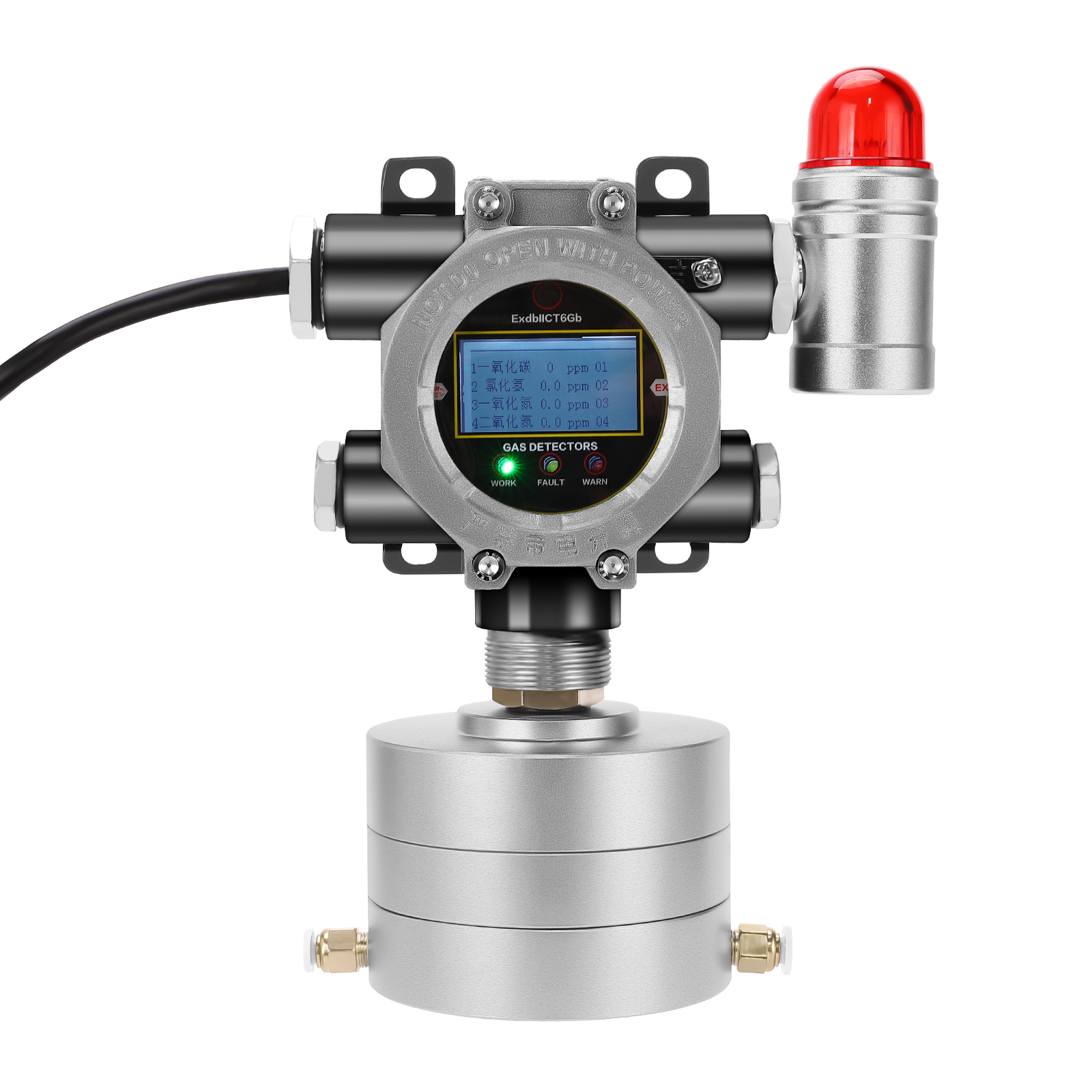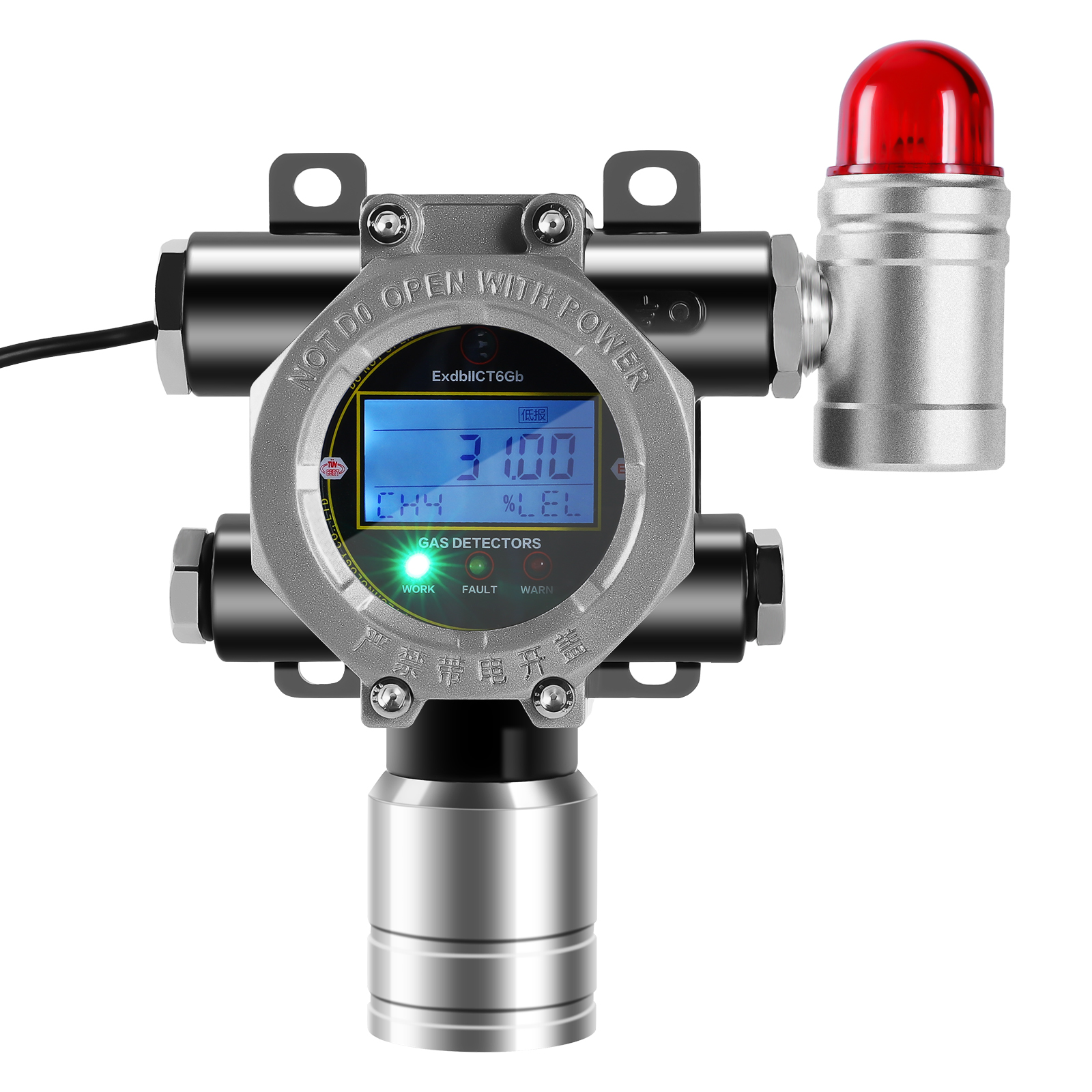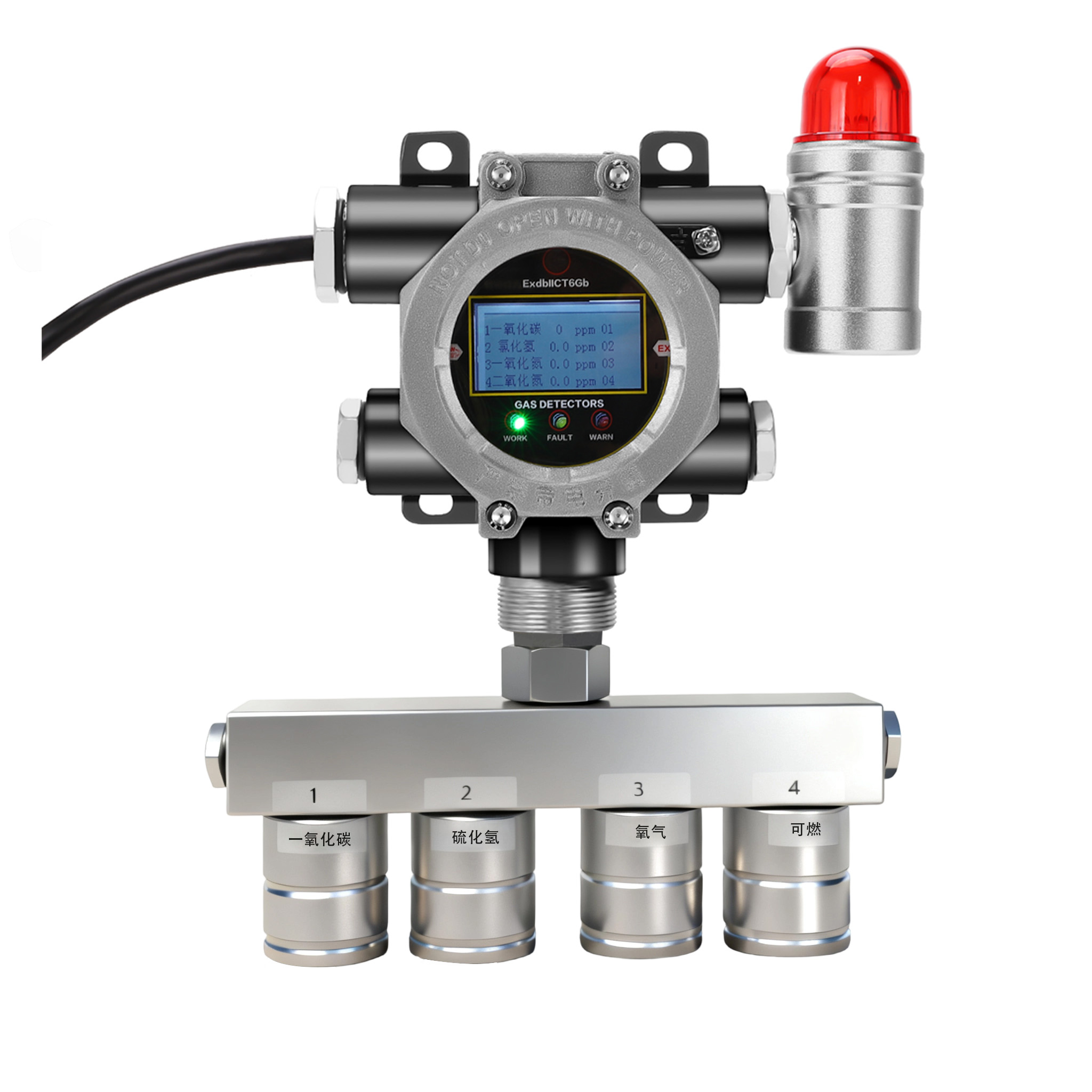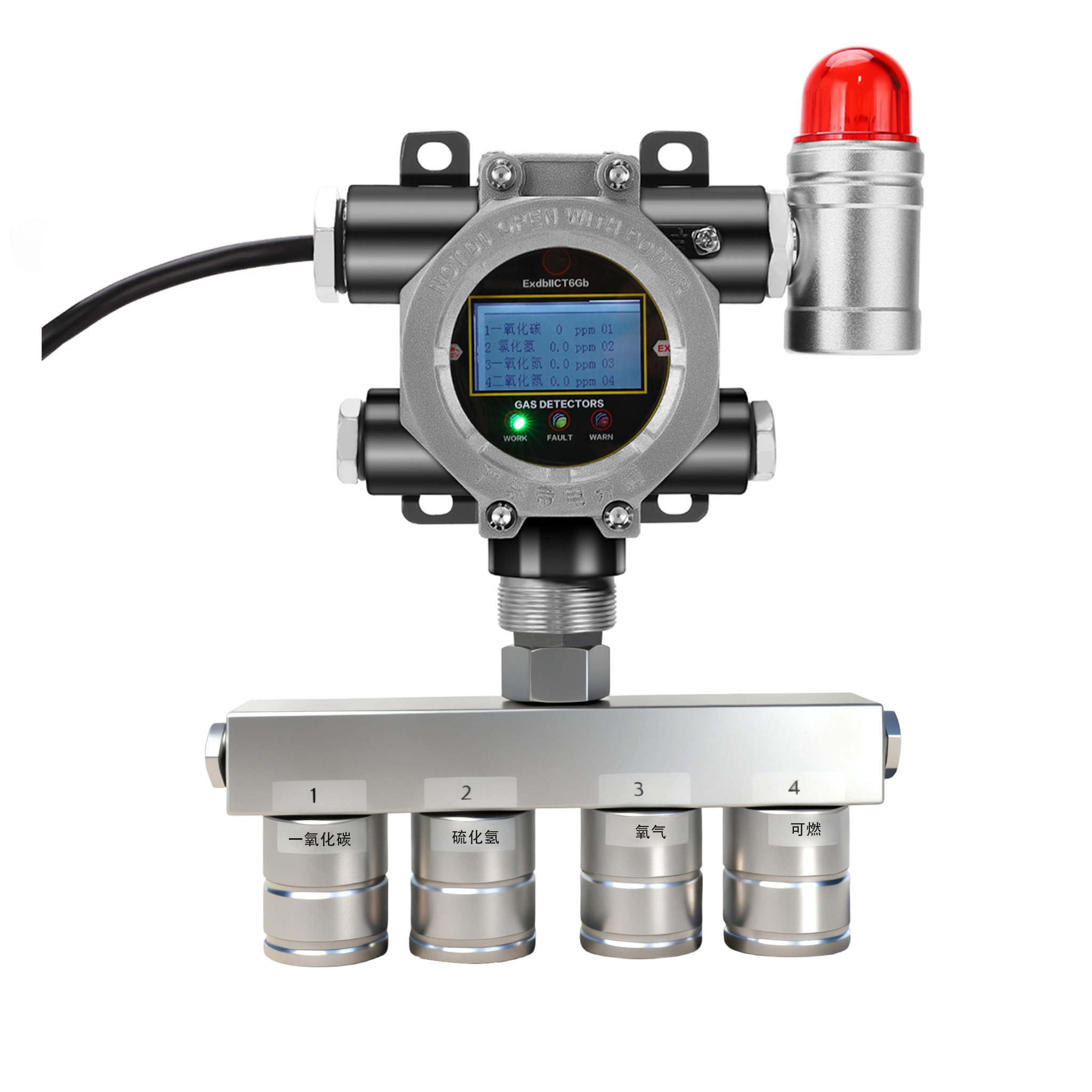
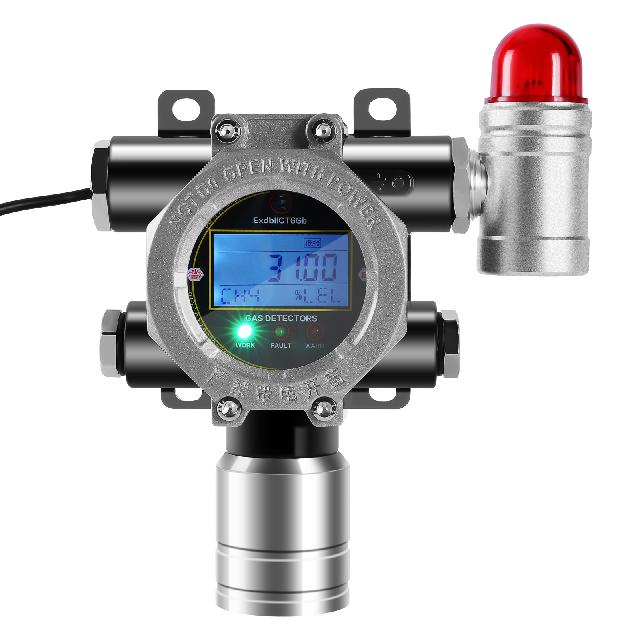
Carbon Monoxide Alarm Transmitter Chemical Pipeline Safety Monitoring - SKA/CO-BJQ
Detection principle: Electrochemical sensor, natural diffusion sampling
• Gas detected: Carbon monoxide (CO)
• Range: 0~1000ppm (standard); optional 0~500ppm / 0~2000ppm
• Resolution: 1ppm
• Measurement accuracy: ≤±5%FS
• Response time: T90 ≤30s
• Alarm threshold (customizable)
◦ First-level low alarm: 50ppm (recommended by national standard)
◦ Second-level high alarm: 150ppm
• Sensor lifespan: 2~3 years
Product Introduction
Carbon Monoxide Alarm Transmitter - Product Overview
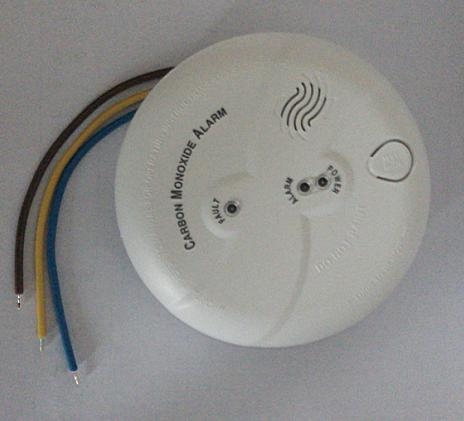
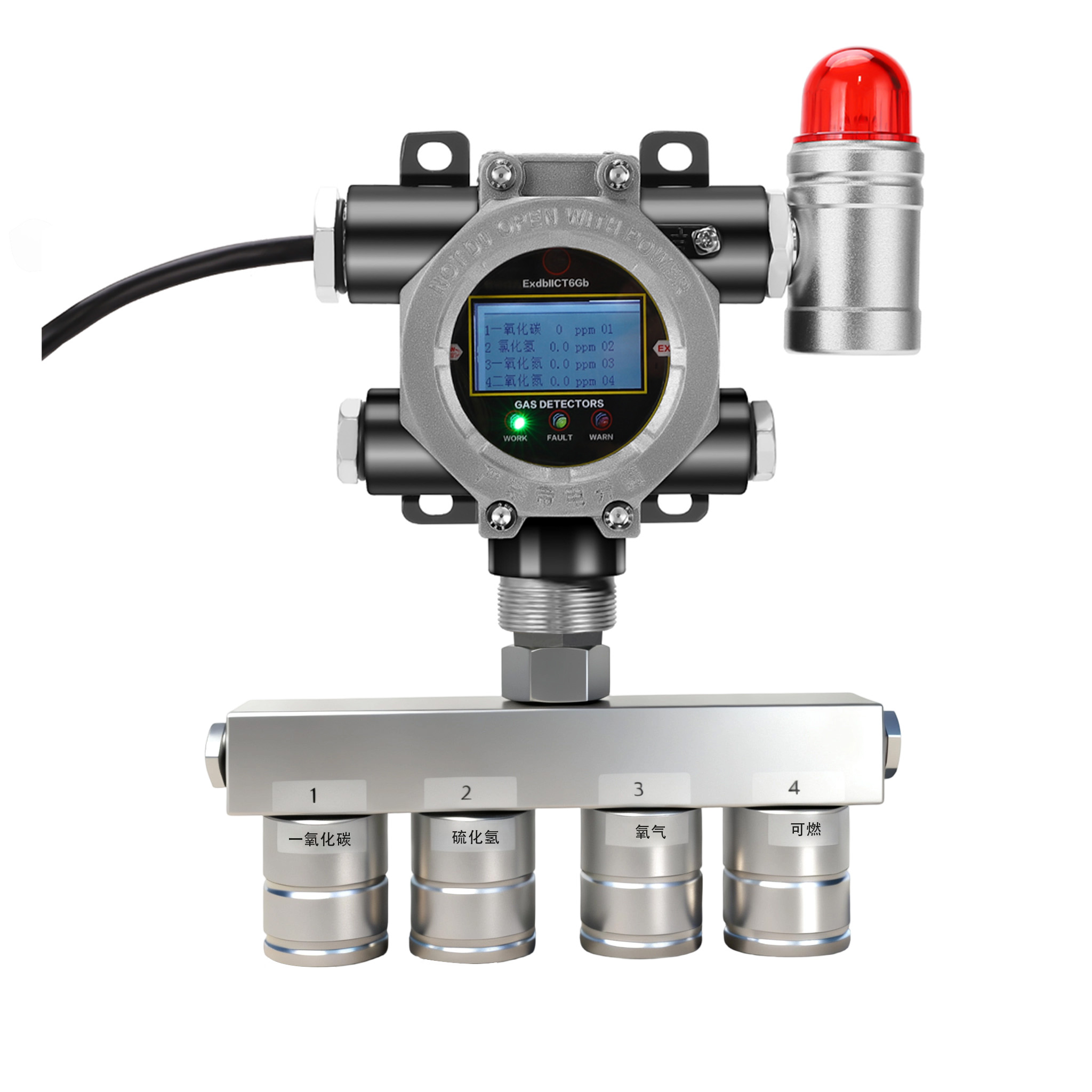
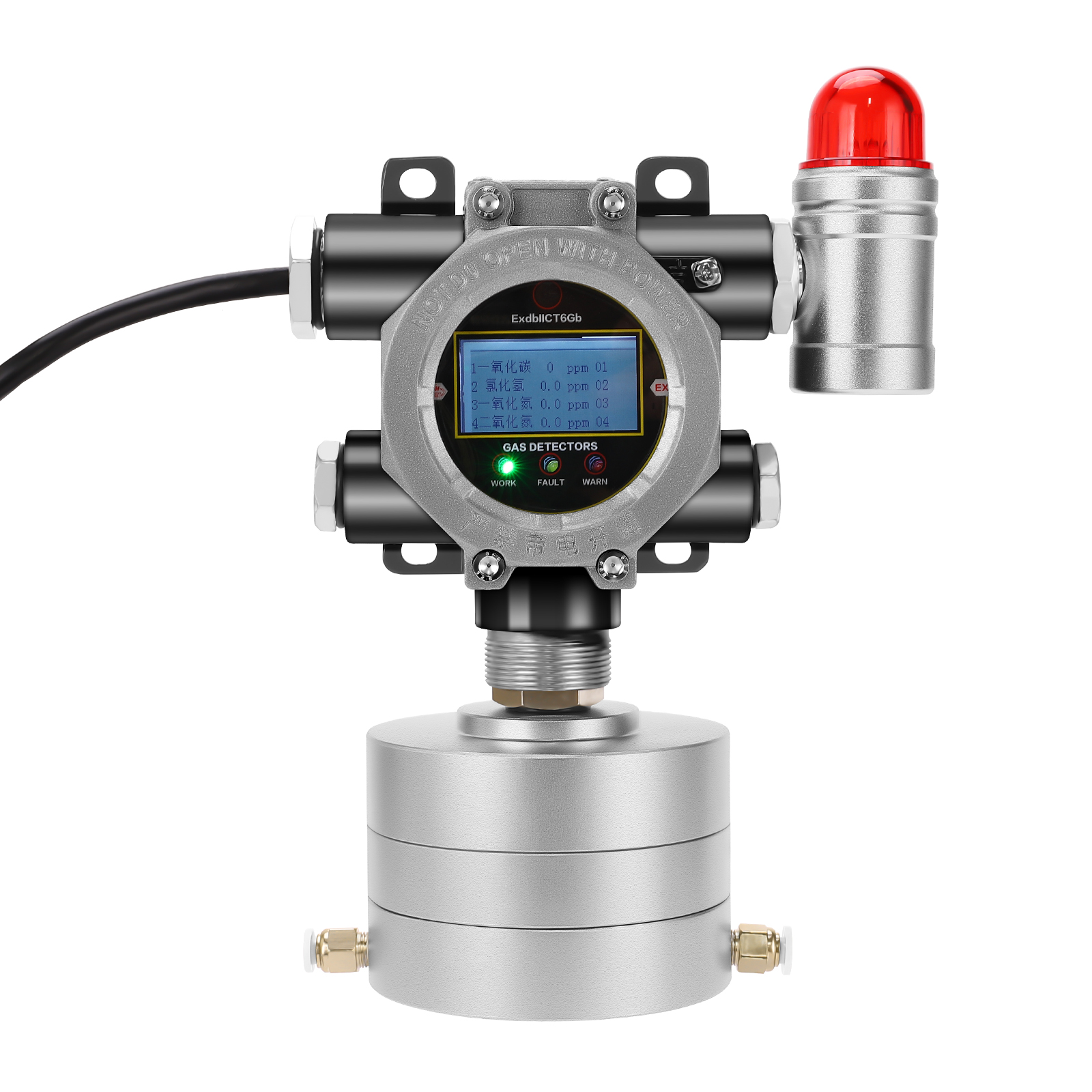
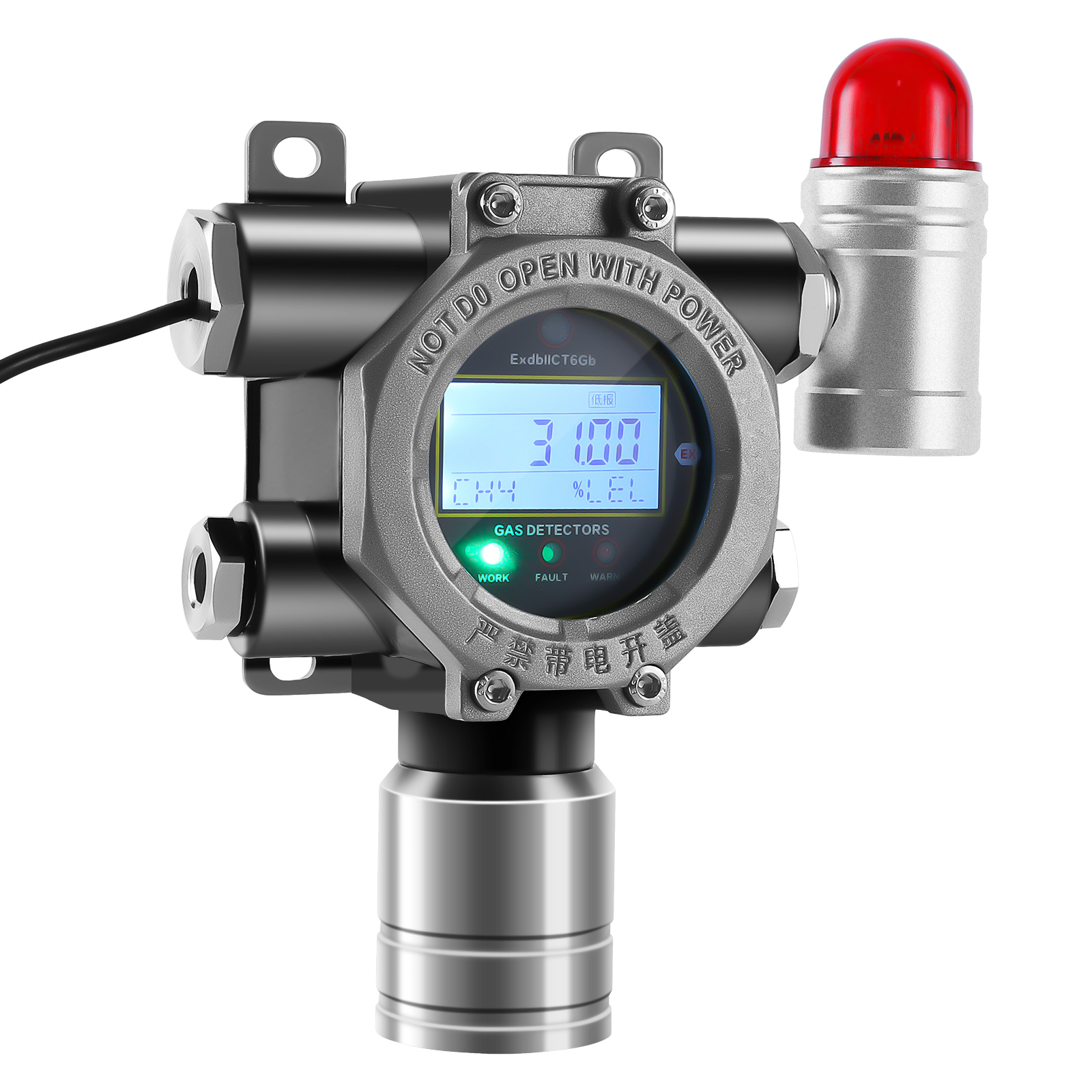
A carbon monoxide alarm transmitter is a fixed gas detection transmitter device used for chemical pipeline safety monitoring. Search keywords: carbon monoxide alarm transmitter, chemical pipeline safety monitoring, carbon monoxide alarm. The transmitter can continuously detect carbon monoxide concentration in pipeline areas and convert the concentration signal into a standard signal output. In chemical pipeline safety monitoring, carbon monoxide alarm transmitters can reflect pipeline leakage and accumulation risks in real time, helping operators respond promptly.
Carbon Monoxide Alarm Transmitter - Working Principle
Carbon monoxide alarm transmitters typically use electrochemical sensors or catalytic combustion sensors to detect carbon monoxide concentration and output electrical signals, which are converted into 4-20mA, RS485, or Modbus signals after circuit processing. In chemical pipeline safety monitoring, carbon monoxide alarm transmitters support HART protocol and remote calibration, and can be connected to PLC, DCS, and gas alarm control systems. The transmitter features an explosion-proof housing and a high protection rating, making it suitable for outdoor and explosion-proof environments in chemical pipelines.
Carbon Monoxide Alarm Transmitter - Application Scenarios
Carbon monoxide alarm transmitters are widely used in pipeline areas such as chemical, petrochemical, refining, and natural gas industries. In chemical pipeline safety monitoring, carbon monoxide alarm transmitters can be installed near valves, flanges, compressors, and pumps, as well as along personnel inspection routes. The transmitters can be linked with exhaust fans, shut-off valves, and fire protection systems to achieve automatic handling. For long-distance pipelines, carbon monoxide alarm transmitters can form a multi-point monitoring network and upload data uniformly to the control room.
Carbon Monoxide Alarm Transmitter - Technical Advantages
Carbon monoxide alarm transmitters have advantages such as fast response, good stability, and standard output. In chemical pipeline safety monitoring, carbon monoxide alarm transmitters use industrial-grade sensors and explosion-proof design, making them suitable for long-term operation. The transmitter supports remote calibration, fault self-diagnosis, and HART communication, making maintenance convenient. When selecting a carbon monoxide alarm transmitter, attention should be paid to detection range, accuracy, response time, explosion-proof rating, and output signal to ensure it meets the needs of chemical pipeline safety monitoring.
Main Application Areas
- Chemical pipeline safety monitoring — Continuously monitors carbon monoxide concentration in chemical pipeline areas to detect leaks and prevent accumulation risks.
- Petrochemical plants — Installed in petrochemical facilities to ensure CO levels remain within safe limits during production and processing.
- Industrial gas detection systems — Integrates with central control systems for real-time CO monitoring and alarm in industrial environments.
- Confined space entry — Provides pre-entry and continuous CO monitoring in confined spaces such as tanks, vessels, and sewers.
- Refinery and natural gas processing — Monitors CO levels in refinery and natural gas processing units to protect personnel and equipment.
Keywords:carbon monoxide alarm transmitter, CO gas detector, chemical pipeline safety, industrial CO monitor, fixed gas transmitter, electrochemical CO sensor, CO leak detection, pipeline gas monitoring