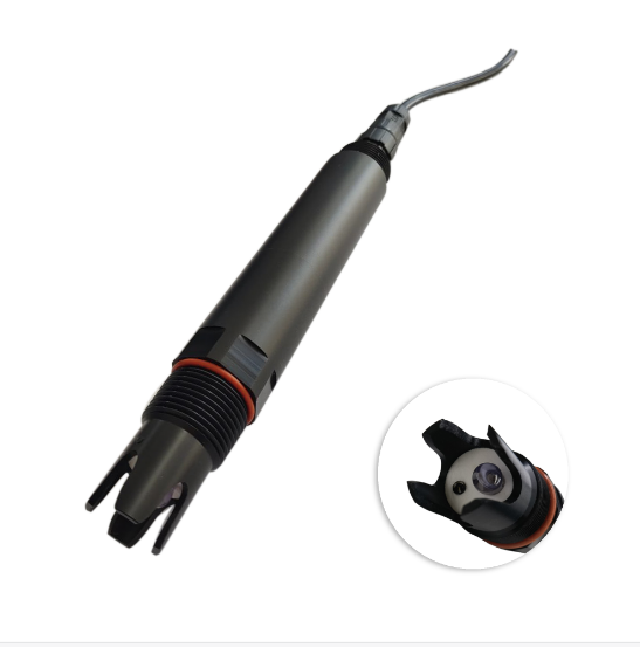
Product Introduction
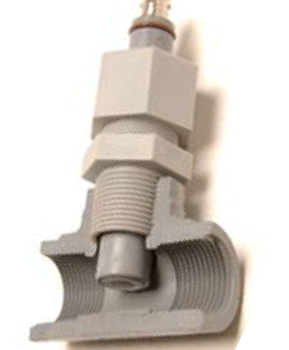
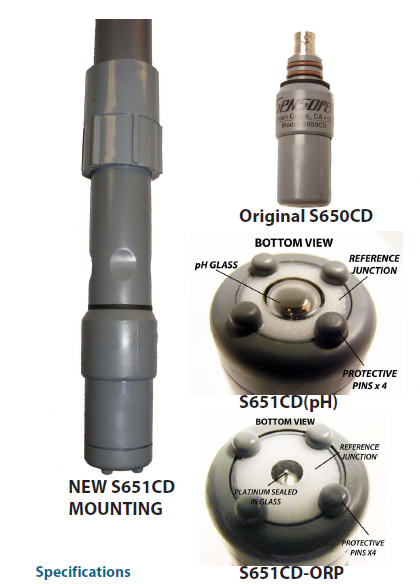
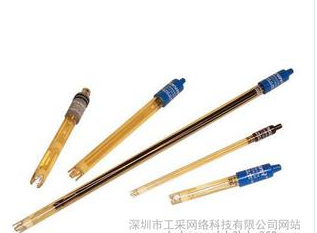
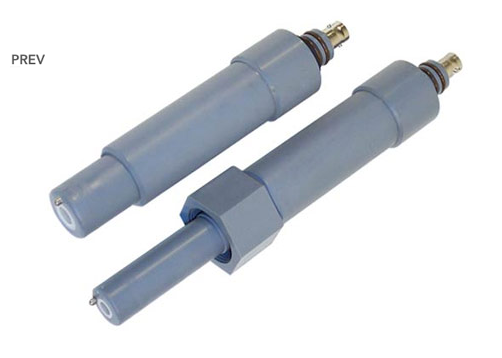
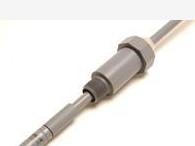
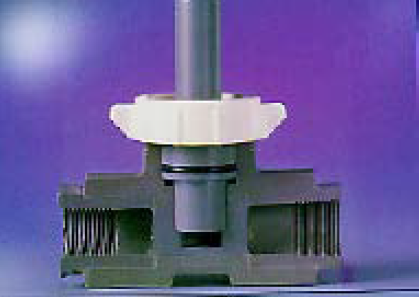
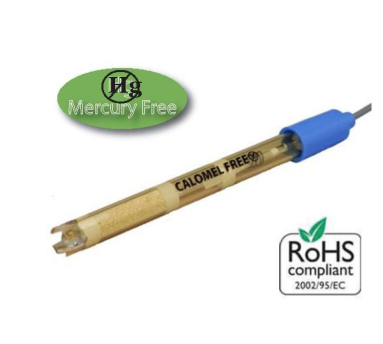
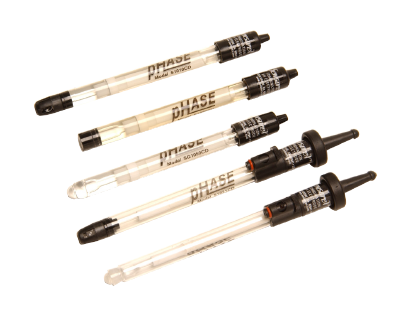
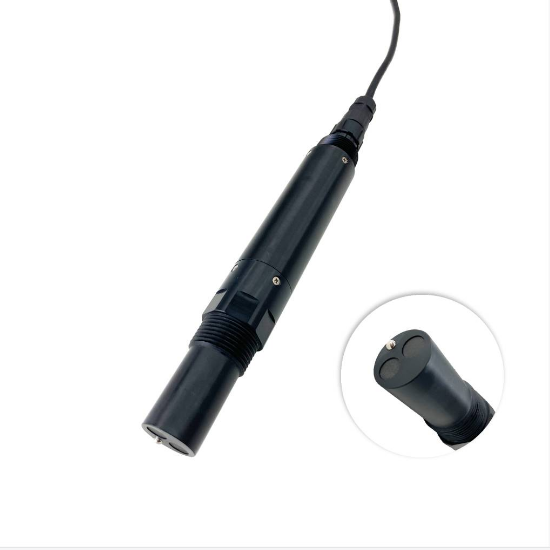
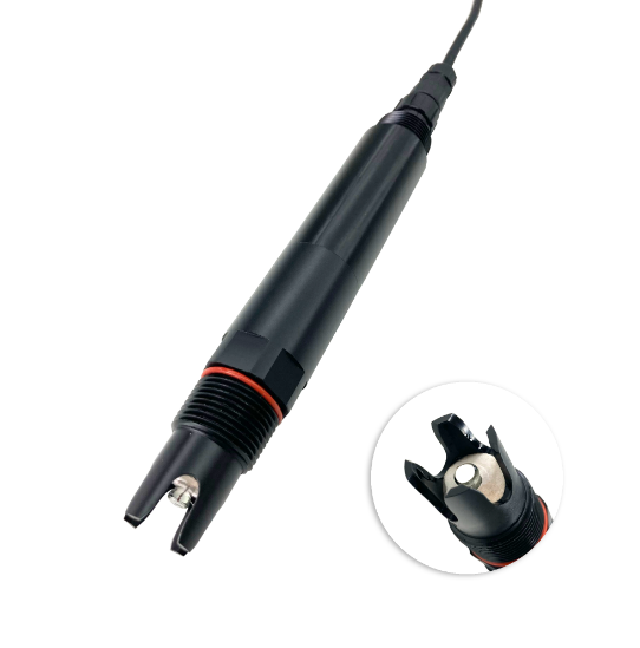
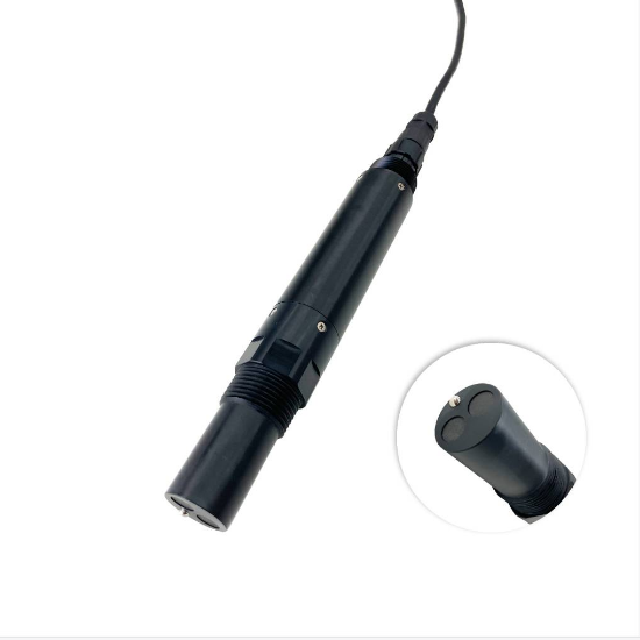
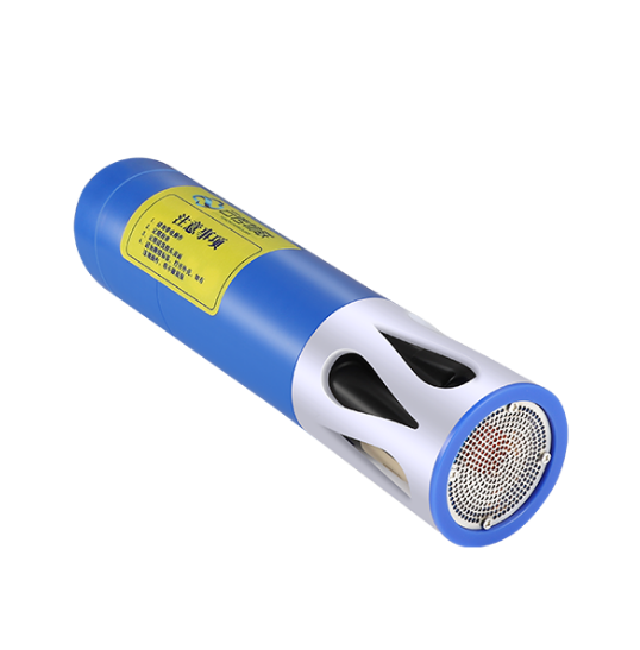
Miniature Conductivity Sensor for Effluent Detection in Small RO Water Purification Equipment
1. Product Overview of Miniature Conductivity Sensor for Effluent Detection in Small RO Water Purification Equipment
A conductivity sensor is a core water quality monitoring device for real-time detection of water conductivity, accurately reflecting the salinity, ion concentration, and cleanliness of water. The product supports multiple working modes such as online continuous monitoring, submerged in-situ monitoring, and portable spot checks, suitable for water quality detection scenarios across all industries including water utilities, industry, environmental protection, aquaculture, and agriculture. It features wide applicability, high stability, and accurate data.
2. Advantages of Miniature Conductivity Sensor for Effluent Detection in Small RO Water Purification Equipment in Working Conditions
This series includes multiple specialized models covering all working conditions: industrial-grade high-precision type, corrosion-resistant and salt-tolerant type, explosion-proof type, low-power field type, compact equipment-specific type, and auto-calibrating multi-parameter type. It can adapt to complex water qualities such as pure water, purified water, ordinary surface water, high-salinity seawater, and strongly corrosive chemical wastewater, effectively solving problems such as inaccurate detection, probe corrosion, and poor equipment durability under different water qualities, meeting the requirements for long-term stable monitoring in harsh industrial environments and civil water purification environments.
3. Miniature Conductivity Sensor for Effluent Detection in Small RO Water Purification Equipment - Industrial Water Treatment Application Scenarios
Widely used in full-process monitoring of industrial production water, suitable for industrial circulating water, boiler feed water, cooling tower water quality, chemical process water, electroplating rinse water, printing and dyeing papermaking wastewater, concentrated brine, ultrapure water,ROFor working conditions such as reverse osmosis water purification equipment. It can monitor water quality changes in real time, assist in scaling warnings, process water quality control, and wastewater discharge monitoring, ensuring the safe operation of industrial equipment and compliance of production water quality.
IV. Environmental water monitoring applications
Suitable for environmental monitoring scenarios such as municipal wastewater treatment plants, rivers, lakes, reservoirs, groundwater, coastal seawater, rainwater harvesting, black and odorous water bodies, landfill leachate, and seepage water from tailings ponds. It supports long-term in-situ monitoring, real-time data collection, water quality exceedance warnings, and pollution source tracing and evidence collection. It can be paired with automated environmental monitoring stations and unattended field stations, providing reliable data support for water environment governance, water quality assessment, and environmental supervision.
V. Municipal water supply and purification industry applications
Suitable for livelihood scenarios such as full-process monitoring of water treatment plants, municipal pipeline network inspections, secondary water supply in residential communities, commercial water purification equipment, direct drinking water in schools, hospital pure water systems, bottled water production lines, and rural drinking water safety projects. It can monitor the cleanliness of drinking water in real time, promptly warn of filter failure and water quality anomalies, and comprehensively ensure water supply safety and stable operation of water purification equipment.
VI. Smart agriculture and aquaculture applications
It can be used in scenarios such as freshwater aquaculture, seawater aquaculture, nursery ponds, rice field irrigation, greenhouse hydroponic nutrient solutions, integrated water-fertilizer systems, and livestock drinking water monitoring. It accurately monitors salinity and concentration levels in water, assisting in water quality regulation, anomaly alerts, and refined planting and aquaculture management, effectively reducing production losses caused by water quality issues and supporting the digital upgrade of smart agriculture and intelligent fishery farms.
VII. Equipment performance and IoT advantages
The product supports standard signal output and can seamlessly connect to IoT smart water platforms, enabling remote monitoring, data upload, big data analysis, and unattended operation and maintenance. The equipment features advantages such as waterproofing, corrosion resistance, high salt tolerance, explosion proofing, and high-precision detection. It is easy to install, requires low maintenance, and offers high stability, making it a universal core device for conductivity monitoring across all scenarios.
Main Application Areas
- Residential RO Water Purifiers — Monitors the conductivity of purified water to ensure the RO membrane is functioning properly and water quality is safe for drinking.
- Commercial RO Systems — Used in small-scale commercial RO systems for food service, beverage production, and other applications where water purity is critical.
- Laboratory Water Purification — Ensures the quality of deionized or purified water used in experiments and analytical procedures.
- Industrial Process Water Monitoring — Monitors the conductivity of process water in small industrial systems to prevent scaling and corrosion.
Keywords:miniature conductivity sensor, RO water conductivity sensor, small RO system sensor, water quality sensor, conductivity probe, reverse osmosis sensor, effluent detection sensor, compact conductivity sensor