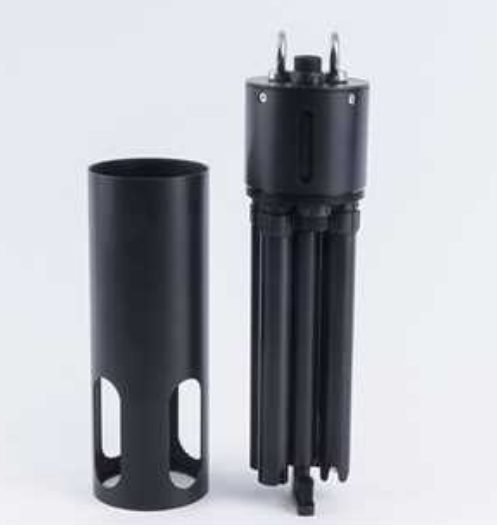
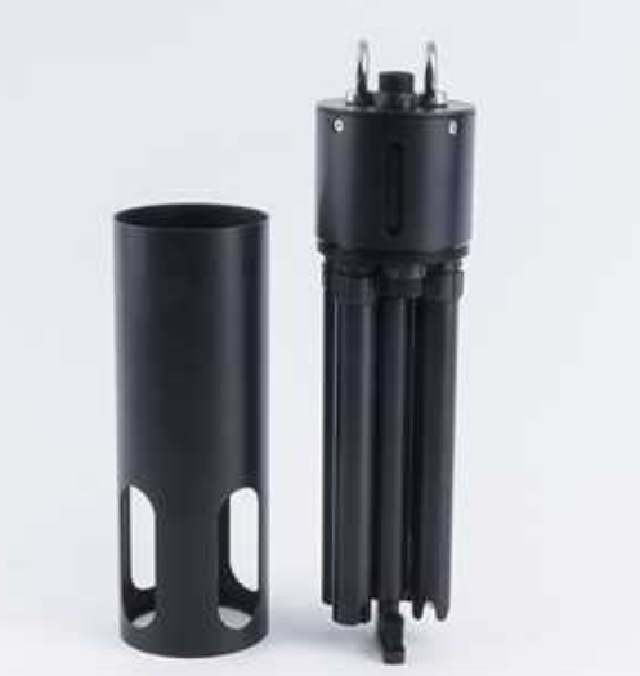
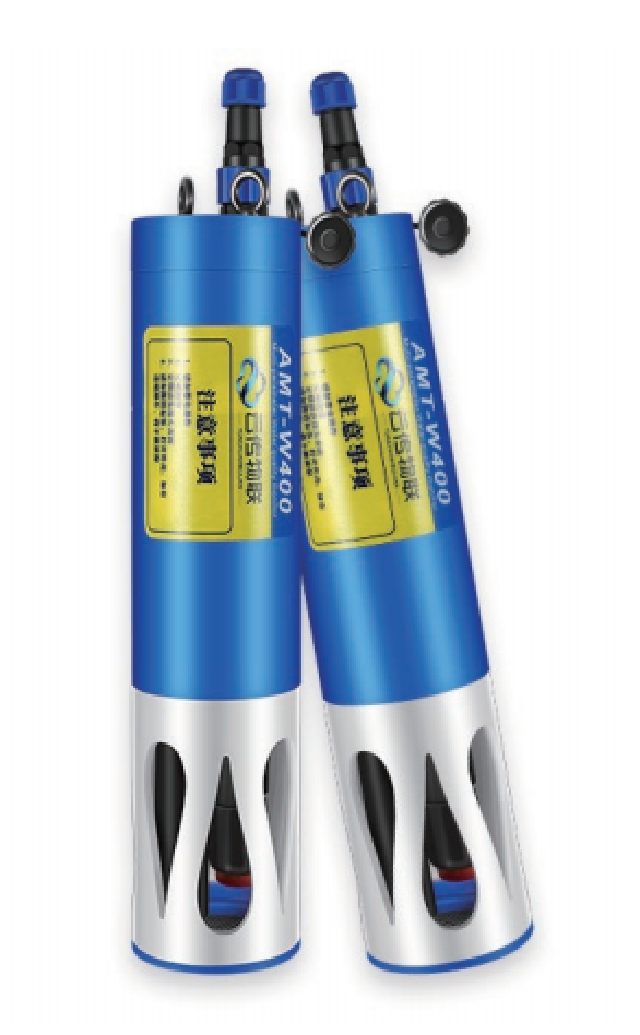
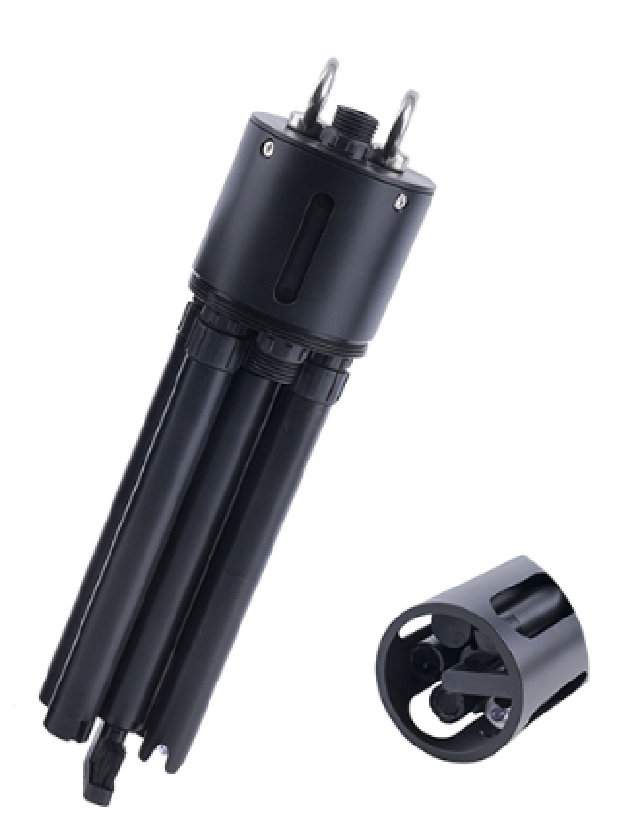
Self-cleaning five-parameter water quality sensor for long-term monitoring of wild rivers - AMT-W400
pH: composite glass electrode method; conductivity: four-electrode / two-electrode electrode method; dissolved oxygen: fluorescence method preferred (membrane-free, low maintenance); turbidity: 90° infrared scattered light method (ISO7027, resistant to water sample color interference); water temperature: thermistor, all parameters must have built-in automatic temperature compensation.
Product Introduction
Self-cleaning five-parameter water quality sensor for long-term monitoring of wild rivers
Introduction
Conventional five parameters include water temperature,pH, dissolved oxygen (DO), conductivity, turbidity, widely used for online monitoring of surface water, reservoirs, water sources, sewage, and pipe networks, following HJ/T96 98、HJ915 series and other environmental protection industry standards, divided into six modules: general whole-unit requirements, special technical indicators for each parameter, mechanical structure, communication and electrical, calibration and maintenance, and environmental adaptability.
1. General overall technical requirements
Measurement principle
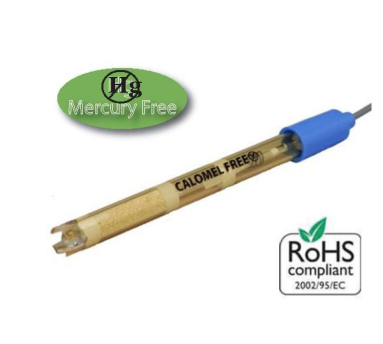
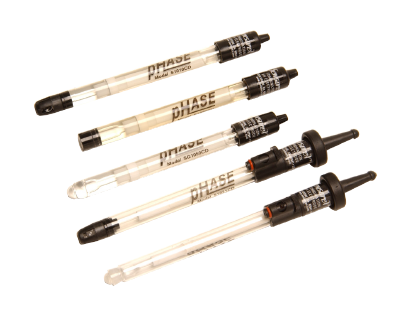
pH: composite glass electrode method;
Conductivity: four-electrode / Two-electrode electrode method;
Dissolved oxygen: fluorescence method preferred (membrane-free, low maintenance), also electrochemical polarographic method;
Turbidity:90° infrared scattered light method (ISO7027, resistant to water sample color interference);
Water temperature: thermistor, all parameters must have built-in automatic temperature compensation.
Output form: digital sensor,RS 485 Modbus RTU, supporting HJ212 protocol, can be connected to automatic water quality stations; analog output is only an alternative.
Functional configuration: supports fault self-check, abnormal alarm; priority configuration of automatic cleaning (brush type / jet cleaning), reducing sediment and biofouling contamination; automatic recovery after power-off restart; local data caching, no data loss during network disconnection.
Monitoring mode: supports immersion installation, direct measurement of raw water, no filtration pretreatment (five parameters do not allow water sample filtration)
Self-cleaning five-parameter water quality sensor for long-term monitoring of wild rivers
2. Core performance technical indicators for each parameter
Applicable to surface water online monitoring scenarios, typical indicators of industry standards, People's Republic of China...
Table
Parameter Measurement range Accuracy Repeatability Remarks
Water temperature 0~50℃ ±0.5℃ ≤0.2℃ as compensation source for other parameters
pH 0~14pH ±0.1pH ≤0.1pH Drift≤±0.1pH/24h
Conductivity 0 200 mS/cm ±1%FS ≤0.5%FS Automatic temperature compensation to 25℃
Dissolved Oxygen 0 20mg/L(0 200% saturation) ±0.3mg/L ≤0.2mg/L Fluorescence method, air calibration
Turbidity 0 1000NTU ±5% Reading or ±0.3NTU Take the larger ≤2% Reading High turbidity can expand range
Comparison acceptance allowable deviation (on-site comparison) water temperature:±0.5℃
pH:±0.5pH
Dissolved oxygen: ±0.8mg/L
Conductivity: >100μS/cm ±10%;≤100μS/cm ±10μS/cm
Low turbidity/ Use standard substance verification in extremely high range.
3. Mechanical and material requirements
Protection level: sensor probe IP68, can be immersed in water for a long time; cable waterproof connector, resistant to water pressure≥0.6MPa。
Housing material: main body 316L Stainless steel; for seawater conditions, use 316L Titanium plated; sealing ring made of fluororubber, resistant to acid and alkali corrosion; cable resistant to hydrolysis and algae corrosion.
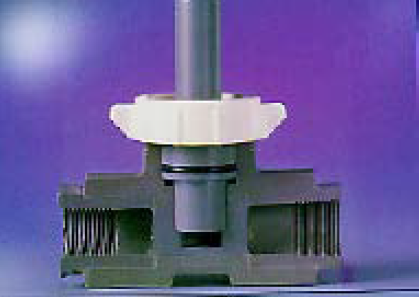
Installation method: supports immersion, buoy, and flow-through cell types; probe installation avoids bubbles blocking the sensing surface and avoids riverbed silt accumulation areas.
Flow rate: applicable water sample flow rate≤2.5m/s, if water flow is too high, a protective cover needs to be installed.
Self-cleaning five-parameter water quality sensor for long-term monitoring of wild rivers
4. Electrical and environmental adaptability
Power supply:DC12 24V DC power supply, low power consumption, suitable for field solar-powered stations.
Working environment temperature: sensor body 10~60℃; measured water sample0 45℃。
Storage temperature 15~65℃; anti-condensation, anti-humidity, suitable for outdoor open-air and underwater humid environments.
5. Calibration, maintenance, and lifespan requirements
Calibration method
pH: two-point standard buffer solution calibration;
Conductivity: calibration with standard solution;
Dissolved oxygen: air saturation calibration;
Turbidity: calibration with formazin standard turbidity solution.
Expected service life of sensor:
pH Electrode:1 2 years; dissolved oxygen fluorescent cap:1 2 years; turbidity light source:≥3 years; conductivity and temperature probes have longer lifespan.
Maintenance requirements: replaceable consumable parts (pH Membrane head,DO fluorescent membrane, sealing ring), easy to replace on site, no need to return the whole unit to the factory.
Self-cleaning five-parameter water quality sensor for long-term monitoring of wild rivers
6. Software and data requirements
Output raw measurement values, temperature-compensated results, device status codes, and fault codes;
Supports remote reading of sensor parameters, remote triggering of calibration and cleaning;
Data storage: sensor can store historical records locally; supports connection to ecological environment monitoring platform HJ212 2017 Transmission protocol.
Main Application Areas
- Surface Water Monitoring — Continuous monitoring of rivers, lakes, and streams to assess water quality trends and detect pollution events.
- Reservoir and Source Water Management — Ensures the safety of drinking water sources by tracking key parameters and enabling early warning of contamination.
- Wastewater Treatment — Monitors effluent quality in treatment plants to ensure compliance with discharge standards and optimize treatment processes.
- Pipeline Network Monitoring — Provides real-time data for water distribution systems, helping to maintain water quality and identify issues promptly.
Keywords:water quality sensor, five parameter sensor, self-cleaning sensor, river monitoring sensor, pH sensor, conductivity sensor, dissolved oxygen sensor, turbidity sensor