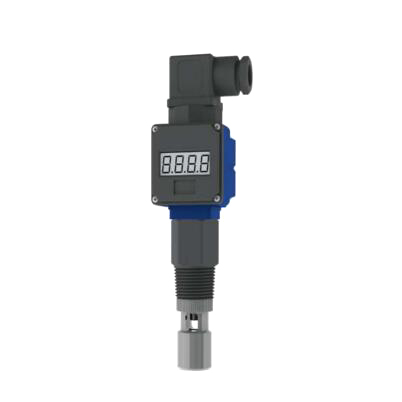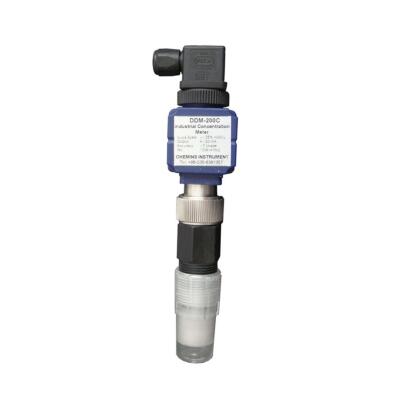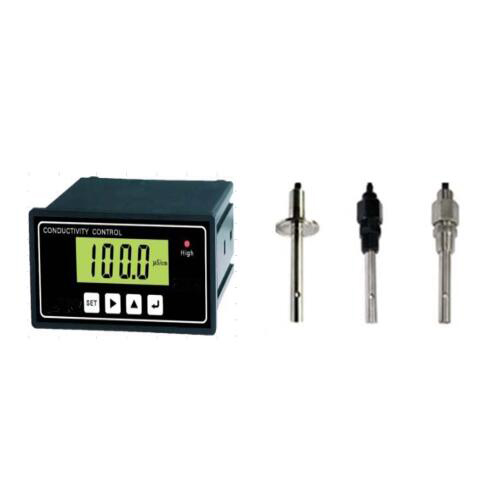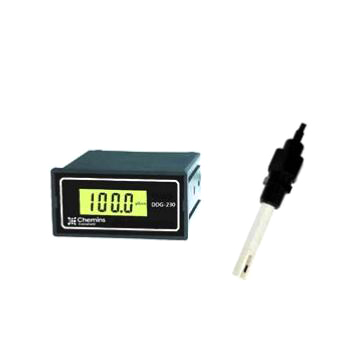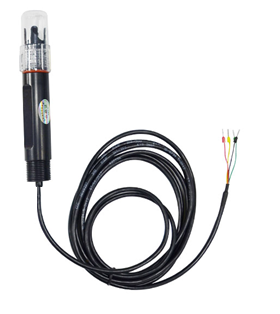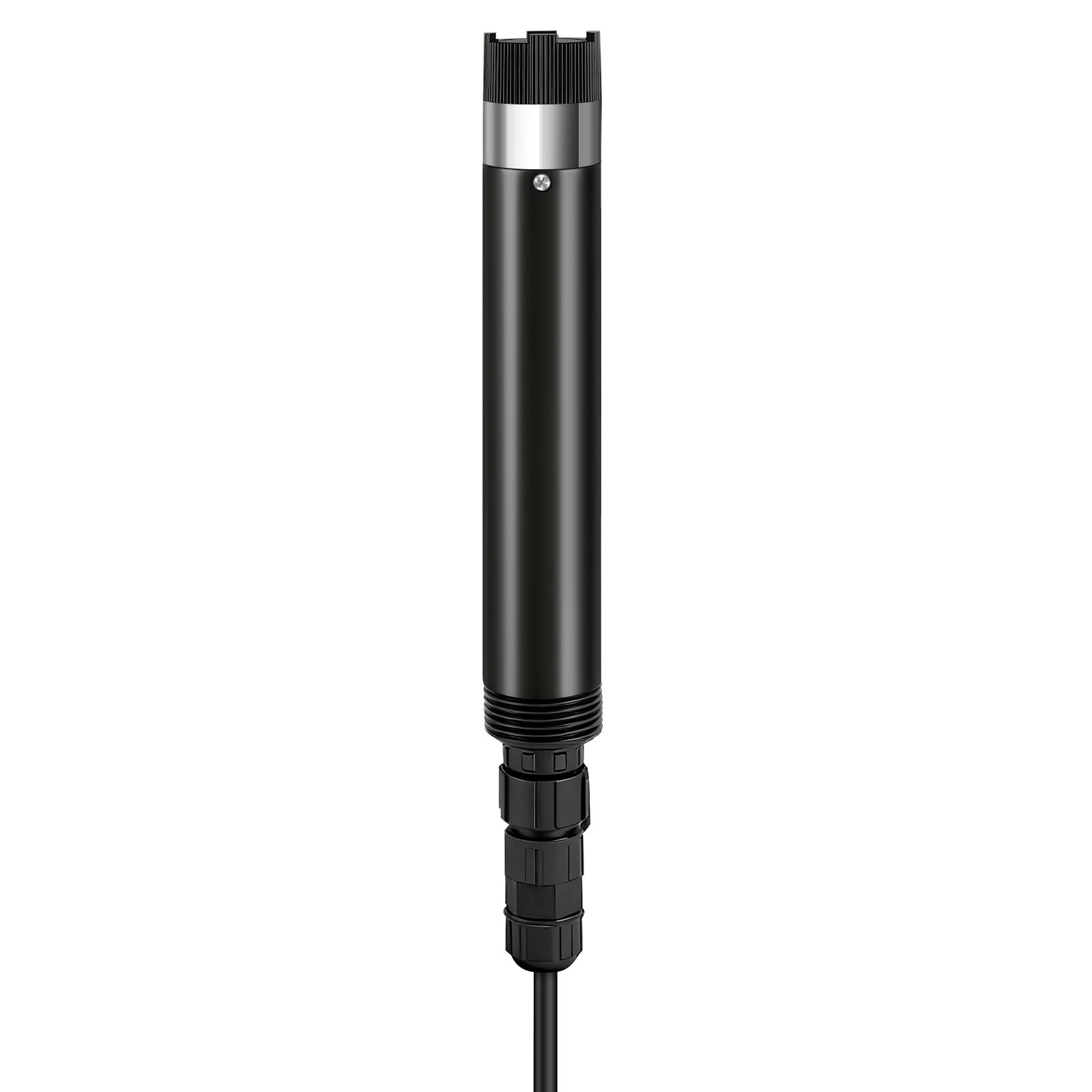
AMT/DO Dissolved Oxygen Sensor - AMT/DO
The following are key technical specifications of dissolved oxygen sensors:
* **Measurement Range and Units**: Varies greatly depending on application needs, units are typically **mg/L** (milligrams per liter, equivalent to **ppm**) or **% saturation**.
* **Conventional Water Quality**: The most common range is **0-20 mg/L** (0-200% saturation).
* **High Range**: Some sensors can reach **0-50 mg/L** or even **0-60 mg/L**.
* **Trace/Micro**: Used in boiler water, semiconductor ultrapure water, etc., with extremely low ranges, such as **0-2000 ppb** (1 ppm = 1000 ppb).
* **Accuracy and Resolution**:
* **Resolution**: Conventional online sensors are mostly **0.01 mg/L**. Trace-level sensors can achieve a resolution of **0.1 ppb**.
* **Accuracy**: Usually expressed as **±X% of reading** or **±Y mg/L**, whichever is greater.
* **High Precision**: In low concentration ranges (e.g., 0-8 mg/L), accuracy can reach **±0.1 mg/L**.
* **Conventional Industrial Grade**: Accuracy is mostly **±1% ~ ±3%** of reading, or **±0.3 mg/L**.
Product Introduction
Main Application Areas
- Wastewater Treatment — Monitoring dissolved oxygen levels in aeration tanks to optimize biological treatment processes and ensure regulatory compliance.
- Aquaculture — Maintaining optimal oxygen levels in fish farms and shrimp ponds to promote healthy growth and reduce mortality.
- Environmental Monitoring — Measuring DO in rivers, lakes, and oceans to assess water quality and detect pollution events.
- Industrial Process Water — Controlling oxygen levels in boiler feedwater, cooling water, and other industrial processes to prevent corrosion and ensure efficiency.
Keywords:dissolved oxygen sensor, DO sensor, water quality sensor, online DO meter, optical DO sensor, wastewater DO probe, aquaculture oxygen sensor, industrial DO analyzer