Product Introduction
Drinking Water Reserve Source Dissolved Oxygen Sensor
1. Product Introduction of Drinking Water Reserve Source Dissolved Oxygen Sensor
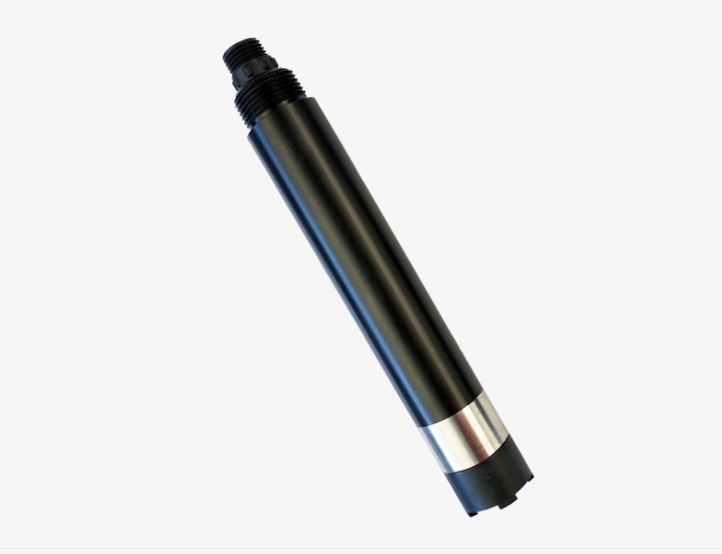
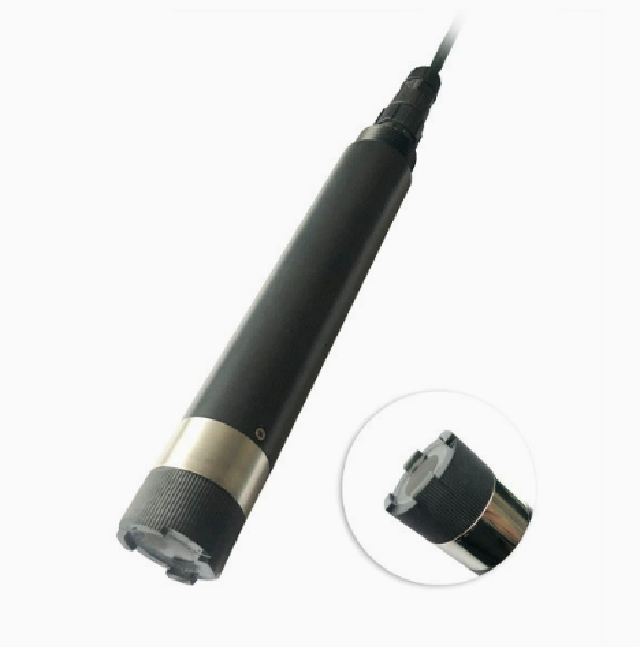
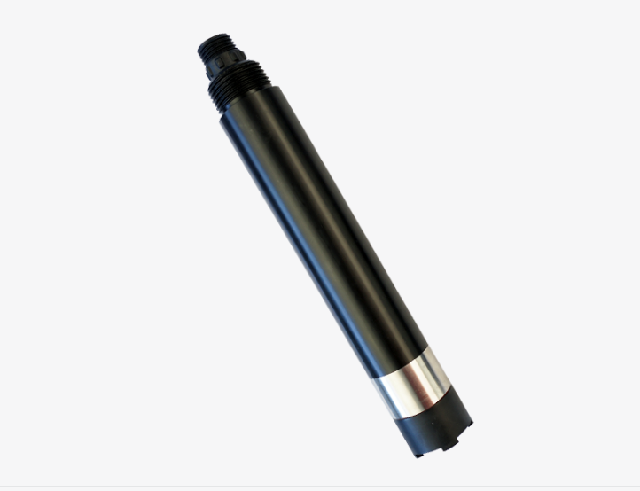
This fluorescence-based dissolved oxygen sensor utilizes optical fluorescence detection principles, differing from traditional membrane electrode products. It requires no electrolyte and no frequent membrane head replacement, enabling long-term online monitoring of dissolved oxygen content in water bodies. The sensor features automatic temperature compensation, a built-in digital processing chip, and stable, reliable output. Its corrosion-resistant housing and high protection rating allow it to adapt to complex water environments such as sewage, surface water, and aquaculture water. It is widely used in aquaculture, municipal wastewater treatment, river ecological monitoring, water treatment plants, and industrial wastewater treatment, achieving real-time continuous online monitoring of dissolved oxygen in water bodies and providing precise data support for water quality control, aeration energy saving, and water environment management.
2. Working Principle of Drinking Water Reserve Source Dissolved Oxygen Sensor
The fluorescent substance at the front of the sensor is excited by a light source of a specific wavelength to produce fluorescence, and oxygen molecules in the water inhibit the duration of the fluorescence. The device calculates the dissolved oxygen concentration in the water by detecting the fluorescence decay time, which is not affected by water flow disturbance or impurities such as sulfides, resulting in stronger measurement stability and a longer maintenance cycle. A temperature probe is paired to automatically compensate for data deviations caused by temperature, ensuring accurate and effective measurement results under different water temperature conditions.
3. Technical features
- Optical fluorescence detection, no electrolyte, low maintenance cost, reducing later consumable investment;
- Built-in temperature compensation, high measurement accuracy, and fast response speed;
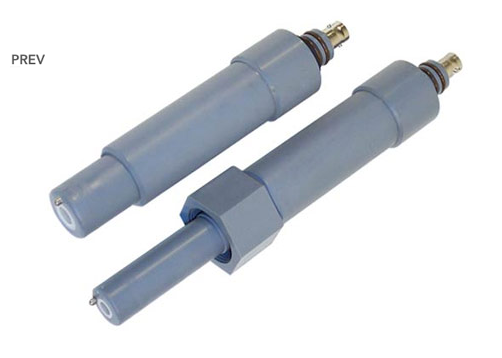
- Corrosion-resistant cylindrical housing, waterproof and corrosion-resistant, supporting long-term submerged installation;
- Digital RS485 Signal output for easy integrationPLC, acquisition terminals, online monitoring systems;
- Resistant to interference from impurities in sewage, and not easily affected by water acidity, alkalinity, or slight oil contamination;
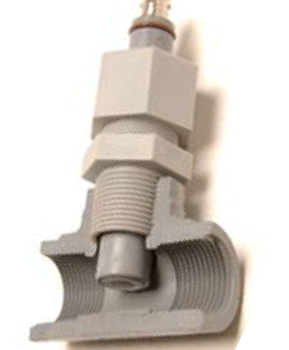
- Flexible installation methods, including immersion type, pipeline type, and bracket fixed installation.
4. Installation and usage instructions
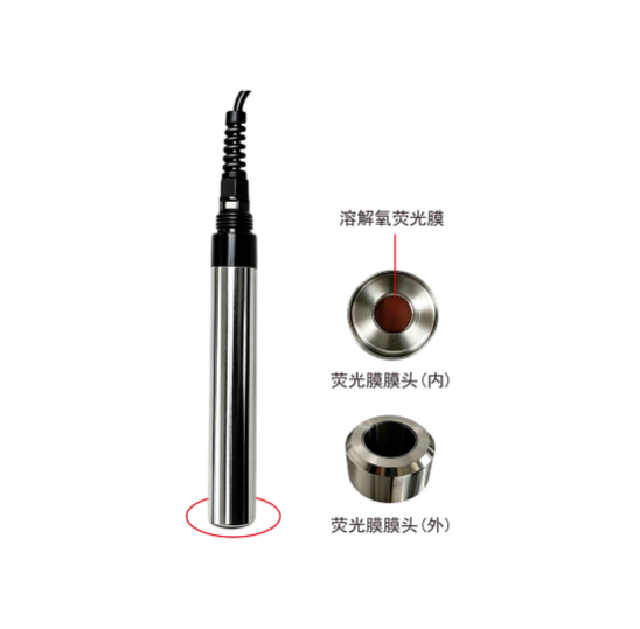
- Before installation, check that the sensor appearance is free of damage and the front fluorescent cap is intact without scratches or stains;
- Fix the sensor on a bracket with the probe vertically submerged below the water surface, avoiding areas with bottom sludge or strong aeration direct impact;
- Connect the power supply and signal wires according to the wiring definitions, and confirm that the supply voltage meets equipment specifications;
- For initial use, complete the calibration operation, and the air calibration method can be used for quick calibration;
- Start the device, wait for the sensor to warm up and stabilize, then read real-time dissolved oxygen data.
5. Maintenance and care
- Regularly clean the sensor probe surface with clean water, and avoid scratching the fluorescent film with hard objects;
- For working conditions with turbid water or heavy sludge, it is recommended to clean the probe attachments once a month;
- When not in use for extended periods, clean, dry, and store in a dry, cool place;
- The fluorescent cap is a consumable part. After its service life expires, simply replace the accessory directly without replacing the entire unit.
6. Precautions
- Avoid the sensor probe hitting hard objects to protect the front fluorescence detection surface;
- Do not use in water bodies with strong corrosive chemical agents for extended periods;
- During wiring construction, implement waterproofing measures to prevent water ingress into the terminals and avoid malfunctions;
- If abnormal data occurs, first check the probe cleanliness and calibration status.
7. Application scope
Suitable for online monitoring of water environments such as dissolved oxygen control in aquaculture, process control in municipal wastewater aeration tanks, ecological monitoring of black and odorous rivers, monitoring of drinking water source areas, industrial circulating water, and printing and dyeing wastewater, supporting intelligent water quality management.
Main Application Areas
- Drinking Water Treatment — Monitoring dissolved oxygen levels in raw and treated water to ensure optimal conditions for disinfection and taste.
- Reservoir and Source Water Monitoring — Continuous tracking of oxygen levels in reservoirs and source waters to detect pollution events and maintain ecosystem health.
- Aquaculture — Ensuring adequate oxygen levels in fish farming tanks and ponds to promote healthy growth and prevent hypoxia.
- Environmental Water Quality Monitoring — Field and online monitoring of rivers, lakes, and groundwater to assess oxygen saturation and overall water quality.
Keywords:dissolved oxygen sensor, drinking water quality sensor, DO sensor for water, water monitoring sensor, optical DO sensor, water treatment sensor, online dissolved oxygen analyzer, water safety sensor