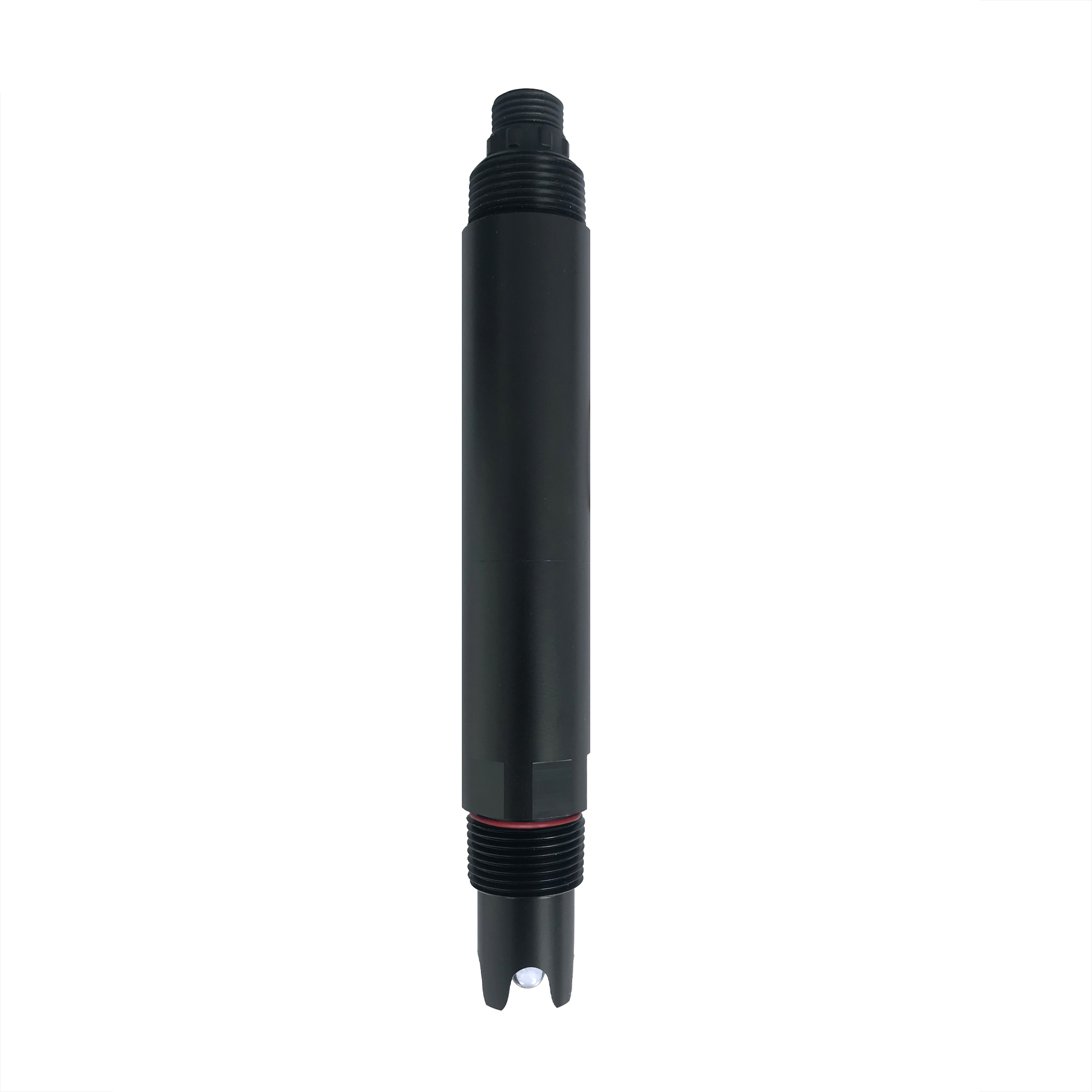
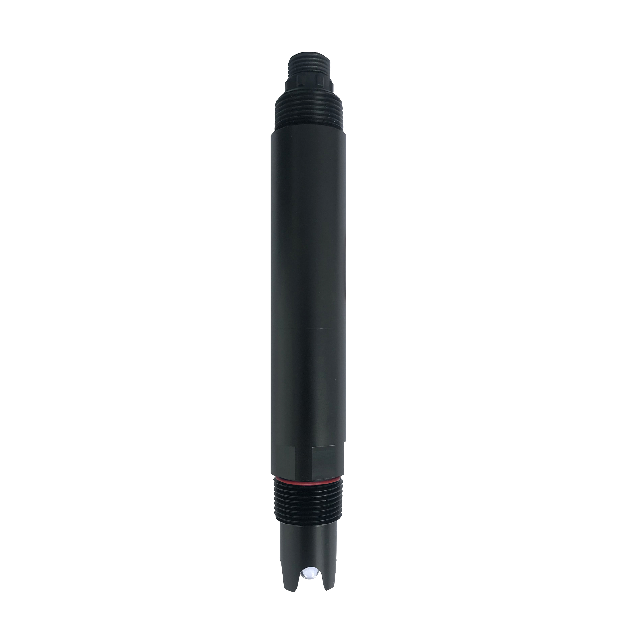
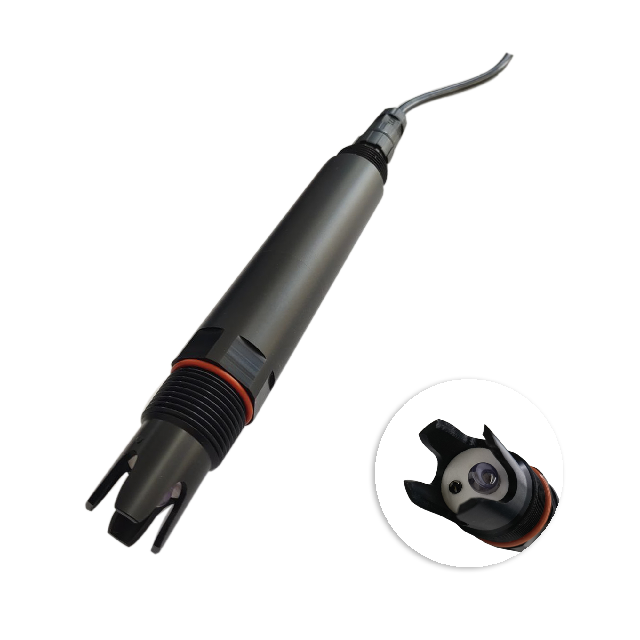
Smart pH sensor monitoring - AMT-PH300
Traditional analog pH electrodes: output weak millivolt analog signals, with amplification, compensation, and calculation all relying on backend instruments; Smart pH sensors:probe completes all calculations internally and directly outputs pH value, no need for matching dedicated pH instruments, can directly interface with PLC, microcontroller, DTU, and cloud platforms
Product Introduction
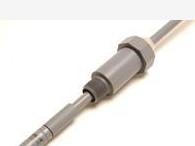
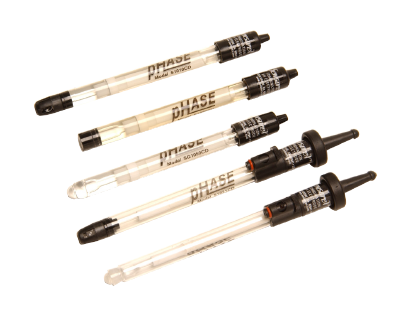
Smart pH sensors are also calledDigital pH sensor, based on traditional analog pH electrodes, integrates signal amplification, AD conversion, temperature acquisition, and processing calculations entirely within the probe body, directly outputting digital signals as an online detection device, mainly used for continuous measurement of water pH value, while simultaneously outputting temperature and ORP oxidation-reduction potential data, widely used in industrial, environmental, water, aquaculture, and other online monitoring scenarios.
I. Working principle of smart pH sensor monitoring
The core measurement principle remainsGlass electrode potentiometric method (Nernst equation)
- Probe internally containspH-sensitive glass electrode + Ag/AgCl reference electrode + built-in PT1000 temperature sensor;
- Hydrogen ions in the measured solution contact the glass sensitive membrane, generating millivolt-level potential difference;
- built-in circuit board amplifies weak mV signals, filters, and converts A/D to digital;
- Read temperature data,internal algorithm performs automatic temperature compensation (ATC), eliminating the effect of temperature on pH slope and directly calculating the final pH;
- outputs pH, temperature, and raw mV values externally through digital communication interfaces.
Theoretical slope at 25℃: 59.16mV/pH, as temperature changes, the slope changes, so temperature compensation is essential. A few models use ISFET solid-state ion field effect technology, no fragile glass bulb, suitable for special conditions.
II. Internal hardware structure of smart pH sensor monitoring
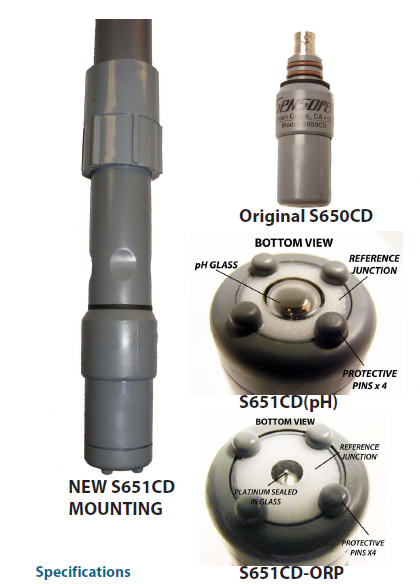
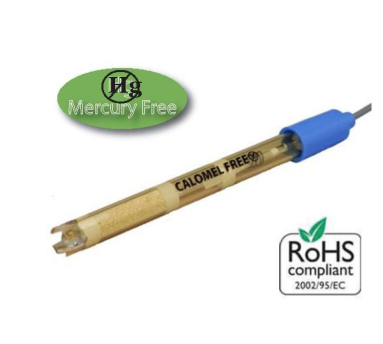
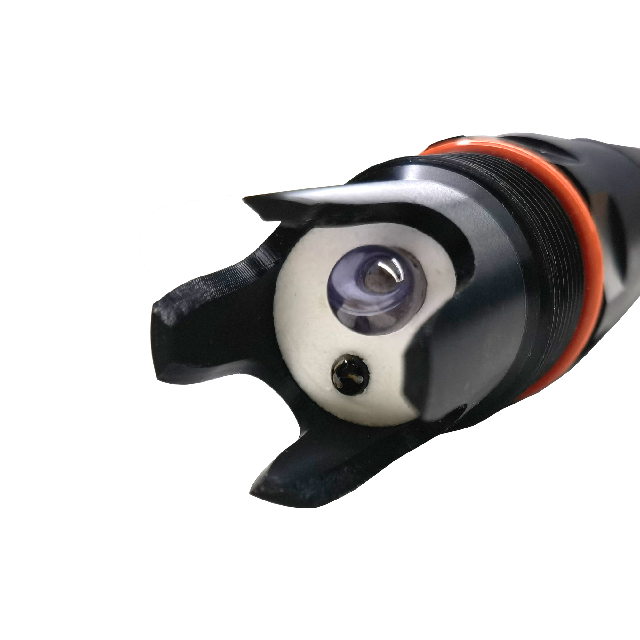
- Sensing head: pH-sensitive glass bulb, reference diaphragm (salt bridge), gel electrolyte; some dual salt bridge designs resist contamination and sulfide poisoning;
- Temperature element: PT1000/NTC, close to the electrode, measures medium temperature in real time;
- Signal processing board (smart core): high-impedance amplifier, ADC, MCU microprocessor, memory chip;
✨Calibration parameters, zero point, slope directlyStored locally in the sensor probe, unplug and connect to another device, calibration data is not lost, achieving plug-and-play.
- Communication drive unit: RS485, SDI-12, some also support 4-20mA;
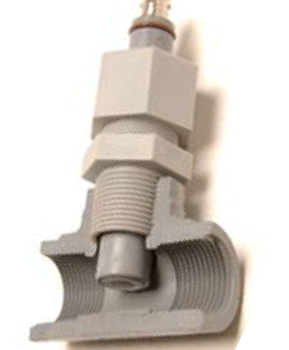
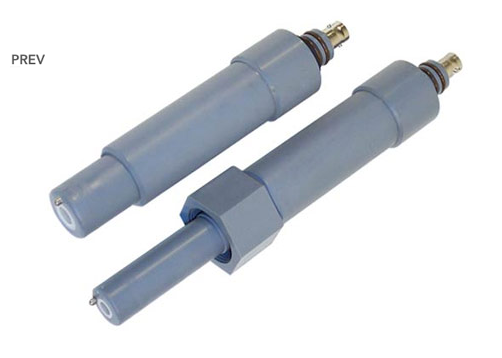
- Enclosure: PVC/PP/PEEK, IP68 waterproof, suitable for long-term underwater immersion.
III. Main technical parameters of smart pH sensor monitoring (general industrial grade)
Table
| Item | Parameter |
|---|---|
| Measurement range | 0.00‑14.00 pH |
| 分辨率 | 0.01 pH |
| Measurement accuracy | ±0.02~±0.05pH |
| temperature measurement | 0-60℃, PT1000, automatic temperature compensation |
| Output interface | RS485 Modbus-RTU (mainstream); optional 4-20mA, SDI-12 |
| Power supply | DC12‑24V |
| 防护等级 | IP68 |
| Pressure tolerance | 0‑0.5MPa |
| Response time | T90<5‑10s |
| Stability | ≤0.02pH/24h |
IV. Core advantages of smart pH sensors (compared to traditional analog electrodes)
- Digital signal, strong anti-interference, long wiring distanceanalog mV signals are highly susceptible to interference from frequency converters and motors, with cable lengths generally not exceeding 20 meters; smart digital signals via RS485 can reach up to thousands of meters, suitable for remote field installation.
- Calibration data stored locally, plug-and-playCalibration is stored in the probe, no need for repeated calibration on the control cabinet instrument; can be calibrated in the lab, then installed and used directly on site.
- Built-in diagnostic function (high-end ISM series)Internally monitors electrode aging, diaphragm blockage, glass bulb contamination, outputs electrode slope, impedance, predicts lifespan, early warning of faults, reducing downtime maintenance.
- Integrated temperature compensation, no external temperature probe neededMany analog systems require an additional temperature electrode; the smart probe integrates temperature acquisition and compensation in one unit.
- Simple system integrationdirectly interfaces with PLC, microcontroller, DTU, and IoT cloud platforms, eliminating the need for expensive dedicated pH transmitters and reducing overall system cost.
- Some support remote calibrationCalibration commands sent via communication protocol, no need to disassemble the probe, remote calibration completed.
Shortcoming: electrode glass bulb and electrolyte will age, still require regular maintenance, not maintenance-free.
V. Common output types of smart pH sensor monitoring
- RS485 Modbus-RTU (most commonly used)register readout: pH value, temperature, raw mV, electrode slope; suitable for IoT, PLC, SCADA systems, and multi-sensor bus networking.
- 4-20mA current output smart pHmaps pH to 4-20mA analog signals for connection to standard acquisition modules.
- SDI‑12Low-power sensor interface for environmental monitoring and hydrological field stations.
VI. Application scenarios of smart pH sensor monitoring
- Sewage treatment plant: automatic pH adjustment in aeration tanks and neutralization tanks;
- Environmental water quality monitoring: River, reservoir, sewage outlet online monitoring stations;
- Aquaculture: real-time pH monitoring in fish ponds and shrimp ponds;
- Industrial process: Electroplating, chemical, pharmaceutical, water treatment dosing control;
- Drinking water supply, surface water monitoring; laboratory online processes; food fermentation CIP/SIP high-temperature sterilization processes (hygienic digital pH)。
Main Application Areas
- Industrial Wastewater Treatment — Monitor pH levels in industrial effluents to ensure compliance with environmental regulations and optimize treatment processes.
- Environmental Water Monitoring — Measure pH in rivers, lakes, and groundwater to assess water quality and detect pollution events.
- Aquaculture — Maintain optimal pH ranges in fish and shrimp farming to ensure healthy aquatic life and maximize yields.
- Municipal Water Supply — Monitor pH in drinking water treatment and distribution systems to ensure safety and prevent corrosion.
Keywords:smart pH sensor, digital pH sensor, AMT-PH300, water quality sensor, pH probe for PLC, online pH monitor, industrial pH sensor, wastewater pH sensor