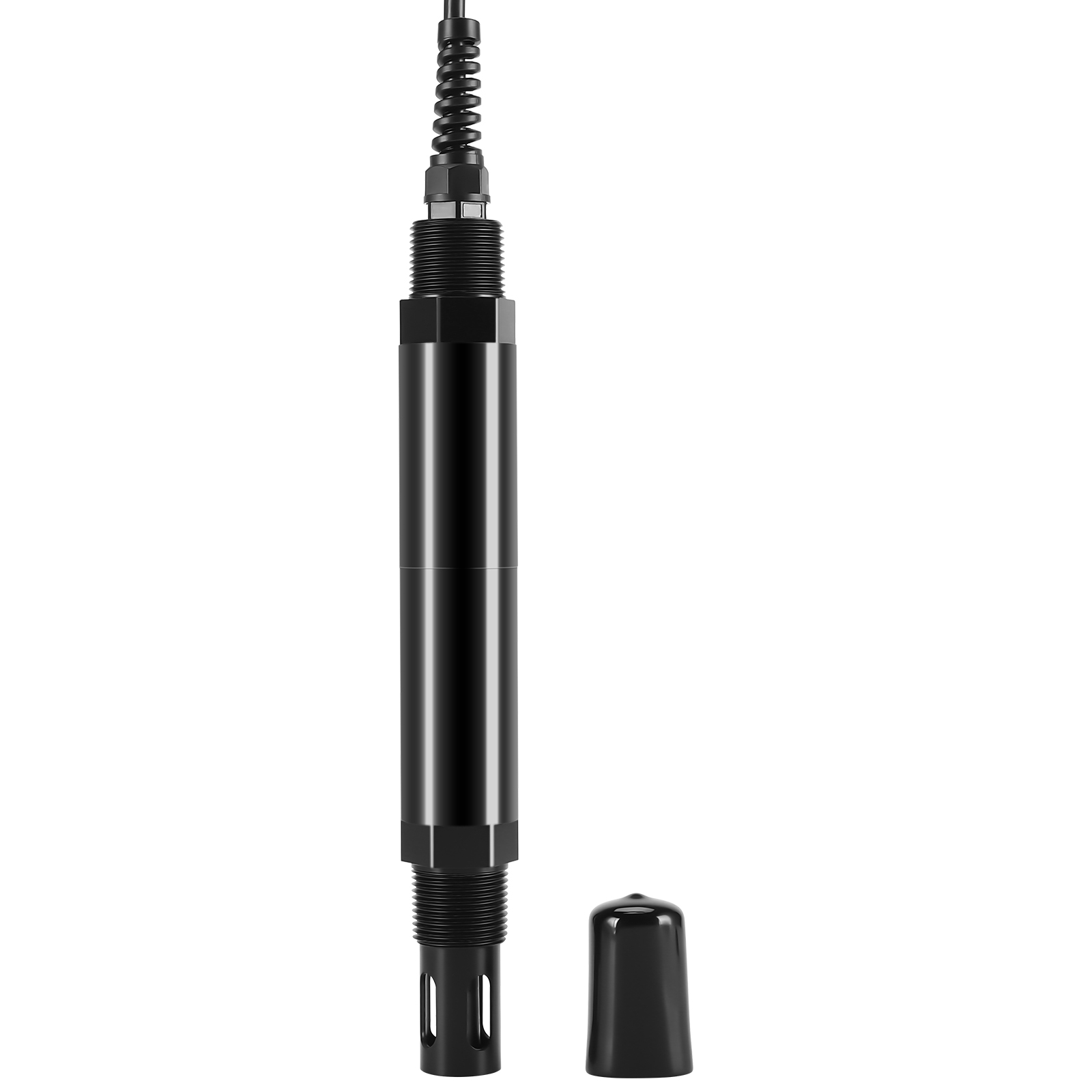
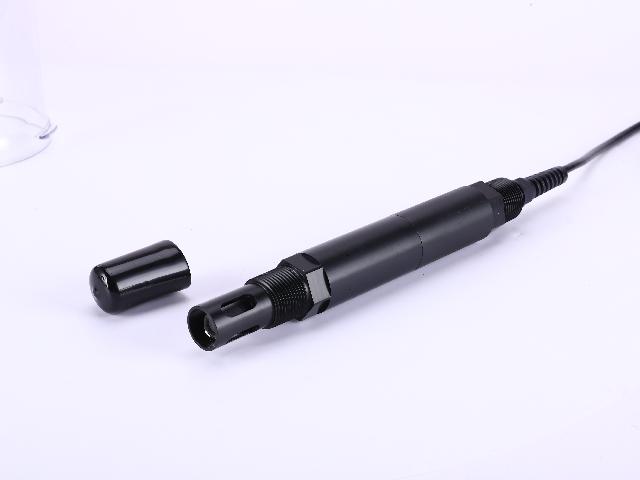
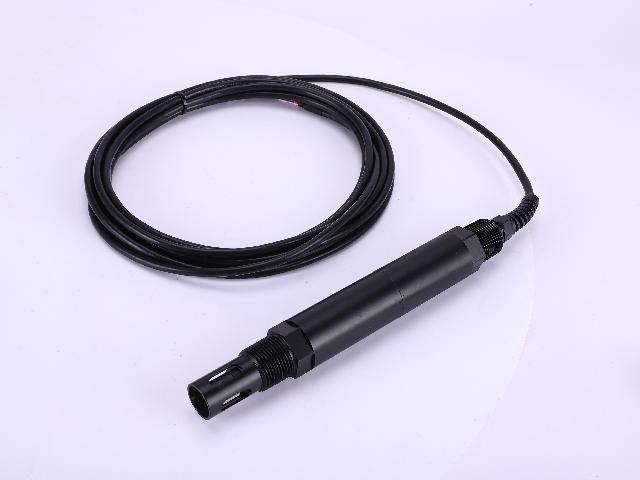
High-precision residual chlorine monitoring sensor - AMT-YL300
Built-in chip simultaneously collects waterpH, temperature, automatically compensated through algorithms, eliminating pH, temperature interference on residual chlorine forms, calculating true residual chlorine concentration, outputting digital signal.
Product Introduction
High-precision residual chlorine monitoring sensor
1. Measurement Principle
Mainstream is three-electrode potentiostatic (constant voltage) membrane electrochemical method (polarographic membrane method):
The sensor consists of a working electrode, counter electrode, and reference electrode, with a selective permeable membrane at the front;
Hypochlorous acid in the water sample (HOCl, free residual chlorine effective component) passes through the membrane, undergoes redox reaction on the working electrode surface, generating a weak diffusion current;
Current magnitude is linearly related to residual chlorine concentration;
Built-in chip simultaneously collects water pH, temperature, automatically compensated through algorithms, eliminating pH, temperature interference on residual chlorine forms, calculates true residual chlorine concentration, outputs digital signal.
A few optical smart residual chlorine sensors adopt DPD Spectrophotometric color development principle, higher accuracy, but requires periodic reagent replenishment and higher maintenance costs.
2. Structural Composition
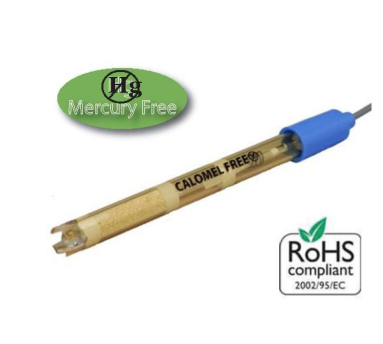
Sensing probe: platinum / Gold working electrode, silver/silver chloride reference electrode, breathable membrane cap;
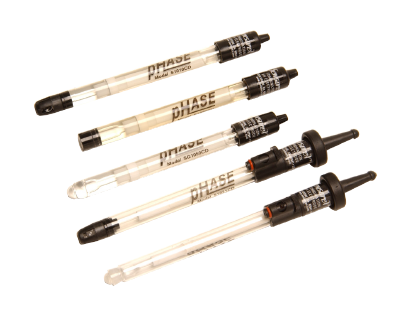
Built-in sensing unit: integrated temperature electrode, many models integrate pH Electrode;
Signal and processing module: embedded MCU, signal amplification, filtering, calibration algorithm;
Communication circuit:RS485 Modbus-RTU, some also support 4-20mA Analog output;
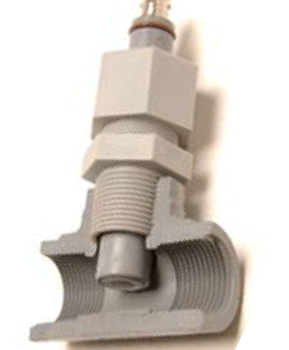
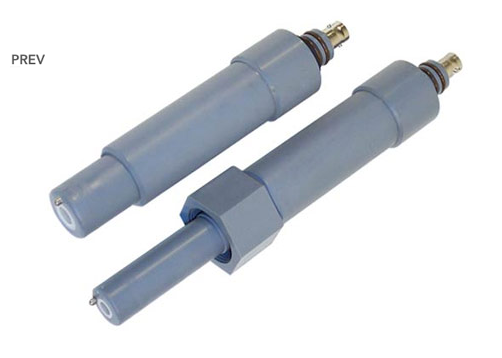
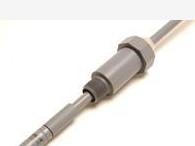
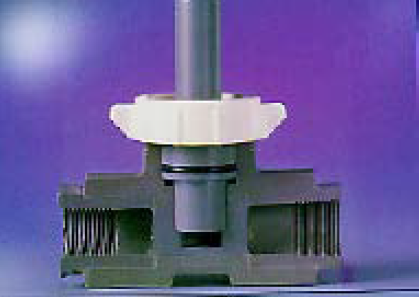
Housing:316L Stainless Steel / ABS,IP68 Waterproof, supports pipeline flow cell installation or immersion installation.
High-precision residual chlorine monitoring sensor
3. Core Features (Smart comparison with traditional analog residual chlorine electrodes)
Digital signal output:RS485 Modbus, strong anti-interference, long-distance transmission, supports multi-sensor bus networking;
Automatic compensation:pH + Dual temperature compensation, solving the pain point of residual chlorine measurement being greatly affected by pH and water temperature;
Local storage and self-diagnosis: built-in calibration records, fault self-check, can alert for membrane aging and electrode contamination;
Reagent-free continuous monitoring: electrochemical membrane type requires no chemical reagents, suitable for long-term online operation;
Installation flexibility: pipeline flow cell, immersion, tank installation; some with flow stabilization structure to reduce water flow velocity interference;
Easy maintenance: membrane cap and electrode can be replaced separately, calibration is simple.
4. Typical Technical Parameters (General Reference)
Measurement target: free residual chlorine (total chlorine optional)
Range:0~5mg/L、0~10mg/L、0~20mg/L Optional
Resolution:0.01mg/L
Accuracy:±5% FS, low concentration range up to ±0.05mg/L
Response time T90:20~60s
Temperature measurement:0~50℃, automatic temperature compensation
Communication:RS485 Modbus RTU
Protection rating:IP68
Power supply:DC12~24V
High-precision residual chlorine monitoring sensor
5. Application scenarios
Water treatment plant: online residual chlorine monitoring of finished water and filtered water;
Secondary water supply / Pipe network monitoring: water quality monitoring in residential pump rooms and pipe network endpoints;
Swimming pool and hot spring water: real-time monitoring of pool water disinfection residual chlorine;
Industrial water treatment: circulating cooling water, reclaimed water reuse, reverse osmosis pretreatment;
Sewage disinfection process: sodium hypochlorite / Monitoring of tail water after chlorine dioxide disinfection.
6. Purpose and Value
Real-time monitoring of residual chlorine to prevent microbial growth due to too-low levels or disinfection byproducts from too-high levels;
Linked with chlorine dosing pump to form an automatic chlorination closed-loop control system, reducing labor and stabilizing water quality;
Data uploaded to cloud platform, supports historical record query and over-limit alarms, meeting water utility environmental online supervision;
Replace manual DPD Colorimetric spot checks, solving the shortcomings of manual sampling lag and inability to monitor continuously.
7. Maintenance Points
Regularly clean the probe membrane surface to prevent algae, sludge, and scale adhesion;
Regularly calibrate with standard solution (generally 1~3 monthly);
The permeable membrane has a service life, generally 6~12 Replace membrane cap every month;
Avoid high turbidity and heavily oil-contaminated water bodies directly impacting the electrode membrane.
If you need, I can help you organize a smart residual chlorine sensor selection guide or a concise product manual.
Main Application Areas
- Drinking Water Treatment — Monitor residual chlorine levels in drinking water treatment processes to ensure disinfection effectiveness and compliance with safety standards.
- Swimming Pool Monitoring — Continuously measure free chlorine in swimming pools to maintain proper sanitization levels and ensure swimmer safety.
- Wastewater Treatment — Track residual chlorine in effluent to control disinfection and minimize environmental impact.
- Industrial Cooling Water — Monitor chlorine concentration in cooling water systems to prevent biofouling and corrosion.
Keywords:residual chlorine sensor, online chlorine analyzer, water quality sensor, free chlorine monitor, digital chlorine sensor, smart water treatment, pH compensated chlorine sensor, AMT-YL300