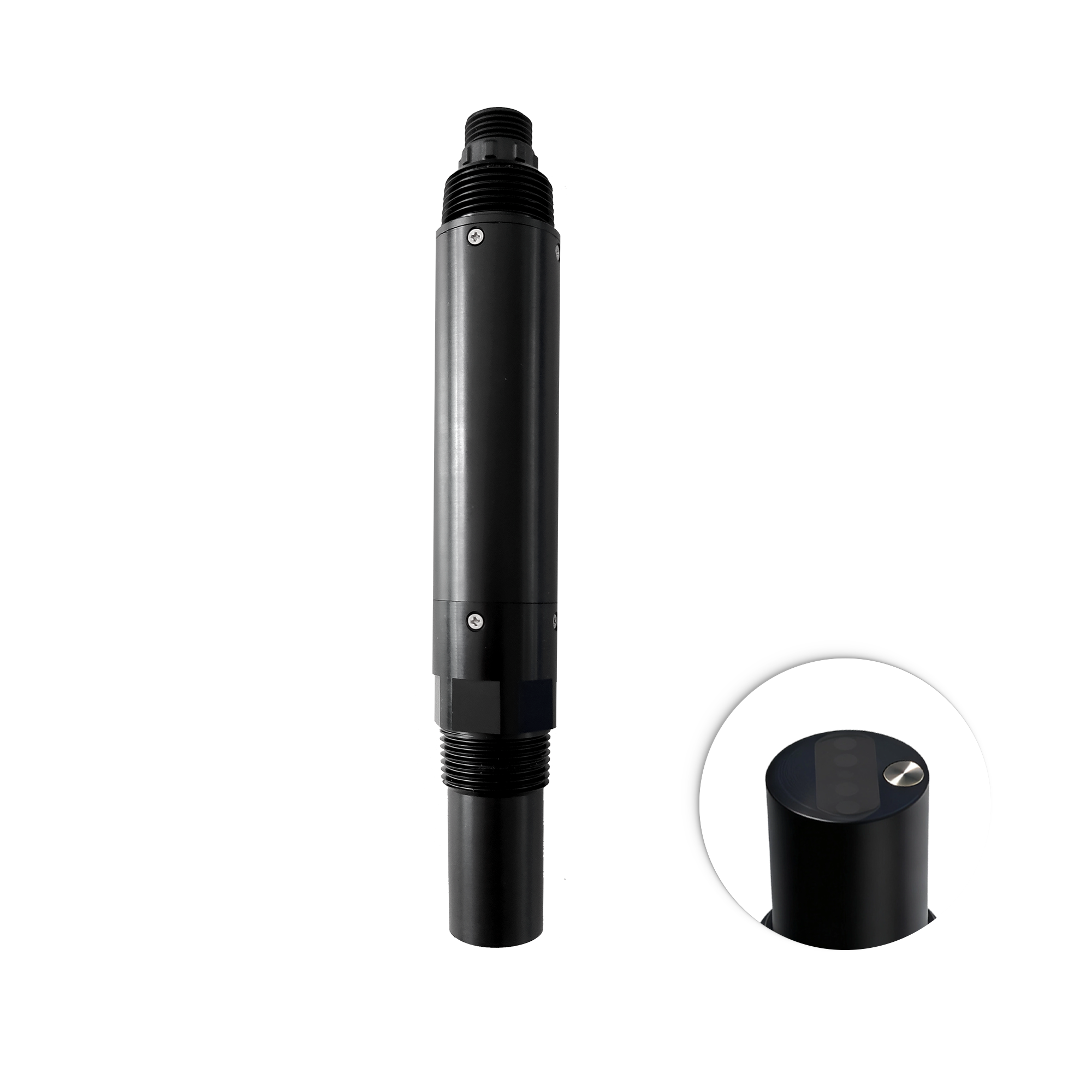

Smart residual chlorine sensor residual chlorine analyzer - AMT-YL300
The sensor is based onConstant voltage methodWorking: maintain a stable potential at the electrode measurement end. Different components in the water body generate current signals of different intensities under this potential, and the signal has a good linear relationship with the residual chlorine concentration, thereby calculating the residual chlorine or hypochlorous acid content in the water
Product Introduction
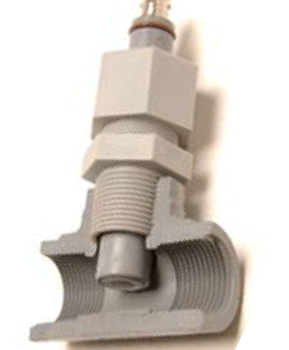
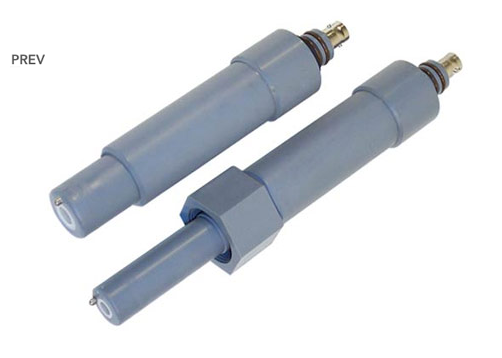
Smart residual chlorine sensor
is a kind ofConstant voltage methodorPolarographic methodPrinciple-based digital water quality analysis instrument for real-time monitoring of residual chlorine content in water bodies. It has a built-in microprocessor andRS485 digital interface, supportingModbus communication protocol, with automatic temperature compensation,Self-diagnostic function and zero-maintenance design, and can be widely used in scenarios such as drinking water, swimming pool water, and industrial circulating water.
Intelligent residual chlorine sensor residual chlorine detector
Core technical principle
The sensor is based onConstant voltage methodWorking: maintain a stable potential at the electrode measurement end. Different components in the water body generate current signals of different intensities under this potential, and the signal has a good linear relationship with the residual chlorine concentration, thereby calculating the residual chlorine or hypochlorous acid content in the water-1-12。
Its technical features are as follows:
| Feature Dimensions | Technical description |
|---|---|
| Measurement principle | Constant voltage method (three-electrode system: working electrode, counter electrode, reference electrode)-1-5-6 |
| 信号输出 | RS485 digital interface, supporting standard Modbus RTU protocol; some models also provide 4-20mA analog output-1-5-7 |
| Temperature compensation | Built-in digital temperature sensor (such as Pt1000), automatically compensates for the influence of temperature on measurement values-1-4-12 |
| Core advantages | No reagents, no membrane replacement, easy maintenance, response time usually <30 seconds |
Intelligent residual chlorine sensor residual chlorine detector
Typical application scenarios
The smart residual chlorine sensor is suitable for all occasions where disinfection effect monitoring and residual chlorine management of water bodies are required-1-4-5:
Drinking water treatment: residual chlorine monitoring at the outlet of water treatment plants and the end of the pipe network, ensuring drinking water safety-5-6.
Swimming pools and water parks: real-time detection of disinfectant residue, preventing bacterial growth, and protecting skin health-2-5.
Industrial circulating water: microbial control in cooling towers and boiler feedwater systems, preventing biological fouling-5.
Medical wastewater: residual chlorine monitoring in hospital sewage disinfection processes, ensuring compliant discharge-5-6.
Intelligent residual chlorine sensor residual chlorine detector
🔍 Selection points
Determine range and accuracy: for drinking water monitoring, a low range of 0-2mg/L is commonly used-6; for industrial circulating water or sewage disinfection, 0-10mg/L or even higher may be needed-5-6. In terms of accuracy, ±5% error is generally acceptable in industrial sites-4-10, while laboratories or strictly monitored scenarios require higher accuracy-2-10.
Confirm output and integration: confirm whether the sensor output interface (RS485 Modbus is mainstream) is compatible with your PLC or SCADA system-1-3-5. Some models also provide 4-20mA analog output for easy integration into traditional control systems-5-7.
Evaluate environment and maintenance: according to the installation environment (such as humid, corrosive), choose an appropriate protection level (such as IP68 submersible-1-4 or IP65 splash-proof-5-7). Models with no reagents and long electrode life can reduce later maintenance costs-1-5.
If you have a specific application scenario (such as for online monitoring in a water treatment plant, or swimming pool water quality inspection), you can tell me, and I can help you further analyze more detailed selection points.
Main Application Areas
- Drinking Water Treatment — Monitor residual chlorine levels in municipal water supplies and treatment plants to ensure disinfection effectiveness and compliance with safety standards.
- Swimming Pool & Spa — Continuously measure chlorine concentration in pools and spas to maintain hygienic conditions and prevent harmful microbial growth.
- Industrial Cooling Water — Control residual chlorine in cooling towers and industrial water systems to prevent biofouling and corrosion, optimizing operational efficiency.
- Wastewater Treatment — Monitor chlorine residual in effluent disinfection processes to ensure environmental compliance and protect receiving water bodies.
Keywords:residual chlorine sensor,smart chlorine analyzer,AMT-YL300,water quality sensor,RS485 chlorine sensor,Modbus chlorine probe,online chlorine monitor,drinking water chlorine sensor