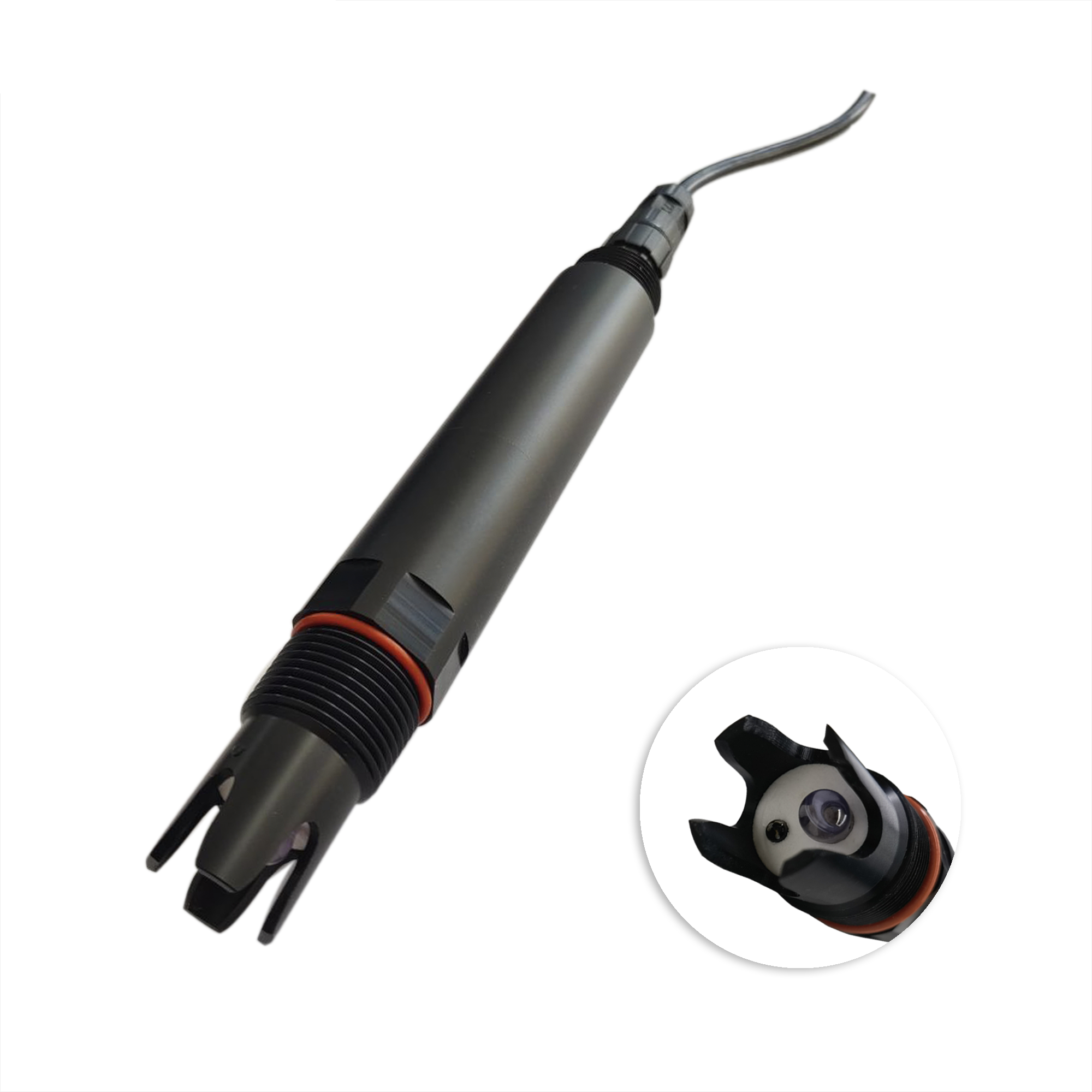

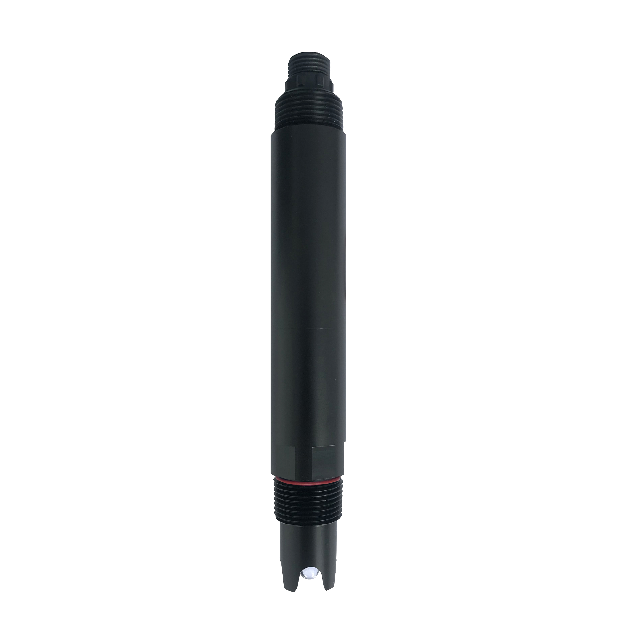
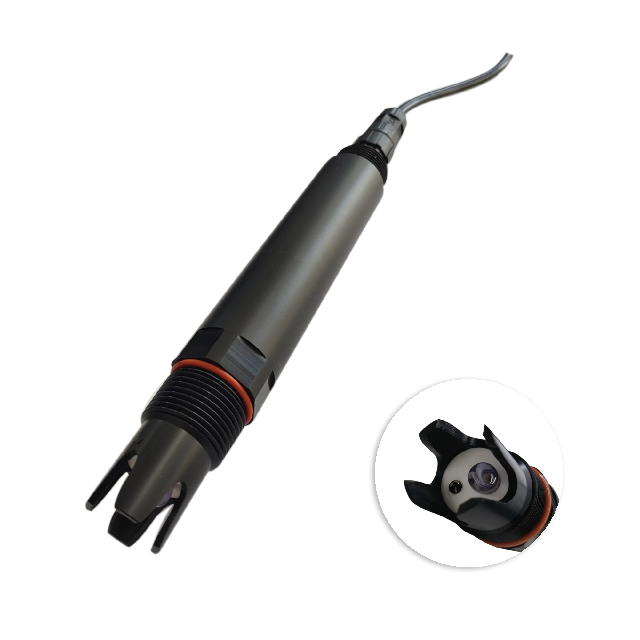
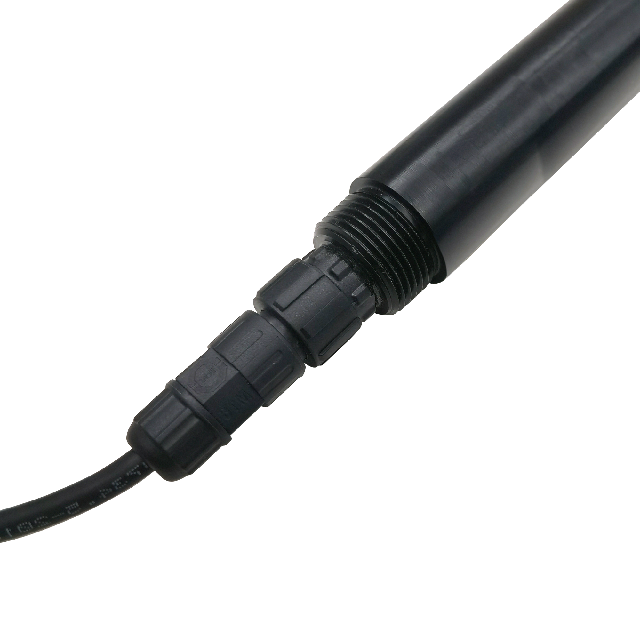
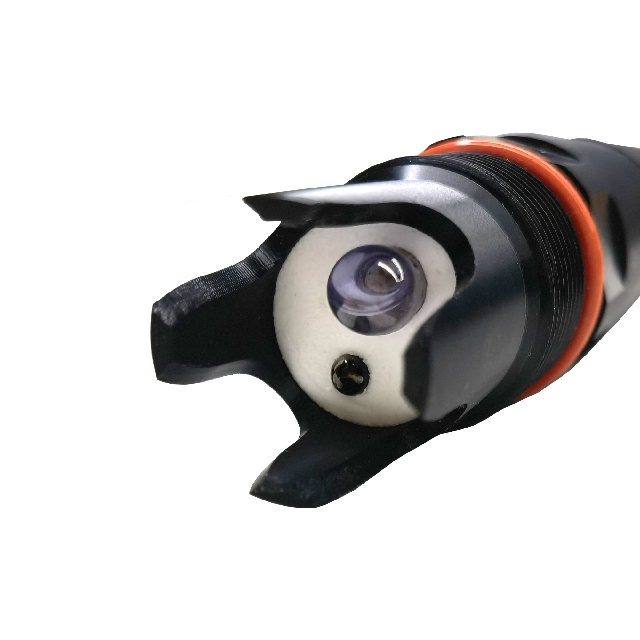
Smart ORP sensor oxidation-reduction potential detector - AMT-ORP300
Smart ORP SensorIt is a device used to measureOxidation-reduction potential(Oxidation-Reduction Potential) digital water quality analysis instrument. It reflects the chemical or biological reaction state of water by monitoring the electron transfer activity between oxidants and reductants in the solution-4-6。
Its biggest difference from ordinary ORP sensors lies in the word "smart," mainly reflected inDigital output, self-diagnostic functions, and integrated design上-1-10。
Product Introduction
Smart ORP SensorThe main product forms are as follows to adapt to different scenarios:
Product type: Main features: Typical application scenarios
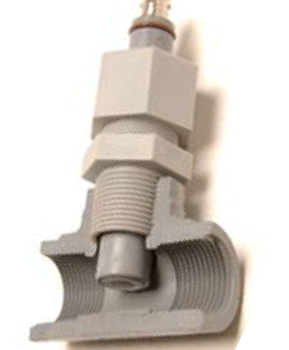
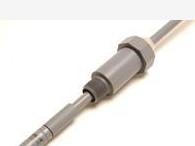
Industrial online type: Fixed installation, used with transmitter or controller, supports dual signal output of 4-20mA and RS485 -1-2. Sturdy housing (protection rating IP65), suitable for harsh industrial sites -2-7. Used in biochemical tanks of wastewater treatment plants, chemical reaction processes, and industrial circulating water monitoring -1-2-7.
Portable type: Handheld design, lightweight, built-in battery power, equipped with a high-definition screen for quick on-site readings. Usually has data storage and export functions -4-5-6. Suitable for on-site inspections, emergency monitoring, and surface water sampling analysis -4-6.
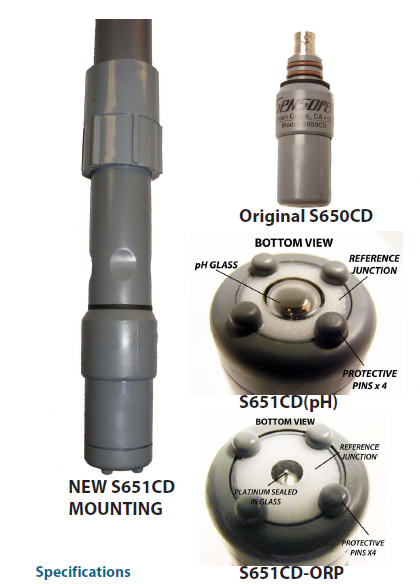
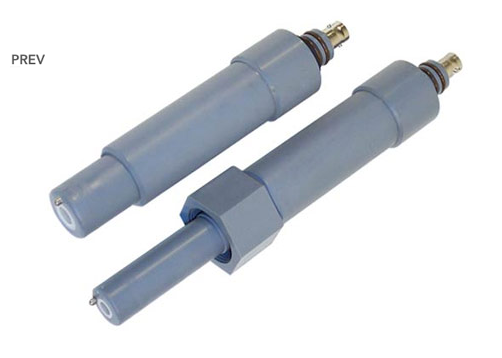
Digital electrode type: Uses integrated design, the sensor probe directly outputs RS485 digital signal -8-9. Compact size, low power consumption, high protection rating (IP68) -8-9-12. Suitable for scenarios requiring long-term monitoring by direct immersion in water bodies, such as rivers, aquaculture ponds, and discharge outlets -9-12.
💡 Core advantages and selection points
Smart ORP SensorThe core advantages lie in data reliability and maintenance convenience. Digital output ensures signal stability over long-distance transmission, and powerful self-diagnostic functions turn passive maintenance into proactive alerts, reducing the risk of unexpected downtime -7-10.
When selecting a specific product, you can evaluate based on the following points:
Range and accuracy: Conventional products have a range of -2000mV to +2000mV, with accuracy typically between ±1mV and ±5mV -2-4-7. For high-precision scientific research or laboratory testing, products with accuracy up to ±0.5mV can be chosen -6.
Signal output: Confirm whether simultaneous support for 4-20mA analog signal and RS485 digital signal is needed to meet the requirements for interfacing with existing PLC or DCS systems -1-2.
Electrode material and protection: For harsh environments like wastewater, choose platinum electrodes and 316L stainless steel housing, and ensure the protection rating meets standards (e.g., IP68 for long-term immersion) -8-12.
Installation method: Depending on whether it is a new system or a retrofit project, choose a suitable installation structure, such as pole mounting, wall mounting, or direct immersion -7-8.
Main Application Areas
- Water Treatment — Monitoring oxidation-reduction potential in municipal and industrial wastewater treatment processes to ensure effective disinfection and chemical dosing.
- Environmental Monitoring — Assessing the redox state of natural water bodies such as rivers, lakes, and groundwater to evaluate pollution levels and ecosystem health.
- Aquaculture — Controlling water quality in fish farms and aquaculture systems by tracking ORP to maintain optimal conditions for aquatic life.
- Industrial Process Control — Ensuring proper redox conditions in chemical, pharmaceutical, and food processing industries to optimize reactions and product quality.
Keywords:smart ORP sensor, oxidation-reduction potential sensor, digital ORP sensor, water quality sensor, ORP electrode, online ORP monitor, industrial ORP sensor, AMT-ORP300