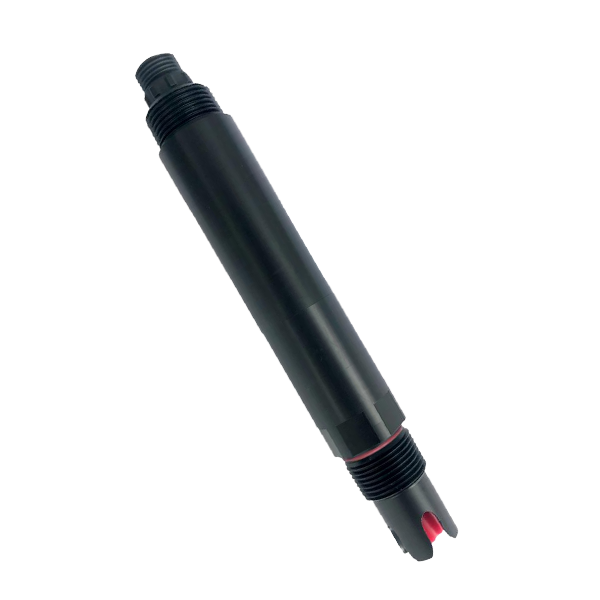
pH sensor installation method - AMT/PH-CGQ
1. Measurement range: 0~14pH
2. Accuracy: ±0.02pH / ±0.05pH (available in standard and high-precision versions)
3. Resolution: 0.01pH
4. Temperature compensation: automatic ATC 0~60℃ (pH measurement is affected by temperature, temperature electrode included as standard)
5. Response time: ≤30s (95% stable value)
6. Zero point: 7.00pH; Slope: 90%~105% Analog signal: 4-20mA (most commonly used)
• Digital signal: RS485 (Modbus-RTU)
• Power supply: 12~24VDC
• Cable length: 5m/10m customizable
Product Introduction
pH sensor installation method: multiple installation types
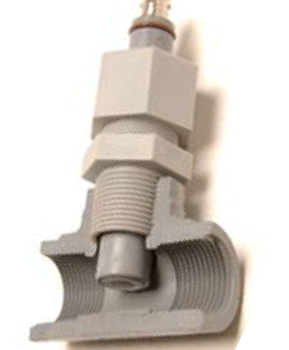
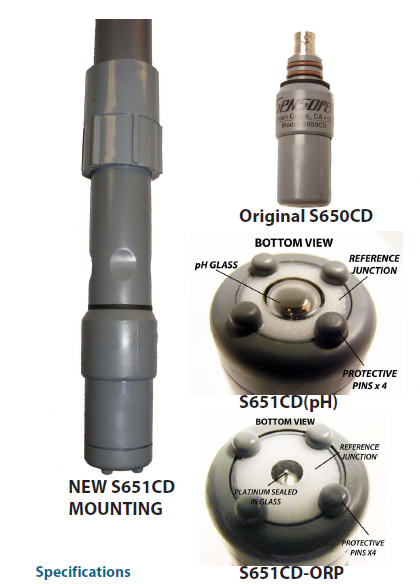
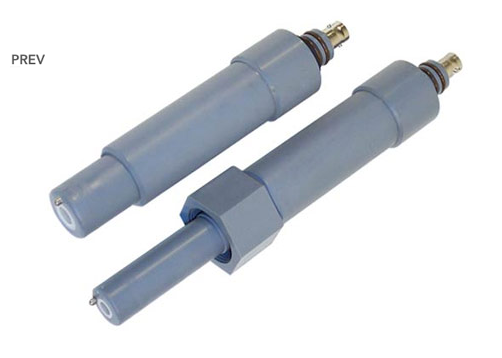
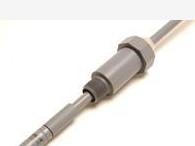
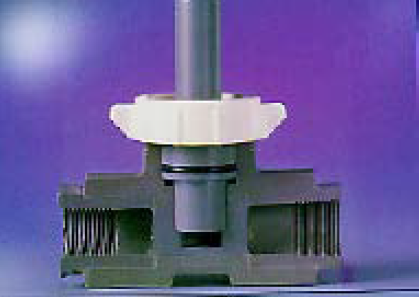
pH sensor installation methods include submersible, pipeline, flow-through, and buoy types. Search keywords: pH sensor installation method, pH sensor installation, pH sensor installation type. The installation method depends on the water body and monitoring requirements. Correct pH sensor installation methods ensure accurate measurement and convenient maintenance.
pH sensor installation method: pay attention to the installation position
For pH sensor installation methods, attention should be paid to the installation position to avoid the effects of bubbles, sediment, and strong water flow. Pipeline installation should ensure sealing, and submersible installation should be firmly fixed. pH sensor installation methods help users improve measurement stability. pH sensor installation methods are widely used in water treatment systems.
pH sensor installation method: easy maintenance
pH sensor installation methods can be used in conjunction with other installation steps to form a complete installation plan. Mastering the correct pH sensor installation method can increase the service life of the sensor
Main Application Areas
- Wastewater Treatment — Installation of pH sensors in aeration tanks and discharge outlets for continuous pH monitoring to ensure compliance with environmental regulations.
- Industrial Process Water — Mounting pH probes in pipelines or flow-through chambers to monitor and control pH levels in chemical, pharmaceutical, and food processing.
- Aquaculture — Immersion or float-type pH sensor installation in fish ponds and tanks to maintain optimal pH for aquatic life health.
- Environmental Water Monitoring — Deployment of pH sensors in rivers, lakes, and reservoirs for long-term water quality assessment and pollution tracking.
- Drinking Water Treatment — Installation of pH sensors in filtration and disinfection stages to ensure safe and palatable drinking water.
Keywords:pH sensor installation, pH sensor mounting, pH probe installation, pH electrode installation, water quality pH sensor, industrial pH sensor, pH sensor setup, pH measurement installation