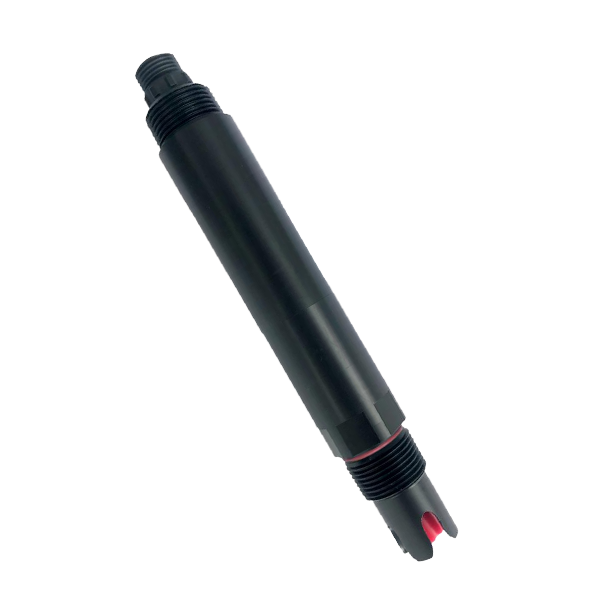
pH Sensor Selection Guide - AMT/PH-CGQ
1. Measurement range: 0~14pH
2. Accuracy: ±0.02pH / ±0.05pH (available in standard and high-precision versions)
3. Resolution: 0.01pH
4. Temperature compensation: automatic ATC 0~60℃ (pH measurement is affected by temperature, temperature electrode included as standard)
5. Response time: ≤30s (95% stable value)
6. Zero point: 7.00pH; Slope: 90%~105% Analog signal: 4-20mA (most commonly used)
• Digital signal: RS485 (Modbus-RTU)
• Power supply: 12~24VDC
• Cable length: 5m/10m customizable
Product Introduction
pH Sensor Selection Guide: Choose on Demand
The pH sensor selection guide helps users choose the right sensor based on range, accuracy, output signal, installation method, and water conditions. Search keywords: pH sensor selection guide, pH sensor selection, how to choose a pH sensor. Selection covers drinking water, wastewater, aquaculture, and industrial applications. The pH sensor selection guide ensures reliable performance.
pH Sensor Selection Guide: Focus on Parameters
The pH sensor selection guide recommends focusing on measurement range, accuracy, temperature compensation, protection rating, and communication method. Different application scenarios should choose corresponding models. The pH sensor selection guide helps users reduce operating costs. The pH sensor selection guide is widely used in water treatment projects.
pH Sensor Selection Guide: Improve Efficiency
The pH sensor selection guide can be used in conjunction with other selection steps to form a complete selection plan. Referring to the pH sensor selection guide can improve monitoring system efficiency.
Main Application Areas
- Drinking Water Treatment — Monitors pH during coagulation, disinfection, and distribution to ensure compliance with drinking water quality standards.
- Wastewater Treatment — Controls pH in aeration, neutralization, and discharge stages to optimize biological processes and meet environmental regulations.
- Aquaculture — Maintains optimal pH levels in fish and shrimp farming to support healthy growth and prevent stress-related diseases.
- Industrial Process Water — Provides accurate pH measurement in cooling towers, boilers, and chemical processes to protect equipment and ensure product quality.
- Environmental Monitoring — Used in rivers, lakes, and groundwater for continuous pH monitoring to assess ecosystem health and pollution levels.
Keywords:pH sensor selection guide, pH sensor selection, how to choose pH sensor, industrial pH sensor, water quality pH sensor, pH probe selection, pH measurement guide, pH sensor buying guide