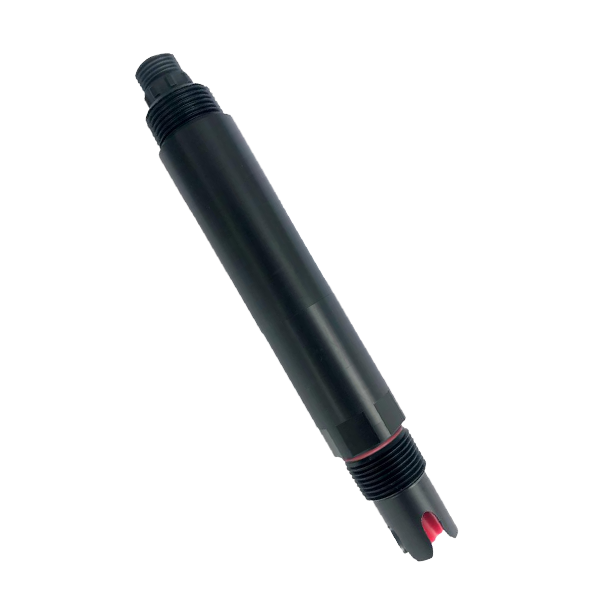
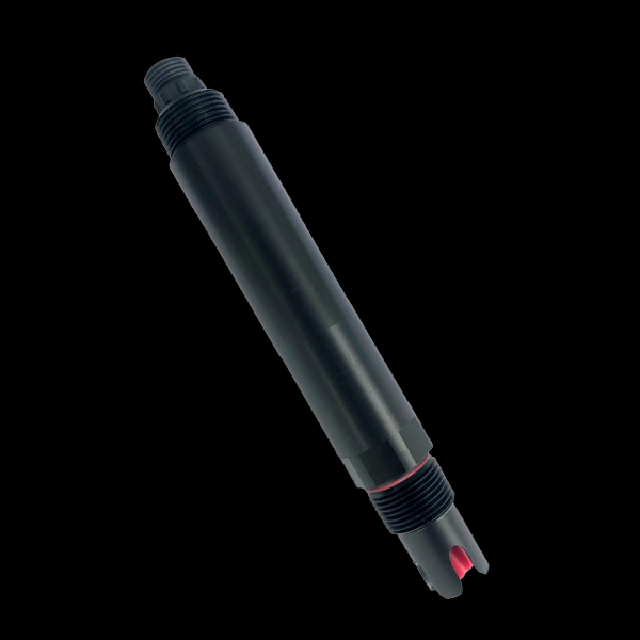
Water Treatment Residual Chlorine Sensor - AMT/YL-CGQ
Measurement parameters
• Measurement range: 0–2 mg/L; 0–5 mg/L; 0–10 mg/L (optional)
• Measurement accuracy: ±0.02 mg/L or ±3%FS (whichever is greater)
• Resolution: 0.001 mg/L
• Principle: constant voltage method (membrane electrode)
• pH effect: Recommended sample water pH 6.5–8.5; pH compensation required
• Response time: T90 ≤60s
Working conditions
• Medium temperature: 0–45°C
• Working pressure: 0–0.4 MPa (0–4 bar)
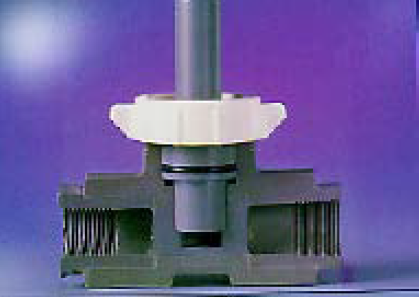
• Flow rate: 100–300 mL/min (flow-through installation, stable flow rate)
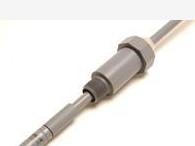
• Housing material: PVC / PVDF (optional)
Product Introduction
Water Treatment Residual Chlorine Sensor: Core Monitoring Equipment for Disinfection Processes
The water treatment residual chlorine sensor is a core online monitoring device in water treatment disinfection systems. Search keywords: water treatment residual chlorine sensor, water treatment residual chlorine monitoring, online residual chlorine sensor. This sensor is mainly used for continuous residual chlorine monitoring in water plants, wastewater treatment plants, industrial water treatment, and circulating water systems. In the water treatment process, the residual chlorine content is directly related to disinfection effectiveness and effluent safety, so real-time monitoring of residual chlorine changes is necessary. The water treatment residual chlorine sensor adopts electrochemical or colorimetric principles, with fast response speed and good measurement stability, suitable for long-term online operation. The sensor can be installed at water plant outlets, pipeline network monitoring points, and industrial water treatment pipelines, helping operators adjust the chlorination process in a timely manner.
Water Treatment Residual Chlorine Sensor: Supports Multiple Signal Outputs
The water treatment residual chlorine sensor supports RS485, 4-20mA, and Modbus outputs, and can be connected to PLC, SCADA, and water treatment automation systems. The protection rating reaches IP68, suitable for long-term submerged operation. The water treatment residual chlorine sensor has flexible installation methods and can be used for pipeline, immersion, and flow-through monitoring. The sensor has advantages such as strong anti-pollution capability, convenient calibration, and low maintenance. The water treatment residual chlorine sensor helps water treatment enterprises improve disinfection efficiency, reduce chemical consumption, and ensure stable compliance of effluent water quality.
Water Treatment Residual Chlorine Sensor: Wide Range of Application Scenarios
The water treatment residual chlorine sensor is widely used in water plants, wastewater treatment plants, industrial circulating water, swimming pool water treatment, and secondary water supply systems. In the water treatment process, the residual chlorine sensor can be used in combination with other online instruments to form a complete water quality monitoring solution. The water treatment residual chlorine sensor helps operators understand disinfection effectiveness and promptly detect residual chlorine abnormalities. Choosing a water treatment residual chlorine sensor with good stability and convenient maintenance is of great significance to the safe operation of water treatment systems.
Water Treatment Residual Chlorine Sensor: Maintenance and Calibration
Water treatment residual chlorine sensors usually require regular calibration and replacement of reagents or membrane heads to ensure measurement accuracy. Proper maintenance can extend sensor life and improve data reliability. The long-term stable operation of the water treatment residual chlorine sensor is crucial to water treatment disinfection management. Reasonable use of the water treatment residual chlorine sensor can improve the automation level of water treatment systems.
Water Treatment Residual Chlorine Sensor: Improve Management Level
The water treatment residual chlorine sensor can continuously provide residual chlorine data, helping water treatment enterprises achieve refined management. When used with a cloud platform, it can also enable remote viewing, historical data queries, and over-limit alarms. Choosing a water treatment residual chlorine sensor with stable performance can improve the level of water treatment management.
Main Application Areas
- Municipal Water Treatment — Continuous residual chlorine monitoring at water plant outlets and distribution network points to ensure disinfection safety.
- Wastewater Treatment — Online chlorine monitoring in wastewater disinfection processes to optimize dosing and ensure compliance.
- Industrial Water Treatment — Residual chlorine measurement in industrial cooling water, boiler feedwater, and process water systems.
- Circulating Water Systems — Real-time chlorine monitoring in cooling towers and circulating water to control microbial growth and corrosion.
Keywords:residual chlorine sensor, water treatment sensor, online chlorine analyzer, chlorine monitoring, water quality sensor, electrochemical chlorine sensor, industrial chlorine sensor, chlorine measurement