Product Introduction
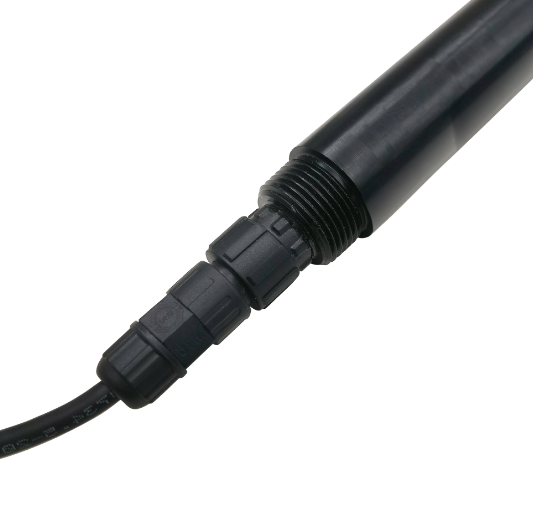
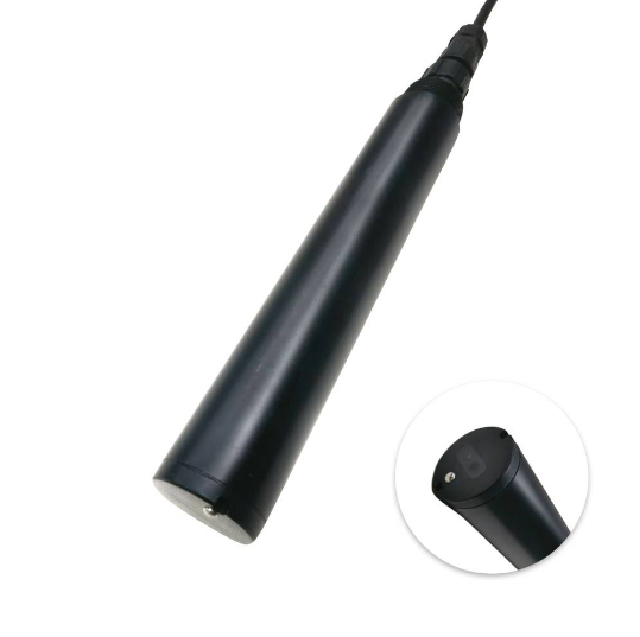
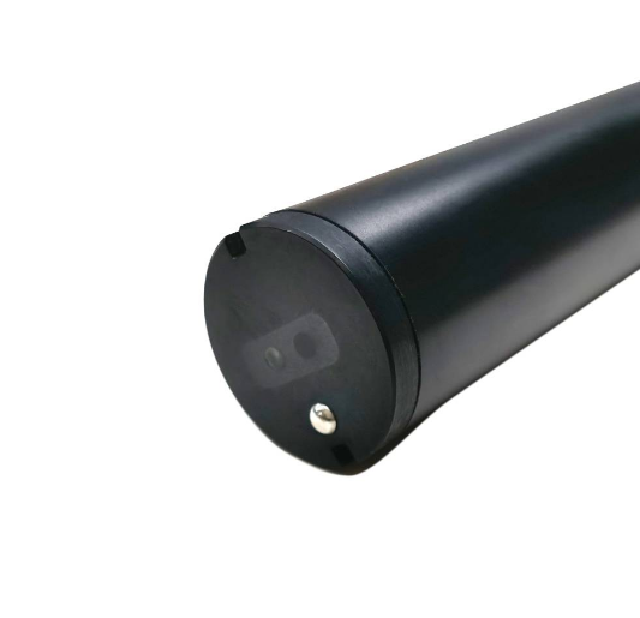
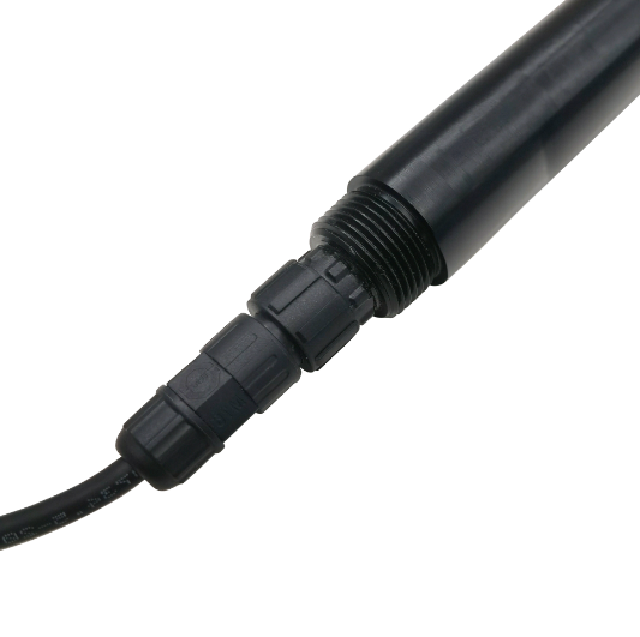
Constructed wetland tailwater turbidity sensor
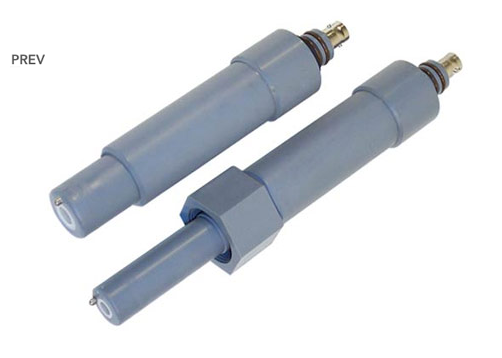
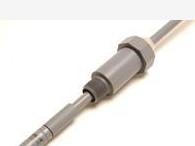
The constructed wetland tailwater turbidity sensor is a core water quality monitoring device specially used to detect the degree of water turbidity. Relying on optical detection principles, it captures the scattering and absorption changes of light caused by suspended particles and colloidal impurities in water, and accurately quantifies the turbidity value of the water body. It is widely used in municipal sewage, tap water supply, industrial circulating water, surface water monitoring, aquaculture, and other scenarios.
I. Core measurement parameters of constructed wetland tailwater turbidity sensor
1. Measurement principle
Mainstream industrial and civil turbidity sensors all use90° infrared light scattering method (compliant with international ISO7027 standard), by emitting infrared light of a specific wavelength, detecting the scattered light intensity in the 90° direction from impurities in the water, and accurately converting it into turbidity value, which can effectively avoid interference from ambient light and water color, with extremely strong measurement stability. Some high-precision devices are equipped with dual optical path ratio detection and multi-angle scattering detection technology to further improve measurement accuracy at high and low ranges. Commonly used detection light wavelengths are in the 730nm-970nm infrared band, suitable for various freshwater and industrial wastewater detection scenarios.
2. Measurement range
The range is divided into three gradients: low, medium, and high, and models can be selected according to scene requirements. The mainstream standardized ranges are as follows, and some models support customized ranges:
Low range:0-10NTU, 0-50NTU, suitable for low-turbidity water quality scenarios such as tap water, purified water, surface water, and drinking water factory testing
Medium range:0-200NTU, 0-1000NTU, general-purpose range, suitable for conventional scenarios such as industrial circulating water, aquaculture water, and lightly polluted surface water
High range:0-3000NTU, 0-4000NTU, corresponding to highly turbid water bodies, suitable for scenarios such as municipal sewage, factory sewage discharge, and sludge settling monitoring
At the same time, turbidity and suspended solids concentration can be converted bidirectionally, and the corresponding suspended solids measurement range can reach0-4500mg/L, meeting the needs of sewage suspended solids detection.
3. Measurement accuracy and resolution
Accuracy determines the accuracy of measurement data. The industry's general judgment rule is "take the larger value between percentage error and fixed error." There are obvious differences in parameters among devices of different grades:
High-precision laboratory/Water purification grade:Accuracy±2% reading or ±0.01NTU, resolution 0.001NTU, suitable for drinking water and precision water purification equipment monitoring
Conventional industrial grade:Accuracy±5% reading or ±0.3NTU, resolution 0.1NTU, meeting the water quality monitoring needs of the vast majority of industrial and municipal applications
High turbidity sewage grade:Accuracy±5% reading, fluctuating slightly due to the uniformity of sludge particles, suitable for high-impurity sewage detection
4. Repeatability and stability
Repeatability reflects the consistency of the sensor's results when measuring the same sample multiple times, and is a core indicator of the long-term stable operation of the equipment. High-quality sensors have repeatability≤±1%, with no zero drift or value jumping issues. The equipment has long-term stability, with no obvious data deviation in continuous online monitoring, and no need for frequent calibration.
5. Response time
The time for the sensor to output stable and valid data after contacting the water sample, mainstream devicesT90 response time <500ms, capable of quickly capturing sudden changes in water turbidity, suitable for real-time online monitoring and water quality abnormality warning scenarios, with response speed meeting the requirements of industrial automation monitoring and real-time data acquisition for smart water affairs.
II. Electrical working parameters of constructed wetland tailwater turbidity sensor
1. Operating voltage and power consumption
The conventional power supply voltage of industrial online sensors is10-36VDC wide voltage power supply,suitable for industrial industrial control systems; small civil modules are5VDC power supply. The device has extremely low power consumption, with maximum operating current ≤40mA, energy-saving and stable, and can operate continuously with power on for a long time, suitable for various power supply scenarios such as outdoor photovoltaic power supply and industrial control cabinet power supply.
2. Signal output methods
Mainstream dual-output design, balancing data transmission flexibility:
Digital signal:RS-485 interface, supporting Modbus/RTU general protocol, can be connected to PLC, industrial computer, and IoT monitoring platforms to realize remote data transmission and centralized control
Analog signal:4-20mA standard current signal, 0-4.5V voltage signal, suitable for data acquisition by traditional industrial control equipment
Switching value output:Simple modules support high and low level threshold output, and turbidity alarm thresholds can be customized to achieve automatic alarm when exceeded
3. Insulation performance
Overall insulation resistance of the sensor≥100MΩ, with excellent waterproof and insulation performance, which can effectively avoid leakage and signal interference caused by humid water environments and outdoor rain, ensuring electrical operation safety.
III. Environmental adaptation parameters
1. Operating temperature and temperature compensation
Conventional operating water temperature:0℃~50℃, suitable for the vast majority of natural water bodies and industrial water scenarios; wide-temperature models can adapt to extreme water temperatures of -30℃~80℃. The equipment has a built-in NTC temperature sensor, supportingFully automatic temperature compensation,can offset the interference of water temperature changes on optical detection, and the temperature measurement accuracy can reach±0.3℃, ensuring accurate and stable turbidity measurement data at different temperatures. Storage temperature is -5℃~65℃, with no temperature restrictions for idle storage of the equipment.
2. Working pressure
Maximum withstand water pressure of immersion turbidity sensor6bar, which can meet the monitoring of shallow river channels, pools, and pipelines under normal pressure water environments, suitable for conventional water supply and drainage and sewage treatment pipeline conditions; for high-pressure pipeline scenarios, customized high-pressure adapter models can be selected.
3. Protection level
The mainstream industrial protection level isIP68,fully dustproof, capable of long-term immersion in water, waterproof and moisture-proof, corrosion-resistant, suitable for complex working conditions such as outdoor open air, underwater, and humid machine rooms, resistant to water environment erosion, and with longer service life.
IV. Structure and usage parameters
1. Material characteristics
The core of the sensor probe is made of corrosion-resistant engineering plastics and stainless steel materials, and the optical lens is high-transmittance quartz glass, resistant to scale, corrosion, and wear, capable of withstanding slight acid-base corrosion in sewage, suitable for various water quality environments, and reducing the impact of impurity adhesion on detection accuracy.
2. Calibration method
Supports zero point calibration and range calibration, and can be calibrated with one click using standard turbidity solution, making operation simple and convenient. High-quality sensors have strong anti-interference ability and do not require frequent calibration during long-term use, resulting in extremely low maintenance costs. Some smart models support remote calibration and automatic calibration, suitable for unattended monitoring scenarios.
3. Installation method
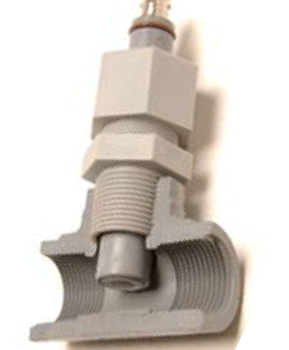
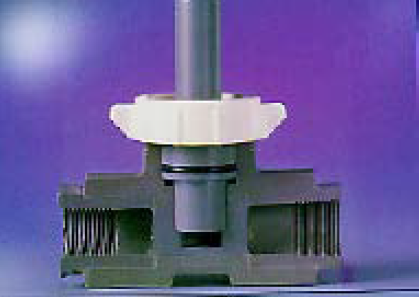
Supports multiple installation methods including immersion type, pipeline insertion type, and wall-mounted type, suitable for different installation scenarios such as pools, river channels, water supply and drainage pipelines, and sewage treatment equipment, with convenient installation and strong adaptability.
V. Core functional features
1. Strong anti-interference: adopts infrared optical detection + temperature compensation technology, avoiding interference from ambient light, water temperature, and water color, with high data stability;
2. Low maintenance cost: the probe has excellent self-cleaning performance, is not easy for dirt to adhere to, and does not require frequent disassembly and cleaning, suitable for long-term online monitoring;
3. Wide versatility: standardized protocol output, compatible with various industrial control and IoT platforms, suitable for municipal, industrial, agricultural, and environmental protection scenarios;
4. High stability: small repeatability error, no zero drift, capable of 24-hour continuous online monitoring, meeting the requirements for networked upload of environmental protection data.
VI. Typical application scenario adaptation
Low range (0-50NTU): Water plants, drinking water monitoring, purified water equipment, surface water ecological monitoring
Medium range (0-1000NTU):Industrial circulating water, aquaculture, landscape water, secondary water supply monitoring
High range (0-4000NTU):Municipal sewage treatment plants, factory sewage discharge, sludge settling, mine wastewater monitoring
Main Application Areas
- Constructed Wetland Effluent Monitoring — Continuous turbidity measurement in constructed wetland tailwater to evaluate purification efficiency and ensure compliance with discharge standards.
- Purified Water Evaluation — Real-time turbidity assessment in drinking water treatment plants to verify water quality and process control.
- Industrial Wastewater Treatment — Monitoring turbidity in industrial wastewater effluents to optimize treatment processes and meet environmental regulations.
- Surface Water Quality Monitoring — Turbidity measurement in rivers, lakes, and reservoirs for environmental assessment and pollution tracking.
- Aquaculture Water Management — Turbidity monitoring in aquaculture systems to maintain optimal water clarity and fish health.
Keywords:turbidity sensor, constructed wetland, effluent monitoring, water quality sensor, ISO7027, infrared scattering, industrial wastewater, purified water evaluation