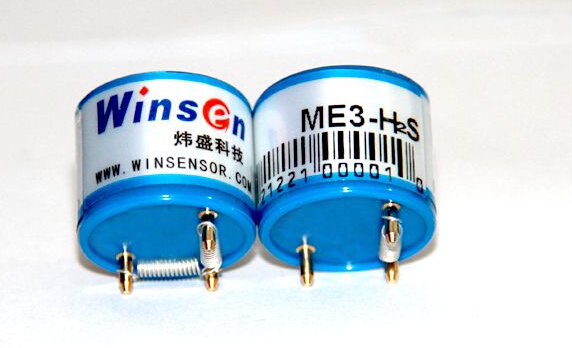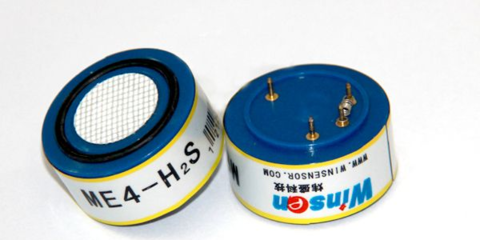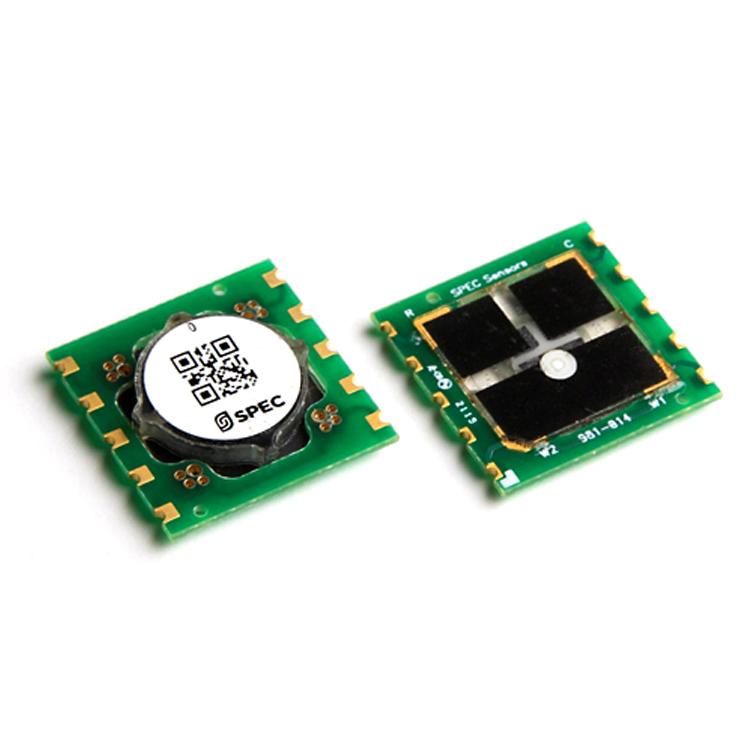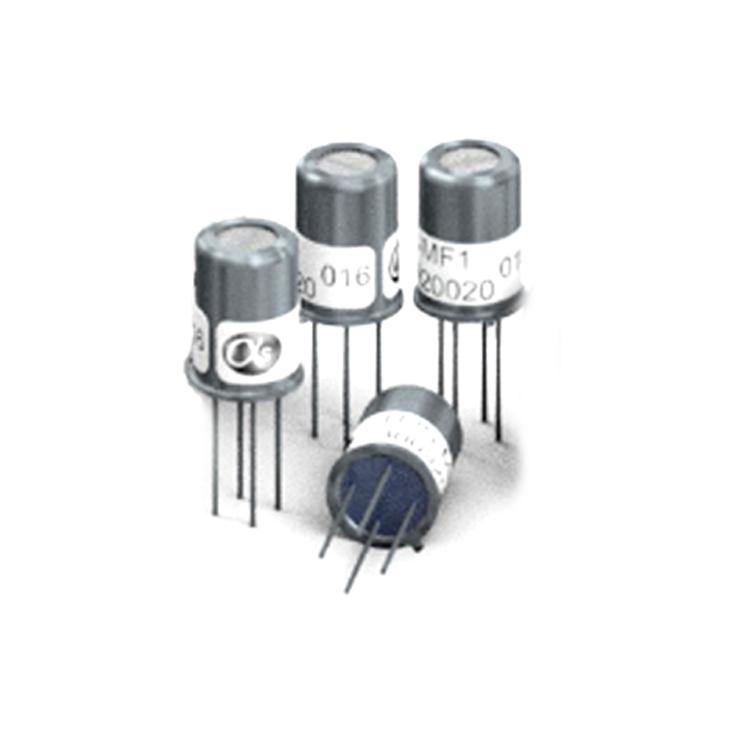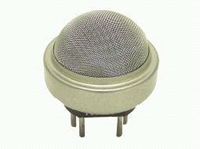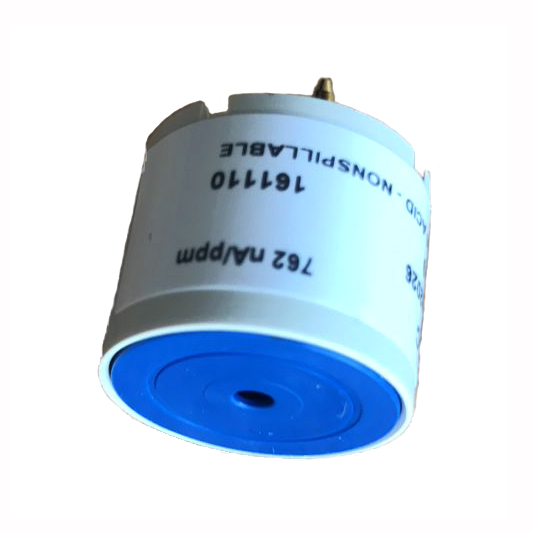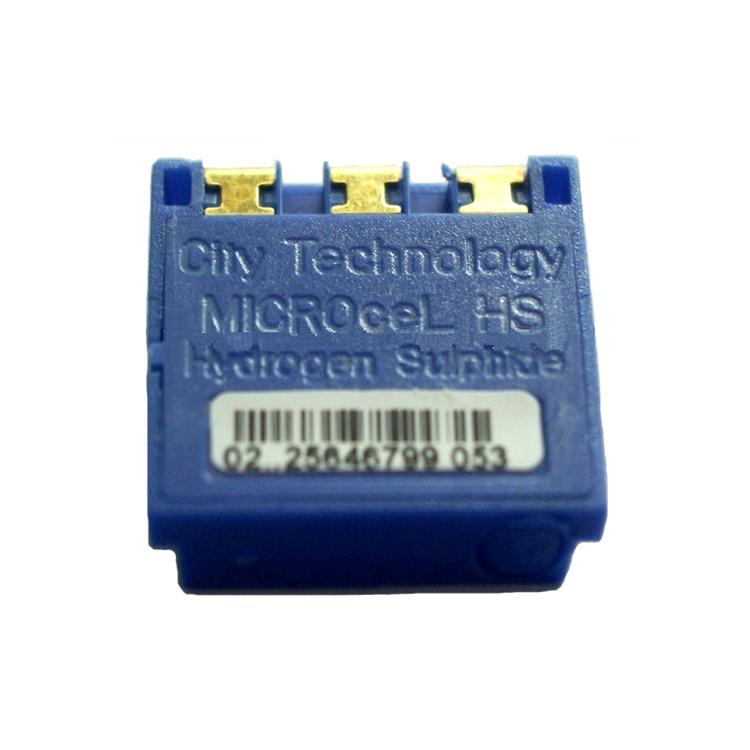

Product Introduction
I. Hydrogen sulfide gas sensor (H2S sensor) MICROceL HS features:
Powerful hydrogen sulfide sensor for portable life safety applications
Small size
II. Hydrogen sulfide gas sensor (H2S sensor) MICROceL HS product specifications:
| Measurement |
|
| Working principle |
Three-electrode electrochemical |
| Measurement Range |
0-100 ppm CO |
| Overload |
1000 ppm CO |
| Filter |
Reduce TLV levels of interfering gases |
| Sensitivity |
0.105 ± 0.025 μA/ppm |
| T50 response time |
<10 seconds at 20°C |
| Typical T90 response time |
25~40 seconds |
| Baseline offset (clean air) |
-2~+1 ppm CO equivalent |
| Zero offset (+20°C~ +40°C) |
<0.2 ppm CO equivalent |
| Linear |
Linear up to 1000 ppm CO |
| Electrical |
|
| Recommended load impedance |
10Ω |
| Bias |
None required |
| Mechanical |
|
| Weight |
1.2g |
| Housing material |
ABS |
| Orientation |
Any |
| Environmental |
|
| Operating temperature range |
-40~+50℃ |
| Recommended storage temperature |
0~20℃ |
| Operating pressure range |
Atmospheric pressure ± 10% |
| Operating humidity range |
15 - 90% RH non-condensing |
| Lifespan |
|
| Expected operating life |
2 years in air |
| Long-term output drift |
<5% signal loss per year |
| Storage life |
6 months storage in CTL container |
III. Hydrogen sulfide gas sensor (H2S sensor) MICROceL HS dimensions:
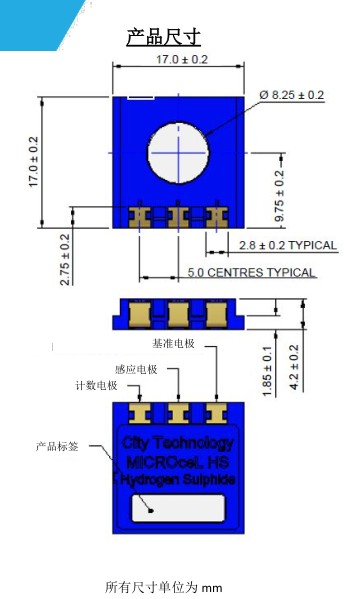
IV. Hydrogen sulfide gas sensor (H2S sensor) MICROceL HS product datasheet:
Poisoning
CiTiceLs are designed to operate under a variety of environmental and harsh conditions. However, it is important to avoid exposure to high concentrations of solvent vapors during storage, installation in instruments, and operation.
When using sensors on printed circuit boards (PCBs), a degreasing agent should be used before installing the sensor. Do not apply it directly on or near the CiTiceL, as solvents may cause plastic cracking.
DeliveryCross sensitivity table
Although CiTiceLs are designed to be highly specific to the gas they are intended to measure, they will still respond to some extent to various other gases. The table below is not exclusive, and other gases not listed in the table may still cause the sensor to react. Important note: The cross-sensitivity data shown below does not constitute part of the product specification and is for reference only. The cited values are based on tests conducted on a small number of sensors, and any batch may show significant variation. For the most accurate measurement results, the instrument should be calibrated with the gas being detected.
| Gas |
Use concentration (ppm) |
MICROceL HS (ppm H2S) |
| Carbon monoxide, CO |
15 |
0.1 |
| Sulfur dioxide, SO2 |
5 |
~ 1 |
| Nitric oxide, NO |
35 |
~ 0.7 |
| Hydrogen, H2 |
10000 |
< 10 |
| Nitrogen dioxide, NO2 |
5 |
~ -1 |