
Product Introduction
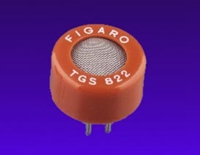
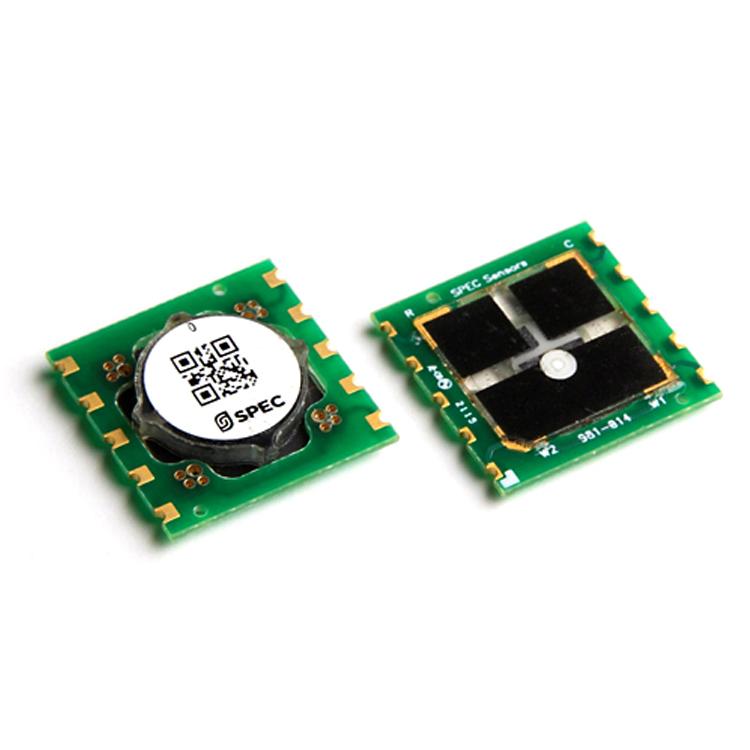
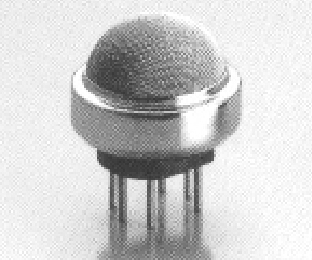
1. Alcohol Sensor TGS823 Description:
The sensing element of Figaro sensors is composed of tin dioxide (SnO2) semiconductor, which has low conductivity in clean air. When the gas to be detected is present in the air, the higher the gas concentration, the higher the sensor's conductivity. Using a simple circuit, the change in conductivity can be converted into a signal output corresponding to the gas concentration.
TGS823Extremely high sensitivity to organic solvent vapors and other volatile gases. It is also sensitive to various combustible gases, such as carbon monoxide, making it an excellent multipurposeGas Sensor* Ceramic base ensures normal use in high-temperature environments up to 200°C.
2. Alcohol Sensor TGS823 Features:
* High sensitivity to organic solvents such as ethanol
* High stability and long-term reliability
* Long lifespan and low cost
* Ceramic base withstands extreme environments
3. Alcohol Sensor TGS823 Applications:
* Breath alcohol detector
* Gas leak detection/alarm
* Used in solvent detectors for factories, dry cleaners, and the semiconductor industry
4. Alcohol Sensor TGS823 Sensitivity Characteristics:
The figure below shows typical sensitivity characteristic curves, all measured under our company's standard test conditions (see back).
The vertical axis represents the sensor resistance ratio Rs/Ro, with Rs and Ro defined as follows:
Rs = Sensor resistance in gases of various concentrations
Ro = Sensor resistance in 300ppm ethanol

5. Alcohol Sensor TGS823 Temperature/Humidity Characteristics:
The figure below shows representative characteristic curves affected by temperature and humidity.
The vertical axis represents the sensor resistance ratio Rs/Ro, with Rs and Ro defined as follows:
Rs = Sensor resistance in 300ppm ethanol under various temperatures and humidities
Ro = Sensor resistance in 300ppm ethanol at 20°C, 65% R.H.