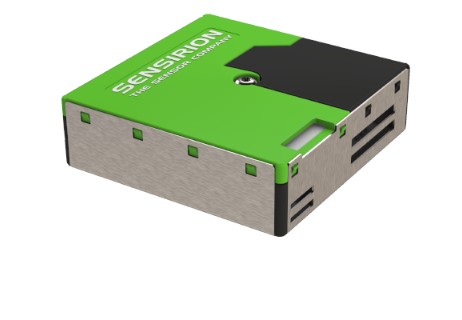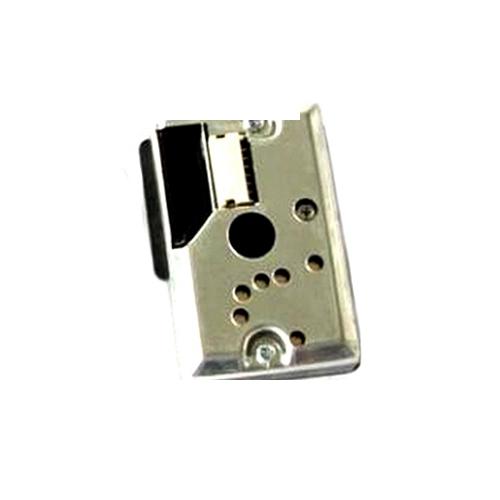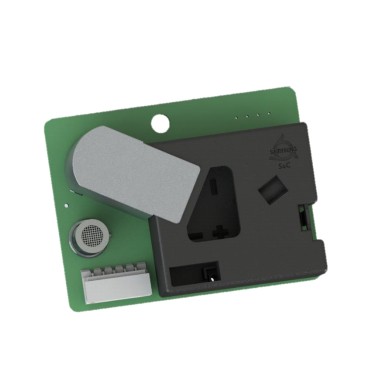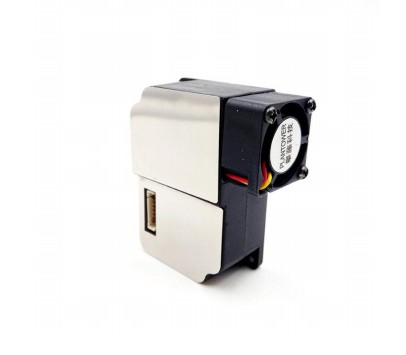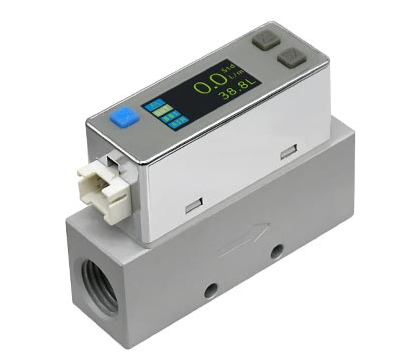
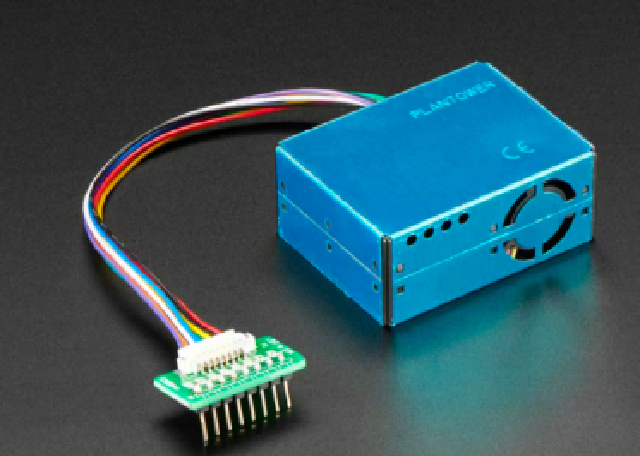
Infrared PM2.5 Sensor Fresh Air System Particulate Matter Detection - SKA/pm2.5
Measurement range: 0~1000μg/m³
• Accuracy: ±10μg/m³ (≤100μg/m³); ±10% of reading (>100μg/m³)
• Resolution: 1μg/m³
• Output signal: UART/RS485, optional 4-20mA
• Power supply: DC5V
• Operating temperature: -10℃~60℃
• Operating humidity: 0~95%RH (non-condensing)
• Protection rating: IP30
• Response time: ≤10s
• Warranty: 1 year
Product Introduction
Infrared PM2.5 Sensor Fresh Air System Particulate Matter Detection - Product Overview
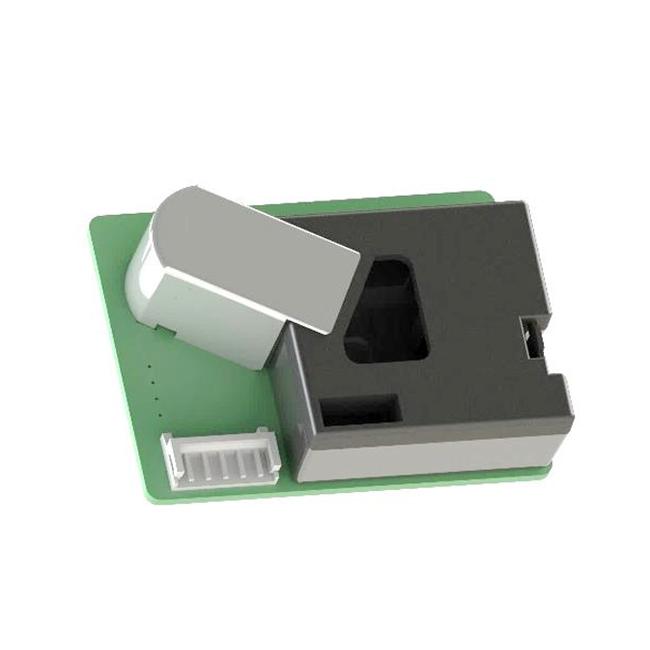
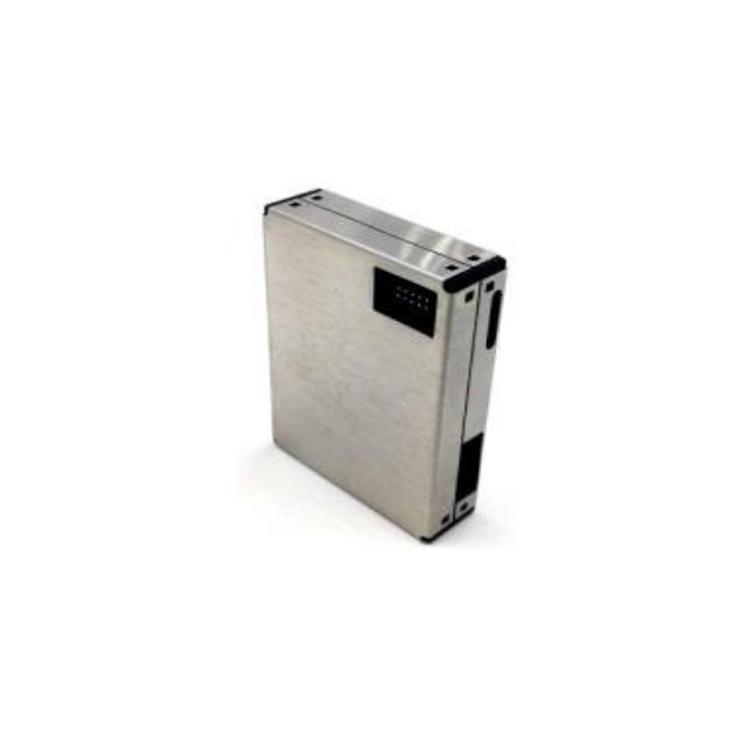
The infrared PM2.5 sensor is a particulate matter concentration detection device based on the principle of infrared scattering. Search keywords: infrared PM2.5 sensor, fresh air system particulate matter detection, PM2.5 sensor. This sensor can detect PM2.5 particulate matter concentration in the air and is suitable for fresh air systems, air purifiers, and ventilation equipment. In fresh air system particulate matter detection, the infrared PM2.5 sensor can reflect the intake air quality in real time and help the system automatically adjust air volume and filtration level.
Infrared PM2.5 Sensor Fresh Air System Particulate Matter Detection - Working Principle
Infrared PM2.5 sensors use an infrared light source to illuminate the sampled airflow. When particulate matter passes through the light beam, scattered light is generated, which is received by a photodetector and converted into an electrical signal to calculate particulate matter concentration. In particulate matter detection for fresh air systems, infrared PM2.5 sensors have a simple structure and low cost, making them suitable for large-scale integration. The sensors support PWM, UART, and analog outputs, can be connected to fresh air controllers and purification equipment, and feature fast response and long-term stability.
Infrared PM2.5 Sensor Fresh Air System Particulate Matter Detection - Application Scenarios
Infrared PM2.5 sensors are widely used in fresh air systems, air purifiers, air conditioners, exhaust fans, and ventilation ducts. In particulate matter detection for fresh air systems, infrared PM2.5 sensors can be installed at the air inlet, return air outlet, and supply air duct to monitor particulate matter concentration in real time. The sensors can be linked with filters, fans, and alarms to achieve automatic adjustment and filter replacement reminders. For large fresh air systems, infrared PM2.5 sensors can also form a multi-point monitoring network and upload data uniformly to the building automation platform.
Infrared PM2.5 Sensor Fresh Air System Particulate Matter Detection - Technical Advantages
Infrared PM2.5 sensors have the advantages of small size, low cost, and easy installation. In fresh air system particulate matter detection, infrared PM2.5 sensors use a dust-proof design and low-power circuits, making them suitable for long-term operation. The sensors support multiple output methods and installation methods, and are easy to maintain. When selecting an infrared PM2.5 sensor, attention should be paid to the measurement range, accuracy, response time, output method, and protection rating to ensure it meets the needs of fresh air system particulate matter detection.
Main Application Areas
- Fresh Air Systems — Real-time monitoring of PM2.5 in incoming air to automatically adjust air volume and filtration level.
- Air Purifiers — Detects particulate matter concentration to control purification intensity and filter replacement reminders.
- Ventilation Equipment — Monitors air quality to optimize ventilation rates and ensure healthy indoor environments.
- HVAC Systems — Integrates with building automation for demand-controlled ventilation based on PM2.5 levels.
- Indoor Air Quality Monitoring — Provides accurate PM2.5 data for smart home and building management systems.
Keywords:infrared PM2.5 sensor, particulate matter sensor, PM2.5 detector, air quality sensor, fresh air system sensor, dust sensor, PM2.5 monitor, infrared dust sensor