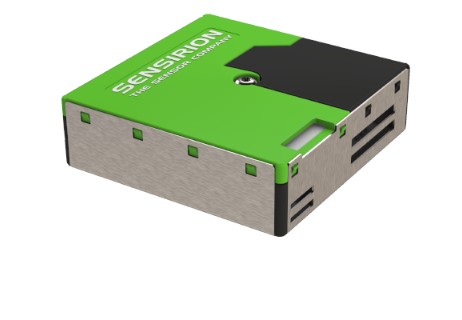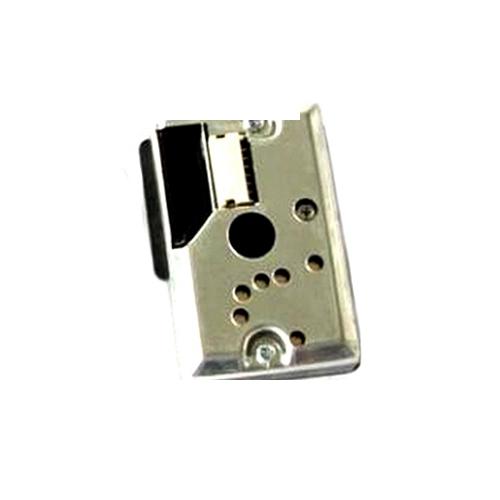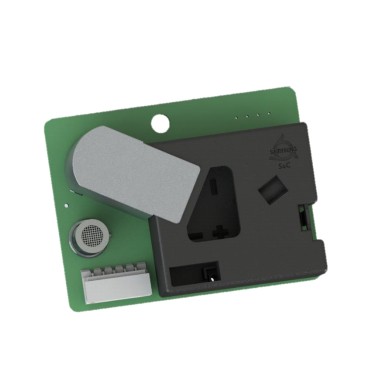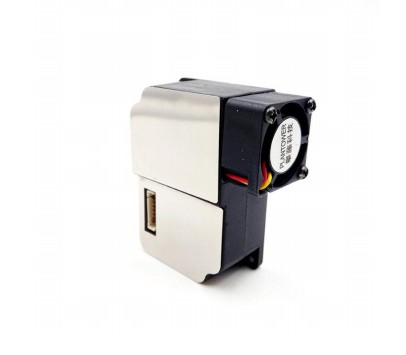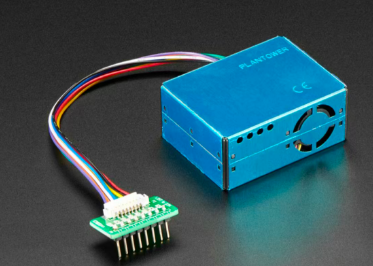
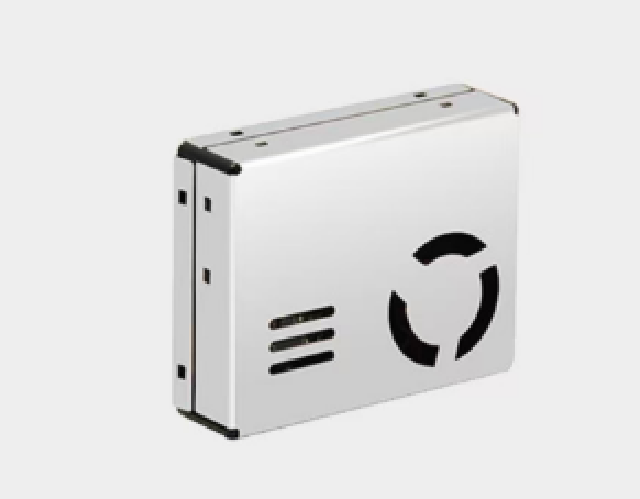
Laser Dust Sensor Tunnel Construction Dust Concentration Monitoring - SKA/pm2.5
Measurement range: 0~1000μg/m³
• Accuracy: ±10μg/m³ (≤100μg/m³); ±10% of reading (>100μg/m³)
• Resolution: 1μg/m³
• Output signal: UART/RS485, optional 4-20mA
• Power supply: DC5V
• Operating temperature: -10℃~60℃
• Operating humidity: 0~95%RH (non-condensing)
• Protection rating: IP30
• Response time: ≤10s
• Warranty: 1 year
Product Introduction
Laser Dust Sensor Tunnel Construction Dust Concentration Monitoring - Product Overview
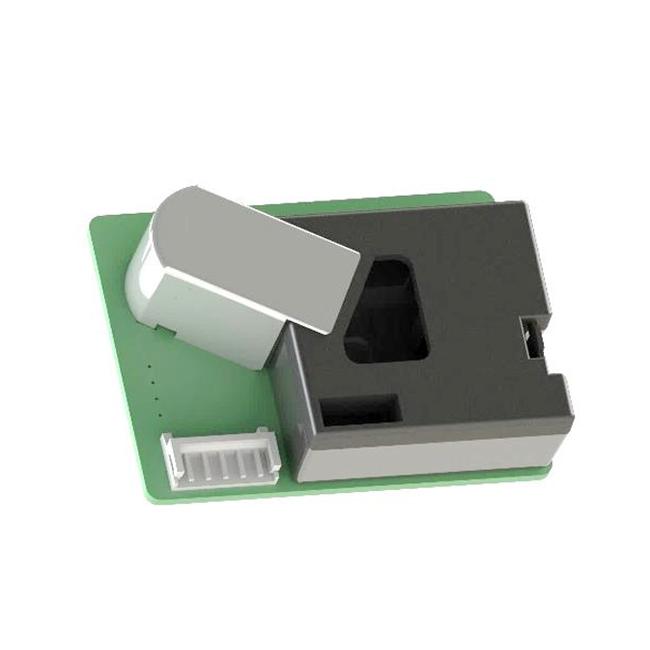
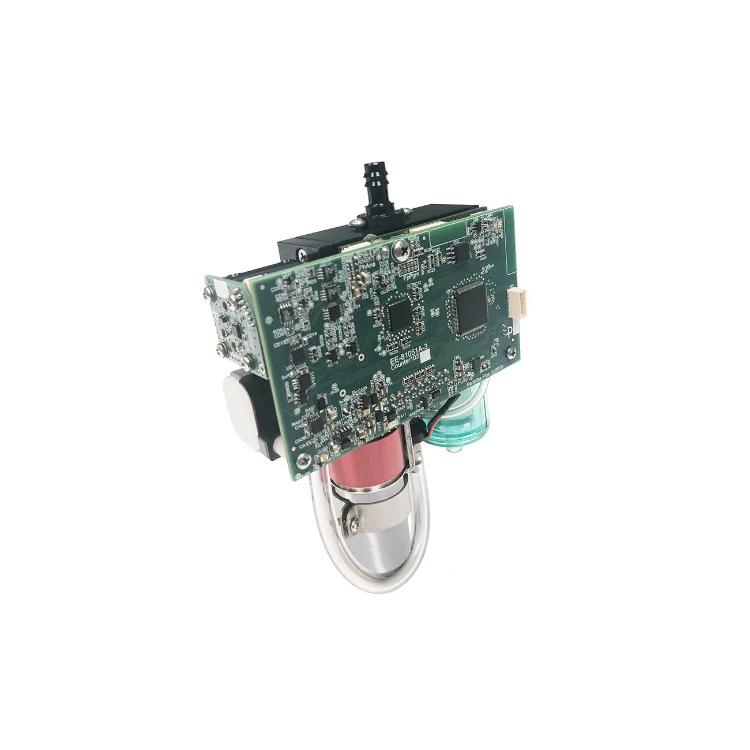
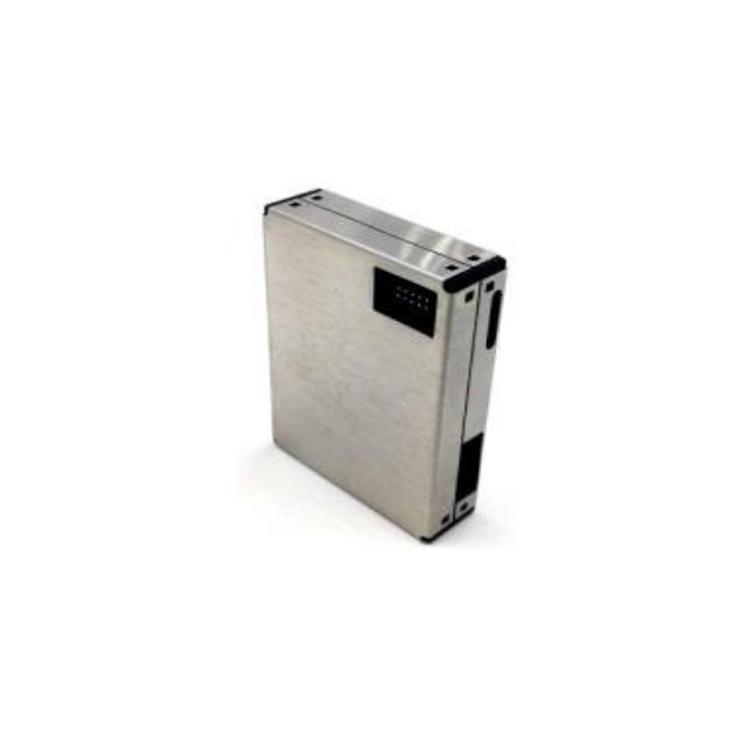
The laser dust sensor is a dust concentration detection device based on the principle of laser scattering. Search keywords: laser dust sensor, tunnel construction dust concentration monitoring, PM2.5 sensor. This sensor can continuously detect PM2.5, PM10, and total dust concentrations in tunnels, and is suitable for tunnel, subway, and underground engineering construction environments. In tunnel construction dust concentration monitoring, the laser dust sensor can reflect dust changes in real time, helping construction personnel promptly turn on ventilation and dust reduction equipment to ensure operation safety.
Laser Dust Sensor Tunnel Construction Dust Concentration Monitoring - Working Principle
Laser dust sensors use a laser light source to illuminate the sampled airflow. When dust particles pass through the laser beam, scattered light is generated, received by a photodetector, and converted into electrical signals. The dust concentration is then calculated based on the signal amplitude and quantity. In tunnel construction dust concentration monitoring, laser dust sensors can simultaneously output PM2.5, PM10, and TSP data, with fast response speed and high precision. The sensor supports RS485, Modbus, and 4-20mA outputs, can be connected to PLC, DCS, and tunnel monitoring systems, and has dustproof, moisture-proof, and vibration-resistant functions.
Laser Dust Sensor Tunnel Construction Dust Concentration Monitoring - Application Scenarios
Laser dust sensors are widely used in construction sites such as tunnels, subways, underground utility tunnels, and mine tunnels. In tunnel construction dust concentration monitoring, laser dust sensors can be installed at construction faces, ventilation openings, and personnel passages to collect dust data in real time. The sensors can be linked with ventilators, spray systems, and audible and visual alarms to achieve automatic dust reduction and alarming. For long-distance tunnels, laser dust sensors can also form a multi-point monitoring network and upload data uniformly to a control center.
Laser Dust Sensor Tunnel Construction Dust Concentration Monitoring - Technical Advantages
Laser dust sensors have advantages such as high precision, fast response, and good stability. In tunnel construction dust concentration monitoring, laser dust sensors use long-life laser light sources and anti-contamination optical designs, making them suitable for long-term operation. The sensor supports remote calibration and fault self-diagnosis, making maintenance convenient. When selecting a laser dust sensor, attention should be paid to the measurement range, accuracy, response time, output method, and protection rating to ensure it meets the needs of tunnel construction dust concentration monitoring.
Main Application Areas
- Tunnel Construction — Real-time dust concentration monitoring in tunnels to ensure worker safety and regulatory compliance.
- Subway Construction — Continuous PM2.5 and PM10 monitoring in subway construction sites for timely dust control.
- Underground Engineering — Dust monitoring in underground mines and civil engineering projects to prevent dust hazards.
- Industrial Hygiene — Workplace air quality assessment in factories and workshops to protect employee health.
- Environmental Monitoring — Ambient air quality monitoring in urban and industrial areas for pollution control.
Keywords:laser dust sensor, PM2.5 sensor, tunnel dust monitoring, dust concentration sensor, industrial dust sensor, PM10 sensor, laser scattering dust sensor, construction dust monitor