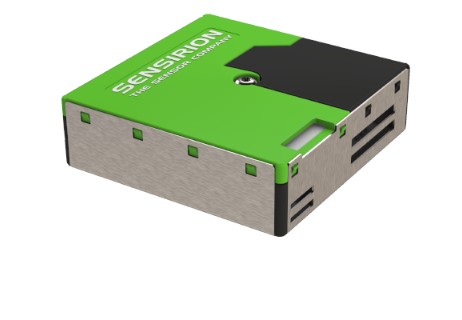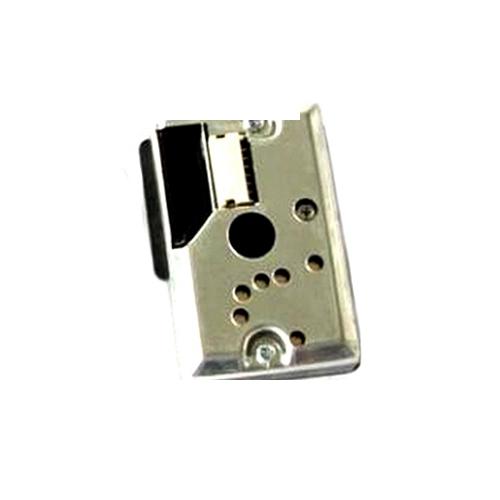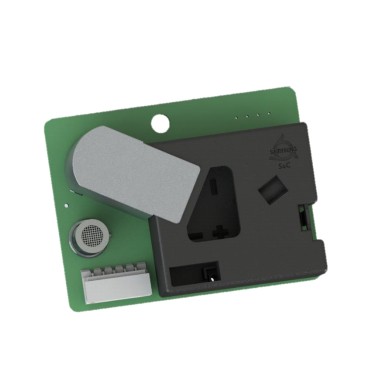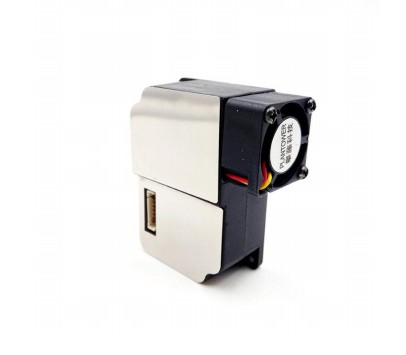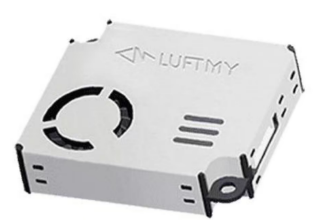
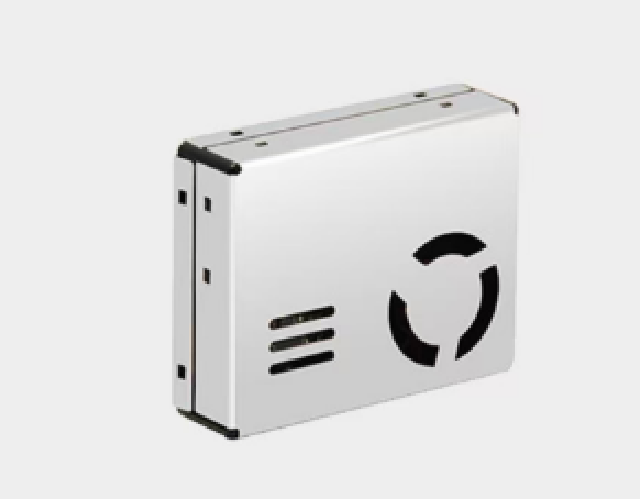
Laser PM2.5 Sensor Indoor Air Quality Monitoring - SKA/pm2.5
Measurement range: 0~1000μg/m³
• Accuracy: ±10μg/m³ (≤100μg/m³); ±10% of reading (>100μg/m³)
• Resolution: 1μg/m³
• Output signal: UART/RS485, optional 4-20mA
• Power supply: DC5V
• Operating temperature: -10℃~60℃
• Operating humidity: 0~95%RH (non-condensing)
• Protection rating: IP30
• Response time: ≤10s
• Warranty: 1 year
Product Introduction
Laser PM2.5 Sensor Indoor Air Quality Monitoring - Product Overview
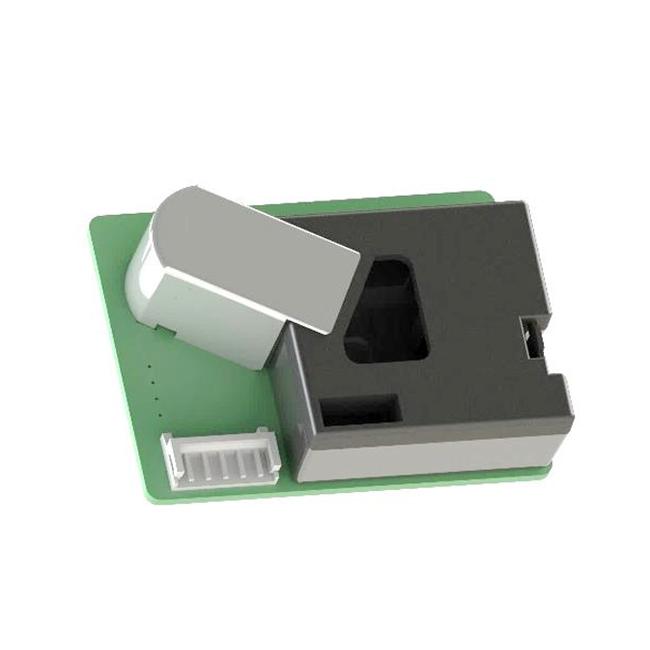
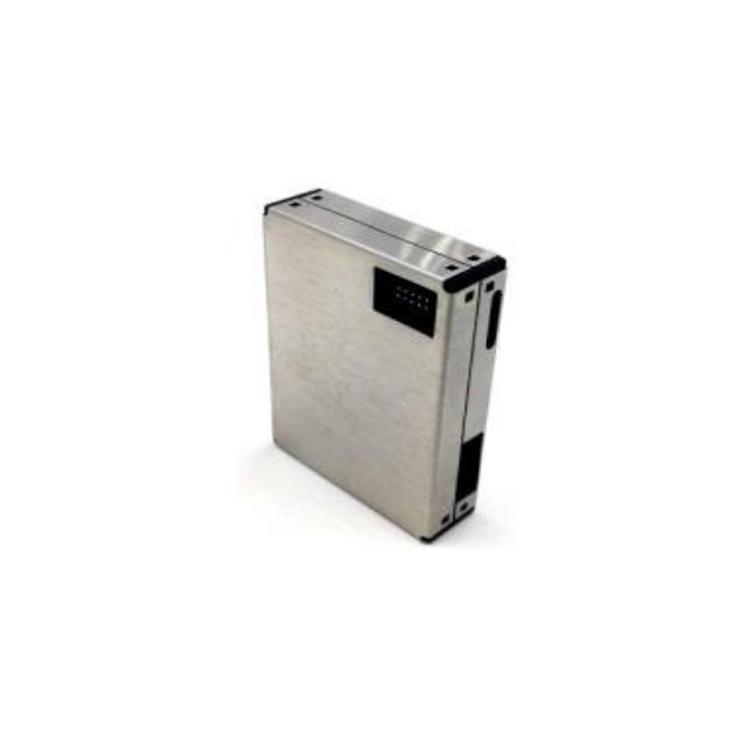
A laser PM2.5 sensor is a particulate matter concentration detection device based on the principle of laser scattering. Search keywords: laser PM2.5 sensor, indoor air quality monitoring, PM2.5 sensor. The sensor can continuously detect the concentration of PM2.5, PM10, and other particulate matter in the air, and is suitable for indoor environments such as homes, offices, schools, and shopping malls. In indoor air quality monitoring, laser PM2.5 sensors can reflect changes in particulate matter in real time, help users understand air quality conditions, and work with purification equipment to improve the breathing environment.
Laser PM2.5 Sensor Indoor Air Quality Monitoring - Working Principle
Laser PM2.5 sensors use a laser light source to illuminate the sampled airflow. When particulate matter passes through the laser beam, scattered light is generated, received by a photodetector, and converted into an electrical signal. The particulate matter concentration is then calculated based on the signal amplitude and quantity. In indoor air quality monitoring, laser PM2.5 sensors can simultaneously output data such as PM1.0, PM2.5, and PM10, with fast response speed and high accuracy. The sensor supports UART, I2C, RS485, and PWM outputs, and can be connected to fresh air systems, purifiers, and smart home controllers.
Laser PM2.5 Sensor Indoor Air Quality Monitoring - Application Scenarios
Laser PM2.5 sensors are widely used in air purifiers, fresh air systems, air conditioners, smart homes, and air quality detectors. In indoor air quality monitoring, laser PM2.5 sensors can be installed inside equipment or in independent detection boxes to collect air samples in real time. The sensor can be linked with purification equipment to achieve automatic speed adjustment and start-stop control. For locations requiring multi-point monitoring, laser PM2.5 sensors can also form a monitoring network and upload data uniformly to a management platform.
Laser PM2.5 Sensor Indoor Air Quality Monitoring - Technical Advantages
Laser PM2.5 sensors have advantages such as high accuracy, fast response, and long lifespan. In indoor air quality monitoring, laser PM2.5 sensors use long-life laser light sources and anti-pollution optical designs, making them suitable for long-term operation. The sensor supports automatic calibration and fault self-diagnosis, making maintenance convenient. When selecting a laser PM2.5 sensor, attention should be paid to the measurement range, accuracy, response time, output method, and protection rating to ensure it meets indoor air quality monitoring needs.
Main Application Areas
- Indoor Air Quality Monitoring — Real-time monitoring of PM2.5 and PM10 levels in homes, offices, and public spaces to ensure healthy breathing environments.
- Air Purifier Control — Integrates with air purification systems to automatically adjust fan speed based on particulate matter concentration.
- HVAC Systems — Used in building automation to monitor and maintain indoor air quality through ventilation control.
- Smart Home Devices — Embedded in smart thermostats, air quality monitors, and IoT devices for consumer awareness.
- Industrial Hygiene — Monitors particulate levels in workplaces to comply with occupational health and safety standards.
Keywords:laser PM2.5 sensor, indoor air quality monitor, PM2.5 detector, particulate matter sensor, air quality sensor, laser particle counter, PM10 sensor, dust sensor