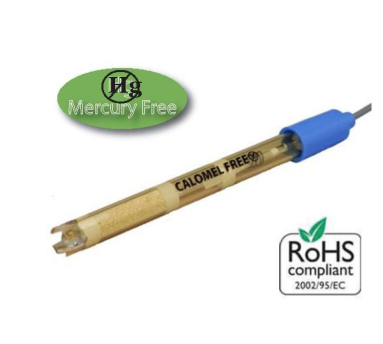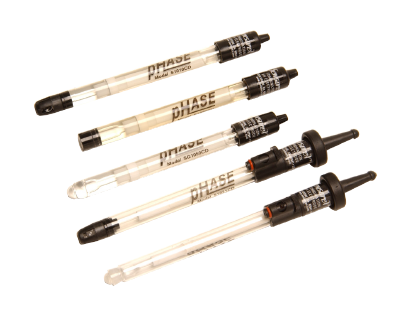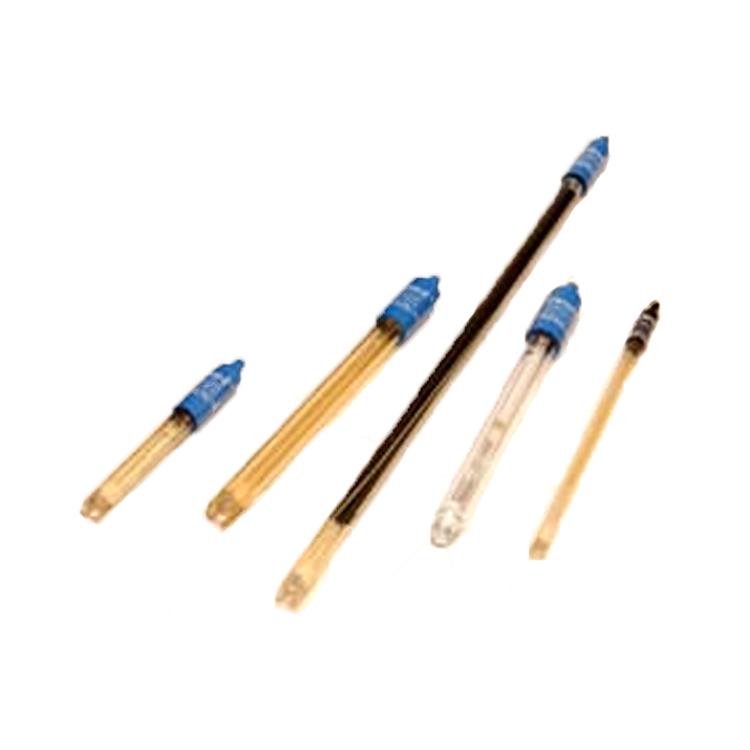


US Sensorex General Purpose Plastic and Glass pH and Reference Electrodes - SG200R / SG200RD Series
pH range: 0-14 (Na+ error >12.3 pH)
Response: 95% within 1 second (bulb only); 95% within 5 seconds (flat surface only)
Isopotential point: pH 7.00 (0 mV)
Offset: +/- 0.20 pH
Range: Theoretically, 97% or higher
Product Introduction
General Purpose Plastic and Glass pH and Reference Electrodes
Model:
S900C, S100C, S120C, S700C, S300C, S301C, S300CD, S200C, S201C, S200CD, S350CD, S450C, S450CD;
S700G, SG200G, S200G;
SG900C, SG901C, SG701C, SG300C, SG301C, SG300CD, SG200C, SG201C, SG200CD, SG360CD;
S700R, S700RD, SG200R, SG200RD, SG201R, SG201RD, S200R, S201R, S200RD, S201RD
Features of General Purpose Plastic and Glass pH and Reference Electrodes
Fast response - 95% in less than 1 second (bulb only)
Combination or half-cell design
Single or double junction construction
Sealed and refillable models available
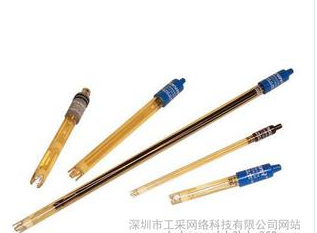
Glass and plastic bodies available
Description of General Purpose Plastic and Glass pH and Reference Electrodes
Combination or separate electrodes
Both combination and separate electrodes are produced. Compared to separate pH and reference electrodes, combination electrodes offer the advantage of extreme convenience and are suitable for laboratory and portable pH measurements. The price of a combination electrode is much lower than the total price of two electrodes. Single half-cell electrodes are only suitable for special applications.
Glass or plastic body electrodes
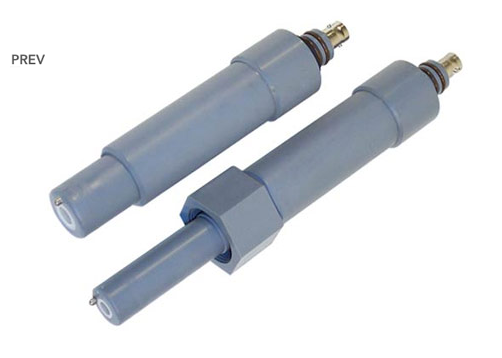
Both types of electrodes are produced and both provide accurate pH values. pH electrodes are all glass-bodied. However, epoxy or high-quality polyetherimide construction provides robustness and chemical resistance. Plastic body electrodes have embedded protection for the measuring bulb, making the pH glass bulb less prone to breakage.
Single or double junction reference electrodes
Most pH measurements can be accomplished using single junction reference electrodes. However, compounds such as heavy metals, proteins, and sulfides can precipitate at the junction. The double junction design uses a buffer salt (such as KNO3) in the lower chamber to contact the sample and prevent these reactions. They are also useful for pH measurements in Tris buffer. Combination or separate reference electrodes are available.
General Purpose Plastic and Glass pH and Reference ElectrodesApplications:
Widely used in process technology and monitoring, papermaking, plastic chemical industry, calcination plants, water treatment, sewage, cooling water, and other fields.
General Purpose Plastic and Glass pH and Reference ElectrodesTechnical Parameters
| pH Range |
0-14 (Na+ error >12.3 pH) |
| Response |
95% within 1 second (bulb only) 95% within 5 seconds (flat surface only) |
| Isopotential Point |
pH 7.00 (0 mV) |
| Offset |
+/- 0.20 pH |
| Range |
Theoretically, 97% or higher |