Product Introduction
Freon Gas Alarm (Refrigerant Leak Alarm)
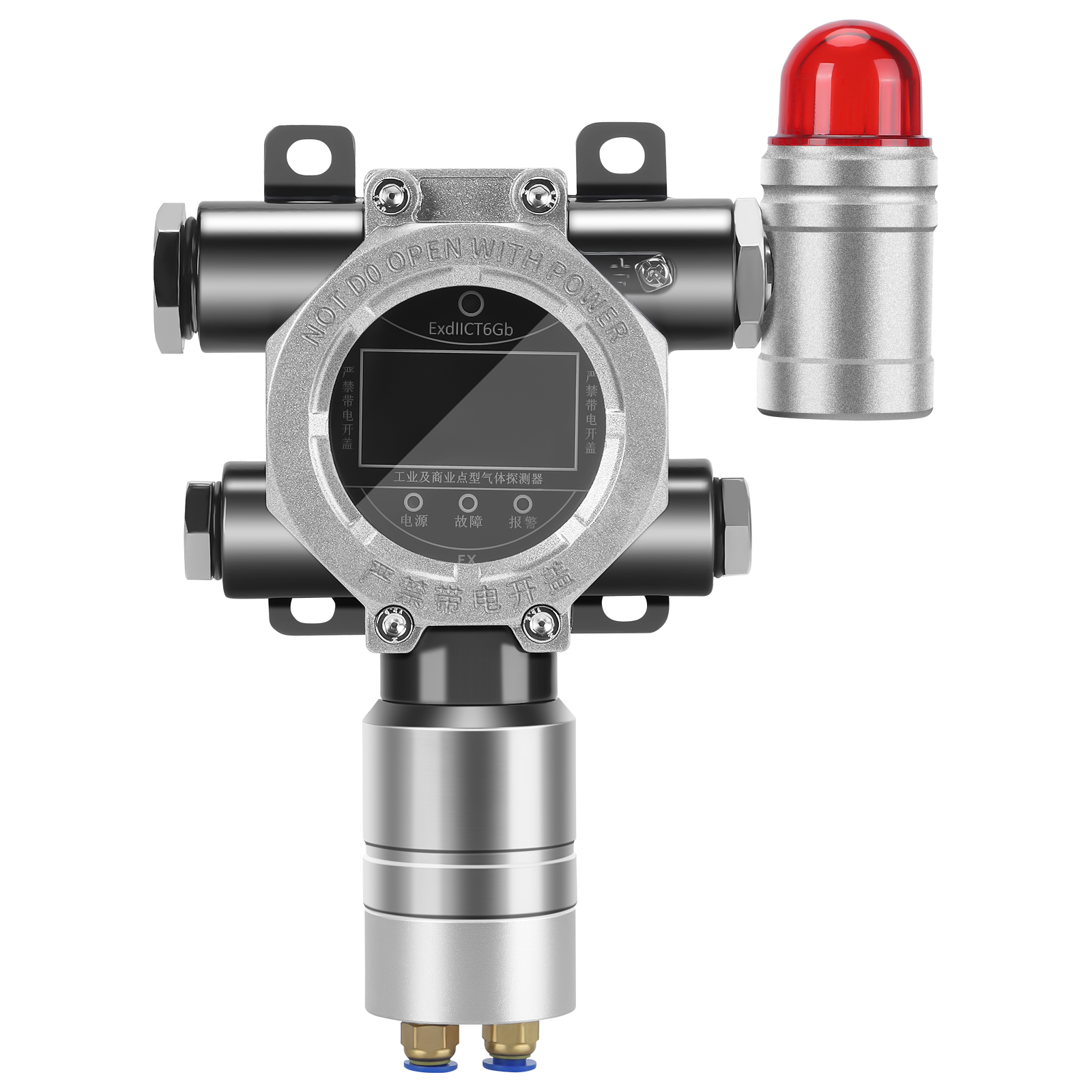
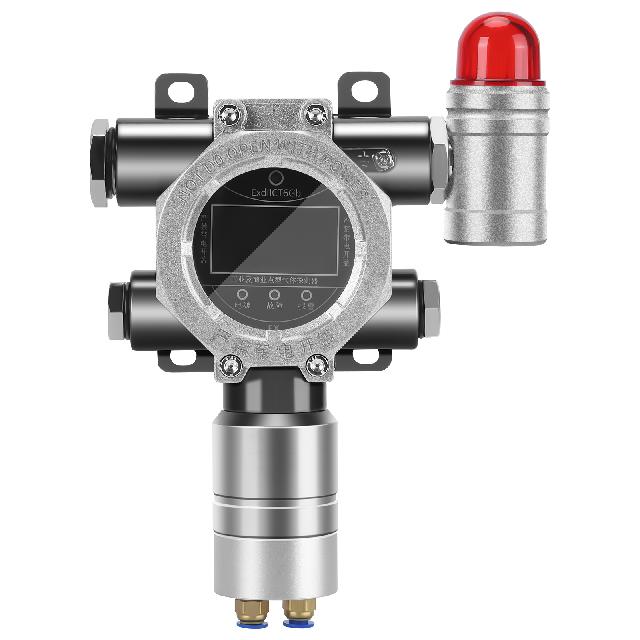
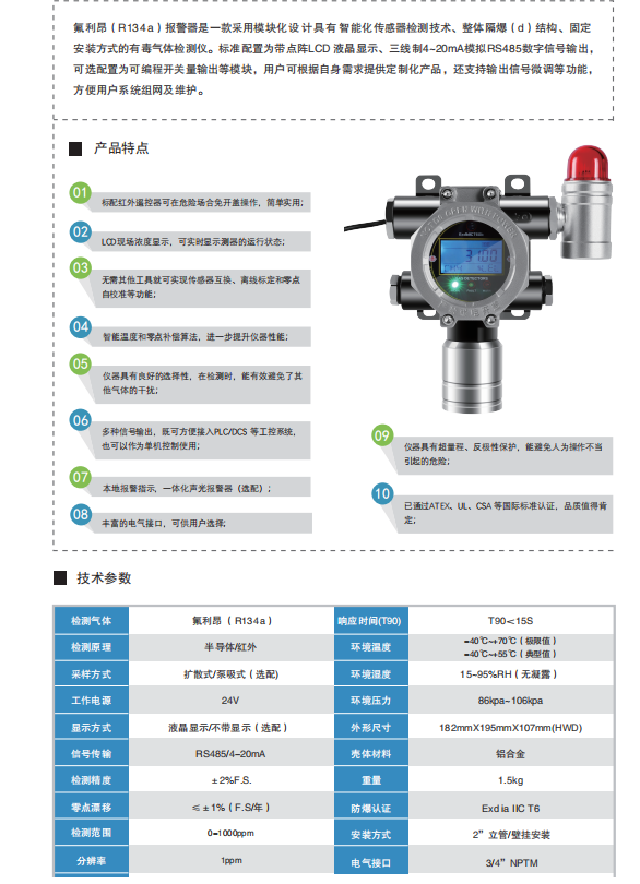
Freon (refrigerants R22/R134a/R410A/R404A, etc.) alarm, used to detect refrigerant leaks in refrigeration systems; Freon is mostly heavier than air, and after leaking, it settles and accumulates at low levels. High concentrations can causeSuffocation, cardiac stimulation, decomposes into toxic fumes at high temperatures, mostly non-flammable, but high concentrations in enclosed spaces can displace oxygen and cause suffocation. Divided intoFixed industrial alarm systemandPortable leak detectorTwo categories.
1. System composition (fixed)
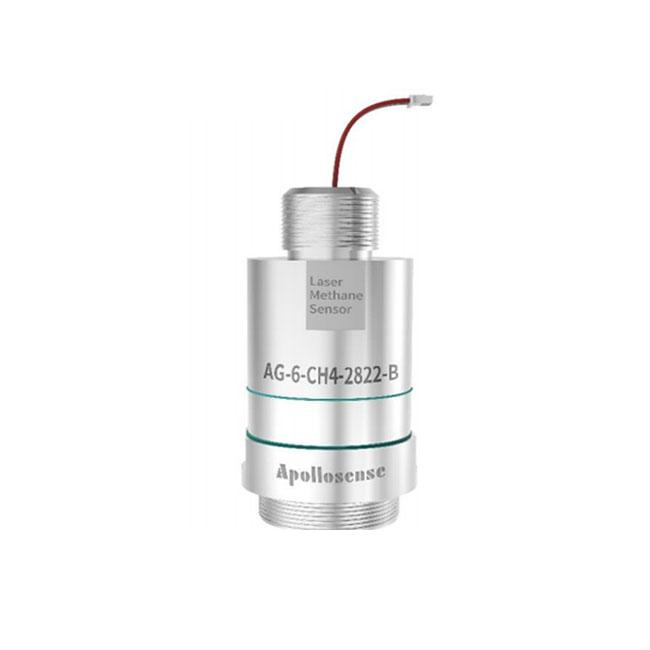
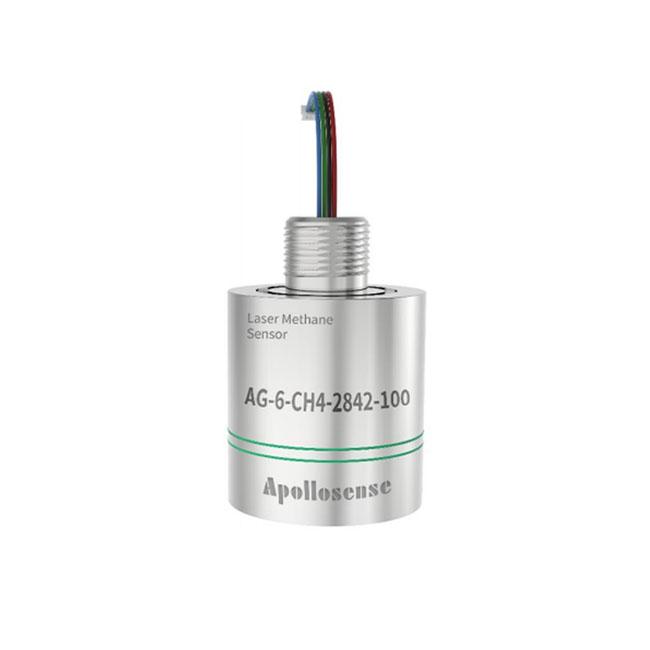
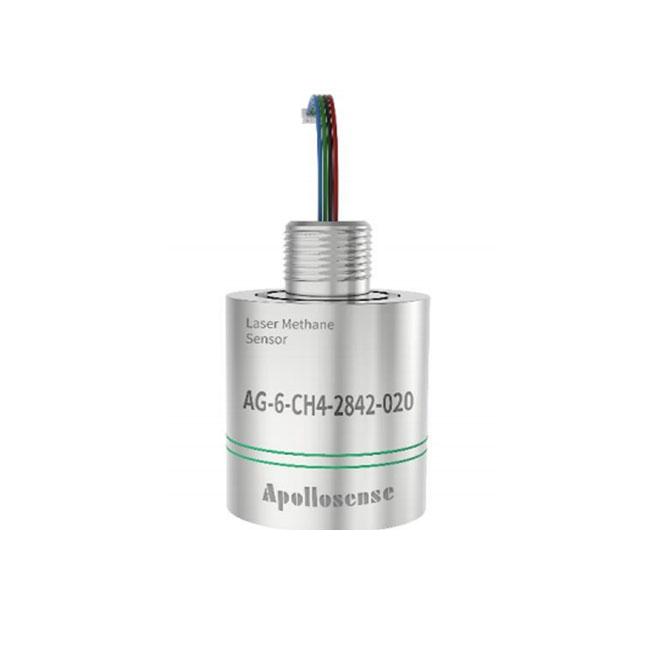
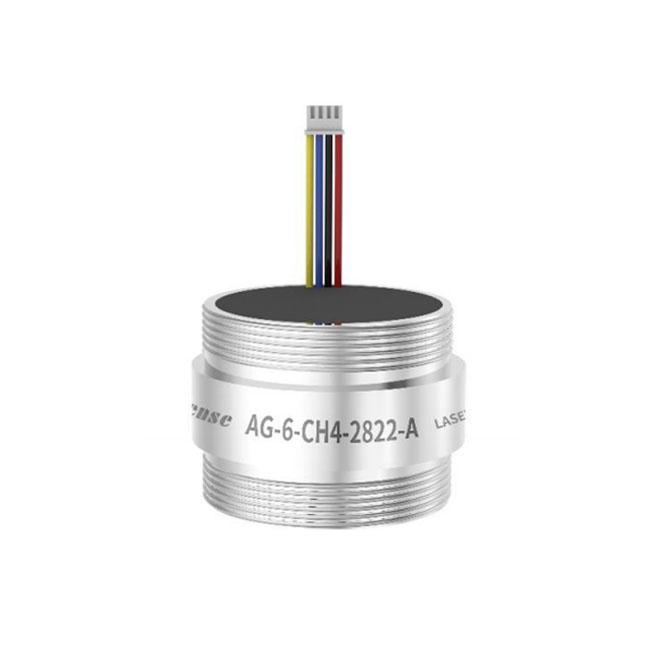
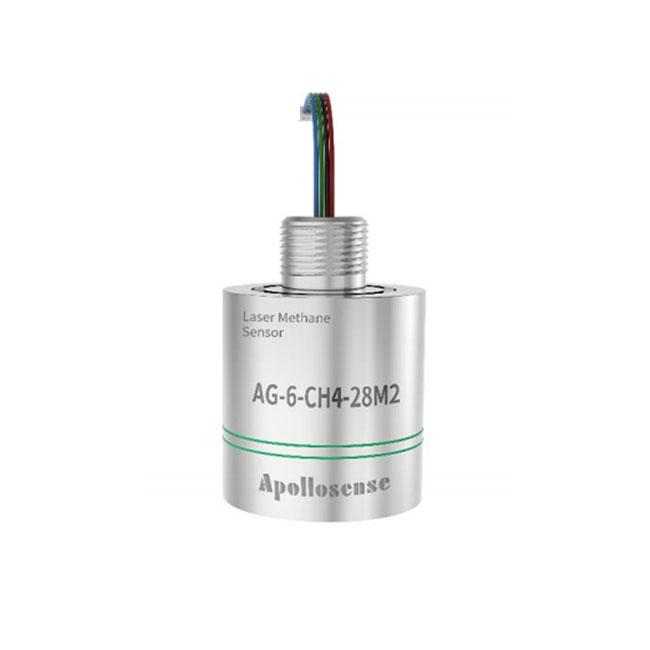
- Detector (probe): Installed on site, collects gas concentration; explosion-proof type for refrigeration machine rooms, cold storage, and other industrial sites.
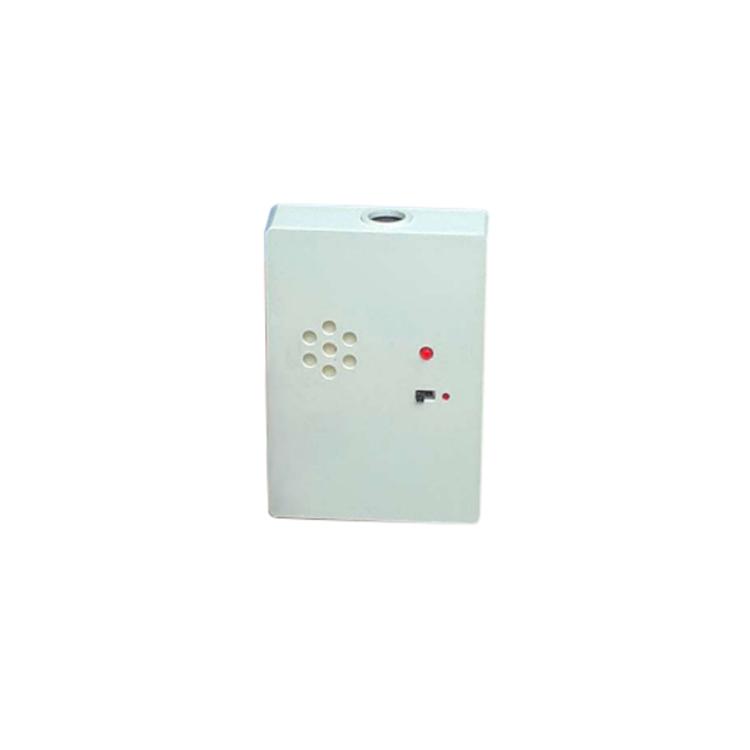
- Alarm controller host: Installed in the duty room, displays concentration in real time, audible and visual alarm, can link exhaust fans and solenoid valves, supports 4-20mA / RS485 signal output, can connect to PLC and IoT platforms.
2. Sensor type comparison
Table
| Sensors | Advantages | Disadvantages | Lifespan | Applicable scenarios |
|---|---|---|---|---|
| Infrared NDIR | Not affected by moisture or oil contamination, good stability, no poisoning | Higher price | 3-5 years | Cold storage, high-humidity refrigeration machine rooms (priority recommendation) |
| Semiconductor | Cheap price | Easy to drift, many false alarms | 1-2 years | Simple auxiliary monitoring |
| Electrochemical | Medium cost | Easily affected by humidity and other gases | 1-3 years | Ordinary dry machine rooms |
Industrial refrigeration, cold storagePrioritize infrared sensorsAnti-condensation, anti-moisture, more worry-free in the long term.
3. Range and alarm settings (industry common)
Common ranges:0‑1000ppm
- Level 1 early warning: 200 ppm (detect leak, patrol and inspect)
- High alarm level 2: 500 ppm (activate exhaust, evacuate personnel)
Different refrigerants have different national standard limits. R125 PC-TWA=1000ppm, PC-STEL=1250ppm; R134a has no clear national standard in China, so reference industry experience values are used.
4. Installation points (key)
Freon density > air, leaks settle downward
- Probe installation height:30-60cm from the ground, sensor facing downNear valves, flanges, and unit areas prone to leakage.
- Avoid: direct fan blowing, air outlets, oil fume and moisture, and high vibration locations.
- Explosion-proof areas: Use Exd IIC T6 explosion-proof grade detectors; ordinary household models cannot be used as substitutes.
- Wiring: Keep signal lines away from strong current cables; 4-20mA transmission distance ≤800m, 485 bus ≤1000m.
5. Application scenarios
- Refrigeration machine rooms, central air conditioning main engine rooms, cold storage, cold chain warehouses
- Data center cooling systems, refrigerant charging workshops, laboratories, hospital refrigeration equipment rooms
6. Maintenance requirements
- At least once a yearCalibrate once, ensure accuracy, can be sent to third-party metrology.
- Sensors need replacement when reaching lifespan; infrared has the longest lifespan.
- Regularly clean the probe dust cover and condensed water.
- After alarm, ventilate first, find the leak point, do not directly reset.
7. Fixed vs portable leak detectors
- Fixed alarm: 24-hour continuous online monitoring, automatic audible and visual alarm when exceeding limits + linked exhaust, used for safety duty in machine rooms and cold storage.
- Portable leak detector: Handheld inspection, used toLocate the exact leak pointSuitable for maintenance personnel to detect leaks, not for long-term online monitoring.
Purchase tips
- Confirm your on-site refrigerant model (R134a/R410A/R22/R404A); some sensors have different sensitivity to specific refrigerants.
- For cold storage high-humidity environments, do not choose cheap semiconductor probes; false alarm probability is high.
- Explosion-proof places must have explosion-proof certificates.
If you tell me the purpose (cold storage / central air conditioning machine room), refrigerant model, and whether exhaust linkage is needed, I can help you prepare a simple selection parameter list.
Main Application Areas
- HVAC Systems — Monitors refrigerant leaks in air conditioning and heating systems to prevent efficiency loss and environmental hazards.
- Cold Storage Facilities — Detects refrigerant leaks in cold storage rooms to ensure worker safety and protect perishable goods.
- Industrial Refrigeration — Provides continuous leak detection in industrial refrigeration units, reducing downtime and maintenance costs.
- Manufacturing Plants — Ensures safety in facilities using refrigerants in production processes, alerting to dangerous gas accumulation.
Keywords:freon gas alarm, refrigerant leak detector, R134a gas detector, fixed gas alarm, HVAC gas sensor, refrigerant leak alarm, industrial gas detector, gas leak monitoring