Product Introduction
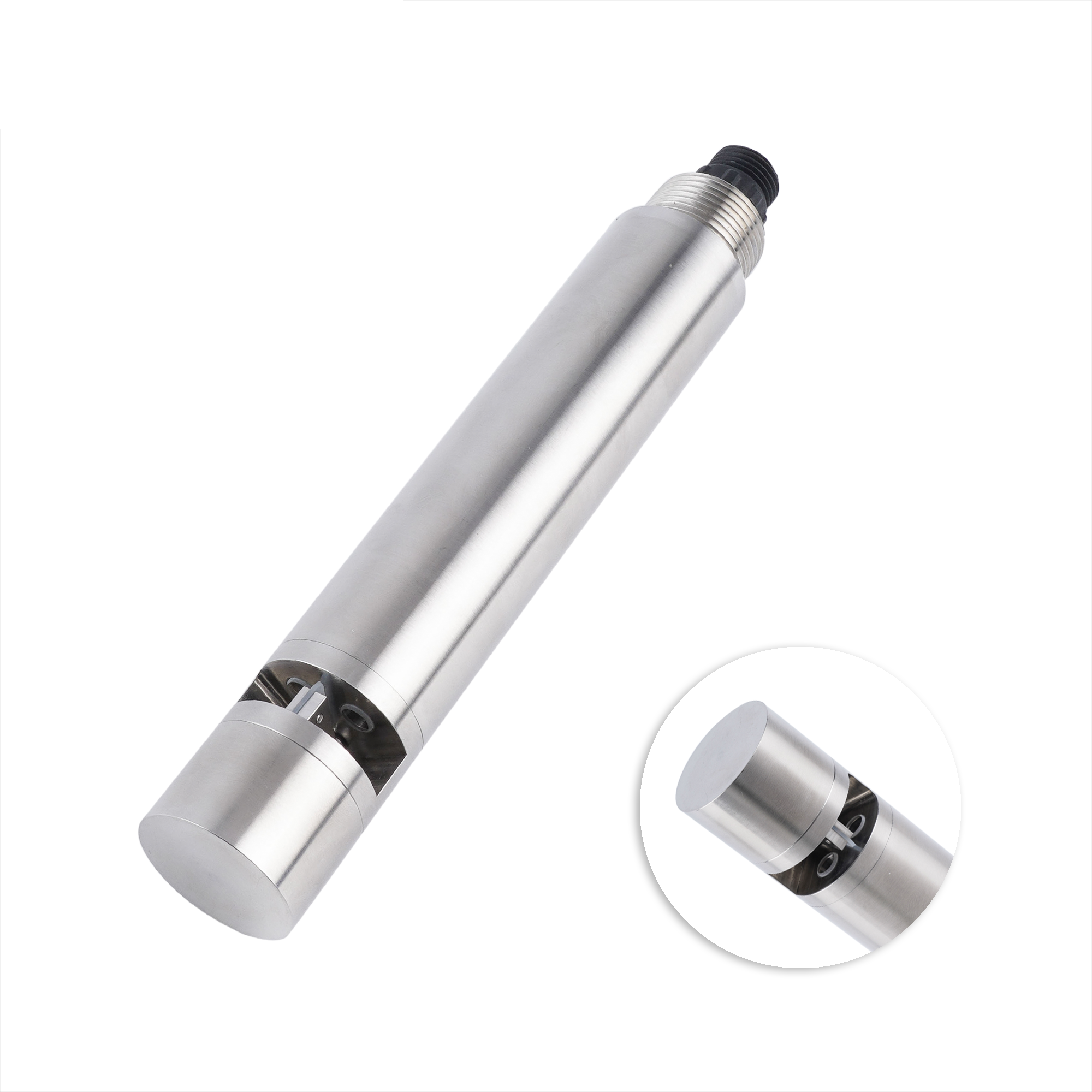
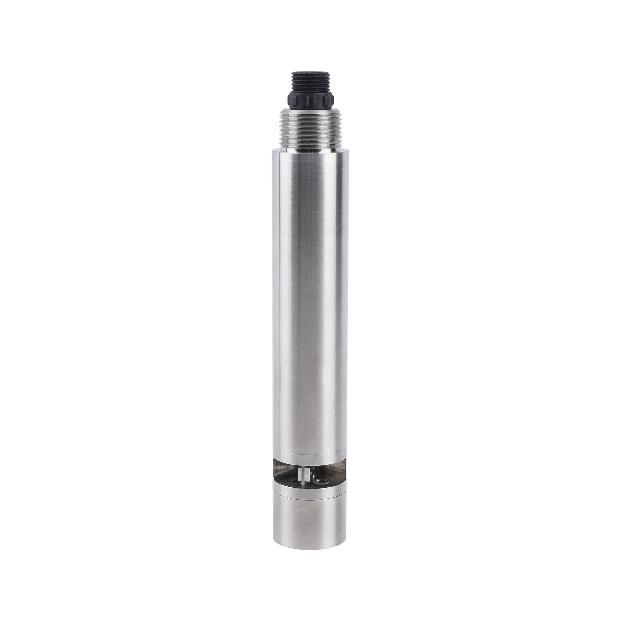
Introduction to Digital RS485 COD Sensor
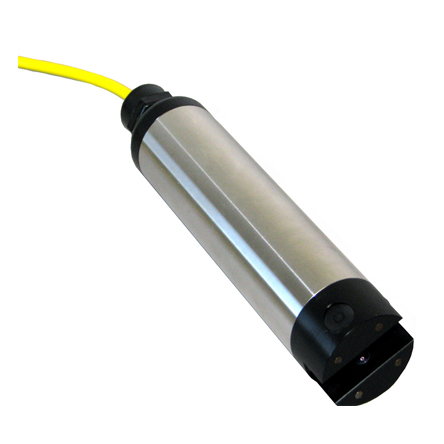
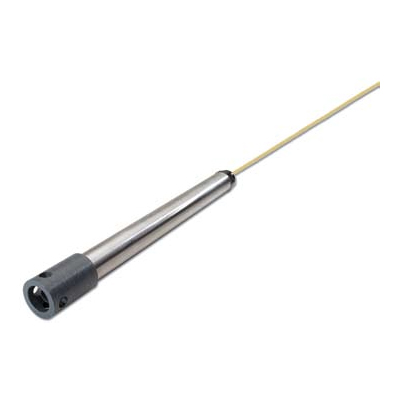
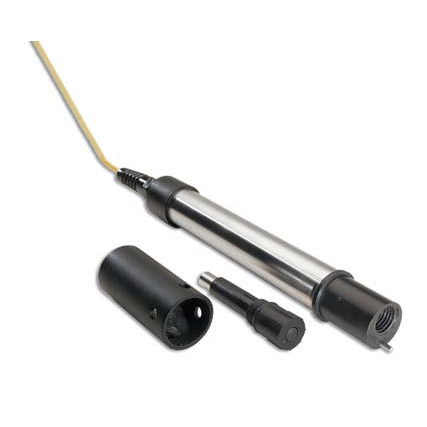
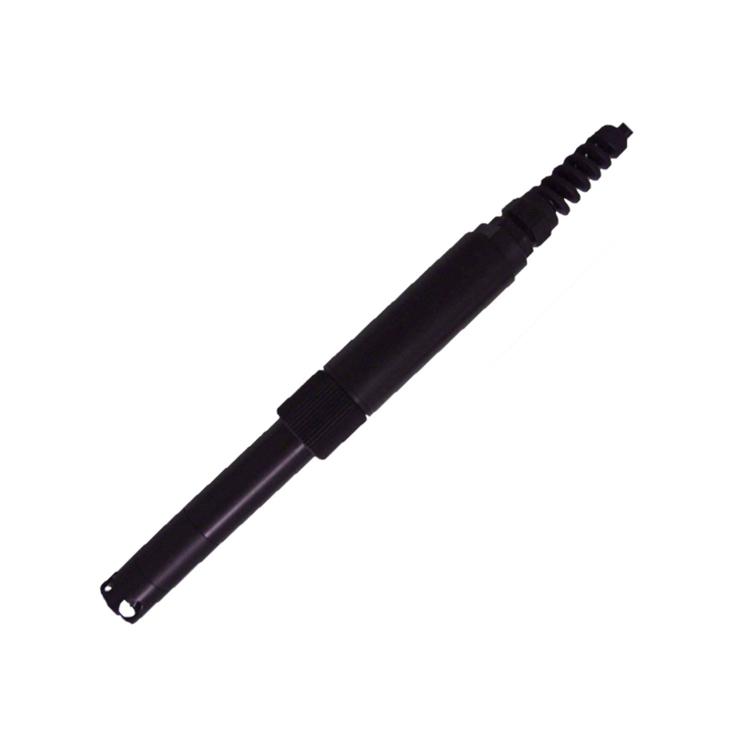
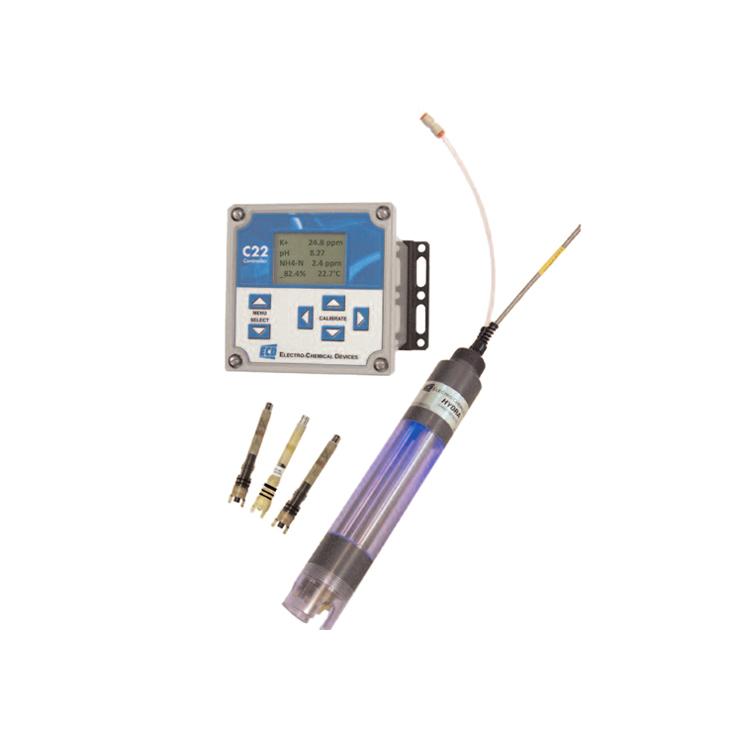
The digital COD water quality sensor adopts an integrated design, comes standard with an RS485 communication interface, is compatible with the Modbus RTU standard protocol, and can quickly connect to smart water services, environmental monitoring, and IoT cloud platforms. The device uploads COD concentration, water temperature, and turbidity compensation data in real time, with stable signal transmission and strong anti-interference capability, supports remote data viewing and device status monitoring, and is suitable for systematic water quality monitoring projects.
1. Working Principle
Based on LambertBeer's Law: aromatic and conjugated organic matter in water has254nm Ultraviolet light has characteristic absorption; the higher the concentration of organic matter, the more ultraviolet light is absorbed.
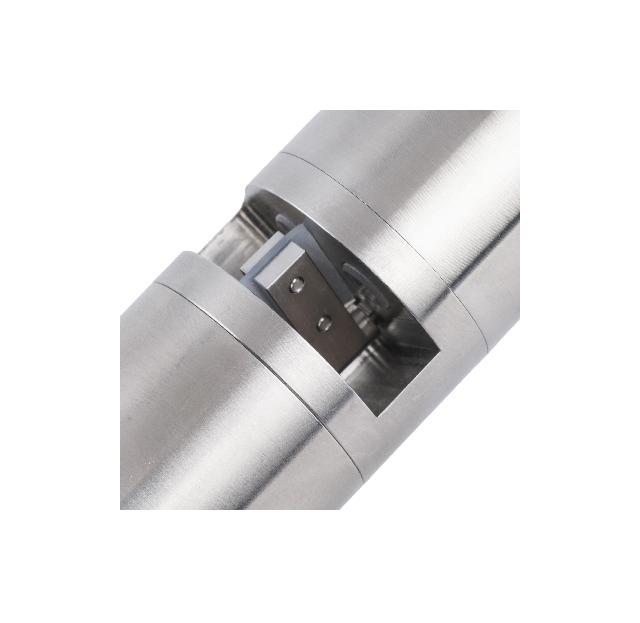
Dual-beam light source: one path of 254nm ultraviolet light is used to detect organic matter; one path of visible light / UV reference light, specifically corrects turbidity and color interference.
The sensor detects the light intensity after light passes through the water sample, calculates absorbance, and converts it through built-in calibration algorithms to obtain COD value, and can also convert and output BOD、TOCand permanganate index and other indirect parameters.
Integrated temperature sensor for automatic temperature compensation; most are equipped with motorized self-cleaning brushes to remove sludge and biofilm attachments on the measurement window, reducing drift.
Supplementary note: There are also a few intelligent sensors that use small-scale chemical digestion methods, which require reagent consumption, have larger volumes, and higher operation and maintenance costs. The vast majority of intelligent probes on the market use UV optical methods.
Introduction to Digital RS485 COD Sensor
2. Main Features
No chemical reagents required, no secondary pollution
No hazardous reagents such as potassium dichromate, concentrated sulfuric acid, or mercury sulfate are used, no toxic waste liquid is produced, significantly reducing consumables and hazardous waste disposal costs.
Second-level rapid measurement,24h Continuous online
A few seconds to30 Outputs a set of data per second, enabling high-frequency continuous monitoring, suitable for capturing sudden water quality changes and overflow pollution peaks; traditional national standard chemical methods require tens of minutes to 2 hours, only intermittent detection possible.
Intelligent compensation and anti-interference
Dual-wavelength algorithm automatically compensates for turbidity, color, temperature, and optical path aging attenuation, adapting to high-turbidity and complex water bodies such as rivers and sewage.
Built-in self-cleaning, low maintenance requirements
Built-in motorized cleaning brush periodically and automatically wipes the optical window, reducing biological fouling and scaling, extending the calibration cycle, suitable for unattended field stations.
Digital intelligent output, easy to connect to IoT
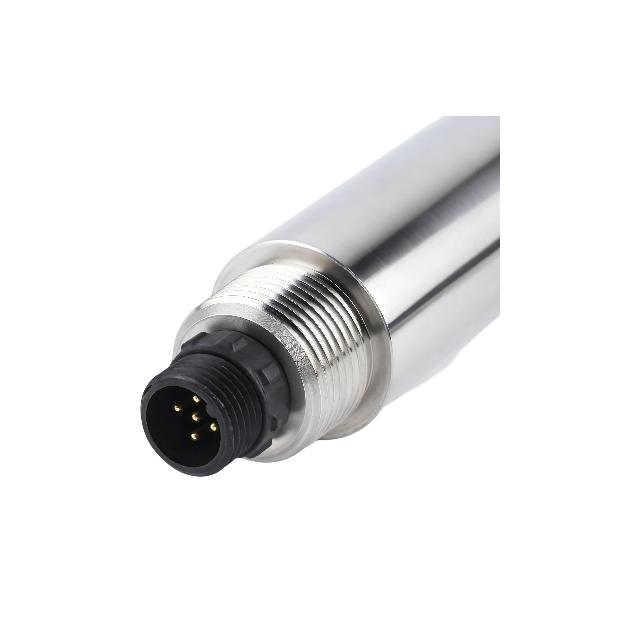
RS485 Modbus RTU as standard interface, some support 4 20mA Analog; built-in chip completes signal processing, data storage, and fault self-diagnosis, and can be directly connected to data acquisition instruments, environmental platforms, buoy monitoring stations, andPLC control systems, supporting remote data viewing.
Hardware protection
IP68 Fully waterproof,316L Stainless Steel / Titanium alloy shell, can be immersed in water for long periods, resistant to sewage corrosion.
Introduction to Digital RS485 COD Sensor
3. Typical Technical Parameters (General Reference for UV Type)
Measurement principle: dual-wavelength UV absorption method (254nm + reference light)
COD Range:0 100、0 500、0 1000mg/L(multiple ranges optional)
Simultaneous output:CODturbidity, temperature, some output TOC/BOD estimated value
Response time:3 30s
Communication:RS485 Modbus RTU
Protection rating:IP68
Power supply:12 24VDC
Function: automatic turbidity and temperature compensation, motorized self-cleaning
Note: The UV method is an indirect conversion measurement; high salinity and special organic wastewater without UV absorption can cause deviations. Important discharge outlets can be regularly compared and calibrated using national standard chemical methods.
Main Application Areas
- Wastewater Treatment — Real-time COD monitoring in aeration tanks and effluent to optimize treatment processes and ensure compliance.
- Surface Water Monitoring — Continuous organic pollution tracking in rivers, lakes, and reservoirs for early warning of contamination.
- Industrial Effluent — COD measurement in discharge from chemical, pharmaceutical, and food processing plants to meet environmental regulations.
- Drinking Water Safety — Organic matter monitoring in raw and treated drinking water to safeguard public health.
- Aquaculture — Water quality management in fish farms and shrimp ponds to maintain optimal growing conditions.
Keywords:COD sensor, online COD analyzer, UV254 COD probe, water quality sensor, RS485 COD meter, chemical oxygen demand sensor, digital COD probe, industrial COD monitor