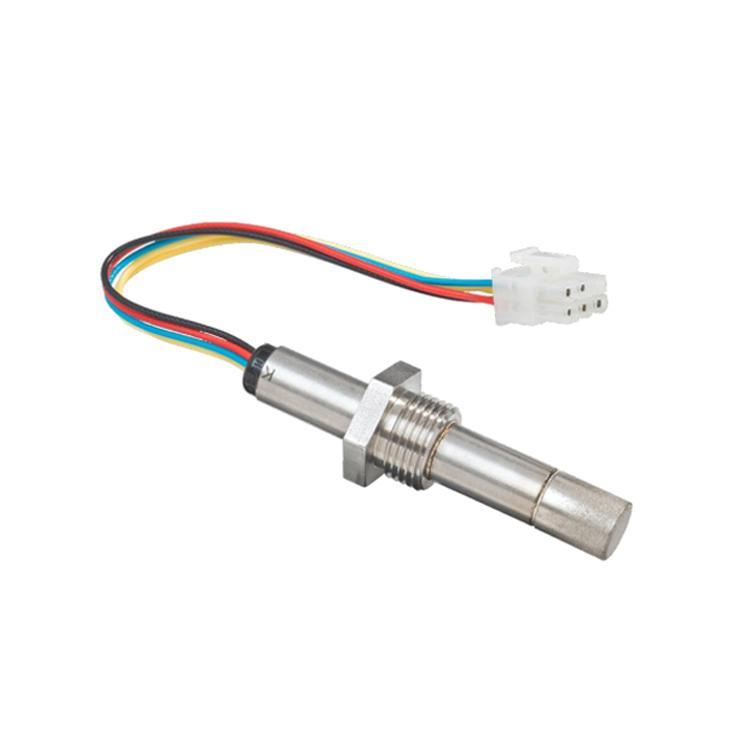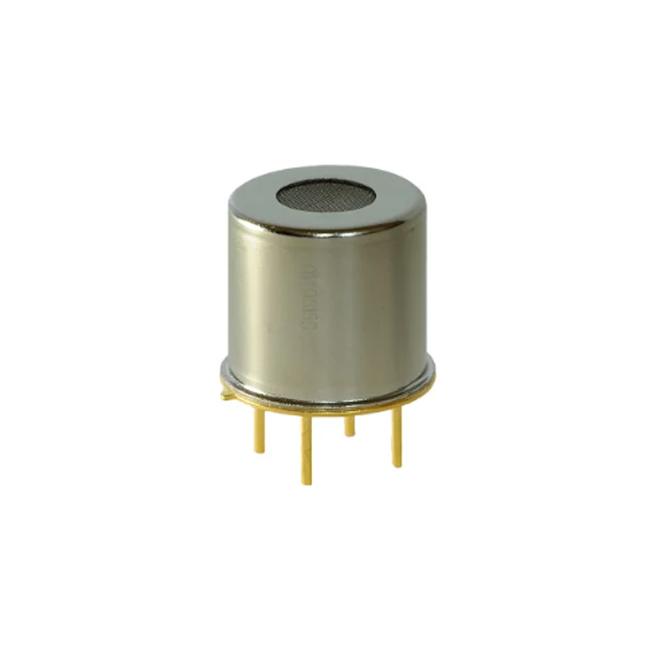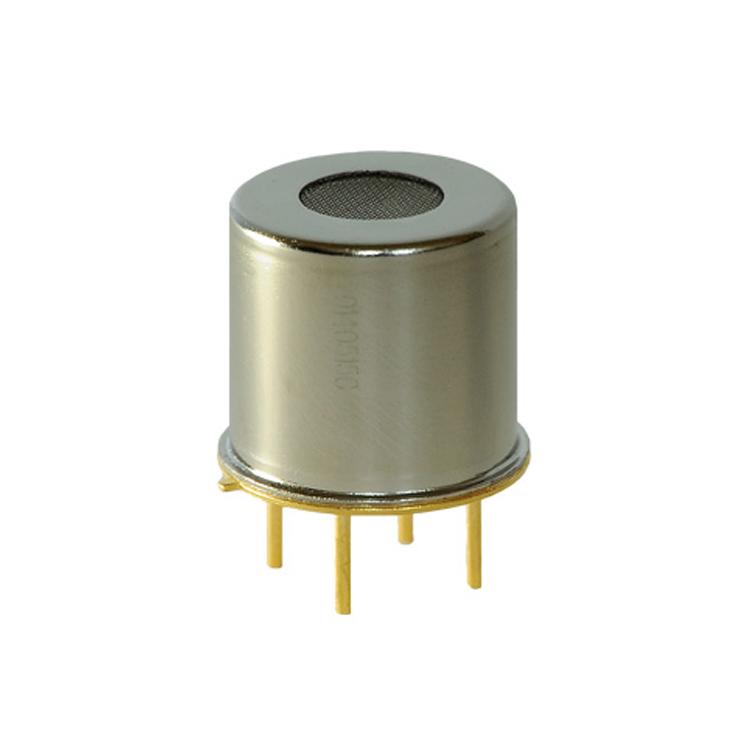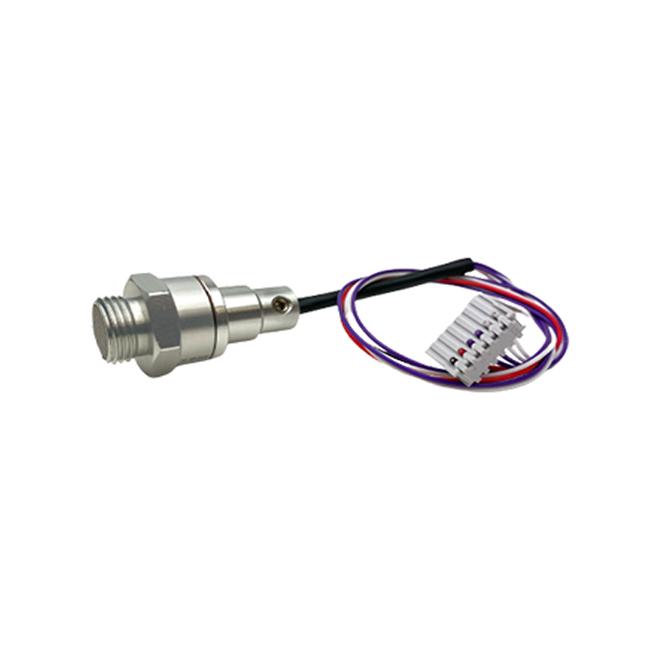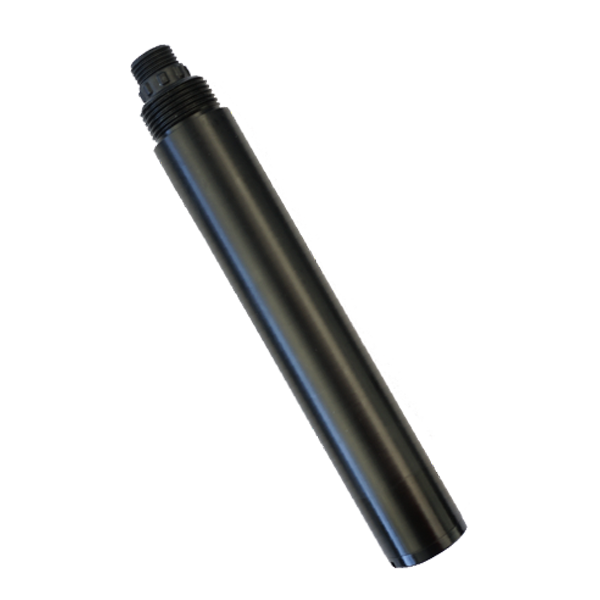
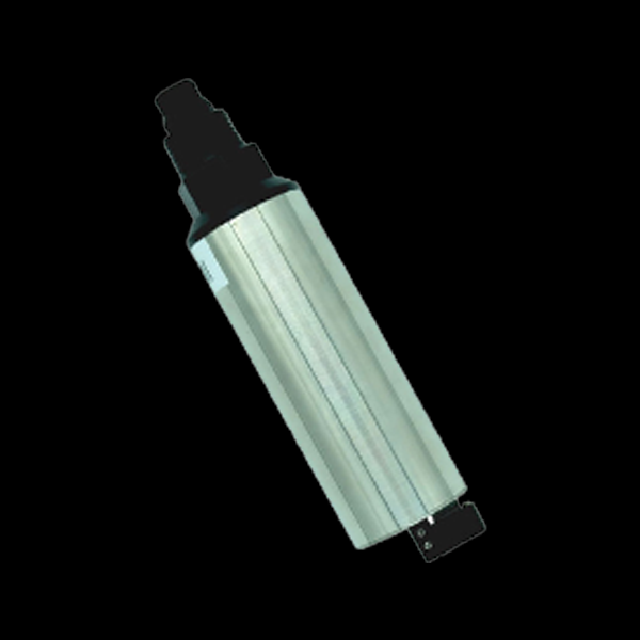
Oil-in-Water Monitoring Terminal Port Oily Wastewater Monitoring - SKA/SZY-CGQ
Measurement Range: 0~100mg/L (optional 0~50mg/L, 0~500mg/L)
• Accuracy: ±5%FS
• Resolution: 0.1mg/L
• Output Signal: 4~20mA / RS485 Modbus
• Power supply: DC24V
• Medium Temperature: 0~50℃
• Working Pressure: 0~0.4MPa
• Material: 316L stainless steel probe, quartz glass optical window
• Protection Rating: IP68
• Installation Method: Immersion Installation
• Response time: ≤30s
• Warranty: 1 year
Product Introduction
Oil-in-Water Monitoring Terminal Port Oily Wastewater Monitoring - Product Overview
The oil-in-water monitoring terminal is an oil pollutant detection terminal device used for port oily wastewater monitoring. Search keywords: oil-in-water monitoring terminal, port oily wastewater monitoring, oil-in-water sensor. This terminal can continuously detect the concentration of oil substances in port oily wastewater and is suitable for ports, docks, and ship repair yards. In port oily wastewater monitoring, the oil-in-water monitoring terminal can reflect changes in oil content in real time, helping ports control emissions and meet environmental protection requirements.
Oil-in-Water Monitoring Terminal Port Oily Wastewater Monitoring - Working Principle
The oil-in-water monitoring terminal adopts the ultraviolet fluorescence principle, calculating the oil content in water by exciting oil substances to produce fluorescence and detecting the fluorescence intensity. In port oily wastewater monitoring, the oil-in-water monitoring terminal supports RS485, Modbus, 4G, and Ethernet output, and can be connected to port environmental protection monitoring systems and cloud platforms. The terminal has automatic calibration and fault self-diagnosis functions, making it suitable for long-term online operation.
Oil-in-Water Monitoring Terminal Port Oily Wastewater Monitoring - Application Scenarios
Oil-in-water monitoring terminals are widely used in ports, docks, ship repair yards, and oil loading and unloading areas. In port oily wastewater monitoring, oil-in-water monitoring terminals can be installed at discharge outlets, oil separation tanks, and wastewater treatment devices to collect oil content data in real time. The terminal can be linked with alarm systems, oil removal equipment, and cloud platforms to achieve automatic warning and data publishing. For large ports, oil-in-water monitoring terminals can also form a multi-point monitoring network and upload data uniformly to the port management platform.
Oil-in-Water Monitoring Terminal Port Oily Wastewater Monitoring - Technical Advantages
The oil-in-water monitoring terminal has advantages such as high detection accuracy, fast response speed, and good stability. In port oily wastewater monitoring, the oil-in-water monitoring terminal uses a corrosion-resistant housing and anti-fouling optical design, making it suitable for long-term operation. The terminal supports data storage, printing, and remote communication, and is easy to maintain. When selecting an oil-in-water monitoring terminal, attention should be paid to the measurement range, accuracy, response time, communication method, and protection rating to ensure it meets the needs of port oily wastewater monitoring.
Main Application Areas
- Port Oily Wastewater Monitoring — Continuous monitoring of oil concentration in port wastewater to ensure compliance with environmental discharge standards.
- Dock and Shipyard Effluent Control — Real-time oil content measurement in shipyard and dock wastewater to prevent oil pollution and support treatment processes.
- Industrial Wastewater Treatment — Monitoring oil levels in industrial wastewater treatment plants for process control and regulatory reporting.
- Environmental Compliance Monitoring — Providing reliable oil-in-water data for environmental agencies and port authorities to enforce discharge limits.
Keywords:oil in water monitoring terminal, port oily wastewater monitoring, oil in water sensor, oil content analyzer, online oil monitor, industrial oil detector, wastewater oil measurement, oil pollution sensor