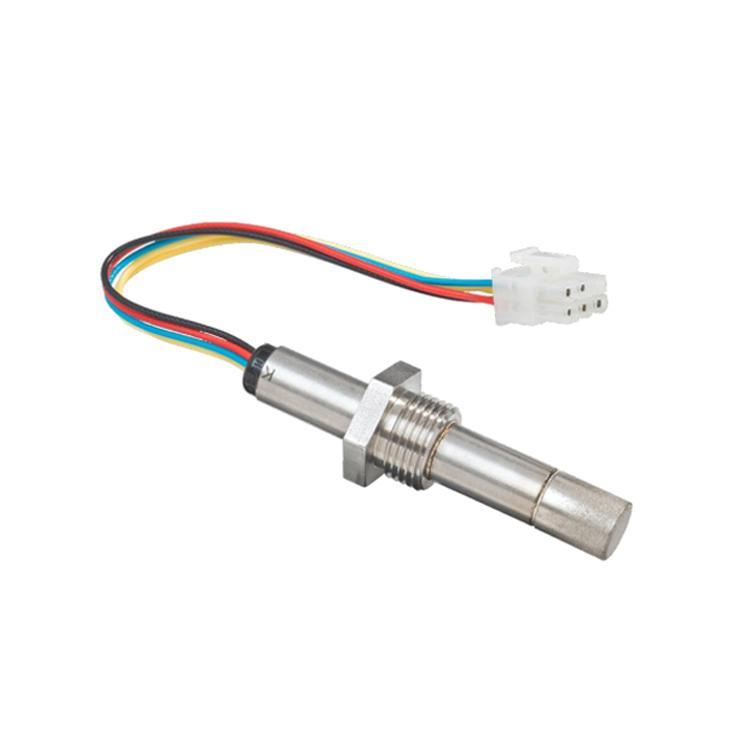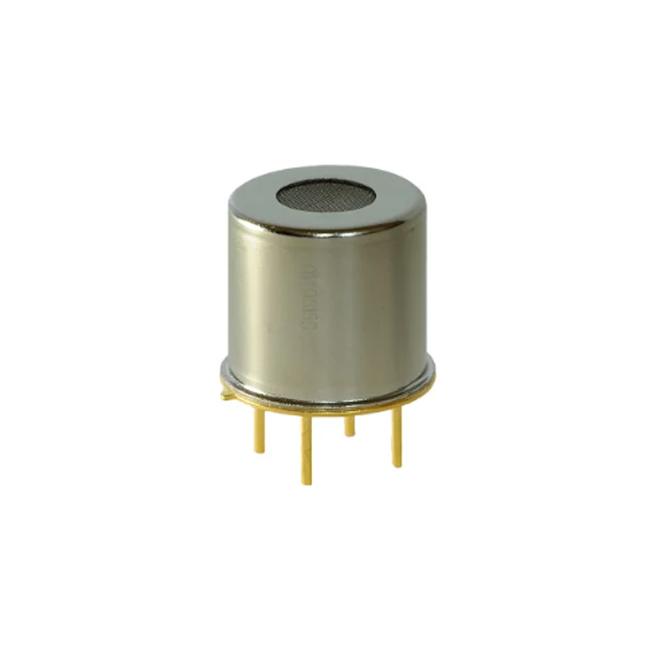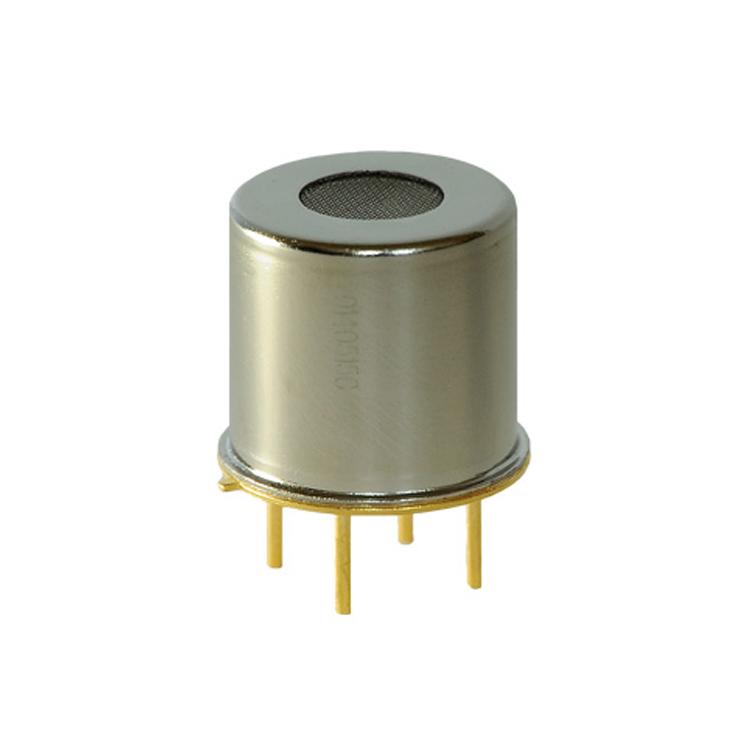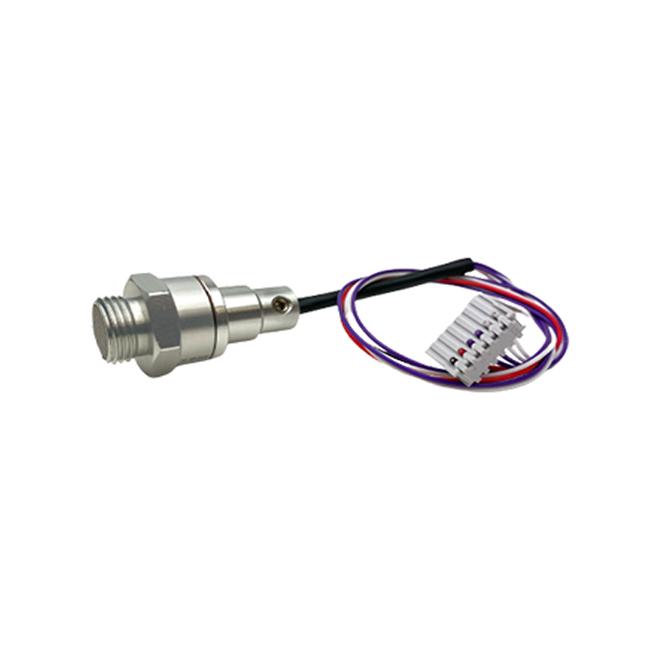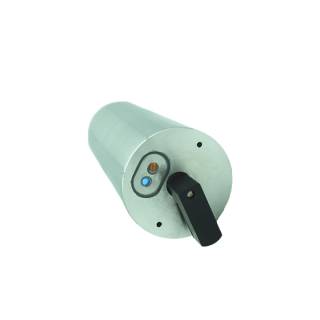
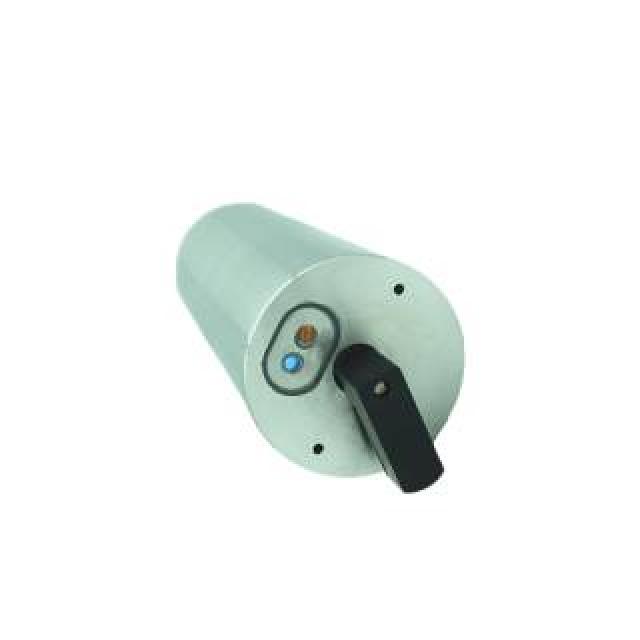
Oil-in-Water Shoreline Monitoring Station - Drinking Water Source Oil Pollution Monitoring - SKA/SZY-CGQ
Measurement Range: 0~100mg/L (optional 0~50mg/L, 0~500mg/L)
• Accuracy: ±5%FS
• Resolution: 0.1mg/L
• Output Signal: 4~20mA / RS485 Modbus
• Power supply: DC24V
• Medium Temperature: 0~50℃
• Working Pressure: 0~0.4MPa
• Material: 316L stainless steel probe, quartz glass optical window
• Protection Rating: IP68
• Installation Method: Immersion Installation
• Response time: ≤30s
• Warranty: 1 year
Product Introduction
Oil-in-Water Shoreline Monitoring Station - Drinking Water Source Oil Pollution Monitoring - Product Overview
The oil-in-water shoreline monitoring station is a shore-based oil pollutant detection system. Search keywords: oil-in-water shoreline monitoring station, drinking water source oil pollution monitoring, oil-in-water sensor. This system can continuously monitor the concentration of oil substances in drinking water sources, and is suitable for water intake points in rivers, lakes, and reservoirs. In drinking water source oil pollution monitoring, the oil-in-water shoreline monitoring station can upload data in real time, helping water utilities promptly detect oil pollution incidents and take response measures.
Oil-in-Water Shoreline Monitoring Station - Drinking Water Source Oil Pollution Monitoring - Working Principle
The oil-in-water shoreline monitoring station uses the ultraviolet fluorescence principle. A sampling pump introduces the water sample into the detection chamber, excites oil substances to produce fluorescence, and detects the fluorescence intensity to calculate the oil content in water. In drinking water source oil pollution monitoring, the oil-in-water shoreline monitoring station supports RS485, Modbus, 4G, and Ethernet output, and can be connected to cloud platforms and water utility monitoring systems. The system has automatic calibration, fault self-diagnosis, and data storage functions, making it suitable for unattended monitoring.
Oil-in-Water Shoreline Monitoring Station - Drinking Water Source Oil Pollution Monitoring - Application Scenarios
Oil-in-water shoreline monitoring stations are widely used in drinking water sources, river intake points, lakeshores, and reservoir dams. In drinking water source oil pollution monitoring, oil-in-water shoreline monitoring stations can be installed in monitoring station buildings, shoreline bases, and trestles to collect oil content data in real time. The system can be linked with alarm systems, video surveillance, and cloud platforms to achieve automatic warning and data publishing. For watershed monitoring networks, oil-in-water shoreline monitoring stations can also form multi-point monitoring systems and upload data uniformly to water utility platforms.
Oil-in-Water Shoreline Monitoring Station - Drinking Water Source Oil Pollution Monitoring - Technical Advantages
The oil-in-water shoreline monitoring station has advantages such as continuous monitoring, high precision, and good stability. In drinking water source oil pollution monitoring, the oil-in-water shoreline monitoring station uses a corrosion-resistant housing and anti-fouling optical design, making it suitable for long-term operation. The system supports remote calibration, fault self-diagnosis, and data storage, and is easy to maintain. When selecting an oil-in-water shoreline monitoring station, attention should be paid to the measurement range, accuracy, response time, communication method, and protection rating to ensure it meets the needs of drinking water source oil pollution monitoring.
Main Application Areas
- Drinking Water Source Protection — Continuous monitoring of oil pollutants at intake points of rivers, lakes, and reservoirs to safeguard drinking water quality.
- Industrial Wastewater Discharge Monitoring — Real-time detection of oil concentrations in industrial effluent to ensure compliance with environmental regulations.
- Oil Spill Early Warning — Immediate alert of accidental oil spills in surface water bodies, enabling rapid response and mitigation.
- Environmental Water Quality Assessment — Long-term tracking of oil pollution levels in natural water bodies for ecological research and reporting.
Keywords:oil in water monitor, shoreline monitoring station, drinking water oil pollution, oil pollution monitoring, oil-in-water sensor, water quality monitoring, oil spill detection, online oil analyzer