

Product Introduction
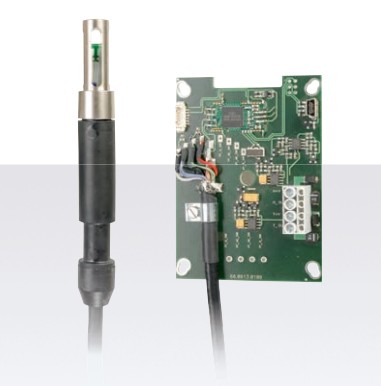
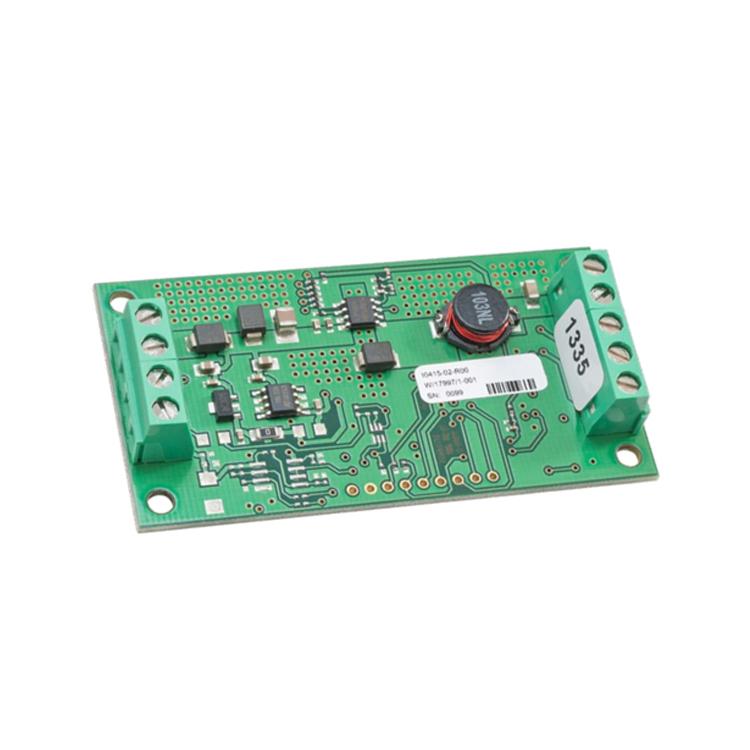
1.Oxygen TransmitterSensor - OXY-LC-485 Description
The circuit can power and control the SST series dynamic oxygen sensors. The SST seriesOxygen Transmitterdoes not directly measure oxygen concentration, but rather measures the partial pressure of oxygen in the gas. To directly output oxygen concentration,Oxygen TransmitterOXY-LC-485it must be calibrated in air or in a gas with a known specific reference concentration. Applications: combustion control including oil, gas, and biomass boilers; composting; laboratory and building air quality monitoring; including personal safety in enclosed spaces, etc.
2. Oxygen Transmitter Sensor - OXY-LC-485 Parameter Features:
1. The circuit can power and control the SST series dynamic oxygen sensors.
2. The communication protocol complies with RS485 Modbus RTU, fully controlling sensor operation and also obtaining sensor diagnostic information.
3. Fast response and stable oxygen concentration can be achieved through appropriate software filter settings.
4. The sensor can be calibrated in air and in gases of known concentration. Before the sensor reaches stable operating temperature, the software will delay calibration for 5 minutes after the heater is started.
5. Communication settings are adjustable, and the slave address of the interface can be changed to allow up to 32 interfaces to communicate on one bus simultaneously. Each device represents one unit load on the network. Ideal for applications requiring multiple oxygen readings.
6. The power supply line has voltage and short-term overload protection.
7. The PCB is equipped with screw terminal blocks.
3. Oxygen Transmitter Sensor - OXY-LC-485 Electrical Characteristics:
Supply Voltage: 8-28VDC
Current Consumption: 600mA max @24VDC; 1.2A max @12VDC
Temperature Requirements: Operating -25 to 70°C; Storage -40 to 85°C
4. Oxygen Transmitter Sensor - OXY-LC-485 Applications
Combustion control including oil, gas, and biomass boilers
Composting
Laboratory and building air quality monitoring
Including personal safety in enclosed spaces
Industrial process control such as gas mixing processes for welding and steelmaking
Oxygen concentrator systems
Medical
Scientific experiments including respiration studies of communities or microorganisms, plants, and animals
Food and beverage packaging fermentation, rust and corrosion prevention, fire protection, inerting, and purification applications requiring low oxygen concentrations