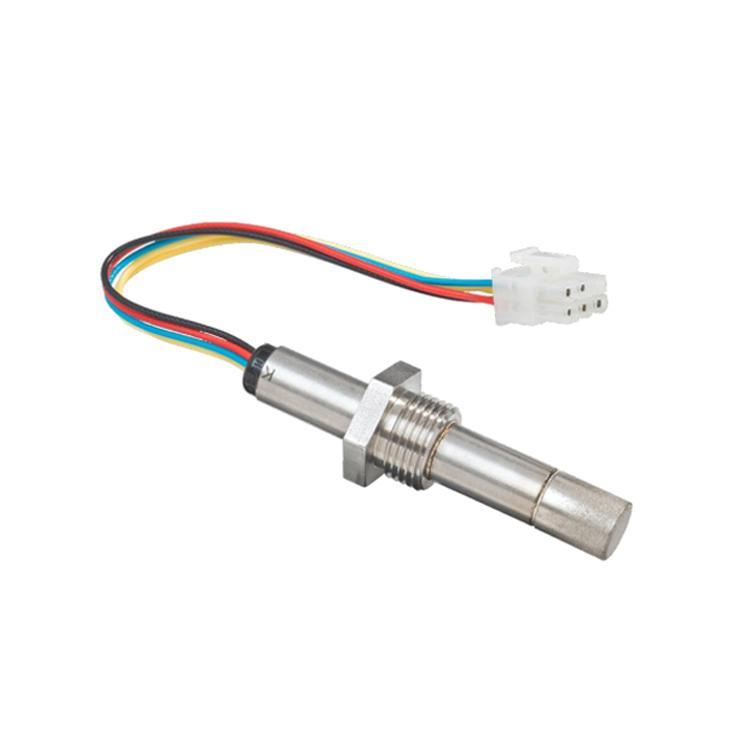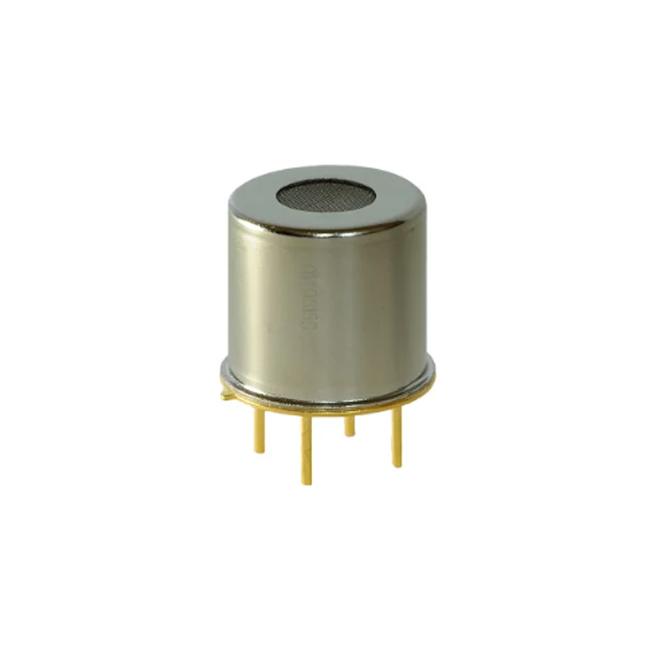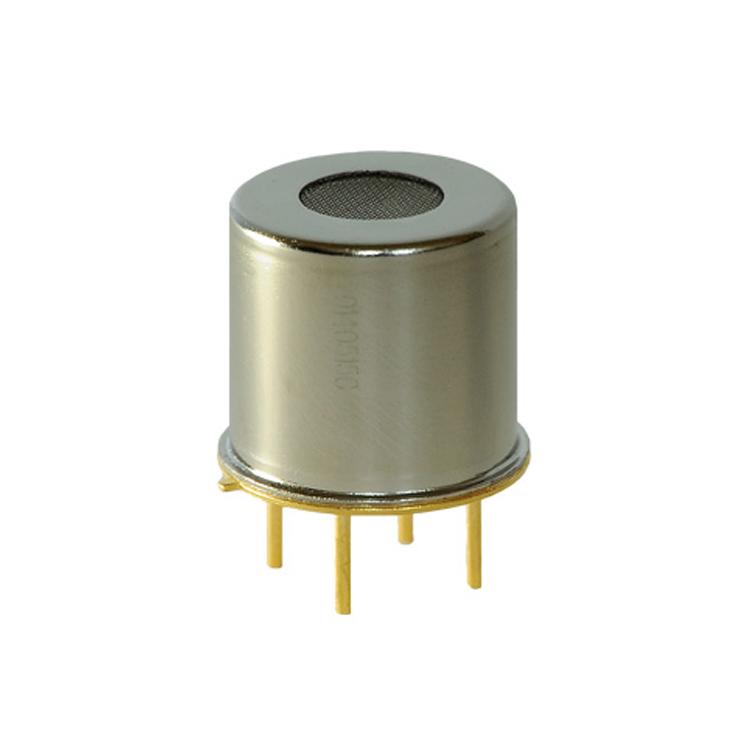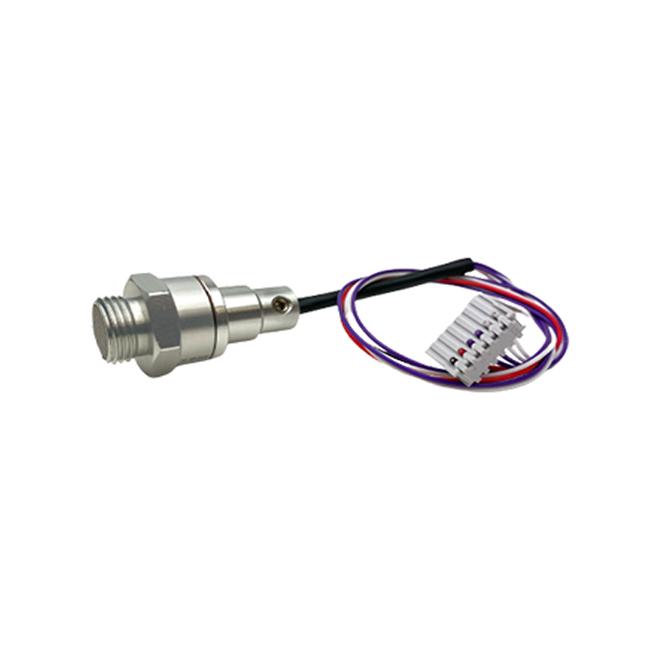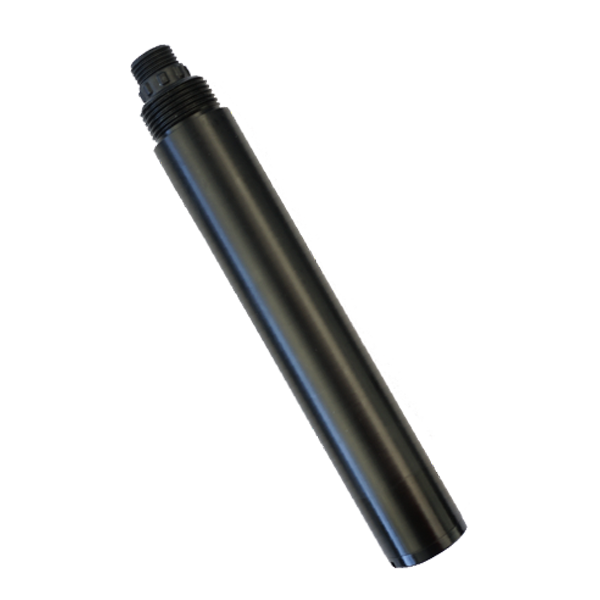
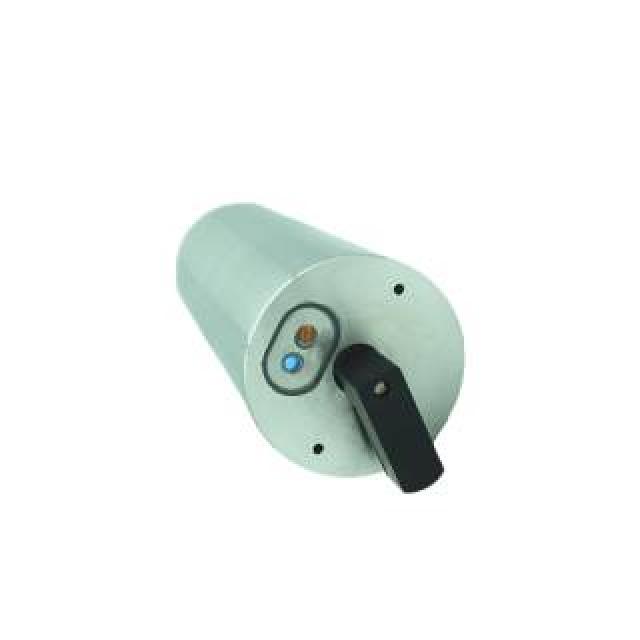
External fluorescence oil-in-water sensor marine oil pollution monitoring - SKA/SZY-CGQ
Measurement Range: 0~100mg/L (optional 0~50mg/L, 0~500mg/L)
• Accuracy: ±5%FS
• Resolution: 0.1mg/L
• Output Signal: 4~20mA / RS485 Modbus
• Power supply: DC24V
• Medium Temperature: 0~50℃
• Working Pressure: 0~0.4MPa
• Material: 316L stainless steel probe, quartz glass optical window
• Protection Rating: IP68
• Installation Method: Immersion Installation
• Response time: ≤30s
• Warranty: 1 year
Product Introduction
Ultraviolet fluorescence oil-in-water sensor marine oil pollution monitoring - Working principle
The ultraviolet fluorescence oil-in-water sensor utilizes the characteristic of oil substances to produce fluorescence under ultraviolet light excitation, and calculates the oil content in water by detecting the fluorescence intensity. In marine oil pollution monitoring, the ultraviolet fluorescence oil-in-water sensor adopts non-contact or flow-through measurement methods, with strong anti-interference ability, suitable for high-salinity seawater and biofouling environments. The sensor supports RS485, Modbus, and 4-20mA outputs, and can be connected to PLC, DCS, and environmental monitoring platforms, featuring automatic calibration and fault self-diagnosis functions.
Ultraviolet fluorescence oil-in-water sensor marine oil pollution monitoring - Application scenarios
The ultraviolet fluorescence oil-in-water sensor is widely used in offshore platforms, ports and docks, ship ballast water, marine ranches, and coastal sewage outfalls. In marine oil pollution monitoring, the ultraviolet fluorescence oil-in-water sensor can be installed at discharge outlets, water intake points, and monitoring buoys to collect oil content data in real time. The sensor can be linked with alarm systems, video surveillance, and cloud platforms to achieve automatic warning and data publishing. For large sea areas, the ultraviolet fluorescence oil-in-water sensor can also form a multi-point monitoring network, uniformly uploaded to the marine monitoring center.
Ultraviolet fluorescence oil-in-water sensor marine oil pollution monitoring - Technical advantages
The ultraviolet fluorescence oil-in-water sensor has advantages such as high sensitivity, fast response, and strong anti-interference ability. In marine oil pollution monitoring, the ultraviolet fluorescence oil-in-water sensor adopts anti-corrosion housing and anti-biofouling design, suitable for long-term seawater operation. The sensor supports remote calibration and fault self-diagnosis, making maintenance convenient. When selecting an ultraviolet fluorescence oil-in-water sensor, attention should be paid to measurement range, accuracy, response time, protection rating, and output signal to ensure it meets the needs of marine oil pollution monitoring.
Main Application Areas
- Marine Oil Pollution Monitoring — Real-time detection of oil concentration changes in seawater to help environmental agencies identify leaks and discharges promptly.
- Offshore Platforms — Continuous monitoring of oil-in-water levels in produced water and discharge streams to ensure regulatory compliance.
- Ports and Harbors — Tracking oil contamination in port waters to support pollution control and environmental protection efforts.
- Ships and Vessels — Onboard monitoring of bilge water and ballast water to prevent illegal oil discharges and support MARPOL compliance.
- Marine Ranching — Monitoring oil pollutants in aquaculture waters to protect marine life and maintain water quality.
Keywords:UV fluorescence oil in water sensor, marine oil pollution monitoring, oil in water analyzer, online oil detector, fluorescence oil sensor, water quality monitoring sensor, oil spill detection sensor, industrial oil-in-water sensor