Product Introduction
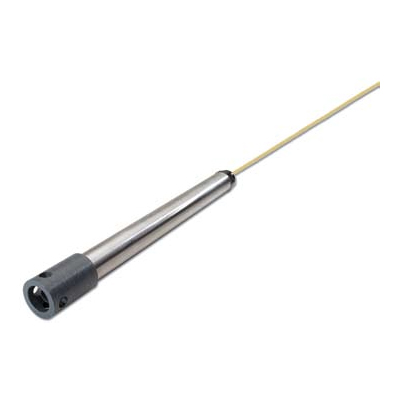
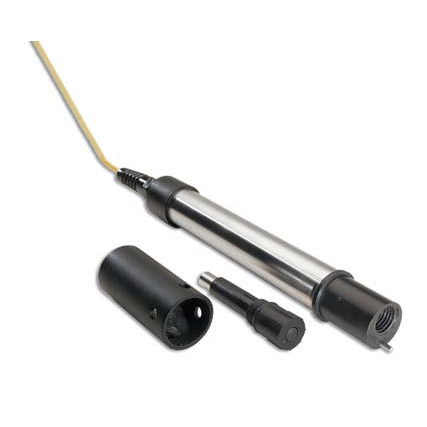
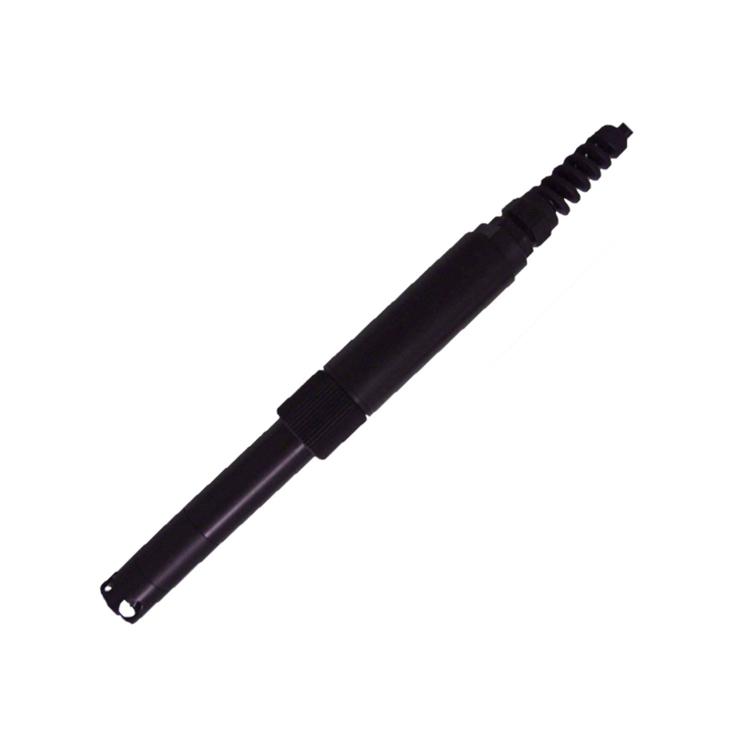
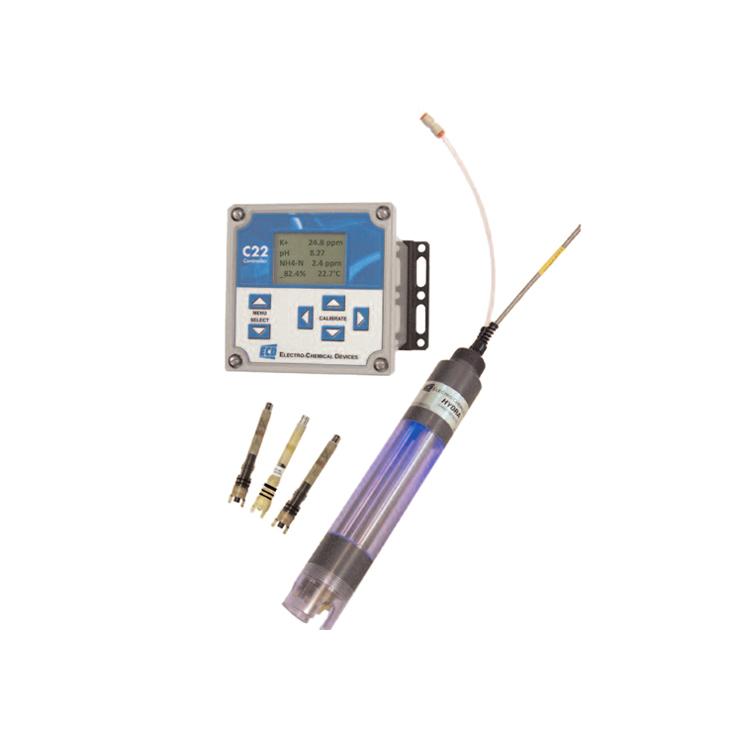
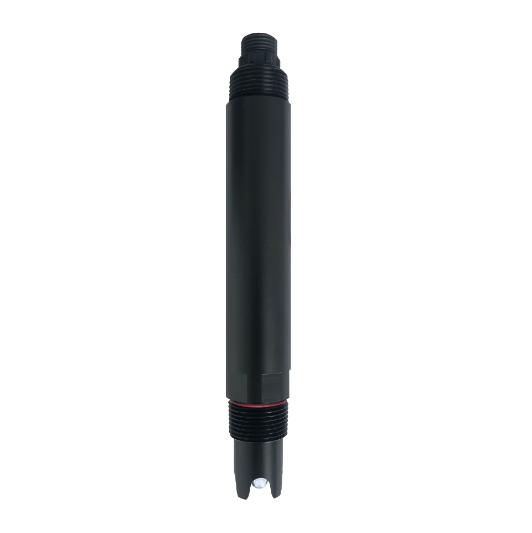
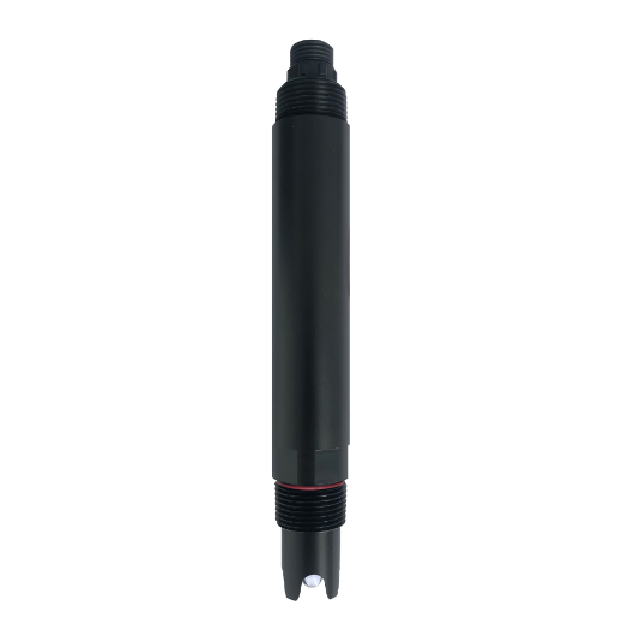
The water quality pH monitoring sensor for reservoir areas is easy to use and features immersion installation
I. Product overview of the water quality pH monitoring sensor for reservoir areas, easy to use and featuring immersion installation
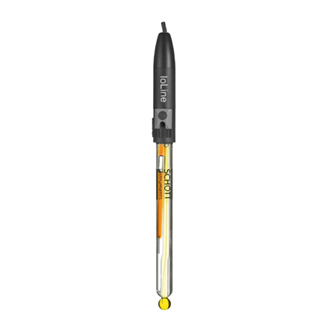
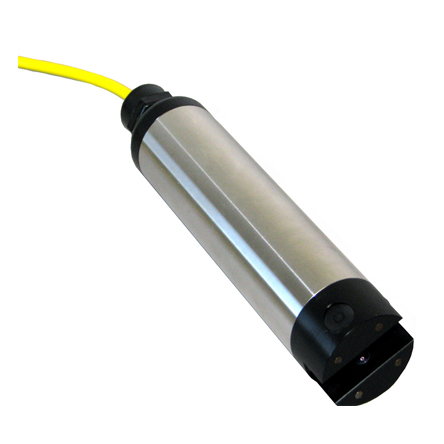
The water quality pH monitoring sensor for reservoir areas, easy to use and featuring immersion installation, is a high-precision intelligent sensing device specially developed for real-time monitoring of liquid acidity and alkalinity. Its core function is to detect the hydrogen ion concentration in water and accurately convert it into the solution pH value, allowing real-time feedback on changes in the liquid's acid-base state. The product is divided into digital intelligent models and analog universal models, equipped with an upgraded sensing glass membrane and an integrated temperature compensation structure, abandoning the pain points of traditional sensors such as precision drift, easy clogging, and poor corrosion resistance. It has the core advantages of all-weather online monitoring, stable data, wide adaptability, and simple operation and maintenance. It can be widely used in industrial production, environmental protection monitoring, water treatment, aquaculture, food and beverages, biomedicine, and many other fields. It is a core precision device for water quality control, process regulation, and environmental monitoring, providing reliable data support for the precise control of acid-base parameters in various fluids.
II. Core product advantages of the water quality pH monitoring sensor for reservoir areas, easy to use and featuring immersion installation
1. Ultra-high measurement accuracy, stable data and anti-interference
The water quality pH monitoring sensor for reservoir areas is easy to use and features immersion installation. It adopts an imported high-transmittance spherical glass sensitive membrane and is built on mature automated production processes, offering high sensing sensitivity and fast response speed, and can accurately capture small pH fluctuations in liquids. It has a built-in high-precision PT1000 temperature sensor and an intelligent automatic temperature compensation algorithm, which can offset measurement errors caused by different water temperatures and working condition temperature differences, completely solving the high and low temperature data drift problem of traditional equipment. The measurement resolution can reach 0.01PH, the measurement error is controlled within ±0.05PH, the data repeatability is strong, the stability is high, and there is no obvious deviation in long-term monitoring.
2. Strong and durable material, suitable for harsh working conditions
The whole machine usesPOM corrosion-resistant housing, combined with a chemical erosion-resistant sealing structure, waterproof rating up to IP68, can work immersed in water for a long time, effectively resisting corrosion from complex media such as sewage, acid-base solutions, chlorine-containing media, and viscous fluids. Innovative upgraded single-hole capillary diaphragm structure, compared with traditional porous ceramic salt bridges, is less likely to be clogged by suspended solids, bacteria, and colloidal impurities, eliminating salt bridge poisoning and data failure problems, without the need for frequent cleaning and maintenance, greatly improving equipment service life, and easily handling harsh monitoring scenarios such as high-turbidity wastewater, industrial sewage, and fermentation broth.
3. Dual signal output, compatible with all series of equipment
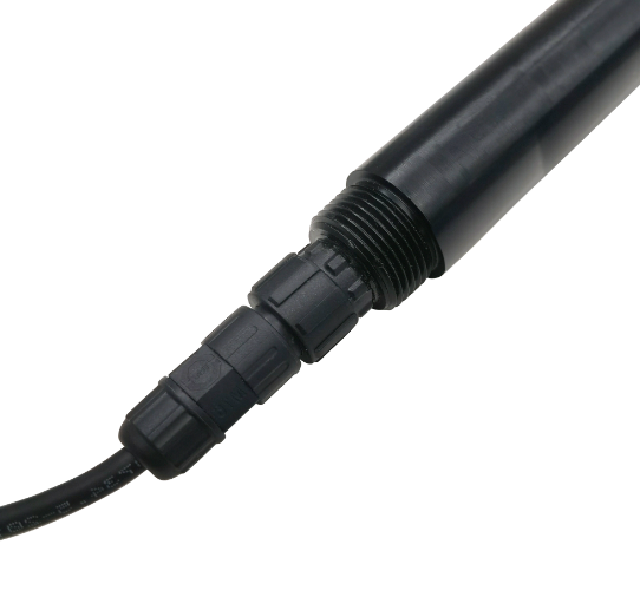
Intelligent digital model equipped withRS485 communication interface, standard Modbus-RTU protocol as standard, and also compatible with 4-20mA analog signal dual output mode. It can seamlessly connect with PLC, DCS industrial control systems, data loggers, IoT monitoring platforms and various third-party devices, support remote data collection, real-time transmission, and cloud management, and quickly build an automated monitoring system. The device is plug-and-play, requires no complex debugging, and is suitable for upgrading and transforming old and new industrial control systems, with extremely strong compatibility.
4. Low consumption, easy installation, minimalist maintenance
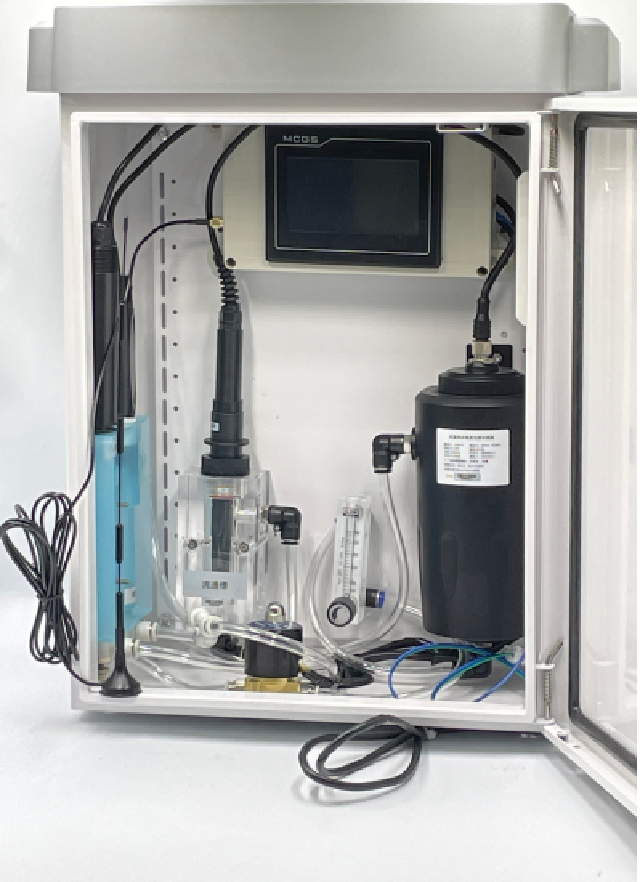
The overall structure of the equipment is compact, using standardizedNPT3/4 threaded interface, supporting multiple installation methods such as submersible, pipeline, and flow-through cell, adapting to various monitoring scenario layouts. The whole machine has extremely low power consumption, supports long-term 24-hour uninterrupted online operation, and is equipped with intelligent self-diagnosis function, which can monitor the device working status in real time and automatically warn of abnormalities. Daily frequent calibration and liquid replenishment are not required; only regular simple cleaning of the probe is needed, greatly reducing manual operation and maintenance costs and achieving fully unmanned stable monitoring.
IV. Widely used application scenarios
Environmental monitoringOnline acid-base monitoring for municipal sewage, industrial wastewater, river surface water, and drinking water sources, helping with pollutant discharge compliance control and water quality environmental inspection.
Water treatment industryAcid-base regulation for tap water purification, circulating cooling water, reclaimed water reuse, and sewage treatment processes, ensuring stable operation of water treatment processes.
Aquaculture and agricultureWater quality monitoring for fish ponds, shrimp ponds, and aquaponics systems, precisely controlling water bodyPH value, avoiding breeding losses caused by acid-base abnormalities.
Industrial productionChemical, electroplating, printing and dyeing, pharmaceutical and other industries for acid-base monitoring of production fluids, suitable for process control such as process proportioning, neutralization reactions, and waste liquid treatment.
Food and beveragesDetection of solution acidity and alkalinity in the production process of beverages, alcoholic drinks, dairy products, and condiments, ensuring standardized product quality.
Scientific research experimentsHigh-precision for laboratory fluid experiments, water quality testing, biological fermentation and other scenarios.PH data collection and recording.
V. Summary of product advantages
This modelThe PH sensor takes "high precision, high stability, high adaptability, and low maintenance" as its core highlights, breaking through the performance shortcomings of traditional monitoring equipment, and combining the practicality of civil scenarios with the professionalism of industrial scenarios. Accurate monitoring data can provide a core basis for production process optimization, water quality safety control, and environmental compliance monitoring. The integrated intelligent design adapts to automated and intelligent monitoring needs, greatly improving industry monitoring efficiency and reducing operating costs. It is the preferred equipment for online acid-base monitoring in various industries.
Main Application Areas
- Reservoir Water Quality Monitoring — Continuous pH monitoring in reservoir areas to ensure water quality safety and environmental compliance.
- Industrial Wastewater Treatment — pH control in industrial wastewater treatment processes to optimize neutralization and discharge compliance.
- Aquaculture and Fisheries — Monitoring pH levels in aquaculture ponds and fisheries to maintain optimal conditions for aquatic life.
- Environmental Monitoring — Long-term pH monitoring in rivers, lakes, and reservoirs for environmental research and protection.
- Drinking Water Treatment — pH measurement in drinking water treatment plants to ensure water quality meets safety standards.
Keywords:water quality pH sensor, reservoir pH monitoring, immersion pH sensor, industrial pH sensor, pH sensor AMT/PH-300, water quality monitoring sensor, pH monitoring system, reservoir water quality