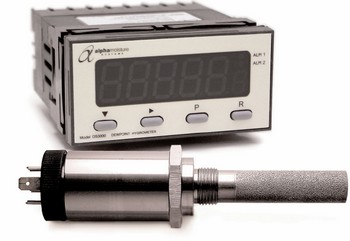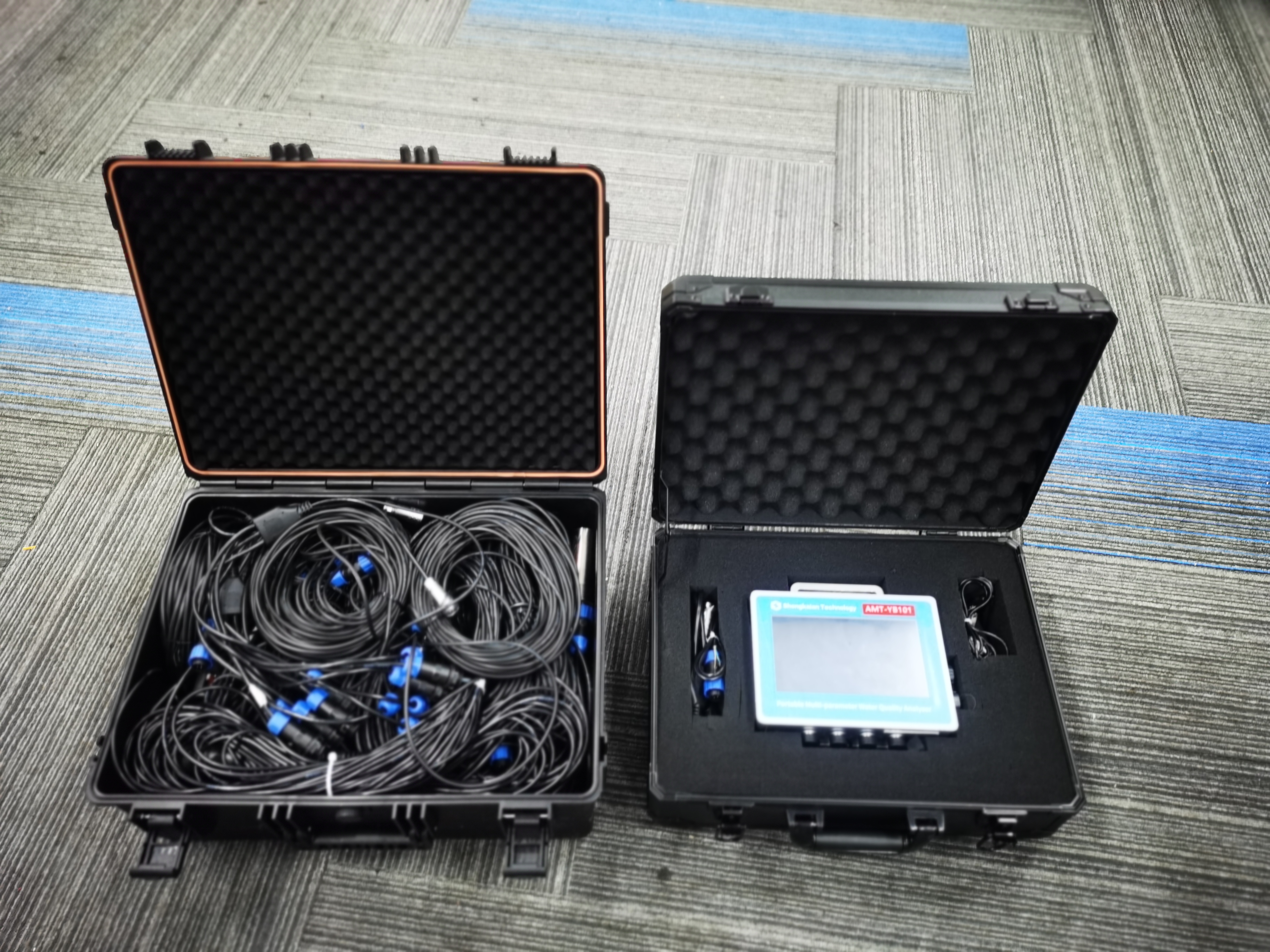
Portable multi-parameter water quality detector for residual chlorine - AMT-101
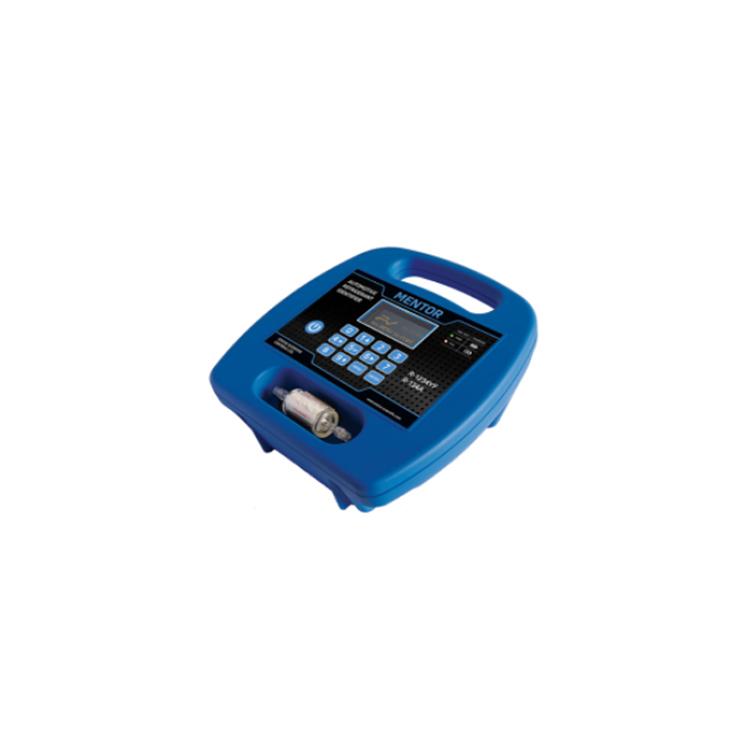
AMT-101 portable multi-parameter water quality detector is an instrument that can quickly measure multiple water quality indicators in the field, divided into two major types: electrode method (electrochemical) and spectrophotometric colorimetric method (reagent digestion). The whole unit is in a carrying case/handheld, with built-in lithium battery, no laboratory conditions required, and on-site test results.
Product Introduction
Portable multi-parameter water quality detector
AMT-101 portable multi-parameter water quality detector is an instrument that can quickly measure multiple water quality indicators in the field, divided into two major types: electrode method (electrochemical) and spectrophotometric colorimetric method (reagent digestion). The whole unit is in a carrying case/handheld, with built-in lithium battery, no laboratory conditions required, and on-site test results.
Differences between the two major types
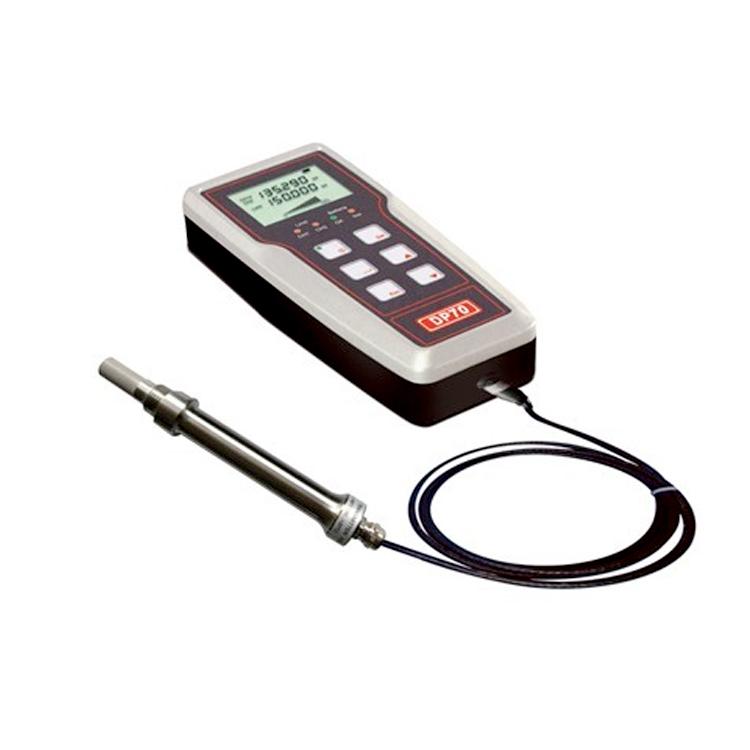
1. Electrode method (handheld probe type)
✅No reagents needed, plug and measure, reading in seconds
Detection indicators: pH, dissolved oxygen DO, conductivity, ORP oxidation-reduction potential, turbidity, TDS, salinity, temperature and other conventional five parameters
Principle: digital sensor electrode, automatic temperature compensation; IP67-IP68 waterproof; small size and light weight
Disadvantages: cannot measure chemical pollution indicators such as COD, ammonia nitrogen, total phosphorus and total nitrogen
Applicable: surface water inspection, aquaculture, preliminary screening of water sources
2. Spectrophotometric colorimetric method (digestion colorimetric type)
✅Can measure dozens of pollution indicators including COD, ammonia nitrogen, total phosphorus, total nitrogen, heavy metals, residual chlorine, total nitrogen, suspended solids, etc.
Principle: spectrophotometry, Lambert-Beer law; COD / total phosphorus / total nitrogen require matching digestion module for high-temperature digestion, with pre-made reagents for color development and colorimetry
Configuration: protective carrying case, main unit, portable digestion instrument, colorimetric tubes, complete reagent set; touch screen operation, stores thousands of data records, USB export, optional Bluetooth printing, GPS positioning, 4G cloud upload
Disadvantages: requires reagent consumption, some items require digestion, taking several minutes to over ten minutes
Applicable: sewage outlets, environmental law enforcement, emergency monitoring, industrial wastewater, investigation of surface water pollution sources
There is also an all-in-one machine: compatible with both electrode + spectrophotometric colorimetry, one set of equipment covers both physicochemical electrodes and chemical pollutant detection.
Common detection items
1. Physical and chemical: pH, temperature, turbidity, conductivity, ORP, TDS, salinity
2. Nutrients: ammonia nitrogen, total phosphorus, total nitrogen, nitrite nitrogen, phosphate, nitrate
3. Organic pollution: COD, permanganate index, suspended solids SS, color
4. Disinfection indicators: residual chlorine, total chlorine, chlorine dioxide
5. Heavy metals: hexavalent chromium, total chromium, copper, zinc, nickel, manganese, iron, lead, cadmium, etc. (optional)
Main features
1. Portable complete set: integrated protective carrying case, field operation; lithium battery power supply, dual AC/DC use, battery life 8-12h
2. Data management: large storage of historical data, USB export to Excel, partial support for GPS positioning, cloud upload, on-site report printing
3. Light source: cold light source LED, long lifespan, good measurement repeatability; digestion module with multiple channels (4-16 holes), dual temperature zone independent temperature control
4. Protection: main unit is waterproof and dustproof, suitable for outdoor and rainy day on-site testing.
Typical application scenarios
Environmental monitoring: on-site testing of surface water from rivers, lakes, reservoirs, groundwater sampling, emergency investigation of water pollution, random inspection by environmental law enforcement
Wastewater treatment plants: inspection of influent, biochemical tanks, effluent
Industry: on-site testing of discharge outlets from printing and dyeing, electroplating, and chemical enterprises
Aquaculture: rapid detection of pH, dissolved oxygen, ammonia nitrogen and nitrite in ponds
Drinking water: inspection of water sources, rural water supply, secondary water supply
Scientific research and teaching field sampling experiments
Selection points
1. If you need to measure COD / ammonia nitrogen / total phosphorus and total nitrogen → choose the spectrophotometric digestion type; if only measuring pH, dissolved oxygen, conductivity → choose the electrode handheld model
2. Confirm measurement range, choose large range for sewage, low detection limit for drinking water
3. Confirm matching pre-made reagents, reagent consumable costs
4. Whether needed: GPS positioning, on-site printing, cloud upload, data anti-tampering (required for law enforcement use)
5. Number of digestion channels, temperature control accuracy; data export format
Main Application Areas
- Environmental Monitoring — Field assessment of water quality in rivers, lakes, and groundwater for pollution surveillance.
- Drinking Water Treatment — On-site verification of residual chlorine and other parameters in municipal water supplies.
- Aquaculture — Monitoring water quality in fish farms to ensure optimal conditions for aquatic life.
- Industrial Effluent Testing — Rapid screening of wastewater discharge from industrial processes to ensure compliance.
Keywords:portable water quality detector, multi-parameter water quality meter, AMT-101, residual chlorine meter, field water testing, handheld water analyzer, water quality monitoring, portable water tester