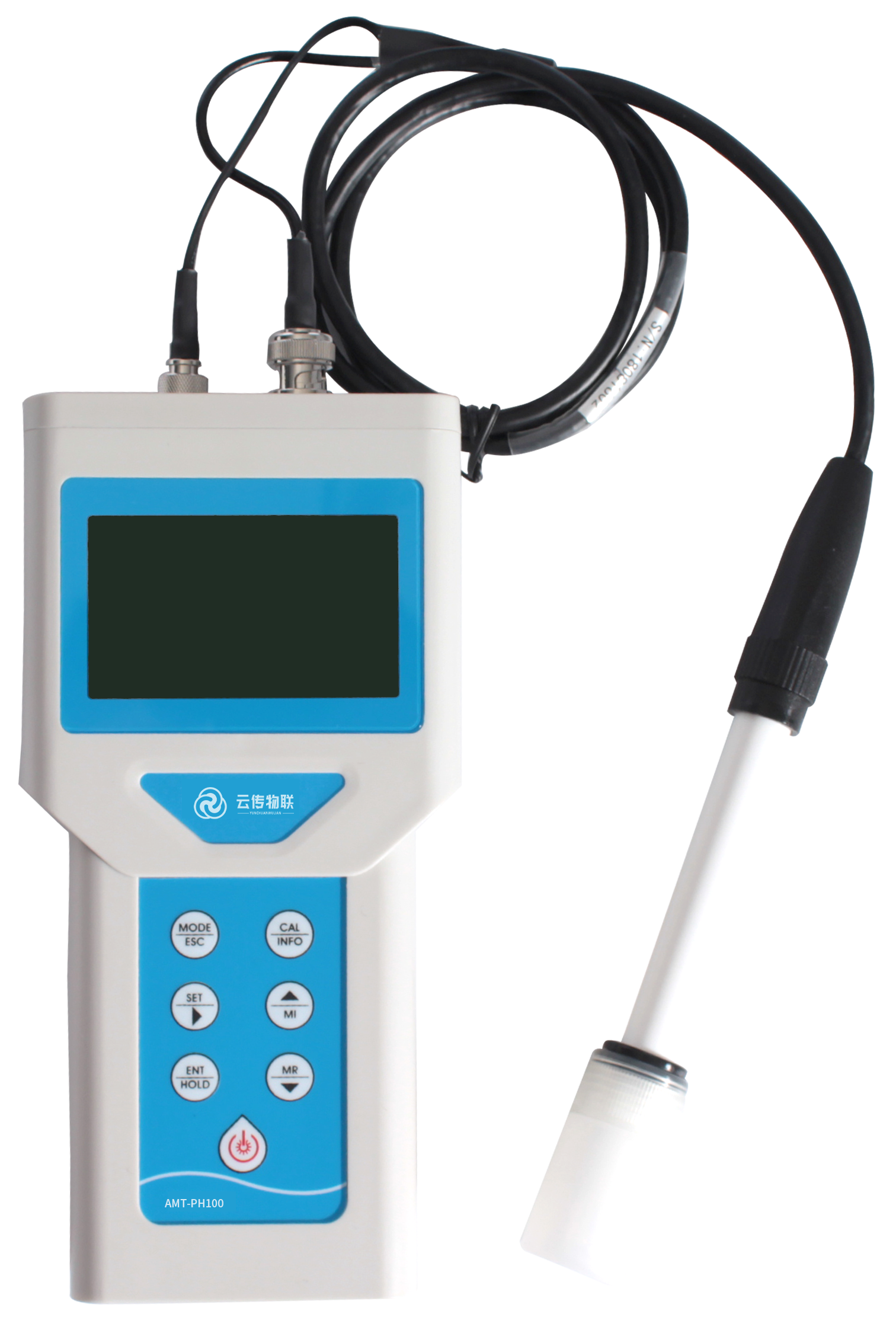
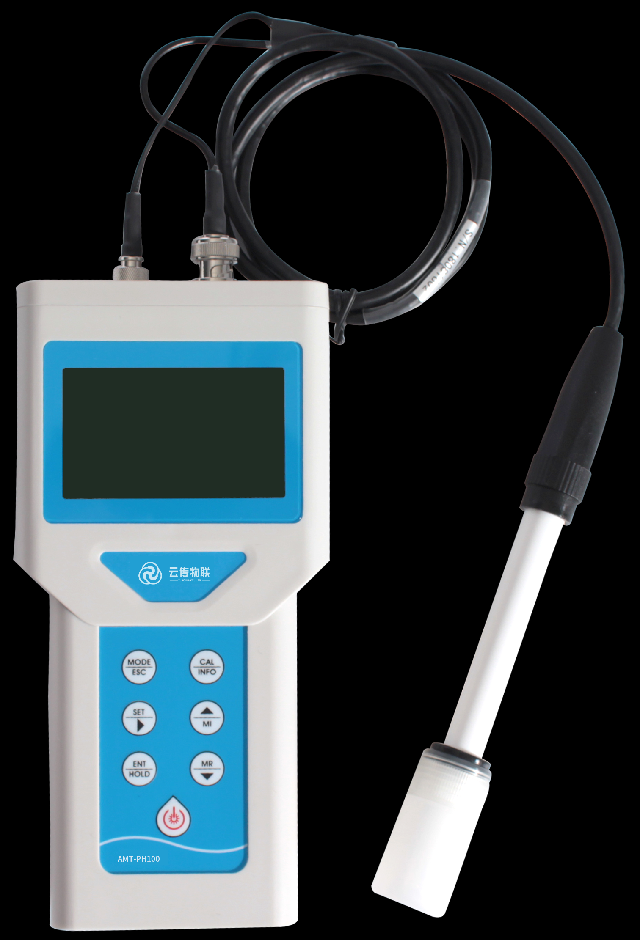
Portable single-parameter water quality detector AMT-DO100 - AMT-DO100
Portable single-parameter water quality detector AMT-DO100
Definition: specifically measures onlyone water quality parameterhandheld/portable instrument, divided intoElectrode type (pen-type/handheld probe)andSpectrophotometric colorimetric type, simple structure, strong specificity, lower price than multi-parameter.
1. Two major types & common models
Product Introduction
Portable single-parameter water quality detector AMT-DO100
Definition: specifically measures onlyone water quality parameterhandheld / Portable instrument, divided intoElectrode type (pen-type / Handheld probe)andSpectrophotometric colorimetric type, simple structure, strong specificity, lower price than multi-parameter.
1. Two major types & Common models
1. Electrochemical electrode type (mainly pen-type, no reagents, measure by immersion)
Principle: electrode sensing, automatic temperature compensation
- pH meter: measures acidity and alkalinity, most common pen-type
- DO Dissolved oxygen meter: dissolved oxygen in water, aquaculture, rivers
- ORP ORP meter
- Conductivity / TDS Pen: measures total dissolved solids, mineralization
- Salinity meter ✅Advantages: After calibration, directly immerse in water to read, results in seconds; very small, pen-shaped; no consumables.⚠️Disadvantages: Electrodes age, require regular calibration and immersion storage; cannot measureCODchemical pollutants such as ammonia nitrogen.
2. Spectrophotometric colorimetric single-parameter detector (host + pre-packaged reagents)
Principle: water sample plus reagent develops color,LED measures absorbance to convert concentration Common:Single-parameter residual chlorine detector, ammonia nitrogen detector,COD detector, total phosphorus, turbidity, hexavalent chromiumetc. ✅Advantages: Good accuracy for a single parameter, suitable for on-site rapid screening; ⚠️Disadvantages:Must use dedicated reagents, reagents have a shelf life;COD and total phosphorus require on-site digestion for some models.
2. Core advantages and disadvantages
👍Advantages
- Strong specificity, optimized for a single parameter, good stability
- Lower price, simple maintenance; buy one for whichever parameter is needed
- Small size, light weight, battery-powered, convenient for field and inspection carrying
- Low operating threshold, suitable for long-term fixed monitoring of a single parameter
👎Disadvantages
- Can only measureone parameterIf multiple parameters need to be measured, multiple instruments must be purchased
- Electrode type: Electrodes are consumables, lifespan generally 1~3 years, requires regular calibration
- Spectrophotometric type: continuously consumes pre-packaged reagents, long-term use has consumable costs
3. Typical application scenarios
- Swimming pool / Secondary water supply:Single-parameter residual chlorine meter
- Aquaculture:Dissolved oxygen meter,pH Pen
- Pure water / RO water outlet:TDS Pen
- River patrol only measures turbidity:Portable turbidity meter
- On-site wastewater screening only for ammonia nitrogen / COD: single-parameter spectrophotometric detector
Main Application Areas
- Aquaculture — Monitor dissolved oxygen levels in fish farms and shrimp ponds to ensure optimal conditions for aquatic life.
- Environmental Monitoring — Assess water quality in rivers, lakes, and wastewater treatment plants to detect pollution and ensure compliance with regulations.
- Laboratory Testing — Used in research and educational laboratories for precise dissolved oxygen measurements in water samples.
- Industrial Wastewater Treatment — Monitor oxygen levels in industrial effluents to optimize treatment processes and prevent environmental contamination.
Keywords:portable dissolved oxygen meter, AMT-DO100, water quality tester, handheld DO meter, dissolved oxygen analyzer, portable water quality detector, DO meter for aquaculture, water quality monitoring equipment