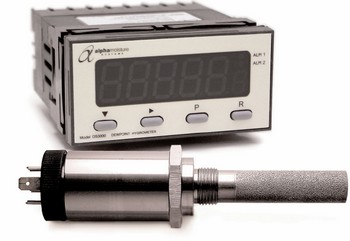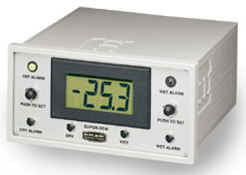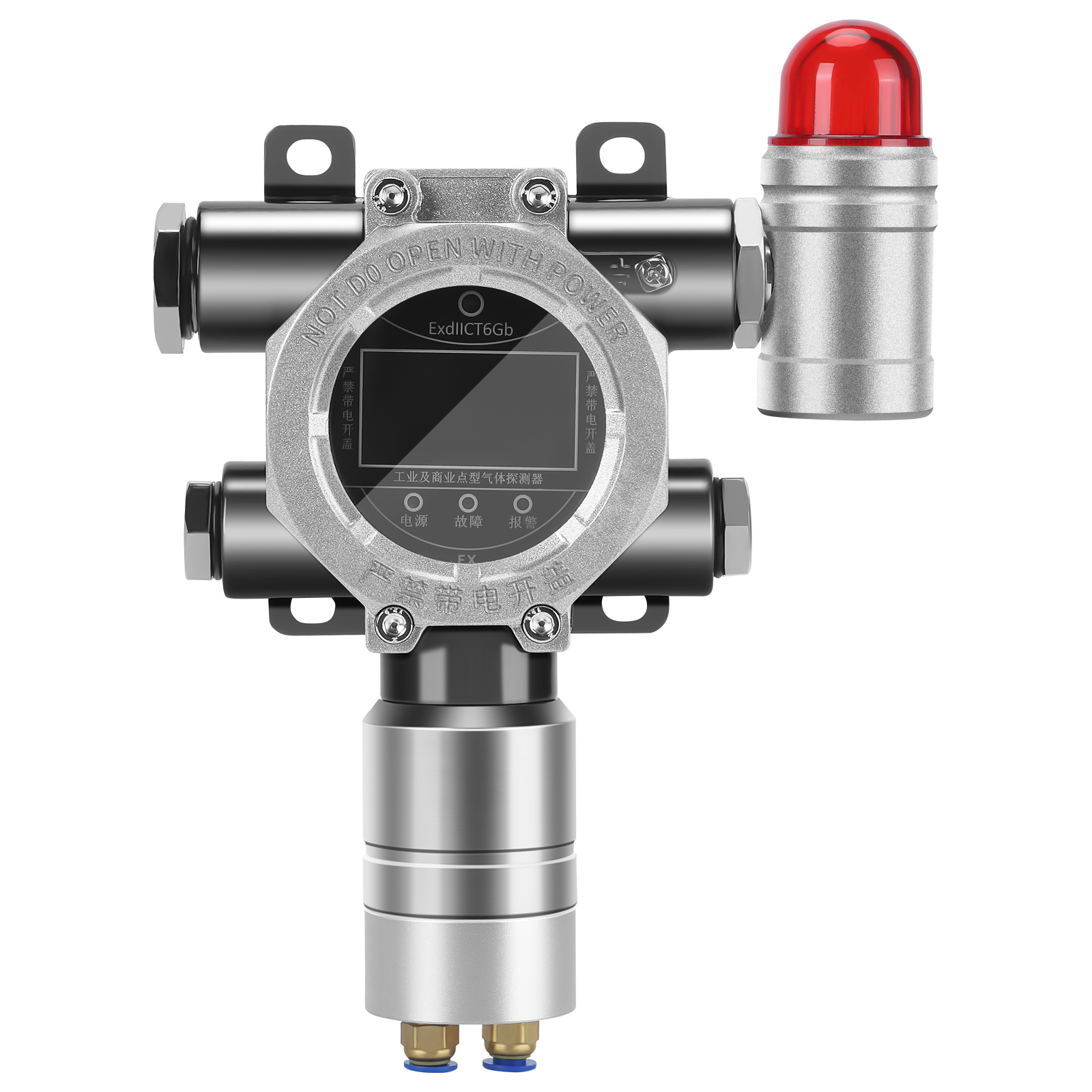
Refrigerant Gas Alarm - SKA/NE-301(R134a)
III. Installation Key Points (National Standards GB/T50493-2019, GB50072-2021)
- Most Freon (R134a/R410A/R22) is heavier than air: probe installed0.3-0.6m above the ground, the sensor faces downward and is installed below compressors, valves, flanges, and pipelines at low positions
Product Introduction
Freon Gas Alarm (Refrigerant Leak Alarm)
C
2. Sensor principle comparison
Table
| Sensors |
Advantages |
Disadvantages |
Applicable scenarios |
| NDIR infrared (recommended for industrial) |
Long lifespan, resistant to water vapor interference, good selectivity, unaffected by oxygen |
Higher price |
Cold storage, refrigeration rooms,R134a/R410A/R32 and most other refrigerants |
| Semiconductor |
Low price, fast response |
Susceptible to alcohol, oil contamination, large drift |
Simple leak detection, portable |
| Catalytic combustion |
Specifically for detecting flammable refrigerants (R32、R290) |
Requires oxygen, cannot detect inert refrigerants |
Flammable refrigerant conditions |
✅ Industrial refrigeration rooms prioritizeInfrared principle detector, good stability, convenient for annual inspection and calibration.
3. Installation points (national standard GB/T50493 2019、GB50072 2021)
- Most Freon (R134a/R410A/R22) heavier than air: probe installedAbove the ground 0.3 0.6m, sensor facing downward, arranged at low points under compressors, valves, flanges, pipes, with emphasis on trench locations. China Academy of Building...。
- R32 Lighter than air: probe installedUnder ceiling 0.3 0.6m High places, gas accumulates upward.
- Maximum protection radius per detector≤7.5m; avoid direct fan airflow, water vapor, oil fume, strong electromagnetic interference, reserve space for calibration and maintenance.
- Controller wall-mounting height 1.4 1.6m, placed in areas with personnel on duty.
- Alarm linkage: low alarm activates exhaust fan; high alarm activates exhaust + Shutdown, alarm signal transmitted to duty room.
4. Alarm threshold reference
Different refrigerant limits vary, based on the refrigerant used SDS and GBZ2.1-2019 as the standard
- R125:PC TWA=1000ppm, first-level alarm≤1000ppm, second-level≤2000ppm
- R134a No national occupational limit, common engineering: low alarm200 1000ppm, high alarm3000 5000ppm
- R32 Flammable: set according to flammable gas, low alarm25% LEL, high alarm50% LEL
5. Key selection parameters & qualifications
- Confirm the refrigerant model to be detected,R32 Must also consider flammable detection.
- Explosion-proof: select for hazardous areas in machine roomsEx d IIC T6 Gb; protection level≥IP65(cold storage humid condensation environment).
- Required certificates: explosion-proof certificate,CMC Measurement certificate; engineering acceptance projects also requireCPA Type approval certificate.
- Range: common 0 1000ppm、0 5000ppm, flammable refrigerants0 100% LEL。
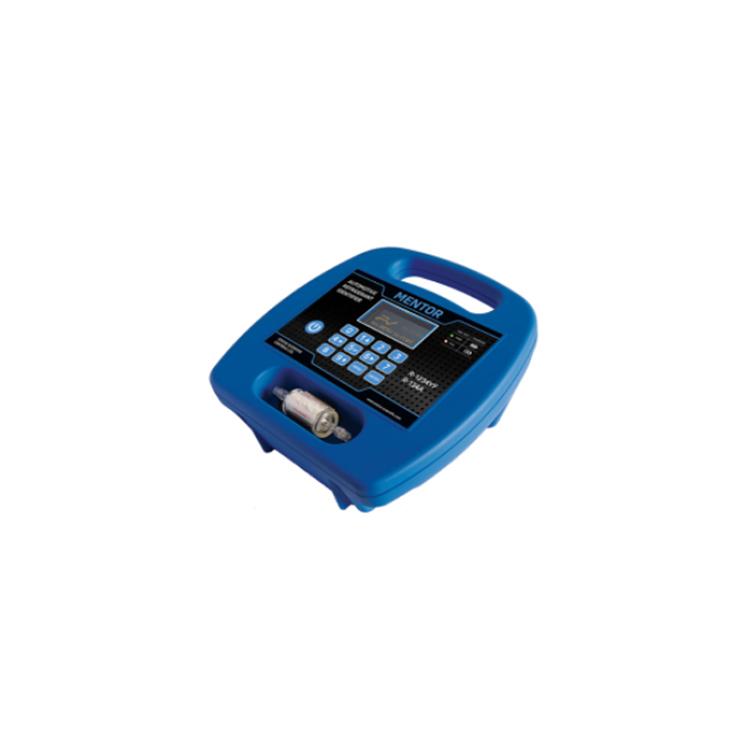
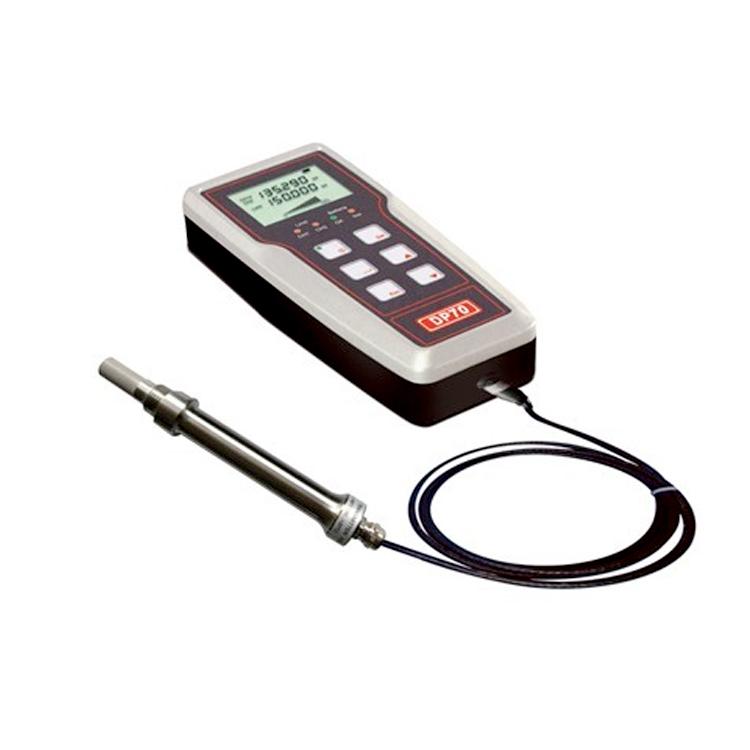
- Distinguish:Fixed (long-term online monitoring) / Portable (inspection leak detection)
Main Application Areas
- Refrigeration Rooms — Monitors refrigerant leaks in industrial refrigeration systems to prevent oxygen depletion and toxic exposure.
- Cold Storage Facilities — Ensures safety in cold storage environments by detecting leaks of R134a and other refrigerants, complying with GB50072-2021.
- HVAC Systems — Used in central air conditioning plants to detect refrigerant leaks, protecting equipment and personnel.
- Cold Chain Logistics — Provides continuous monitoring in cold chain warehouses and transport vehicles to prevent refrigerant loss and ensure product integrity.
Keywords:refrigerant gas alarm, R134a gas detector, R134a leak detector, refrigerant leak sensor, HVAC gas monitor, cold room gas alarm, R134a safety device, industrial gas detector