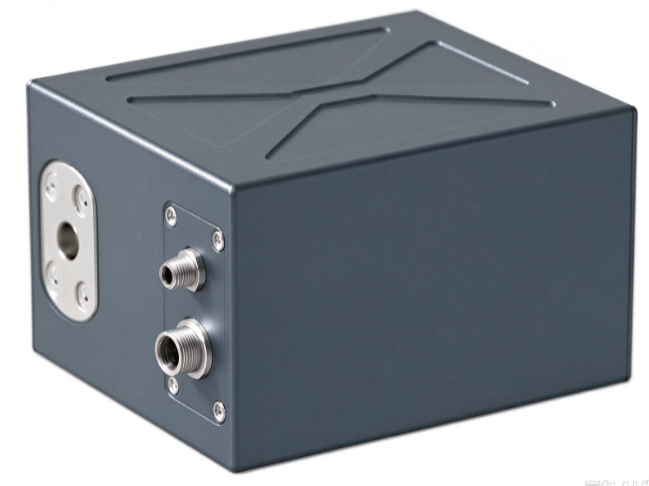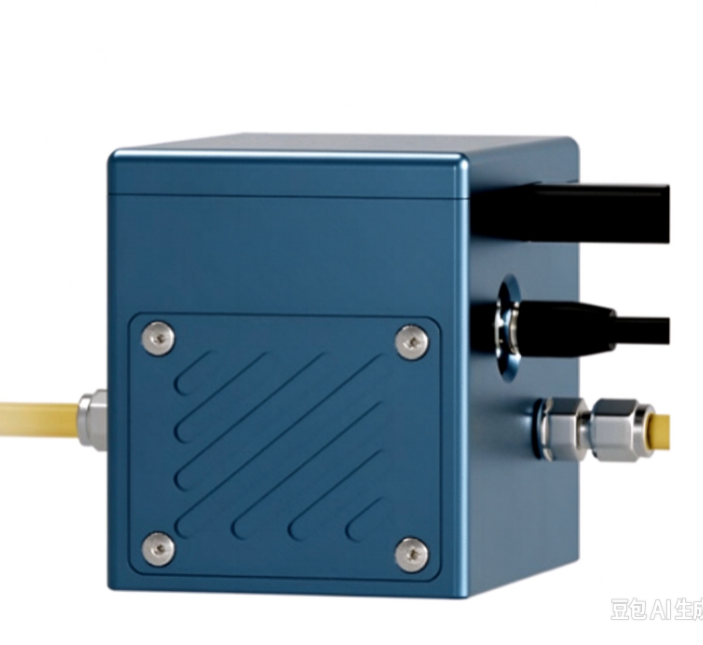
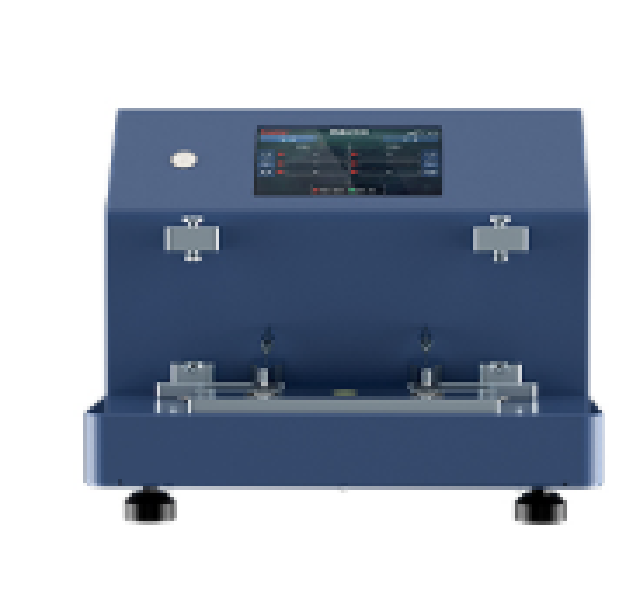
Ferrography Analysis System - SKA ITF Series
Specifications and Parameters
| Ferrography Analysis System | |
|---|---|
| Magnetic field | Maximum field strength at the center of the air gap ≥1.5T |
| Maximum magnetic field gradient | ≥5.0T/cm |
| Ferrogram substrate tilt angle | 2°, 3°, 4°, or other adjustable settings |
| Wear particle analysis measurement range | 1μm-1000μm |
| Microscope analysis system | |
|---|---|
| Optical microscopy system | Adopts CCIS infinity-corrected optical system, with harmonic component system, lens barrel, objective lens, and optical interface achromatic correction, equipped with a micrometer scale |
| Reflected and transmitted light | Built-in transmitted light Koehler illumination, light intensity preset button, light intensity LED indicator, built-in LBD-IF (daylight balance filter), ND6 (neutral density filter), ND5 (neutral density filter), and red filter, etc. |
Product Introduction
SKA ITF Series
Ferrography Analysis System
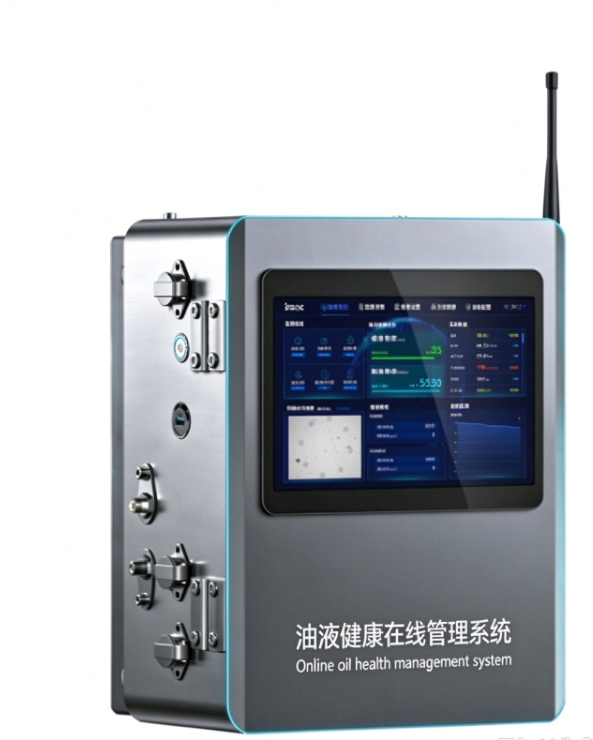
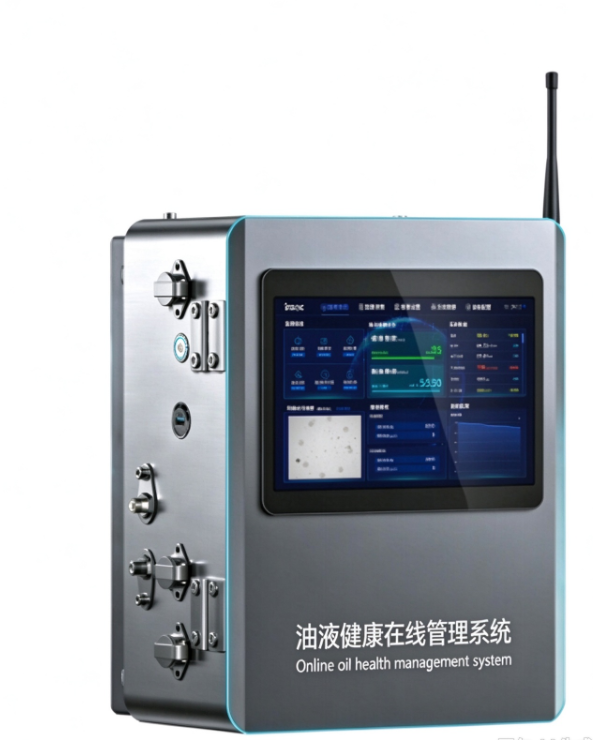
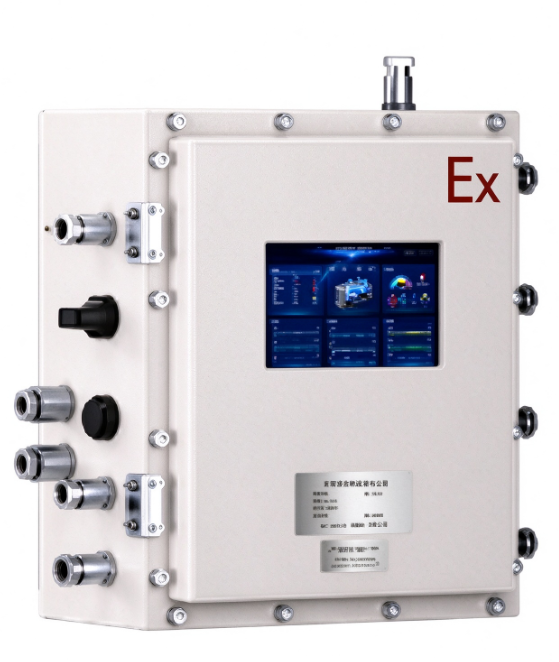
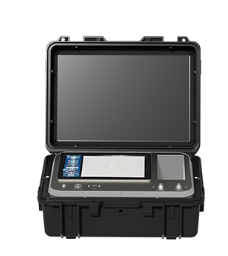
The system is suitable for wear monitoring and lubricating oil quality evaluation of lubricating oil in aircraft, heavy equipment, experimental institutions, and industrial sites. It can also be used for research on friction states and wear mechanisms. Therefore, it is an important instrument for machine condition monitoring, equipment fault localization, and microparticle friction research. The system consists of a ferrograph main unit, microscope, slide heater, drying oven, and image data processing system. It observes and analyzes the morphology, size, texture, composition type, and quantity of oil wear particles, and is a reliable instrument for qualitative analysis of wear particles.
Oil Life Assessment • Wear Condition Analysis • Size, texture, and composition analysis
Main Application Areas
- Aviation — Monitoring wear in aircraft engines and hydraulic systems to ensure flight safety and reduce maintenance costs.
- Heavy Equipment — Condition monitoring of heavy machinery such as mining and construction equipment to prevent unexpected failures.
- Industrial Sites — On-site lubricant analysis in factories and power plants for predictive maintenance and extended equipment life.
- Laboratories — Research on friction and wear mechanisms, particle tribology, and lubricant performance evaluation.
- Equipment Fault Diagnosis — Locating fault sources by analyzing wear particle characteristics, enabling timely repairs and reducing downtime.
Keywords:ferrography analysis system, oil wear monitoring, wear particle analyzer, oil condition monitoring, ferrography instrument, lubricant analysis, wear debris analysis, predictive maintenance