
Product introduction
1.Combustible gas sensorsTGS6810 description:
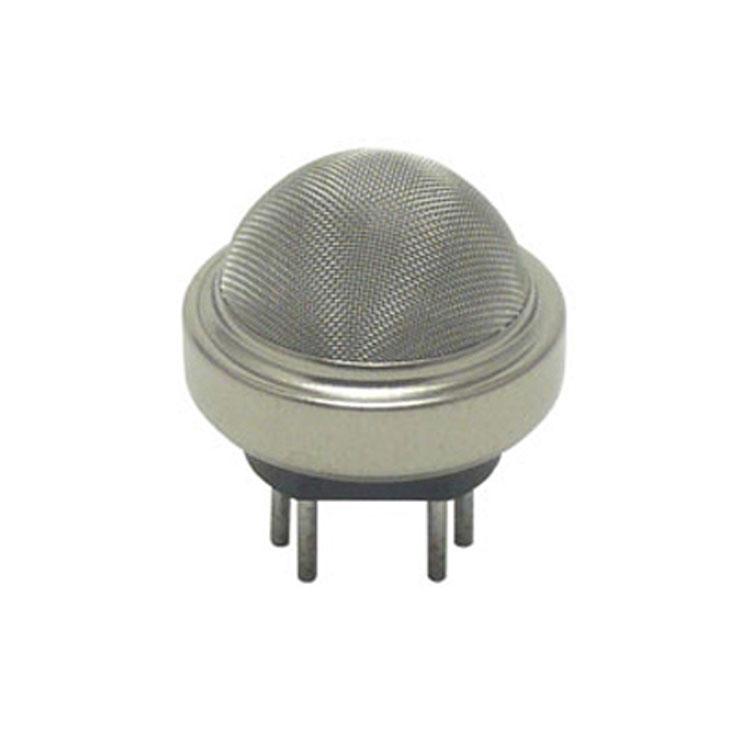
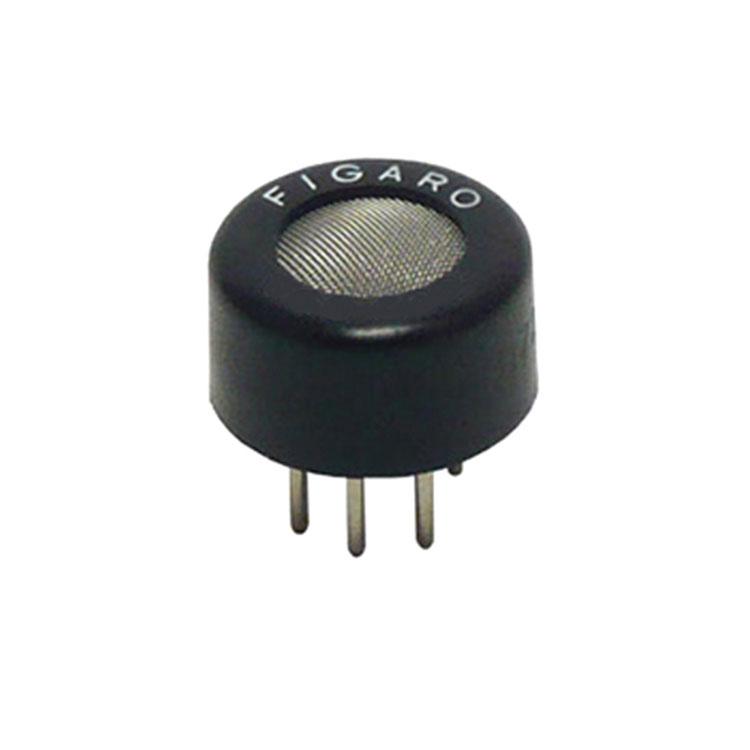
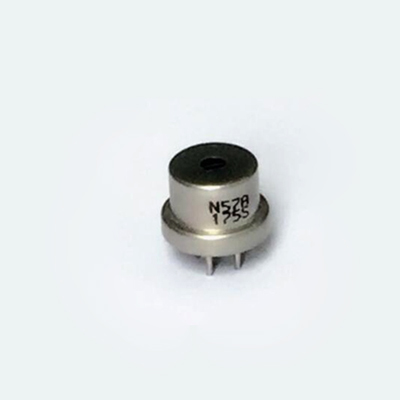
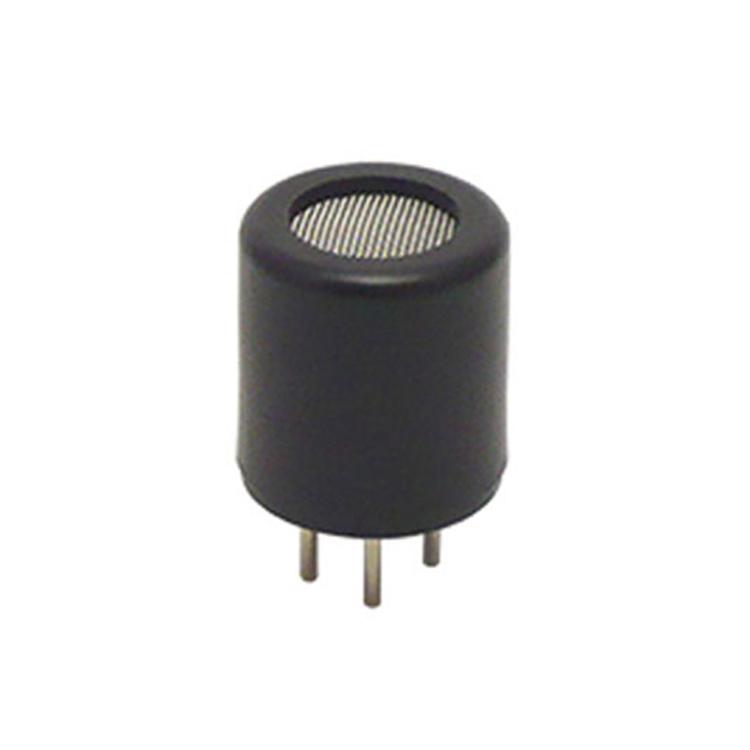
TGS6810-D00 is acatalytic combustion type gas sensorthat can detect both methane and LP gases, mainly developed for civilian gas detectors. Combining Figaro's rich experience in catalytic material technology and micro-fabrication technology, Figaro has produced this compact catalytic combustion type sensor, characterized by excellent durability, stability, fast response, linear output, and is an ideal gas sensor for detecting various combustible gases.
The cap of TGS6810-D00 contains an adsorbent, making its cross-sensitivity to alcohol much lower. In addition, this sensor has better tolerance to silicon compounds. Under normal indoor conditions, the sensor's service life is expected to reach 10 years (based on stable actual data of over 8 years).
2. Features of catalytic combustion type combustible gas sensor TGS6810:
* Linear output
* Long service life
* Low sensitivity to alcohol
* High sensitivity to both methane and LP gases
3. Applications of catalytic combustion type combustible gas sensor TGS6810:
* Civilian LNG and LPG alarms
* LPG and LNG detectors
4. Sensitivity characteristics of catalytic combustion type combustible gas sensor TGS6810:
The figure below shows representative sensitivity characteristic curves measured under standard test conditions (see back).
The vertical axis represents the sensor's output sensitivity -ΔVout (mV):
ΔVout = Vout (in gas) - Vout (in air)

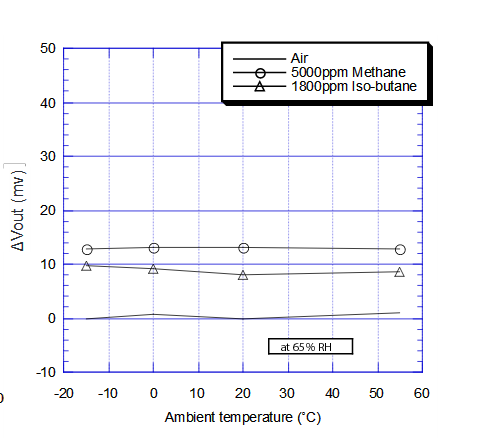
5. Catalytic combustion typecombustible gas sensor TGS6810temperature characteristics
The figure below shows representative temperature characteristic curves measured at 65%RH.
The vertical axis represents the sensor's output sensitivity -ΔVout (mV):
ΔVout = Vout (in gas) - Vout (in air at 20°C)