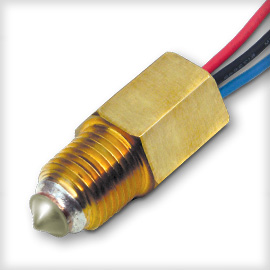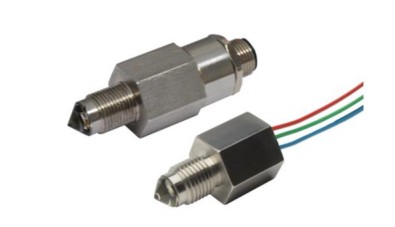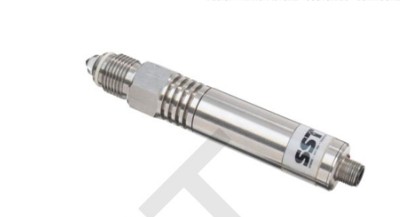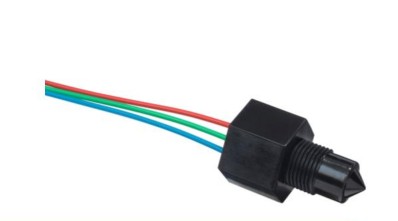
Hydrostatic Level Sensor River Level Monitoring - AMT/LD-YWJ
Measuring range: 0~5m (optional 0~10m)
• Accuracy: ±0.25%FS
• Resolution: 1mm
• Probe material: 316L stainless steel, optional PTFE anti-corrosion diaphragm
• Signal output: 4~20mA (2-wire); optional RS485 Modbus
• Power supply: DC24V
• Medium temperature: 0~80℃
• Working pressure: normal pressure
• Display: Optional matching secondary display instrument
• Warranty: 1 year
Product Introduction
Hydrostatic Level Sensor River Level Monitoring - Product Overview
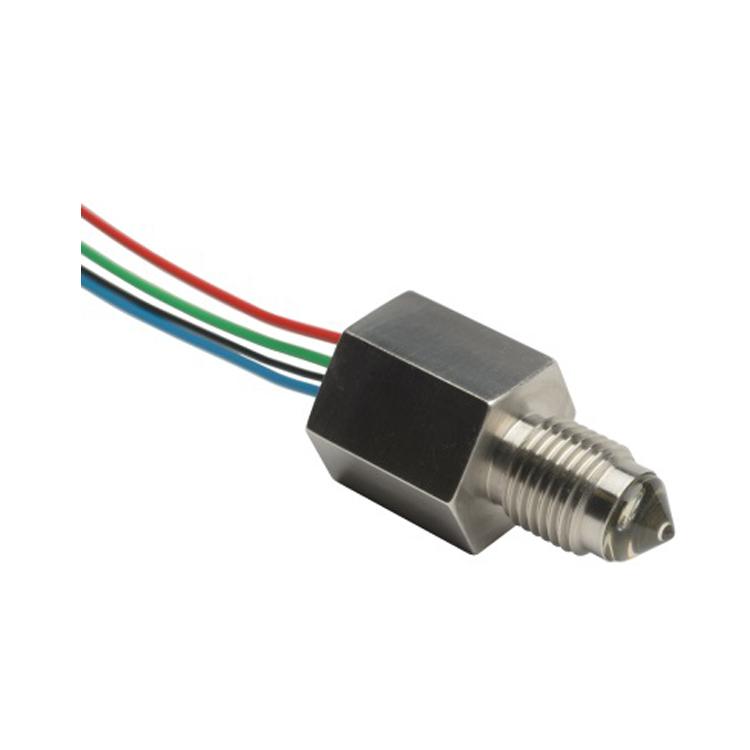
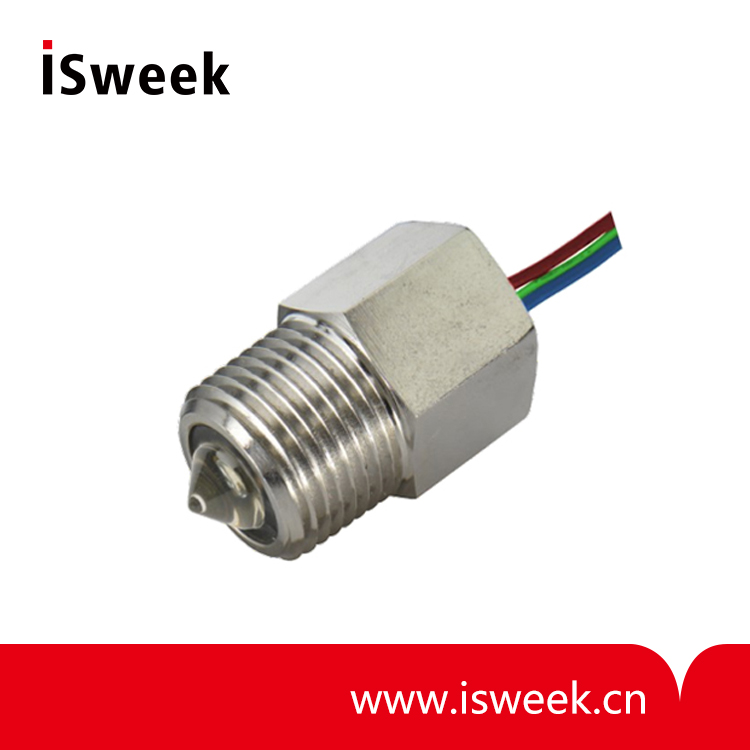
The hydrostatic level sensor is a contact-type liquid level detection device based on the principle of hydrostatic pressure. Search keywords: hydrostatic level sensor, river level monitoring, level sensor. This sensor can measure the liquid level height in rivers, reservoirs, and open channels, and is suitable for hydrological monitoring and flood warning. In river level monitoring, hydrostatic level sensors can operate stably for a long time, reflect water level changes in real time, and help management departments grasp water conditions.
Hydrostatic Level Sensor River Level Monitoring - Working Principle
The hydrostatic level sensor uses the principle that hydrostatic pressure is proportional to liquid level height, detects water pressure through a pressure-sensitive element, and then converts it into liquid level height. In river level monitoring, hydrostatic level sensors use submersible or side-mounted installation, with a protection rating of up to IP68, suitable for long-term immersion. The sensor supports 4-20mA, RS485, and Modbus outputs, can be connected to data acquisition instruments and remote monitoring platforms, and has temperature compensation and lightning protection functions.
Hydrostatic Level Sensor River Level Monitoring - Application Scenarios
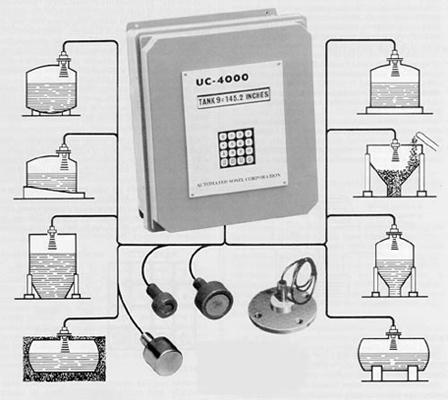
Hydrostatic level sensors are widely used in rivers, reservoirs, lakes, open channels, and urban drainage networks. In river level monitoring, hydrostatic level sensors can be installed on the riverbed or riverbank to measure water levels in real time. The sensor can be linked with data acquisition terminals and cloud platforms to achieve automatic water level recording and alarms. For remote areas, hydrostatic level sensors can also use battery power and wireless transmission.
Hydrostatic Level Sensor River Level Monitoring - Technical Advantages
Hydrostatic level sensors have advantages such as high precision, good stability, and easy installation. In river level monitoring, hydrostatic level sensors use a fully sealed structure and corrosion-resistant materials, making them suitable for long-term immersion in water. The sensor supports remote calibration and fault self-diagnosis, making maintenance convenient. When selecting a hydrostatic level sensor, attention should be paid to the measuring range, accuracy, pressure resistance, cable material, and output signal to ensure it meets the needs of river level monitoring.
Main Application Areas
- River Level Monitoring — Provides continuous, stable water level data for rivers, supporting hydrological monitoring and flood early warning systems.
- Reservoir Water Level Management — Enables real-time monitoring of reservoir water levels to assist in water resource management and dam safety.
- Open Channel Flow Measurement — Used in open channels to measure water depth, which can be combined with flow calculations for irrigation and drainage.
- Groundwater Level Observation — Suitable for monitoring groundwater levels in wells and boreholes for hydrogeological studies.
- Flood Warning Systems — Integrates into flood warning networks to provide timely water level data for emergency response.
Keywords:hydrostatic level sensor, river level monitoring, water level sensor, submersible level transmitter, 4-20mA level sensor, RS485 level sensor, hydrostatic pressure transmitter, water level monitoring