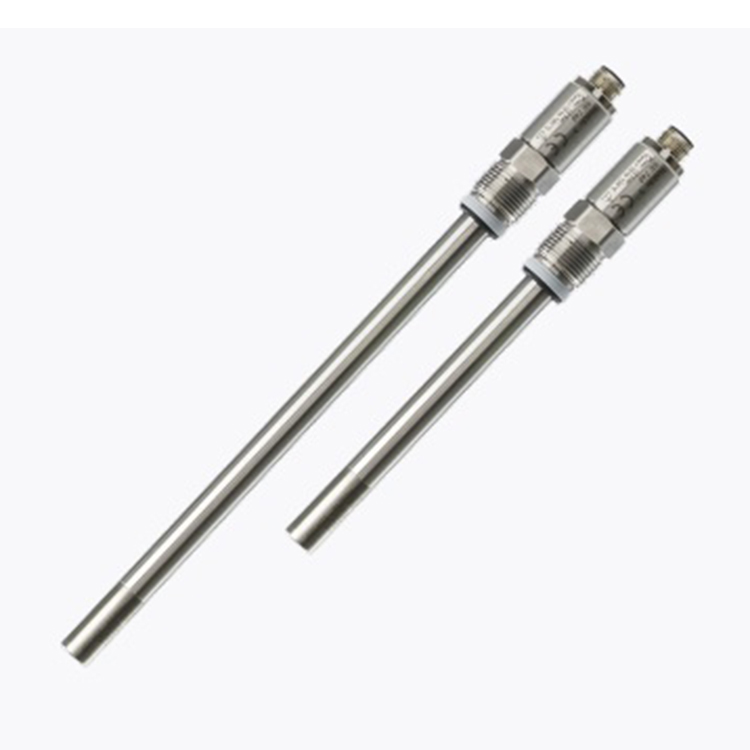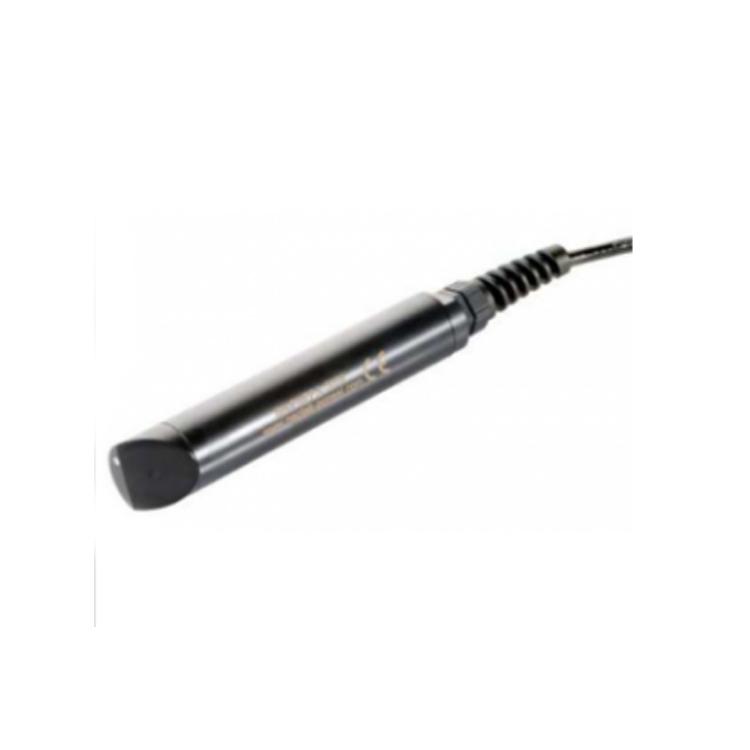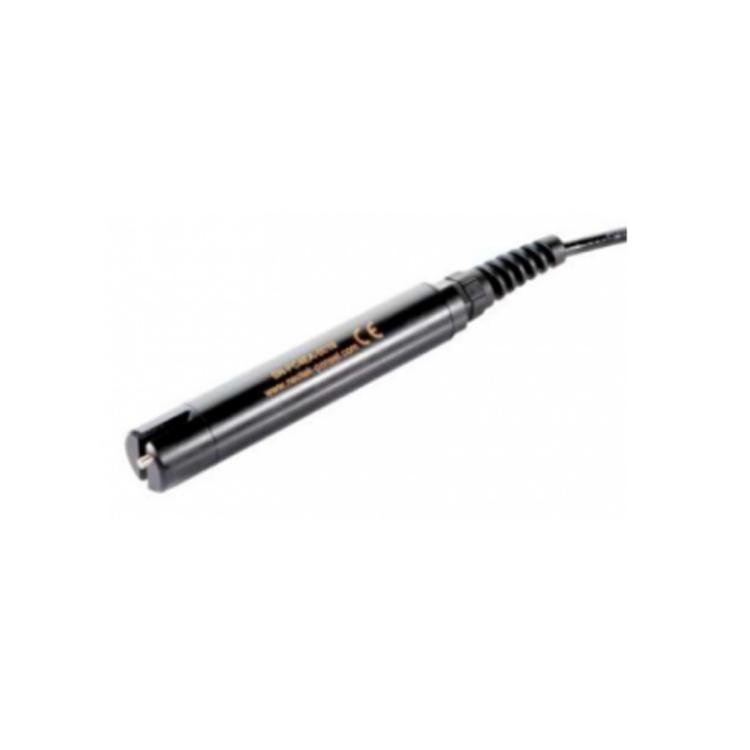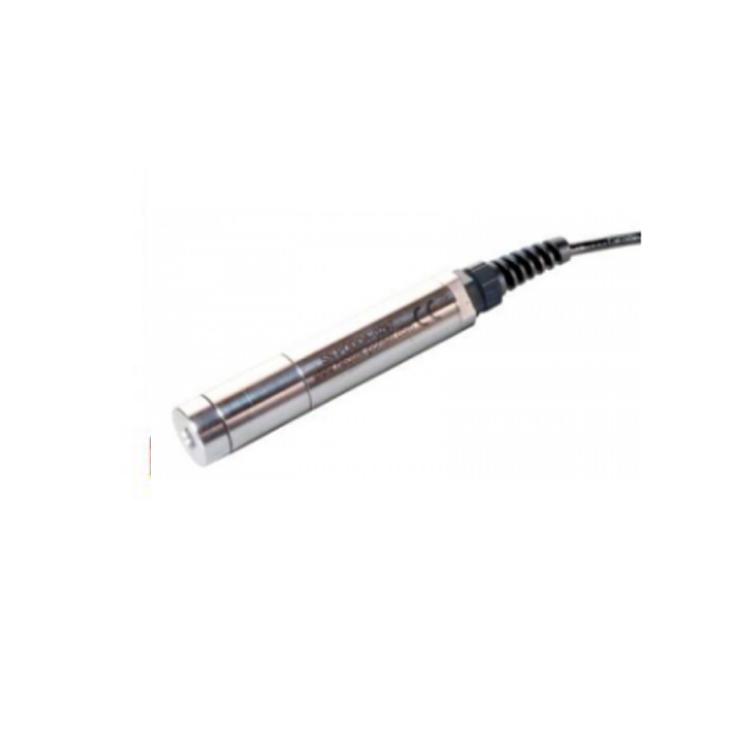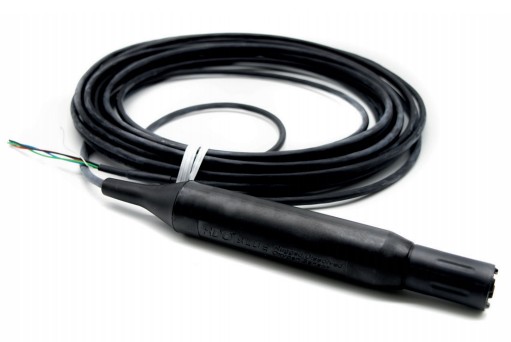

184. USA IN - RDO BLUE
185. Can work for a long time without drift.
186. Better performance under low oxygen conditions.
187. Fast response speed and maintains stable response speed.
191. Product introduction
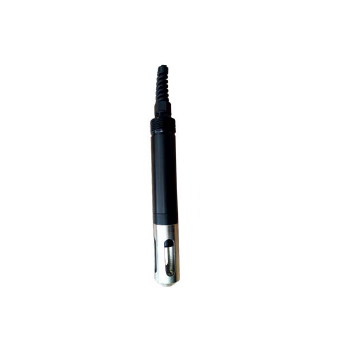
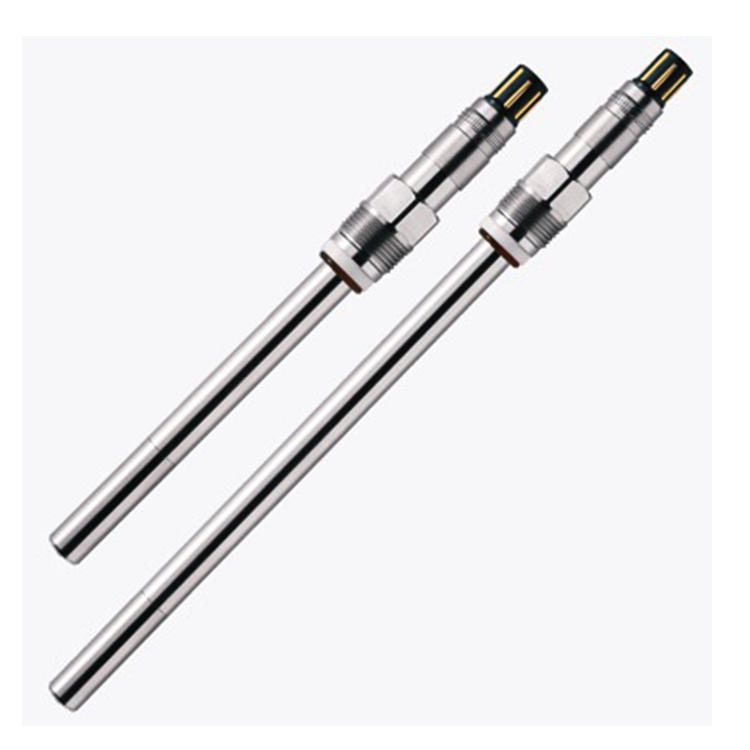
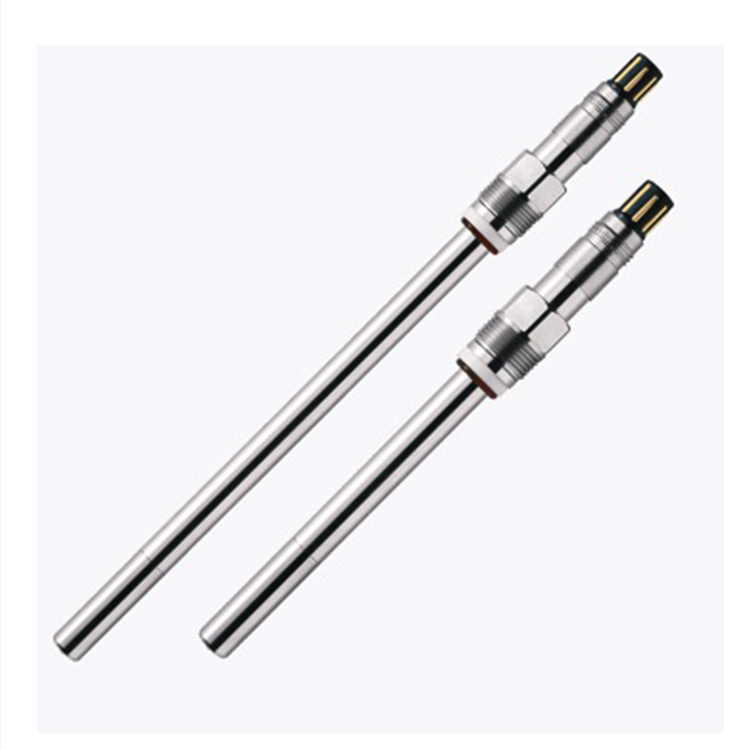
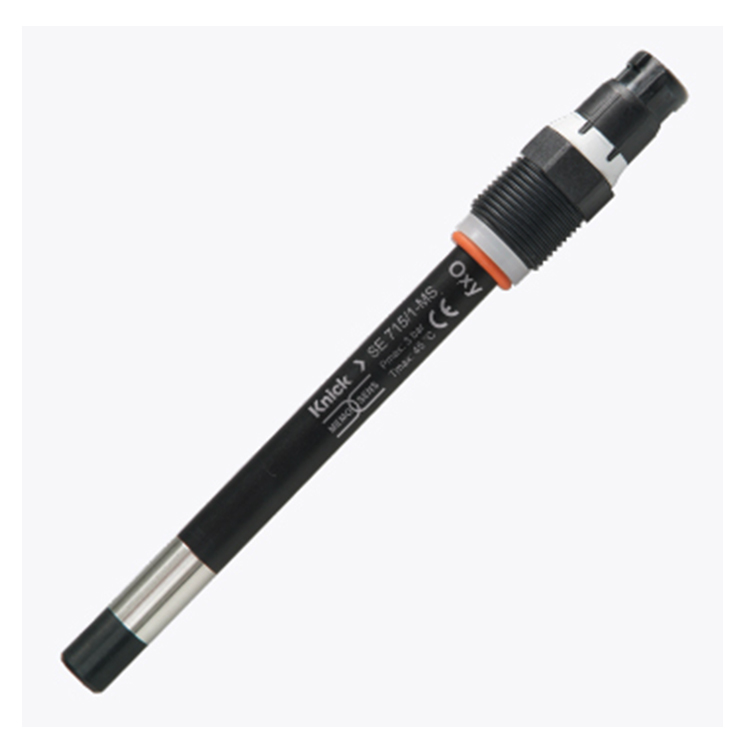
192. USA In-situ RDO optical dissolved oxygen sensor193. RDO BLUE description:
194. USA In-situ RDO optical dissolved oxygen sensor is applied to vertical profiles and dynamic changes, field inspection and environmental monitoring, long-term use, environmental and estuarine monitoring, and low-flow groundwater sampling.
195. Due to the use of new technology for measuring dissolved oxygen, the next-generation In-Situ RDO optical dissolved oxygen sensor provides the following advantages for long-term and environmental water quality monitoring:
196. Durable design197. : This wipe-free sensor is particularly suitable for harsh environments. The wear-resistant metal foil can withstand clogging, severe sedimentation, and rapid currents.
198. Automatic setup199. : The RDO sensor cap is pre-loaded with calibration coefficients, simplifying setup and eliminating procedural errors.
200. Fast response201. : Ideal for measurements in vertical profiles and dynamic changes.
202. Excellent precision and accuracy203. : Can work for a long time without drift, better performance under low oxygen conditions, fast response speed, and maintains stable response speed.
204. Low-cost data collection and maintenance:
205. Eliminates maintenance time - no need for sample flow or stirring, and no changes in membrane or electrolyte, performance degradation, or clogging.
206. Reduces site visits - if the sensor is not severely clogged and the metal foil is not mechanically damaged or detached, calibration can last for several months.
207. Lower routine maintenance costs - caps can be replaced on-site, simplifying maintenance.
208. Robust performance:
209. Minimal hydration - no conditioning required before use, whether the sensor is dry or not.
210. Eliminates sulfide 'poisoning', with no cross-sensitivity to carbon dioxide, ammonia, pH, or samples like sulfides, sulfates, hydrides, and bisulfide ions.
211. Can withstand 'thermal shock' and photobleaching from ambient light.
212. USA In-situ RDO optical dissolved oxygen sensorRDO BLUE 213. Applications:
214. Vertical profiles and dynamic changes
215. Field inspection and environmental monitoring
216. Long-term use
217. Environmental and estuarine monitoring
218. Low-flow groundwater sampling
212. USA In-situ RDO optical dissolved oxygen sensorRDO BLUE 219. Parameters:
220. RDO PRO sensor technology:
221. The old second-generation RDO sensor uses the 'dynamic luminescence quenching' principle to measure dissolved oxygen (DO). The RDO sensor uses optical technology with a lifetime, providing a very stable, accurate, and low-maintenance DO sensor.
222. The In-situ RDO sensor measures the phase (delay) of the reflected signal compared to the emitted signal, based on the fluorescence 'lifetime' rather than 'intensity'. The presence of oxygen in the tablet quenches the fluorescence, causing a phase shift in the reflected signal, which is detected by a photodiode. The phase difference between the blue emitted light and the red reflected light is used to quantify DO.
223. RDO sensor technical parameters:
| 224. Precision and accuracy |
± 01 mg/L,0-8mg/L; ± 02mg/L,8 -20 mg/L |
| 225. Operating range |
226. 0-20 mg/L or 0-450% saturation |
| 227. Temperature range (operating) |
0-50 ℃(32-122℉) |
| 228. Pressure rating |
229. 300 psia (210 m; 692 ft) |
| 230. Salinity range |
~42 ppt |
| 231. pH range |
2-10PH |
| 232. Typical lower detection limit |
>25 mg/L |
| 233. Response time |
234. T90 = 30 seconds; T95 = 37 seconds |
| 235. Method |
236. ASTM D888-05, Test Method C |
| 237. Known interferences |
238. Alcohol > 5%; hydrogen peroxide > 3%; sodium hypochlorite (commercial bleach) > 3%; gaseous sulfur dioxide; gaseous chlorine 239. Use in organic solvents such as acetone, chloroform, or dichloromethane may cause swelling of the metal foil's structural elements, damaging the sensor |
| 240. Materials |
Delrin |
| 241. Sensor foil technology |
242. Oxygen-sensitive tablet immersed in a gas-permeable structure |
| 243. Typical sensor foil life |
244. 1 year or one million measurements |
| 245. Cap life |
246. 1 year from first reading on TROLL 95m head. For working use, it is the installation date printed on the packaging |
| 247. Dimensions, RDO direct connect |
248. 25.4 mm (1 in) O.D., 20.3 cm (8.0 in) long |
| 249. Dimensions, RDO cable connect |
250. 88.4 mm (3.5 in) O.D., 20.3 cm (8.0 in) long |
| 251. Storage conditions: sensor |
-5-60 ℃(23-140℉) |
| 252. Storage conditions: cap: before installation |
1-60 ℃(33-144℉) |