
Product introduction
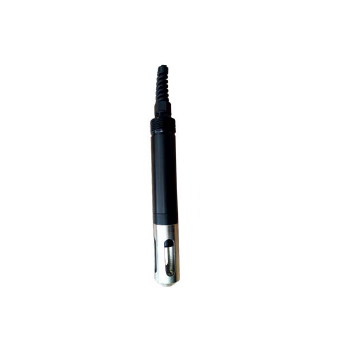
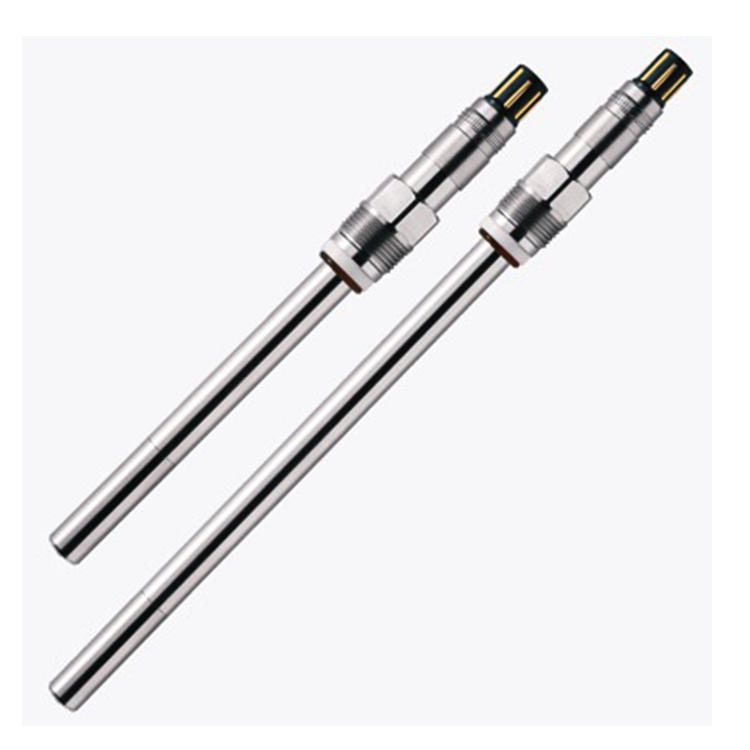
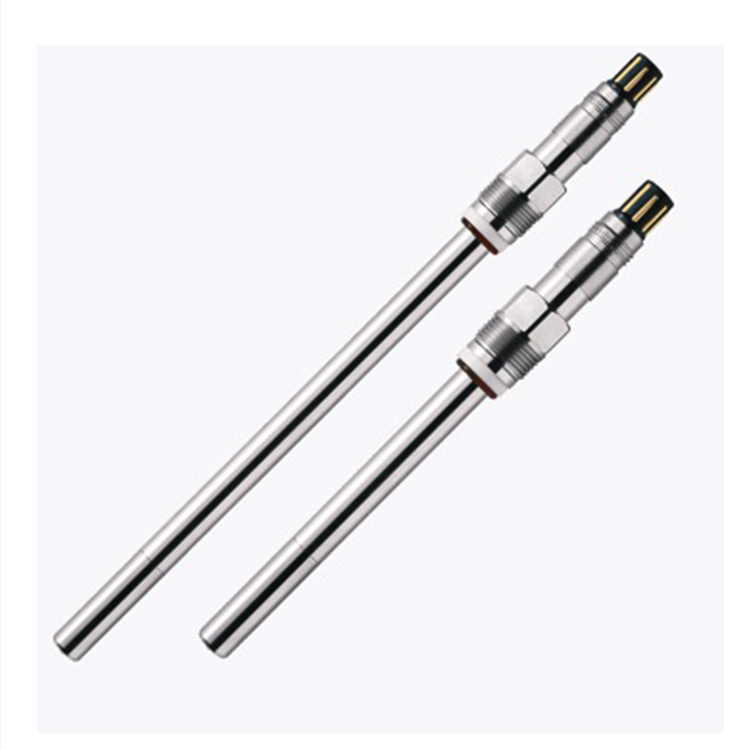
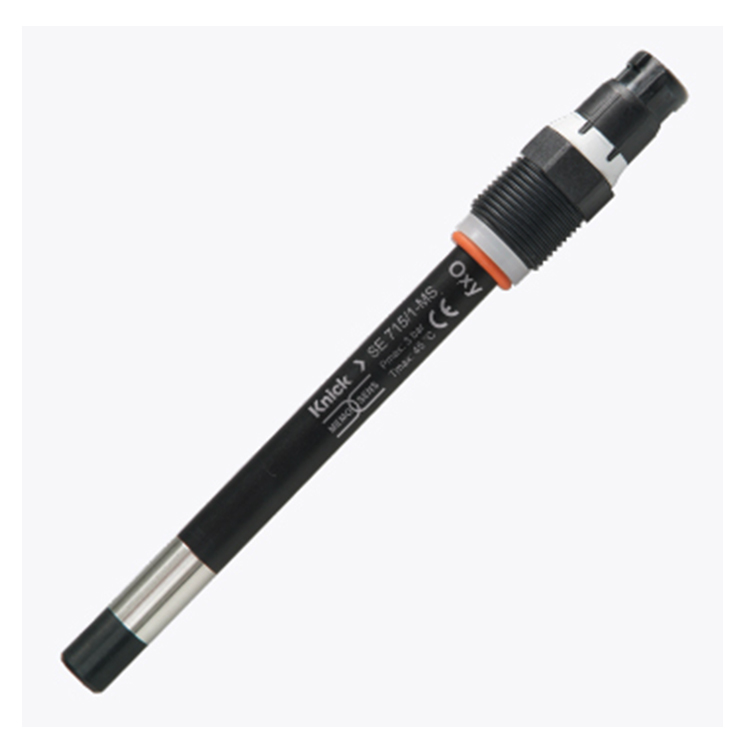
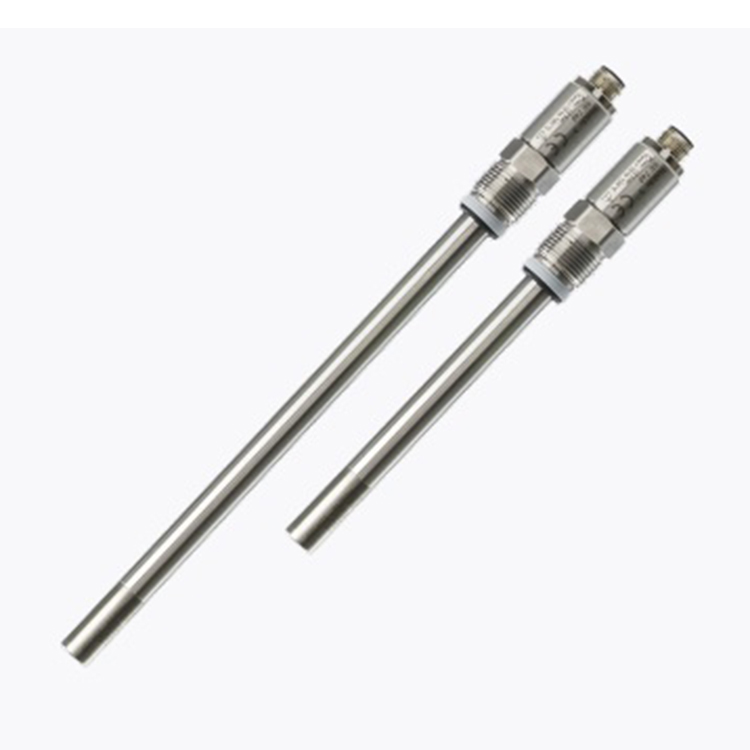
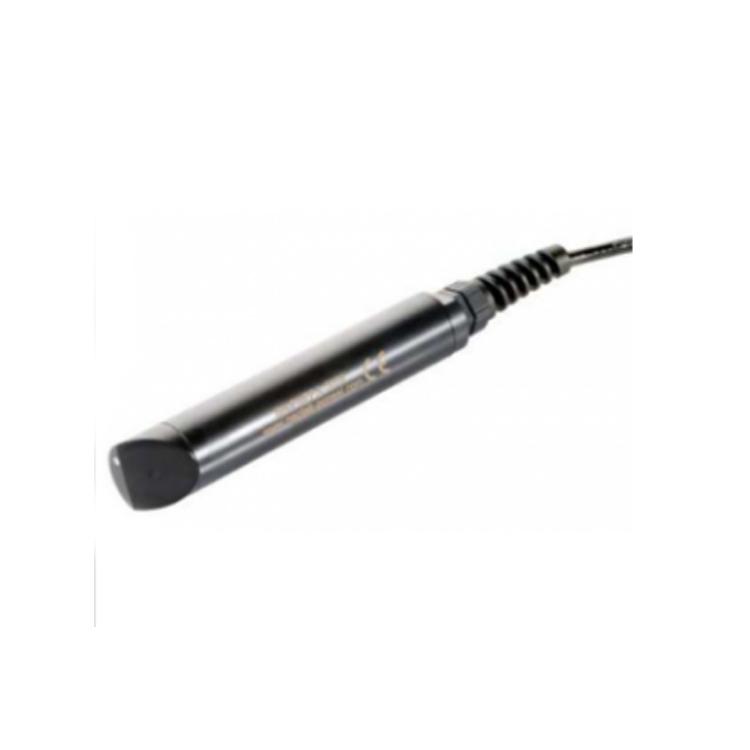
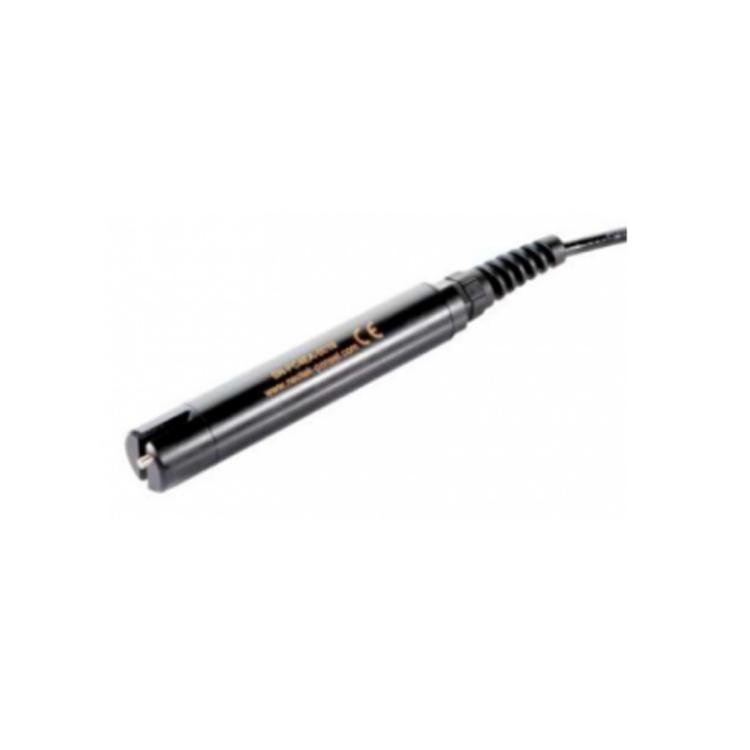
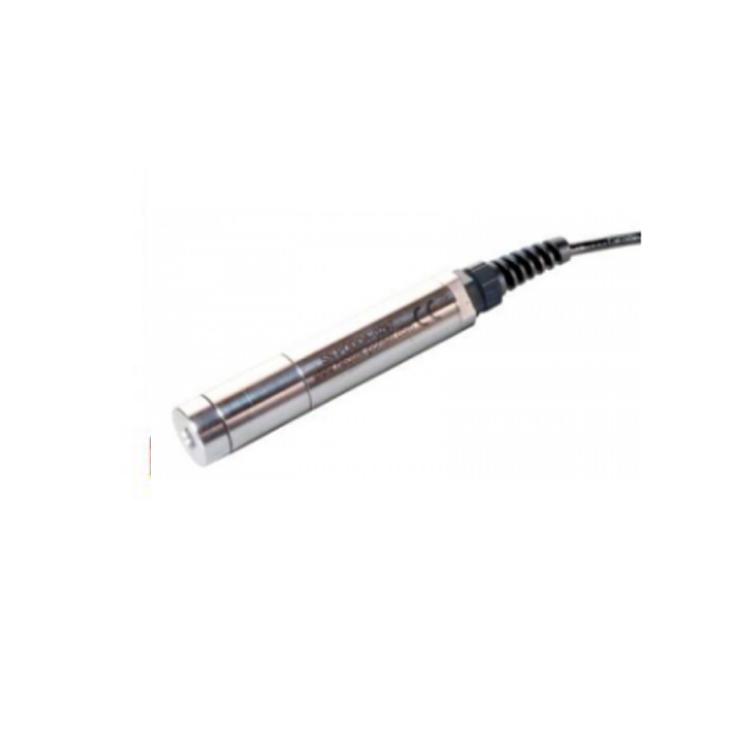
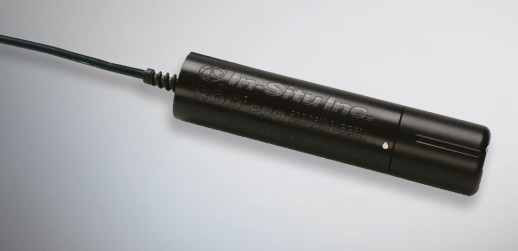
US IN-situ RDO PRO optical dissolved oxygen sensor - industrial version RDO PRO-X description:
The In-Situ RDO PRO sensor uses the latest technology to measure oxygen content in harsh environments. The RDO PRO optical DO sensor offers several advantages for DO monitoring in process applications:
Durable:
The inert construction makes it corrosion-resistant in high-salt environments.
Not susceptible to common interferences such as hydrogen sulfide, chlorides, chlorine, ammonia, and many others.
Simple:
Only requires DC 8-36 V power supply - no need for expensive external transmitters and controllers.
Sensor configuration is easy - calibration coefficients are loaded in the sensor cap.
Value for money:
Includes complete unit with standard 10m cable.
Includes integrated 4-20 mA, Modbus RS485, and SDI-12 signal outputs.
No need for separate expensive transmitters/controllers.
Accuracy:
DO accuracy is 1 mg/L from 0-8 mg/L, and 0.2 mg/L from 8-20 mg/L.
Fast response to changes in oxygen content and temperature.
Consistent, repeatable results (< 0.05 mg/L repeatability).
US IN-situ RDO PRO optical dissolved oxygen sensor - industrial version RDO PRO-XApplications:
Aquaculture facilities
Municipal water and wastewater treatment
Industrial water and wastewater treatment
Food/beverage process control
Dam discharge monitoring
US IN-situ RDO PRO optical dissolved oxygen sensor - industrial version RDO PRO-XParameters:
The older second-generation RDO sensor uses the 'dynamic luminescence quenching' principle to measure dissolved oxygen. The RDO sensor uses optical technology with a lifespan, providing a very stable, accurate, low-maintenance DO sensor.
The IN-situ RDO sensor measures the phase (delay) of the reflected signal compared to the emitted signal, based on fluorescence 'lifetime' rather than 'intensity'. The presence of oxygen in the dosimeter quenches the fluorescence, shifting the phase of the reflected signal, which is detected by a photodiode. The phase difference between the blue emitted light and red reflected light is used to quantify DO.
RDO PRO sensor technical specifications:
| Sensor type |
Optical dissolved oxygen sensor |
| Transmission/local display |
Optional, not required |
| Range |
0-20 mg/L concentration 0-200% saturation |
| Accuracy (DO) |
± 0.1 mg/L,0-8mg/L ± 0.2 mg/L,8-20 mg/L |
| Response time, cap |
At 25°C, T90: 30 seconds. T95: 37 seconds |
| Resolution |
0.01 mg/L |
| Cap lifespan |
1 year from instrument head reading |
| Cap holder lifespan |
24 months from production date (Install within 12 months of production) |
| Operating temperature |
0-50℃(32-122℉) |
| IP rating |
IP-67 without cap; IP-68 with cap |
| Compliance |
Harsh industrial environment, IEC61000-6-2; 2005 |
| Storage conditions: cap |
1-60°C (33-144°F), in manufacturer's container |
| Storage conditions: sensor |
5-60℃(23-140℉) |
| Salinity range |
0-24 PSU, fixed or real-time |
| pH range |
2-10 PH |
| Atmospheric pressure range |
507-1115 mbar, fixed or real-time |
| Standard mounting thread |
1¼-11½ NPT |
| Communication methods |
Modbus (RS485),4-20 mA,SDI-12 |
| Maximum power consumption |
50 mA at DC 12 V |
| Maximum cable length |
4000 ft (Modbus and 4-20 mA) or 200 ft (SDI-12) |
Features provided by RDO PRO:
Flexible power requirements - uses DC 8-36 V input
Flexible, integrated open-architecture communication protocols - includes industry-standard Modbus using RS485 interface, SDI-12, protocol version 3, or 4-20 mA three-wire current loop.
Compliance certifications - CE, FCC Class B harsh industrial immunity and emission certifications
A complete package solution - the entire sensor, product label, and packaging (including NRE costs) can be provided as an OEM product.