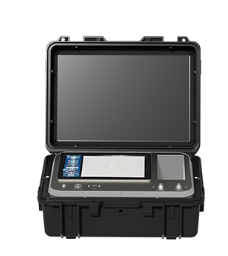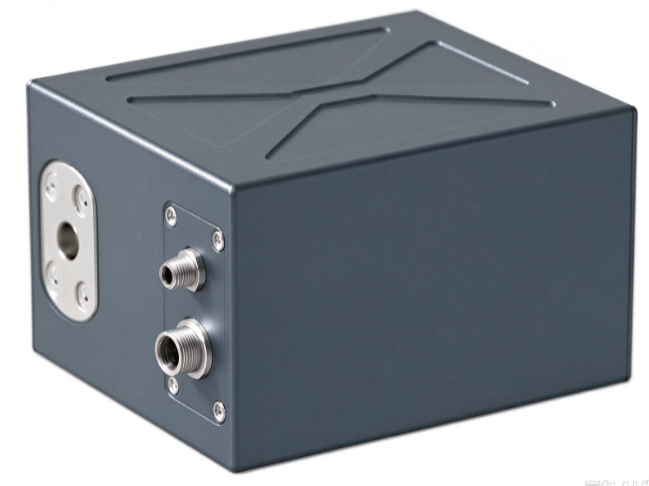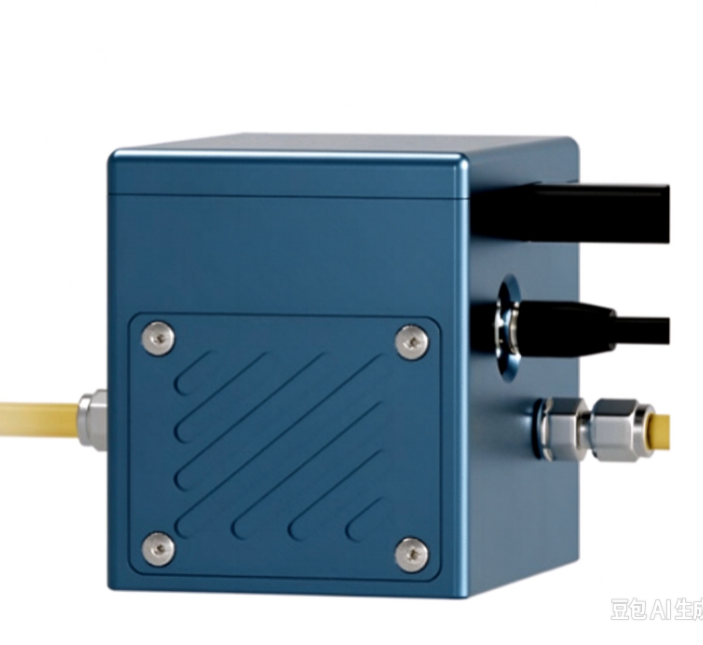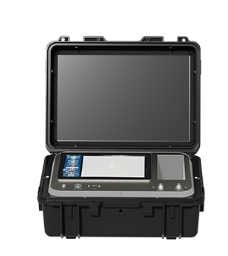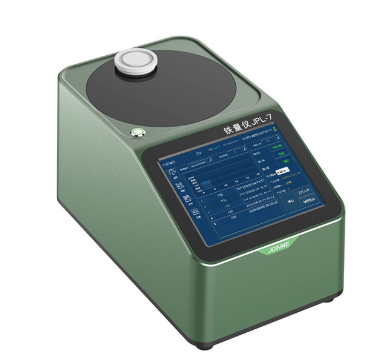
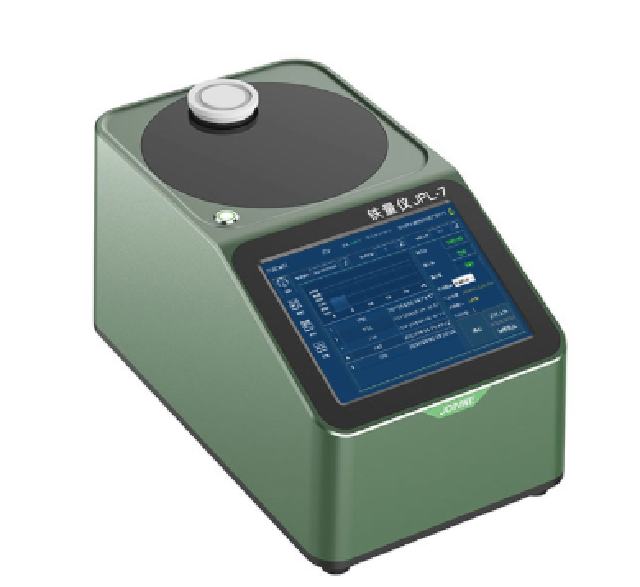
Portable ferromagnetic wear debris measuring instrument - SKA JPL-7
| Function | Parameter |
|---|---|
| Scope of Application | Lubricating oil and grease |
| Output Results | Total ferromagnetic particle content, ferromagnetic particle concentration |
| Detection Method | ASTM D8120、NB/SH/T 6023-2020 |
| Detection range | 0-15000PQ |
| Detection size | >1 μm (ferromagnetic wear particles) |
| 分辨率 | 1PQ (average value resolution 0.1PQ) |
Product Introduction
圣凯安Portable Ferromagnetic Wear Debris Measuring InstrumentSKA JPL-7, adopts the electromagnetic induction principle and uses the magnetic field change of the sensor coil caused by ferromagnetic wear debris in the oil sample to measure the wear debris content. It has a good linear relationship with the iron debris content and particle size of the oil sample. It has high sensitivity, accuracy and repeatability, requires no sample pretreatment and no organic solvents, and can measure the PQ index of ferromagnetic metal wear particles in various oil samples within a few seconds. The PQ index is a dimensionless quantitative number. It is widely used in national defense, aerospace, marine, electric power, petrochemical, metallurgy, mining, highway transportation and other fields.
The PQ iron content meter is an analytical instrument specially used to detect ferromagnetic wear particles in lubricating oil and grease. According to statistics, about 60% to 80% of mechanical equipment failures are caused by wear failure. As the "blood" of mechanical systems, lubricating oil, while lubricating, cooling, cleaning and preventing corrosion, also carries wear information from the surfaces of friction pairs. By detecting the concentration of ferromagnetic wear particles in in-service lubricating oil (i.e., PQ index analysis), it is possible not only to evaluate the contamination level of the oil itself, but also to directly quantify the wear state of the equipment. Daily monitoring of this indicator helps to identify abnormal wear early and effectively avoid unplanned downtime.
At present, iron content detection mainly includes atomic absorption spectrometry and atomic emission spectrometry. Although atomic absorption spectrometry gives accurate results, it is complex to operate and slow in detection, making it difficult to meet the needs of rapid analysis. Although atomic emission spectrometry (including rotating disk electrode method and inductively coupled plasma method) is widely used, its sample introduction system is insufficiently sensitive to large wear particles >10 μm, which easily leads to missed detection. However, particles produced by normal wear of friction pairs are usually <10 μm, while particles >15 μm are often a sign of abnormal wear. If spectrometry misses such large particles, it may lead to misjudgment or missed diagnosis of early equipment faults, which may be fatal in equipment monitoring.
Shengkaian SKA JPL-7The metal wear debris measuring instrument (PQ iron content meter) is a high-precision analytical instrument based on the electromagnetic induction principle. The instrument accurately measures wear debris content by detecting the magnetic field changes caused when ferromagnetic wear debris passes through the sensor coil. Its output signal has a good linear relationship with the iron debris content and particle size in the oil. It features high sensitivity, good accuracy and excellent repeatability, requires no sample pretreatment or organic solvents, and can output the PQ index—a dimensionless value used to quantify the concentration of ferromagnetic wear particles—in just a few seconds. This product is widely used in oil monitoring in national defense, aerospace, marine, electric power, petrochemical, metallurgy, mining, highway transportation and other fields.
Main Application Areas
- Defense and Aerospace — Monitoring wear debris in lubricants for aircraft and military equipment to ensure operational reliability.
- Marine and Shipping — Detecting ferromagnetic wear particles in ship engine oils and hydraulic systems to prevent costly failures.
- Power Generation — Oil analysis for turbines, generators, and transformers to maintain power plant efficiency and safety.
- Petrochemical and Metallurgy — Wear debris measurement in heavy machinery lubricants to support predictive maintenance in harsh industrial environments.
- Highway Transportation — Condition monitoring of vehicle engine and transmission oils to extend fleet service life and reduce downtime.
Keywords:ferromagnetic wear debris, portable wear debris analyzer, PQ index meter, oil analysis instrument, lubricant wear detection, ASTM D8120, wear particle measurement, oil condition monitoring