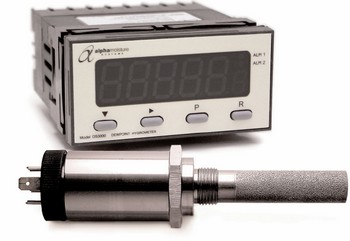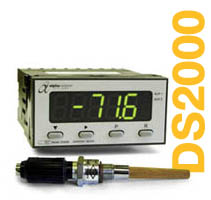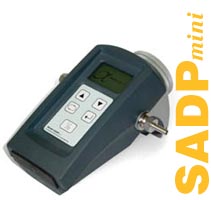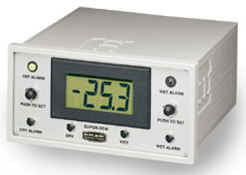
Product Introduction
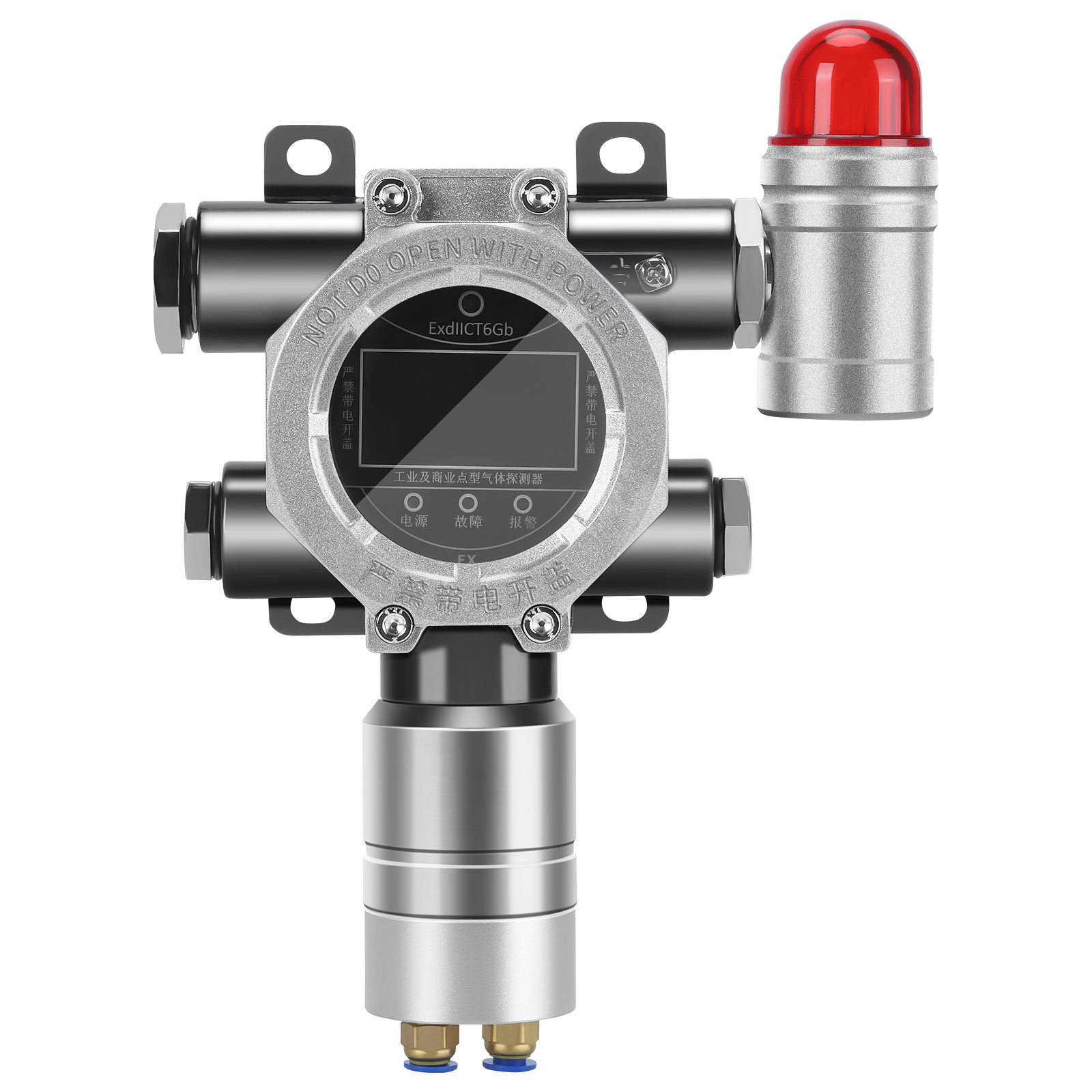
数据中心机房冷媒泄漏气体报警器
数据中心精密空调常用冷媒:R134a、R410A、R32、R454Betc., refrigerant leakage will displace oxygen and cause suffocation; R32 is also weakly flammable. The refrigerant leak alarm consists ofOn-site detector + alarm controllerComposition, achieving 24h online monitoring, audible and visual alarm, linked exhaust, and integration with dynamic environment monitoring.
1. Sensor Principle Selection (NDIR infrared preferred for data centers)
- NDIR non-dispersive infrared (first choice)Strong anti-interference, 8-10 years lifespan, low drift, unaffected by temperature, humidity, dust, or cleaning agents; compatible with R134a/R410A/R32/R454B, mainstream solution for data centers.
- 电化学传感器: Low cost, 2-3 years lifespan, prone to drift, requires frequent calibration, not recommended for long-term use in data centers.
- PID Photoionization:适合微量检漏,对部分冷媒选择性差,多用于便携式检漏仪。
量程建议:0‑5000ppm, resolution 1ppm; output interface: 4-20mA, RS485-Modbus RTU, easy to integrate with dynamic environment systems.
二、报警阈值(工程通用设置)
Table
| 级别 | 浓度 | 动作 |
|---|---|---|
| 一级预警 | 500‑1000ppm | 弹窗提示,记录告警 |
| 二级报警 | 3000‑5000ppm | 声光报警,自动启动事故排风机 |
| 三级联锁 | ≥8000ppm | 强声光,联动空调冷媒切断阀,上传动环告警 |
Reference standards: GB 50019-2015, GB/T9237-2017, ISO5149 refrigeration safety specifications.
三、安装布点关键要点
- 安装高度(看冷媒密度)
- R134a, R410A: gas heavier than air, detector installed at a distance from the ground0.3‑0.6m安装。
- R32 (lighter than air): detector installed below the ceiling0.3‑0.6m,气体容易聚集顶部。
- 布点位置
- 重点:精密空调压缩机、冷媒阀门、法兰、软管接头、管路焊缝周边。
- Single detector effective coverage radius ≤7.5m; avoid direct fan airflow, air outlets, strong electromagnetic equipment, and reserve space for calibration and maintenance.
- 报警控制器: Place in the duty room/control room, 1.4-1.6m above the ground; equipped with backup power; audible and visual alarms installed both inside and outside the machine room.
- Wiring: RS485 uses shielded twisted pair; 4-20mA uses three-core shielded cable; protect with galvanized steel conduit.
4. Linkage Functions (Required for Data Centers)
- Alarm triggered→Automatically activate emergency exhaust fan
- High concentration alarm→link refrigerant pipeline shut-off valve
- Upload signal to machine room dynamic environment monitoring platform, pop-up window and SMS alarm
- Local audible and visual alarm (inside machine room + duty area)
5. Daily Operation and Maintenance
- After the equipment is powered on and stabilized for 30 minutes, perform zero-point calibration.
- Calibrate with standard gas every 6 months; infrared sensor recommended to be replaced every 8-10 years.
- Regularly clean the detector dust filter to prevent dust accumulation from affecting detection.
6. Common Misconceptions
- ❌ Do not use combustible gas detectors to test R134a/R410A; these two refrigerants are non-flammable, and catalytic combustion sensors cannot detect them.
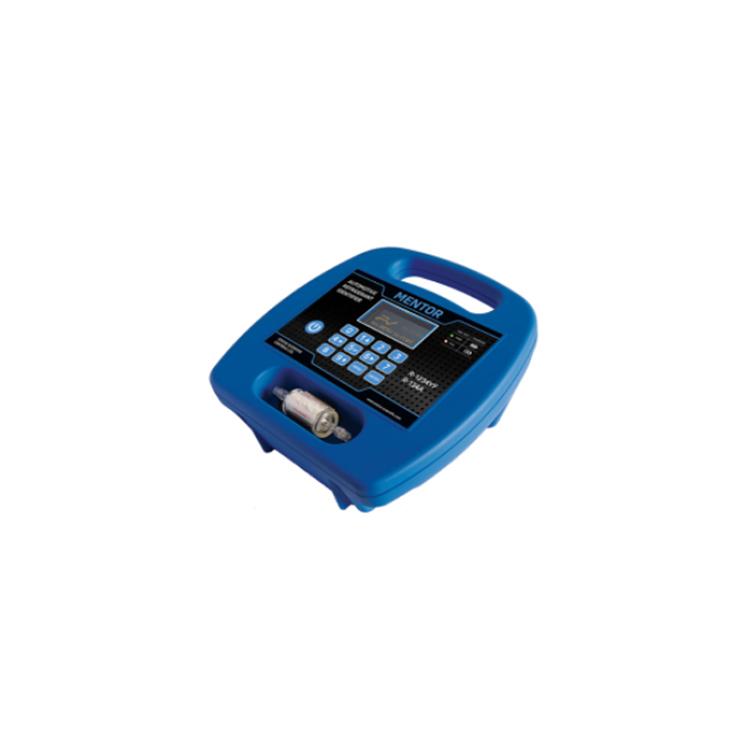
- ❌ Portable leak detectors can only be used for inspection,Cannot replace fixed online alarm systems。
- ❌ Do not install all detectors above the ceiling: R134a/R410A are heavier than air, leak and sink to the ground, installing at the top will miss detection.
If you need, I can provide you with a technical parameter list that can be directly used for bidding.
Related videos
Today 06:53
Data center equipment room refrigerant leakage gas alarm. Common refrigerants for data center precision air conditioners: R134a, R410A, R32, R454B, etc. Refrigerant leakage can displace oxygen and cause suffocation; R32 is also mildly flammable. The refrigerant leakage alarm consists of on-site detectors and an alarm controller, achieving 24h online monitoring, audible and visual alarms, linked exhaust ventilation, and integration with the dynamic environment monitoring system. 1. Sensor principle selection (NDIR infrared preferred for equipment rooms) NDIR non-dispersive infrared (first choice): strong anti-interference, 8-10 year lifespan, low drift, unaffected by temperature, humidity, dust, or cleaning agents; suitable for R134a/R410A/R32/R454B, mainstream solution for data centers. Electrochemical sensors: low cost, 2-3 year lifespan, prone to drift, require frequent calibration, not recommended for long-term use in equipment rooms. PID photoionization: suitable for trace leak detection, poor selectivity for some refrigerants, mostly used in portable leak detectors. Recommended range: 0-5000ppm, resolution 1ppm; output interfaces: 4-20mA, RS485-Modbus RTU, for easy integration with the dynamic environment system. 2. Alarm thresholds (common engineering settings) Table Level Concentration Action Level 1 early warning 500-1000ppm Pop-up prompt, record alarm Level 2 alarm 3000-5000ppm Audible and visual alarm, automatically start emergency exhaust fan Level 3 interlock ≥8000ppm Strong audible and visual alarm, interlock with air conditioner refrigerant shut-off valve, upload alarm to dynamic environment monitoring. Reference standards: GB 50019-2015, GB/T9237-2017, ISO5149 refrigeration safety standards. 3. Key installation and placement points Installation height (based on refrigerant density) R134a, R410A: gas heavier than air, detectors installed 0.3-0.6m above the ground. R32 (lighter than air): detectors installed 0.3-0.6m below the ceiling, gas tends to accumulate at the top. Placement locations Key: precision air conditioner compressors, refrigerant valves, flanges, hose connections, and around pipeline weld seams. Effective coverage radius of a single detector ≤7.5m; avoid direct fan airflow, air outlets, and strong electromagnetic equipment, reserve space for calibration and maintenance. Alarm controller: placed in the duty room/control room, 1.4-1.6m above the ground; equipped with backup power; audible and visual alarms installed both inside and outside the equipment room. Wiring: RS485 uses shielded twisted pair; 4-20mA uses three-core shielded cable; protected by galvanized steel conduit. 4. Interlock functions (mandatory for data centers) Alarm triggered → automatically start emergency exhaust fan High concentration alarm → interlock with air conditioner refrigerant pipeline shut-off valve Signal uploaded to the equipment room dynamic environment monitoring platform, with pop-up and SMS alarms Local audible and visual alarm (inside equipment room + duty area) 5. Daily maintenance After power-on, allow 30 minutes for stabilization before zero calibration. Calibrate with standard gas every 6 months; infrared sensors recommended for replacement every 8-10 years. Regularly clean the detector dust filter to prevent dust accumulation from affecting detection. 6. Common misconceptions Do not use combustible gas detectors to measure R134a/R410A; these two refrigerants are non-flammable, and catalytic combustion sensors cannot detect them. Portable leak detectors can only be used for inspection, not as a substitute for fixed online alarm systems. Do not install all detectors uniformly above the ceiling: R134a/R410A are heavier than air and sink to the floor after leakage; installing at the top may cause missed detection.
Search
数据中心机房冷媒泄漏气体报警器
数据中心精密空调常用冷媒:R134a、R410A、R32、R454Betc., refrigerant leakage will displace oxygen and cause suffocation; R32 is also weakly flammable. The refrigerant leak alarm consists ofOn-site detector + alarm controllerComposition, achieving 24h online monitoring, audible and visual alarm, linked exhaust, and integration with dynamic environment monitoring.
1. Sensor Principle Selection (NDIR infrared preferred for data centers)
- NDIR non-dispersive infrared (first choice)Strong anti-interference, 8-10 years lifespan, low drift, unaffected by temperature, humidity, dust, or cleaning agents; compatible with R134a/R410A/R32/R454B, mainstream solution for data centers.
- 电化学传感器: Low cost, 2-3 years lifespan, prone to drift, requires frequent calibration, not recommended for long-term use in data centers.
- PID Photoionization:适合微量检漏,对部分冷媒选择性差,多用于便携式检漏仪。
量程建议:0‑5000ppm, resolution 1ppm; output interface: 4-20mA, RS485-Modbus RTU, easy to integrate with dynamic environment systems.
二、报警阈值(工程通用设置)
Table
| 级别 | 浓度 | 动作 |
|---|---|---|
| 一级预警 | 500‑1000ppm | 弹窗提示,记录告警 |
| 二级报警 | 3000‑5000ppm | 声光报警,自动启动事故排风机 |
| 三级联锁 | ≥8000ppm | 强声光,联动空调冷媒切断阀,上传动环告警 |
参考标准:GB 50019-2015 'Code for Design of Heating, Ventilation and Air Conditioning for Industrial Buildings', GB/T9237-2017 'Refrigerating systems and heat pumps - Safety and environmental requirements', ISO5149 Refrigeration safety standardsAdditional note: R32 is a mildly flammable refrigerant; in addition to ppm concentration, attention should also be paid to25% LEL lower explosive limitAs the hard interlock protection threshold.
三、安装布点关键要点
Installation height (differentiated by refrigerant density)
- R134a, R410A: gas heavier than air, detector installed at a distance from the ground0.3‑0.6m安装。
- R32 (lighter than air): detector installed below the ceiling0.3‑0.6m,气体容易聚集顶部。
布点位置
- Key placement: around precision air conditioner compressors, refrigerant valves, flanges, hose connections, and pipeline welds (high-leakage locations).
- Single detector effective coverage radius ≤7.5m; avoid direct fan airflow, air outlets, strong electromagnetic equipment, and reserve space for calibration and maintenance.
- Alarm controller: placed in the duty room/central control room, 1.4-1.6m above the ground; equipped with backup power supply.Both inside and outside the equipment room, audible and visual alarm devices are installed.。
- Wiring: RS485 uses shielded twisted pair; 4-20mA uses three-core shielded cable; cables are routed through galvanized steel conduit for protection.
4. Linkage Functions (Required for Data Centers)
- Alarm triggered→Automatically activate emergency exhaust fan(Mandatory requirement of GB50019)
- High concentration alarm→link refrigerant pipeline shut-off valve
- Signals are uploaded to the equipment room's DCIM platform for environmental monitoring, with pop-up and SMS alarms.
- Local audible and visual alarm (inside machine room + duty area)
5. Daily Operation and Maintenance
- After 30 minutes of stable power-on, perform zero calibration.
- Calibrate with standard gas every 6 months; infrared sensor recommended to be replaced every 8-10 years.
- Regularly clean the detector's dust filter screen to prevent dust accumulation from affecting detection accuracy.
6. Common Misconceptions
❌ Do not use ordinary combustible gas detectors to measure R134a/R410A; these two refrigerants are non-flammable, and catalytic combustion sensors cannot detect them. ❌ Portable leak detectors can only be used for manual inspection.Cannot replace fixed online alarm systemsDo not install all detectors uniformly above the ceiling: R134a/R410A are heavier than air and sink to the floor after leakage; installing at the top may cause missed detection.
Main Application Areas
- Data Center Cooling — Monitors refrigerant leaks in precision air conditioning units to ensure safe operation and prevent downtime.
- HVAC Systems — Detects leaks in commercial and industrial HVAC systems, protecting equipment and personnel.
- Cold Storage Facilities — Provides early warning of refrigerant leaks in cold storage environments to maintain temperature integrity.
- Industrial Refrigeration — Ensures safety in industrial refrigeration processes by detecting hazardous refrigerant concentrations.
Keywords:R134a leak detector, refrigerant gas alarm, data center refrigerant leak, SKA/NE-301, HVAC gas sensor, refrigerant leak monitor, R134a gas alarm, precision air conditioning gas detector