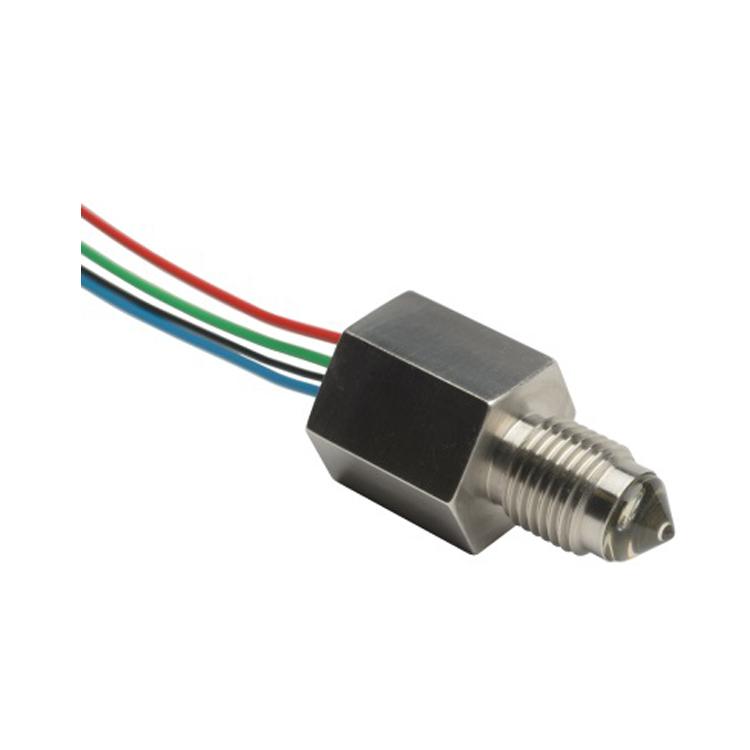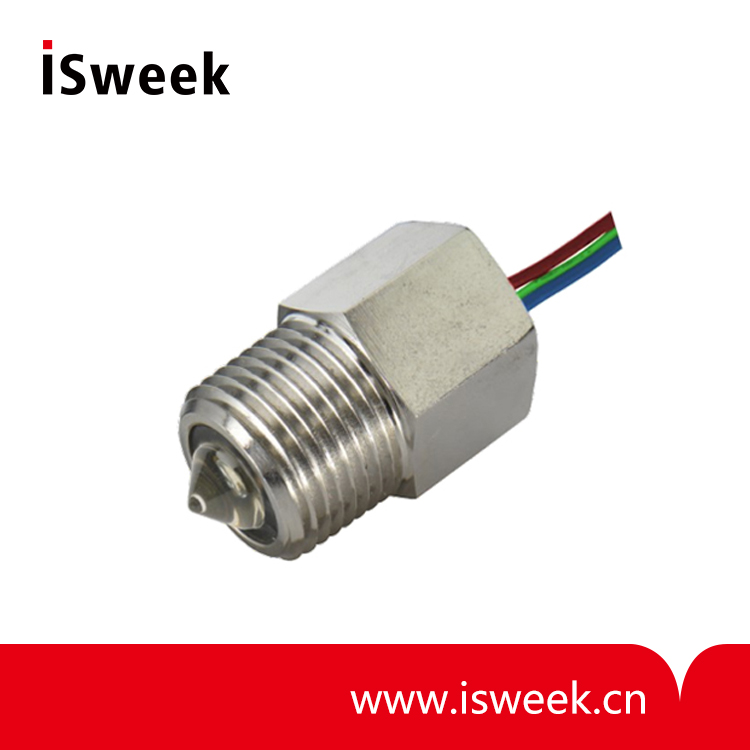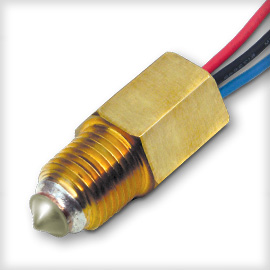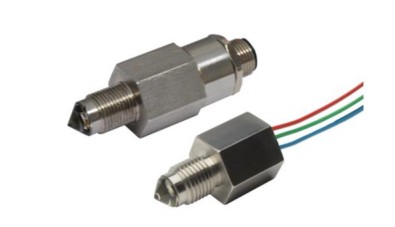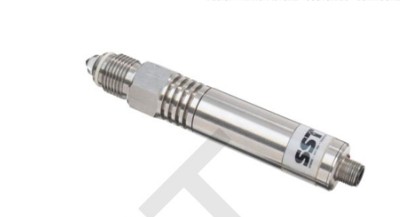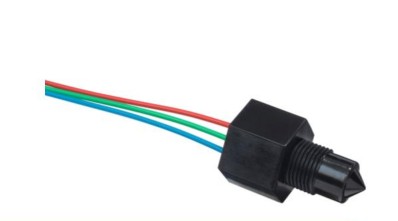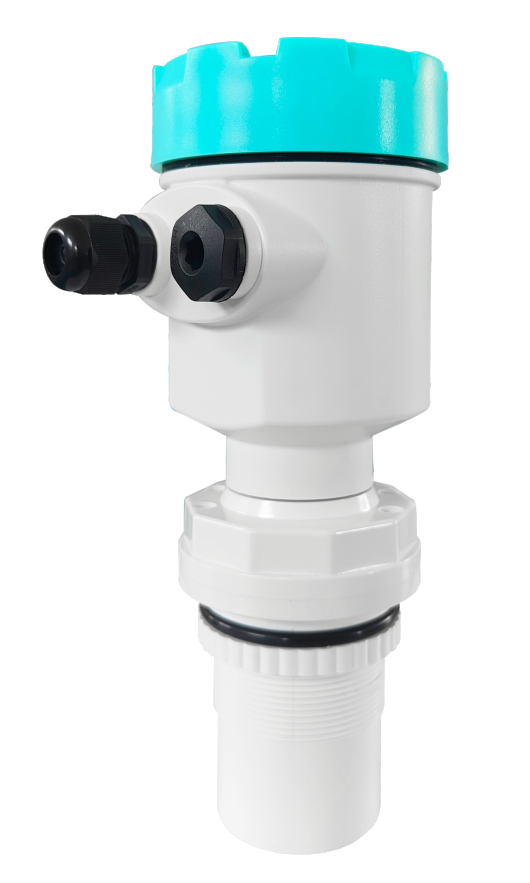
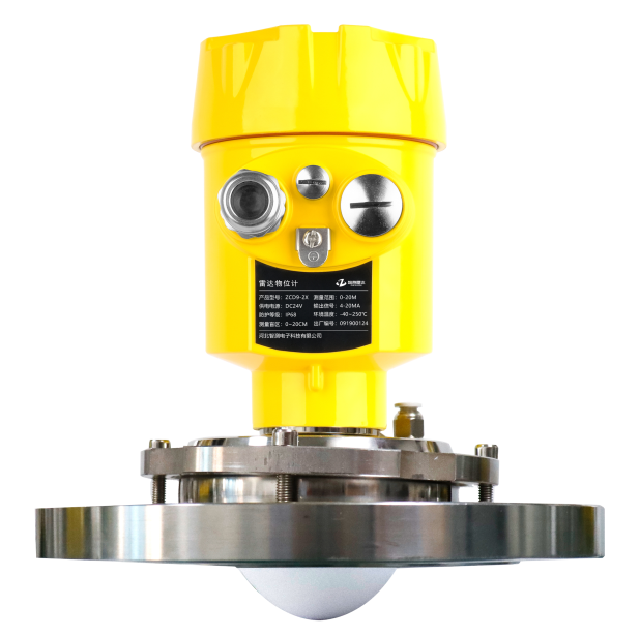
RF Admittance Level Sensor Slurry Level Measurement - AMT/LD-YWJ
Measuring range: 0~5m (optional 0~10m)
• Accuracy: ±0.25%FS
• Resolution: 1mm
• Probe material: 316L stainless steel, optional PTFE anti-corrosion diaphragm
• Signal output: 4~20mA (2-wire); optional RS485 Modbus
• Power supply: DC24V
• Medium temperature: 0~80℃
• Working pressure: normal pressure
• Display: Optional matching secondary display instrument
• Warranty: 1 year
Product Introduction
RF Admittance Level Sensor Slurry Level Measurement - Product Overview
The RF admittance level sensor is a contact-type level detection device based on the RF admittance principle. Search keywords: RF admittance level sensor, slurry level measurement, level sensor. This sensor can measure the level of slurry, mud, sewage, and viscous media, and is suitable for the chemical, water treatment, and mining industries. In slurry level measurement, RF admittance level sensors can overcome the effects of coating and adhesion, reflecting level changes in real time.
RF Admittance Level Sensor Slurry Level Measurement - Working Principle
The RF admittance level sensor detects level by using the admittance change between the probe and the tank wall, and determines the medium coverage state through RF signals. In slurry level measurement, RF admittance level sensors use anti-coating probes and shielding technology, making them suitable for high-viscosity and easily scaling media. The sensor supports switching value, 4-20mA, and RS485 outputs, can be connected to PLC and DCS systems, and has explosion-proof and corrosion-resistant functions.
RF Admittance Level Sensor Slurry Level Measurement - Application Scenarios
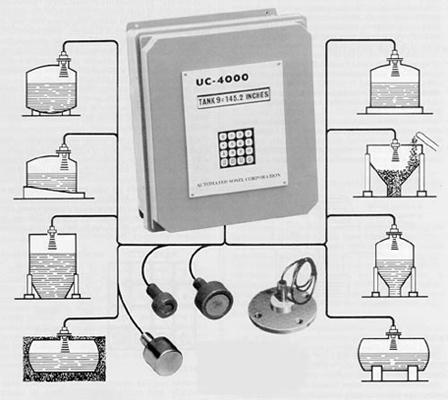
RF admittance level sensors are widely used in chemical slurry tanks, sewage treatment pools, mining tailings ponds, and papermaking pulp pools. In slurry level measurement, RF admittance level sensors can be installed on tank tops or side walls for contact level measurement. The sensor can be linked with pumps, valves, and alarm systems to achieve automatic control and overflow prevention. For large slurry systems, RF admittance level sensors can form a multi-point monitoring network and upload data uniformly to the control room.
RF Admittance Level Sensor Slurry Level Measurement - Technical Advantages
RF admittance level sensors have advantages such as anti-coating, corrosion resistance, and high reliability. In slurry level measurement, RF admittance level sensors use explosion-proof housings and wear-resistant probes, making them suitable for harsh working conditions. The sensor supports remote debugging and fault self-diagnosis, making maintenance convenient. When selecting an RF admittance level sensor, attention should be paid to range, accuracy, temperature and pressure resistance, explosion-proof rating, and output signal to ensure it meets slurry level measurement requirements.
Main Application Areas
- Chemical Industry — Level measurement of slurries, viscous liquids, and corrosive media in chemical reactors and storage tanks.
- Water Treatment — Monitoring of wastewater, sludge, and chemical dosing levels in treatment plants and pumping stations.
- Mining Industry — Level detection of ore slurry, tailings, and thickener underflow in mineral processing.
- Food and Beverage — Level measurement of viscous food products such as syrup, paste, and sauce in processing tanks.
- Pharmaceutical Industry — Level control of liquid and slurry intermediates in pharmaceutical production.
Keywords:RF admittance level sensor, slurry level measurement, level transmitter, industrial level sensor, contact level sensor, 4-20mA level sensor, RS485 level sensor, liquid level measurement