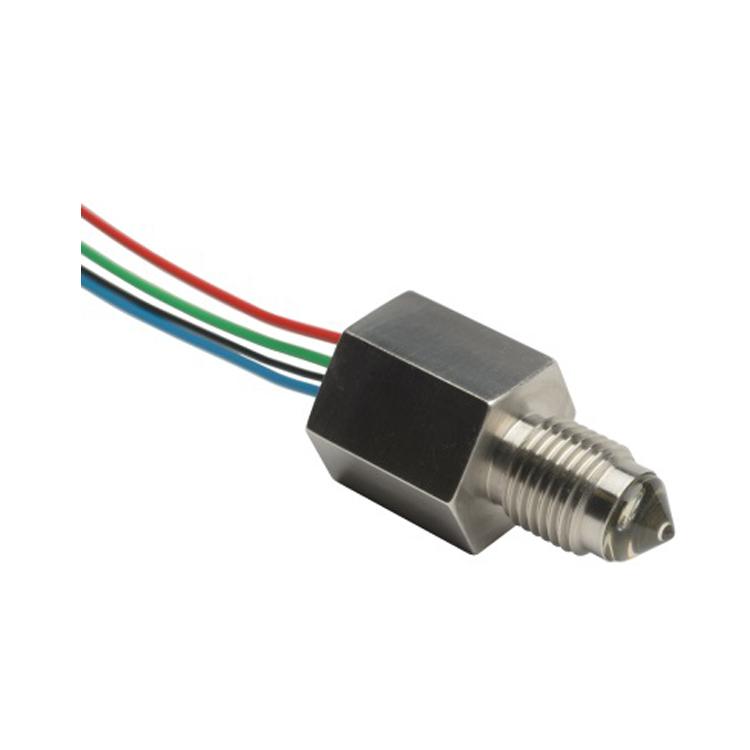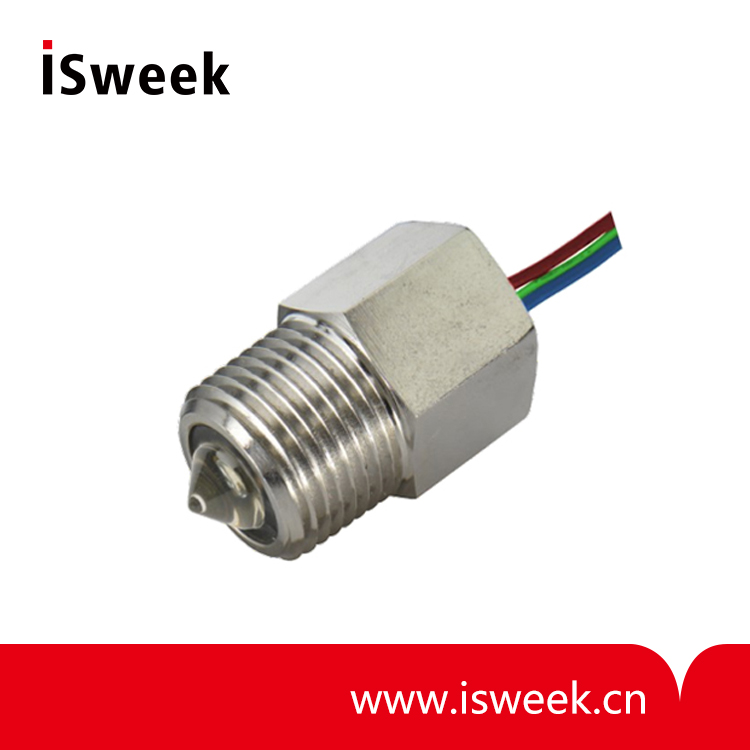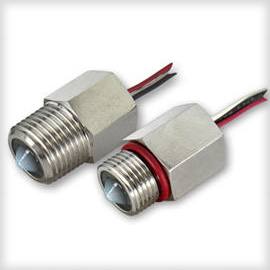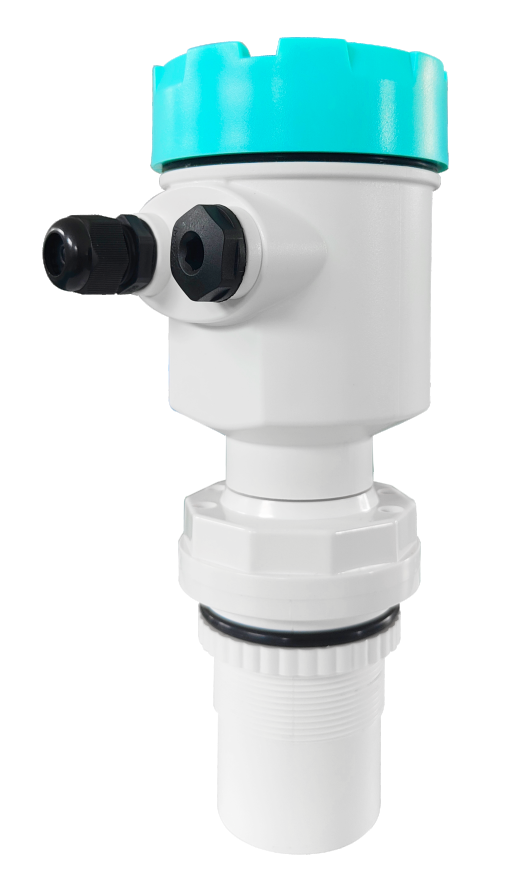
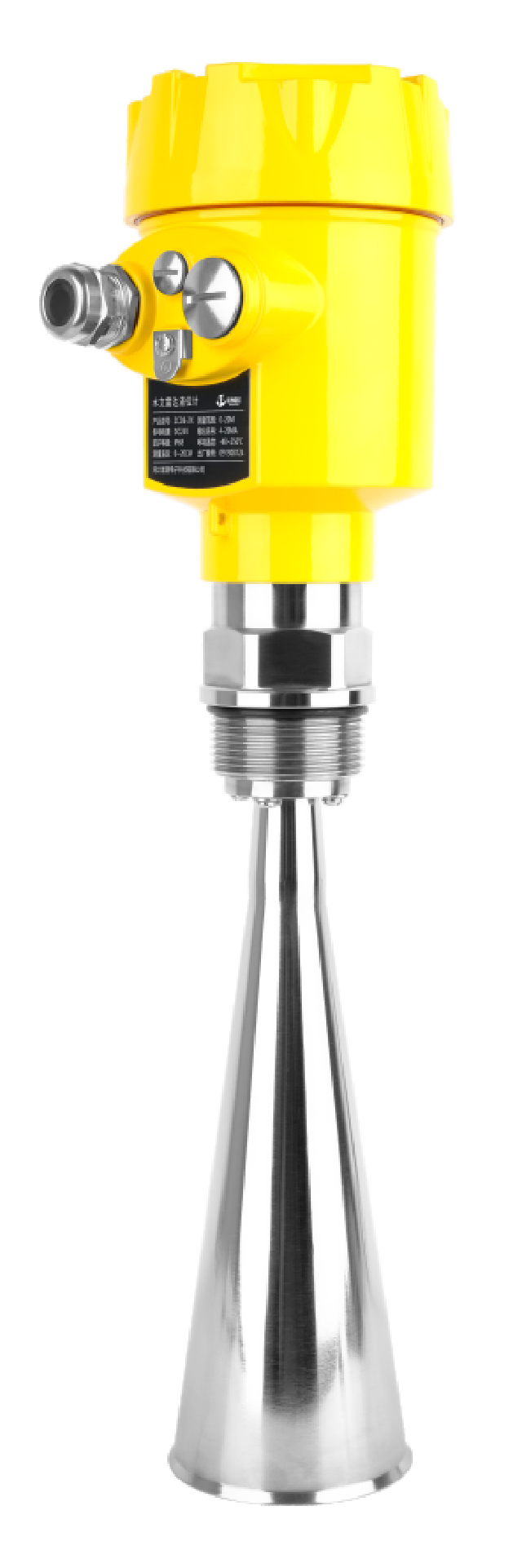
Rotary Paddle Level Sensor for Grain Silo Level Monitoring - AMT/LD-YWJ
Measuring range: 0~5m (optional 0~10m)
• Accuracy: ±0.25%FS
• Resolution: 1mm
• Probe material: 316L stainless steel, optional PTFE anti-corrosion diaphragm
• Signal output: 4~20mA (2-wire); optional RS485 Modbus
• Power supply: DC24V
• Medium temperature: 0~80℃
• Working pressure: normal pressure
• Display: Optional matching secondary display instrument
• Warranty: 1 year
Product Introduction
Rotary Paddle Level Sensor for Grain Silo Level Monitoring - Product Overview
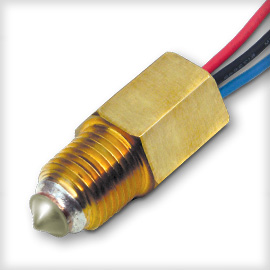
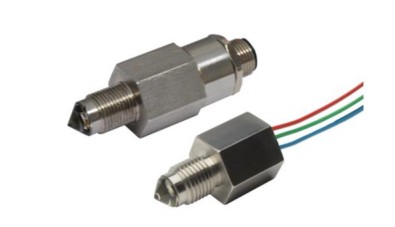
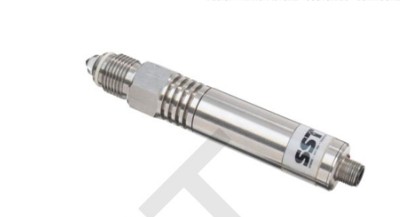
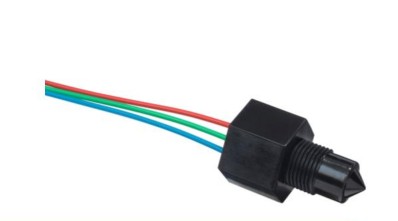
The rotary paddle level sensor is a contact-type level detection device based on the principle of rotating blade resistance. Search keywords: rotary paddle level sensor, grain silo level monitoring, level sensor. This sensor can detect the material level height in grain, feed, and chemical powder silos, and is suitable for the grain, feed, and chemical industries. In grain silo level monitoring, the rotary paddle level sensor can reflect level changes in real time, helping operators understand silo inventory and feeding/discharging status.
Rotary Paddle Level Sensor for Grain Silo Level Monitoring - Working Principle
The rotary paddle level sensor uses a rotating blade that spins freely in the air. When the blade contacts material, resistance increases, and by detecting the change in resistance, it outputs a switching signal. In grain silo level monitoring, the rotary paddle level sensor adopts a dustproof housing and wear-resistant blades, making it suitable for granular and powdery materials. This sensor supports relay output and 4-20mA signal, and can be connected to PLC and control systems to achieve automatic level control and alarms.
Rotary Paddle Level Sensor for Grain Silo Level Monitoring - Application Scenarios
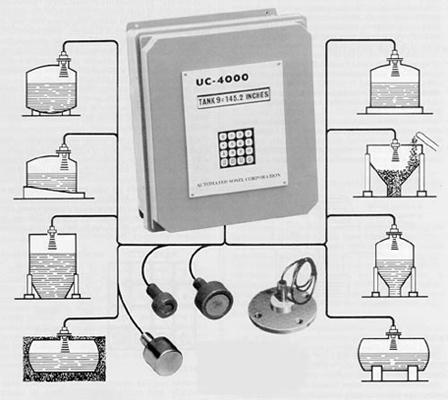
Rotary paddle level sensors are widely used in grain silos, feed bins, chemical powder silos, cement silos, and other locations. In grain silo level monitoring, rotary paddle level sensors can be installed on the silo top or side wall to measure material level by contact. The sensor can be linked with feed valves, discharge pumps, and alarm systems to achieve automatic control and overflow prevention. For large silo groups, rotary paddle level sensors can form a multi-point monitoring network and upload data uniformly to the control room.
Rotary Paddle Level Sensor for Grain Silo Level Monitoring - Technical Advantages
The rotary paddle level sensor has advantages such as simple structure, high reliability, and strong adaptability. In grain silo level monitoring, the rotary paddle level sensor adopts a dustproof design and wear-resistant materials, making it suitable for dusty and granular environments. This sensor supports remote debugging and fault self-diagnosis, making maintenance convenient. When selecting a rotary paddle level sensor, attention should be paid to range, material, output signal, protection rating, and installation method to ensure it meets the needs of grain silo level monitoring.
Main Application Areas
- Grain silos — Real-time level monitoring of grain storage to prevent overflow and material shortage.
- Feed silos — Detecting feed levels in livestock and poultry feed storage bins for automated feeding systems.
- Chemical powder silos — Level detection of chemical powders and granules in storage tanks and hoppers.
- Food processing — Level monitoring of raw materials such as flour, sugar, and starch in food production lines.
- Plastic pellets — Level detection of plastic pellets and granules in injection molding and extrusion equipment.
Keywords:rotary paddle level sensor, grain silo level sensor, level switch, point level detection, bulk solids level sensor, rotary paddle switch, silo level monitoring, bin level indicator