
Liquid Flow Sensor - SLQ-QT105
Measurement range up to 120 ML/MIN (hydrocarbon liquids)
High resolution maintained even in low flow ranges
Fast response time as low as 30 ms
RS485 digital interface
For measuring photoresist and solvents
Straight-through tube, no moving parts
Guaranteed cleanliness
Excellent chemical resistance, inert materials
Wetted materials: PCTFE, only quartz glass
Maximum operating pressure 3 bar (pressure can be increased for specific requirements)
Product Introduction
1. Product Description of Liquid Flow Sensor SLQ-QT105
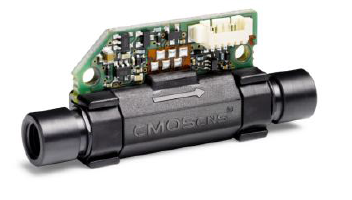
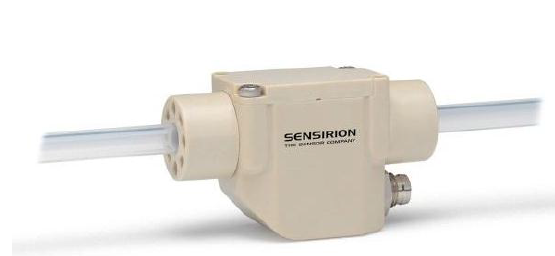
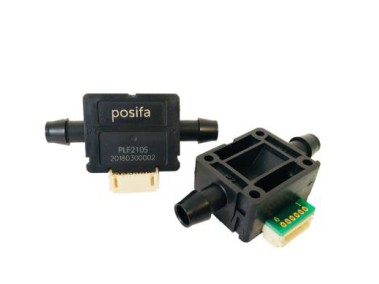
For the high-end needs of coating systems, we introduce a new product, the SLQ-QT105Liquid Flow Sensor, a semiconductor-grade sensor solution for measuring hydrocarbon compounds with flow rates below 120 ML/MIN, such as photoresist and solvents. Utilizing fully validated thermal micro-sensor technology, it opens up new heights in sensitivity, stability, and speed.Liquid Flow SensorThe extremely short response time of the SLQ-QT105 allows accurate monitoring of high-speed dynamic processes, such as rapid dispensing actions.Liquid Flow SensorThe SLQ-QT105 is equipped with a 4x3 mm PFA tube. The device has no moving parts and enables non-invasive measurement within the wall of a straight-through flow channel. The sensor features a smart digital interface, and the reliable RS485 communication protocol is suitable for long-distance communication with large bus capacity.
2. Features of Liquid Flow Sensor SLQ-QT105
-
Measurement range up to 120 ML/MIN (hydrocarbon liquids)
-
Highest resolution maintained even in low flow ranges
-
Fast response time as low as 30 ms
-
RS485 digital interface
-
For measuring photoresist and solvents
-
Straight-through tube, no moving parts
-
Guaranteed cleanliness
-
Excellent chemical resistance, inert materials
-
Wetted materials: PCTFE, only quartz glass
-
Maximum operating pressure 3 bar (pressure can be increased for specific requirements)
3. Application Fields of Liquid Flow Sensor SLQ-QT105
-
High-end semiconductor process control
-
Rapid dispensing operations