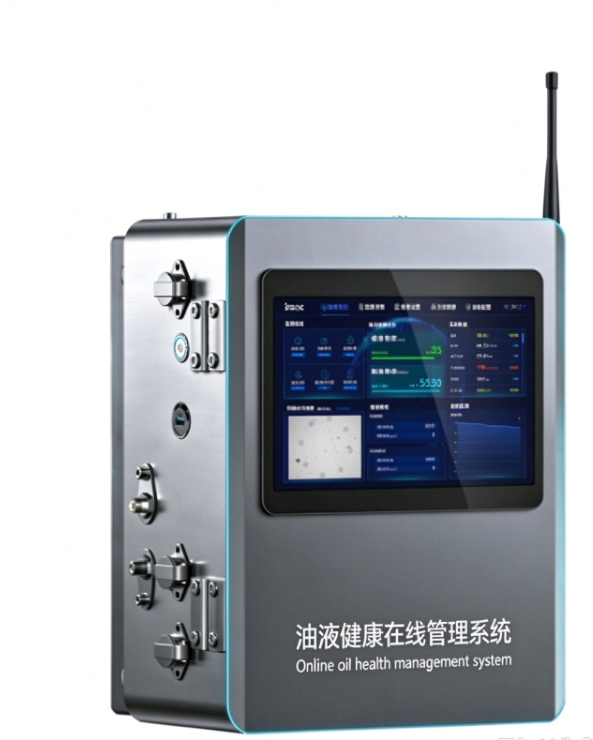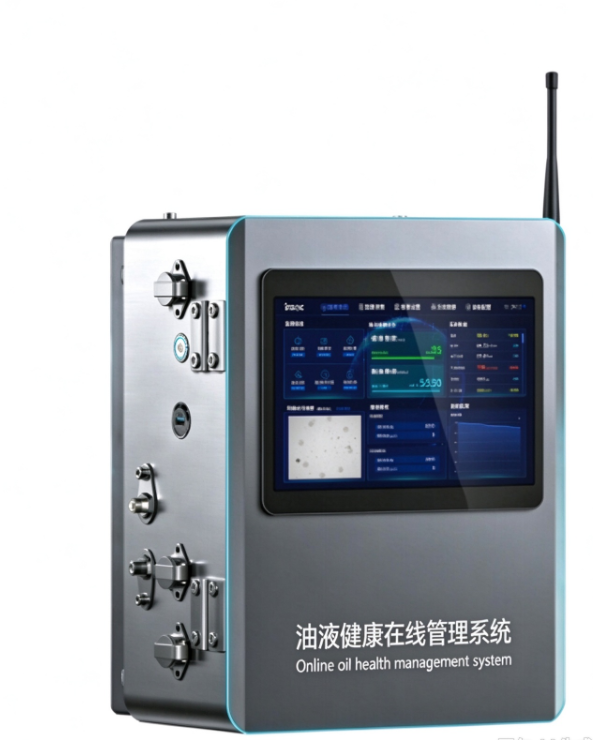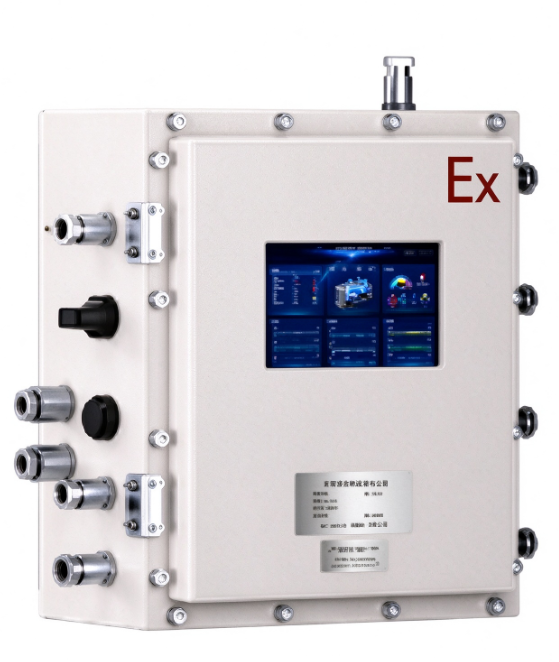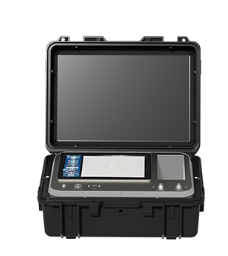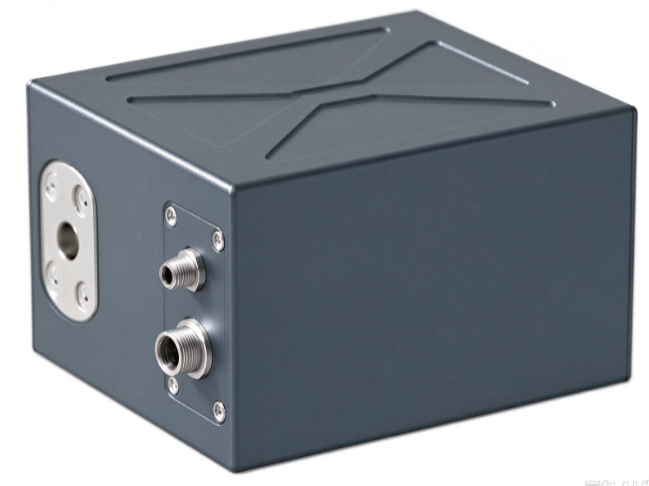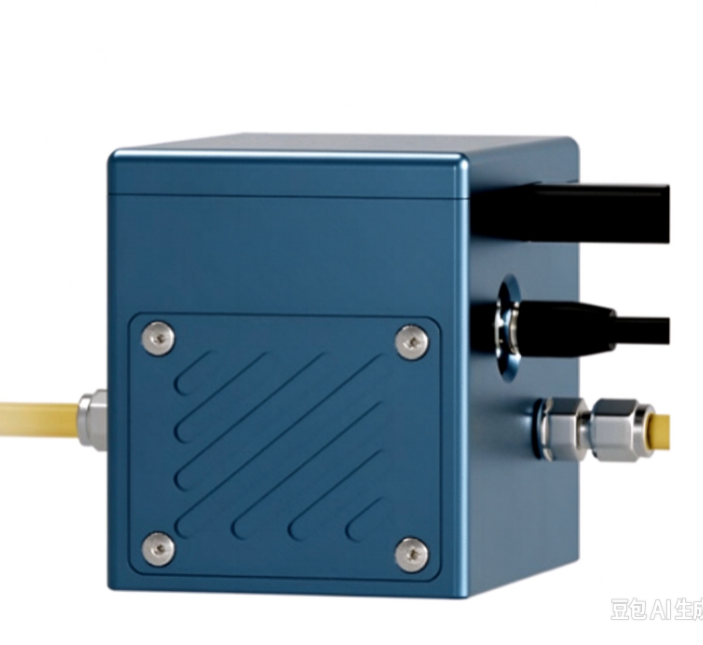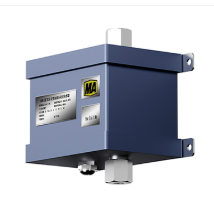
Contamination Sensor - SKA GYW12
Specifications and Parameters
| Detection range | Number of Channels | Detection Channels | Accuracy | Calibration Standards |
|---|---|---|---|---|
| 1-400um | 8 pcs | 1μm、2μm、5μm 10μm、15μm、25μm 50μm、100μm、4μm(c) 4.6μm、6μm(c)、10μm(c) 14μm(c)、21μm(c) 38μm(c)、70μm(c) |
±1 grade (typical value) |
ISO4402 ISO11171 |
| Sensitivity | 1μm (ISO4402) or 4μm(c) (GB/T18854, ISO11171) | |||
| Moisture Monitoring | Saturation 0.03-1Aw, accuracy ±0.03 Aw, water content (dissolved water) 1-10000ppm (model calibration) |
Product Introduction
SKA GYW12 Series
Contamination sensor[Mining intrinsically safe type]
Explosion-proof type: intrinsically safe
Explosion-proof marking: Ex ib I Mb
SKA GYW12 SeriesThe contamination sensor adopts single laser light-blocking counting technology, featuring fast detection speed, strong anti-interference, high precision, and good repeatability.It can accurately detect the size and quantity distribution of particles in the tested oil sample.Combined with the Fourier waveform analysis model, it can greatly improve the precision of detecting micro particles and highly clean oil products. It can automatically correct invalid data and interference data. It has a very good improvement effect on the influence of trace moisture, bubbles, etc. that often appear on site on contamination.
Measurement principle
A parallel light beam vertically passes through a sample flow cell with a cross-sectional area of A and irradiates the photoelectric receiver. When there are no particles in the liquid flow, the circuit output is a voltage of E. When a particle with a projected area of a passes through the sample flow cell, it blocks the parallel light beam, causing the transmitted light to attenuate. At this time, a negative pulse with an amplitude of E is output on the circuit.
Main Application Areas
- Hydraulic Systems — Monitor particle contamination in hydraulic oil to prevent wear and extend component life.
- Lubrication Systems — Ensure oil cleanliness in lubrication systems to reduce downtime and maintenance costs.
- Power Generation — Detect contamination in turbine oils and transformers to maintain operational efficiency.
- Manufacturing — Quality control in manufacturing processes where oil cleanliness is critical.
Keywords:contamination sensor, oil particle counter, hydraulic oil monitoring, particle contamination, oil cleanliness sensor, laser particle counter, ISO 4406 sensor, oil condition monitoring